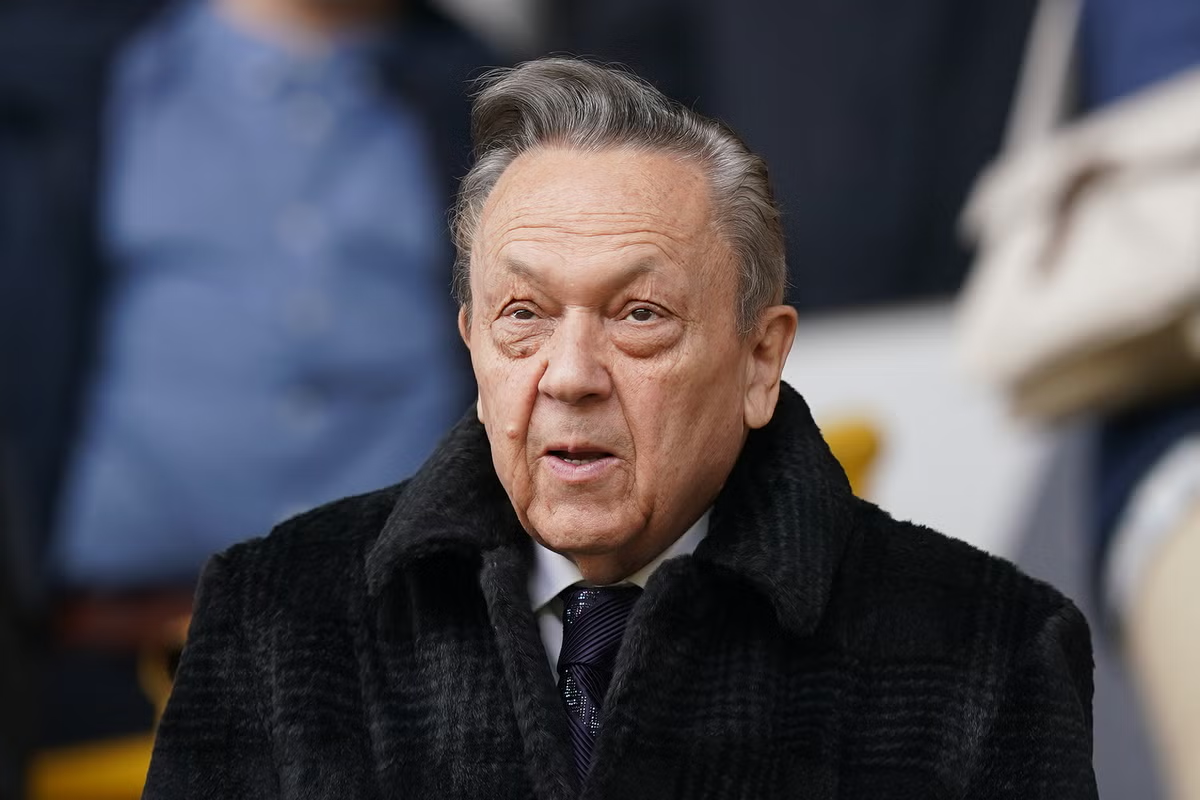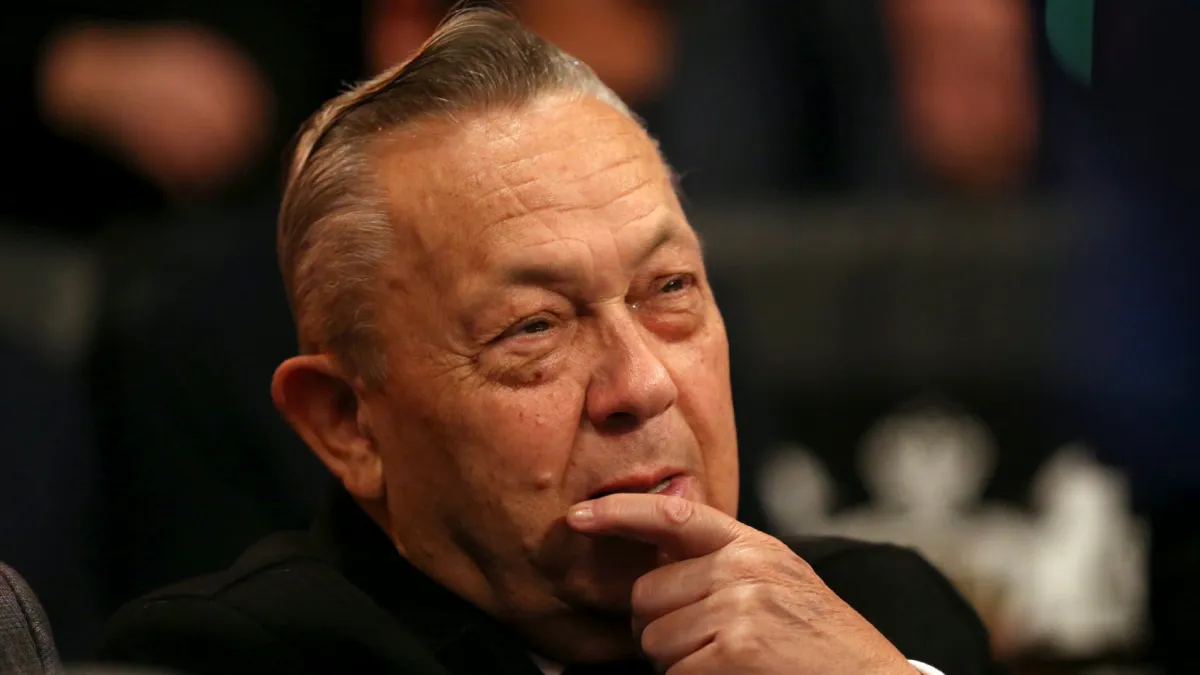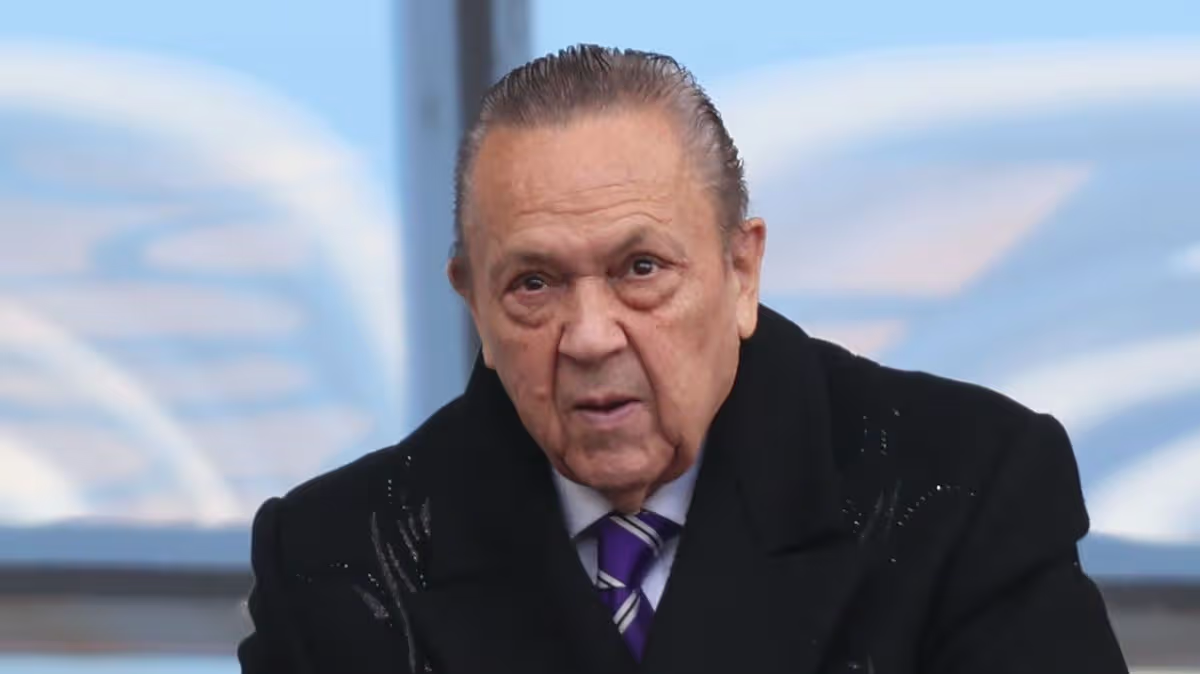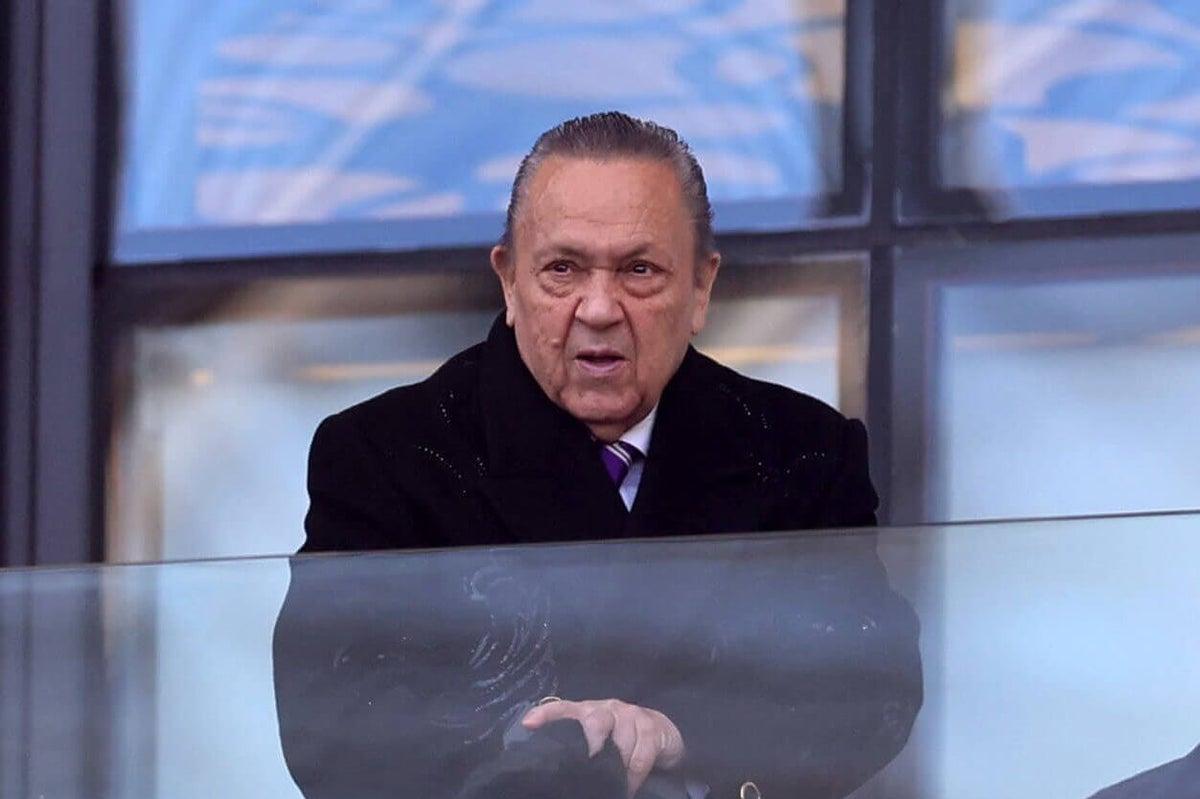
At first, I did not watch the BBC Panorama documentary about David Sullivan, the owner of West Ham United who stepped down from his position as co-chair of the club last weekend.In the days leading up to its broadcast on Monday night, it became clear that the 77-year-old was facing a series of serious accusations.When he stepped away from the club he took control of in 2010, he said he did so to fight what he said were “factually incorrect and entirely false allegations” that “have been sensationalised by the media”. He said he would be suing the BBC and anyone else who repeated the claims.In a departing statement on West Ham United’s website, he said “after a lifetime spent building businesses in the adult industry in which I have met thousands of women, it is sadly inevitable that a small number of improper conduct claims are being made against me. I categorically deny these claims.”In the hours leading up to the broadcast of the investigation by BBC Panorama and the Times, titled ‘Predator: The Billionaire Football Boss’, details started to emerge: allegations from seven women — some who were in their teens — spanning decades, accusing Sullivan of sexually exploitative and predatory behaviour, including pressuring them for sex during meetings positioned as job interviews.Not watching it is easier than confronting something that is so intensely uncomfortable. But I realised not watching would do a huge disservice to those women who allege they have endured so much from an individual in such a position of power and influence.And so, I watched.The story of Sullivan might be unique in some ways (i.e. his rise from the so-called ‘Sultan of Sleaze’ who built an empire of 150 sex shops to billionaire football club owner), but in others, the claims he is facing feel all too familiar, especially as a woman working in the football industry.In recent years I’ve written on women accusing players of rape and domestic violence while colleagues have reported on women accusing managers of bullying behaviour and having secret relationships.Each case is individual, of course — and I am not commenting on the rights or wrongs of each one — but one theme unites many of them: power.This week has been a stark reminder (if any were needed) that football wields incredible power and influence and also bestows those rewards on many individuals within the game.The Football Association (FA) in 2023 handed Sullivan a suspension from having contact with the club’s women’s and youth teams after safeguarding concerns were raised.Though Sullivan was not allowed to attend women and youth matches, he could attend men’s matches and continue to run the club overall.The Athletic’s Daniel Taylor reported on Wednesday that Karren Brady, in her then-role as West Ham’s vice-chair, told West Ham fan groups in January there was “no investigation involving West Ham United”.That response from Brady, a long-time friend and associate of Sullivan’s, came via an email to questions from the club’s fan advisory board, which was concerned about online speculation linking West Ham to a police investigation. Brady left her role at West Ham in April.Sullivan is clear that none of the claims relate to his time in football. He said in a statement to The Athletic: “I wish to clarify recent media reports regarding a negotiated agreement with the Football Association (FA), which has been inaccurately described as a disciplinary ‘ban’.“In my entire 16 years at West Ham, I have never met any academy or women’s team players 1-2-1, therefore a negotiated and temporary agreement with the FA not to do so until the FA resolved an outstanding complaint in relation to a single anonymous complaint regarding an event in 1981 was entered into.“The complaint had nothing to do about my time in football and it never happened.“I saw it as a meaningless restriction, as it didn’t impact on my work in any way, therefore I accepted it for a quiet life.”(Tim Goode/PA Images via Getty Images)But what message does it send when football’s governing body in England continues to allow someone to attend men’s games and be in control of the club after allegations of sexually predatory and exploitative behaviour are made towards one of the most powerful figures in the game?How must those who work for the club, particularly the women members of staff, feel? How must the West Ham Women’s team — who were governed by Sullivan’s son Jack from 2017 until 2021 — feel, knowing Sullivan senior, though banned from their games, was allowed to continue in his role with the men’s team?Farah Nazeer, CEO at Women’s Aid, said the charity is “disturbed” by the allegations. “From our work with survivors,” a Women’s Aid statement read, “we know how easy it is for men to exploit their positions of power and how frequently this power leads to averted eyes and excuses being made for inexcusable behaviours.“It is vital that men in positions of power – regardless of their wealth and influence – are held to account for their behaviours and that policies and procedures to protect women are robust. It also raises questions about who can hold positions of power within football, especially when we know the role that clubs, players and all other stakeholders play when it comes to the attitudes and behaviours of boys and young men. We stand in solidarity with the women who have bravely come forward.”“Utterly horrifying” is how UK culture secretary Lisa Nandy described the allegations. “If it is the case that an investigation concluded that there were sufficiently serious allegations to warrant a ban on contact with the youth and women’s teams, then the FA must explain this decision and why no further action was taken.” She added she expected an “urgent explanation” from the FA and West Ham.The FA said it could not comment on individual safeguarding matters, but said it operates “a robust safeguarding programme” with “rigorous and stringent policies and procedures”. West Ham also said they could not comment on individual matters, but stated they have “clear and robust safeguarding measures” that are “independently assessed and audited on an annual basis”.Football opened its doors to Sullivan in 1993 when he and business partners David and Ralph Gold bought into Birmingham City, some 11 years after Sullivan served 71 days in prison for a conviction of living off the immoral earnings of prostitutes.Since acquiring a 50 per cent share (alongside Gold) in West Ham in 2010, he has never fallen foul of the Premier League’s Owners’ and Directors’ Test, a regulatory vetting process designed to evaluate the integrity, financial soundness, and competence of prospective club owners and directors. Its primary goal? To protect the image, reputation, and financial integrity of English football.Sullivan remains West Ham’s largest shareholder, owning 38.8 per cent of the club.Allegations of abuses of power don’t only happen in football, of course. But a sport with such global influence, that has millions around the world watching and reading about it, needs to take responsibility for who it gives that platform to.“They have allowed David Sullivan to remain front and centre, held up as a leading light of football and deserving of the respect of millions,” one of his alleged victims told The Athletic, speaking with the lifelong anonymity that is granted automatically in the UK for someone who has made an allegation of sexual wrongdoing. “That has caused significant added trauma to the people who were exploited by him.”Not watching, not acting is always easier than confronting something that is so intensely uncomfortable.
How it felt as a woman in sport reading about David Sullivan allegations
The allegations against the West Ham owner - all of which he denies - cast a dark cloud over how football operates.
1,252 words~6 min read