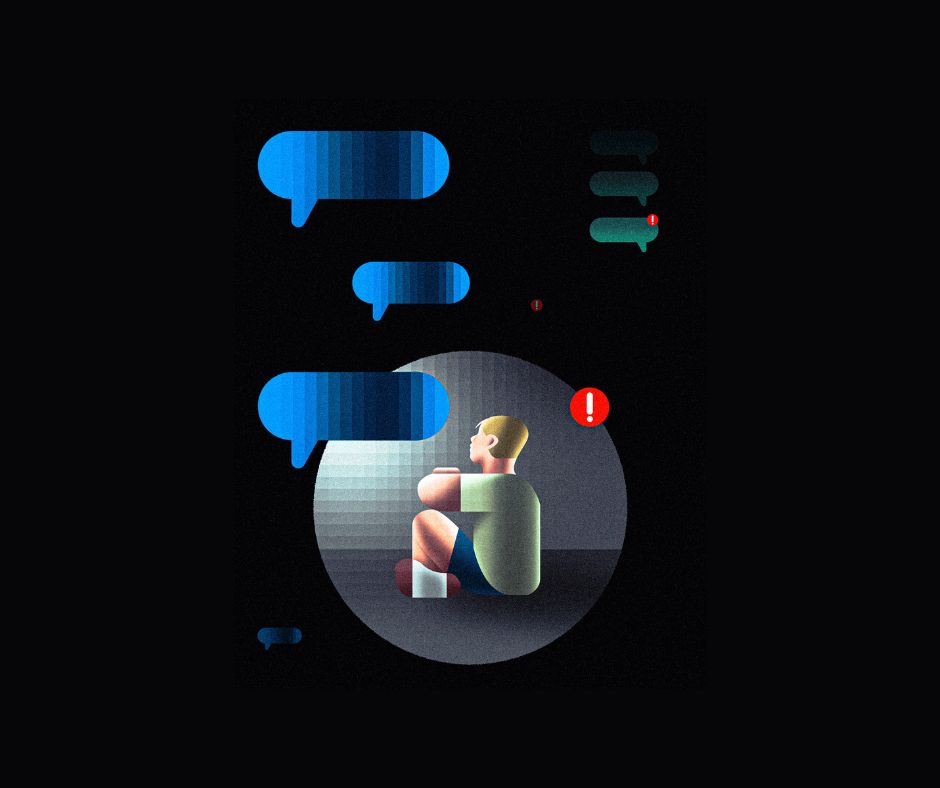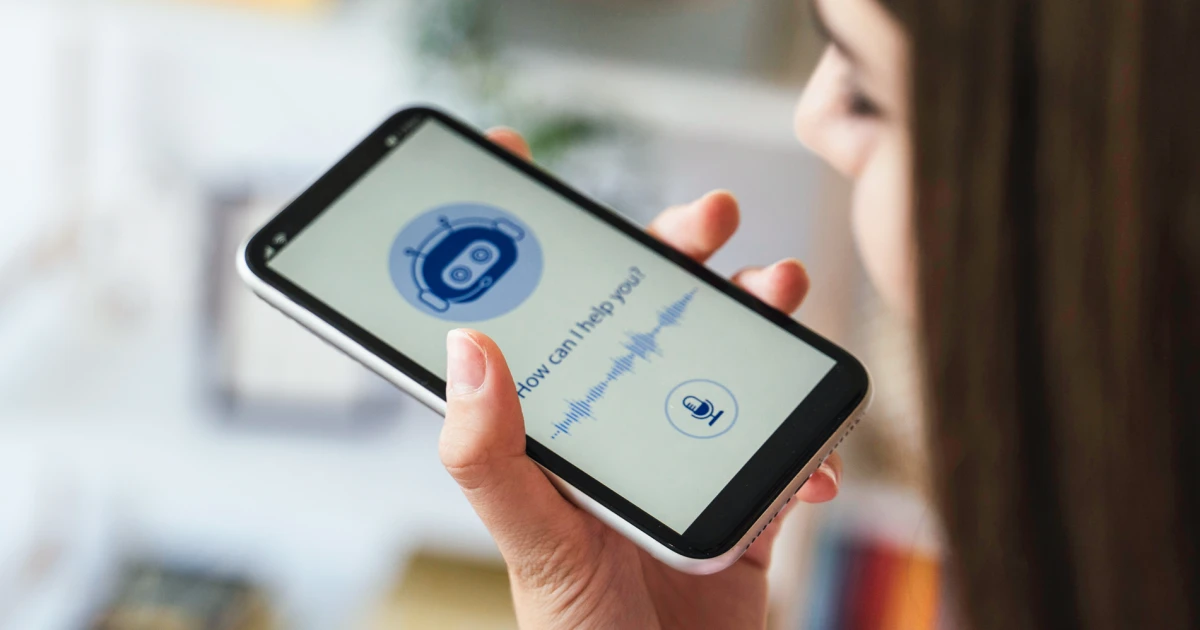
One in five young people now shares personal problems with artificial intelligence rather than family members, friends or mental health professionals, a Turkish academic said, citing recent research that highlights growing feelings of loneliness and a desire to be understood.
Professor Hatice Kumcağız, head of the Guidance and Psychological Counseling Department at Ondokuz Mayıs University’s Faculty of Education, said many young people turn to AI because they fear being judged, criticized or labeled by others.
“Research shows that one out of every five young people tells their problems to artificial intelligence,” Kumcağız said. “This is a striking indicator of the extent of young people's loneliness and need for understanding.”
She said young people often seek what they perceive as a risk-free and emotionally safe space. Unlike human relationships, which can involve judgment, misunderstanding or rejection, AI is available around the clock and responds without criticism.
“When young people want to talk to an adult or a friend, they may hear, ‘I’m busy’ or ‘I can’t listen right now,’” she said. “Artificial intelligence does not say those things. It is always available, patient and supportive.”