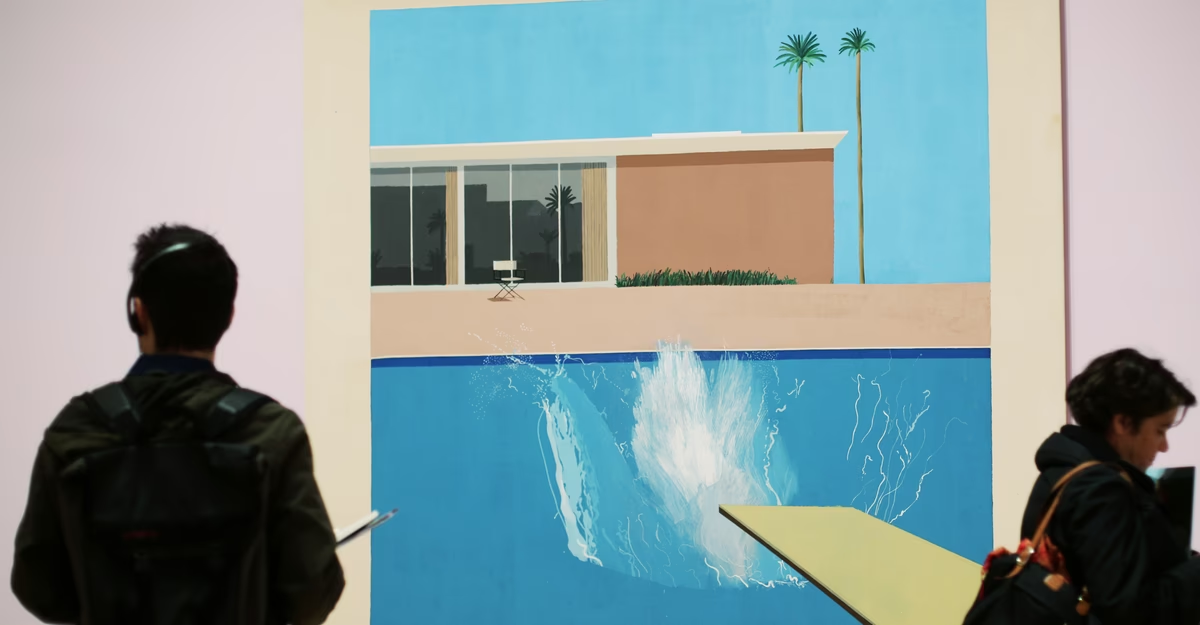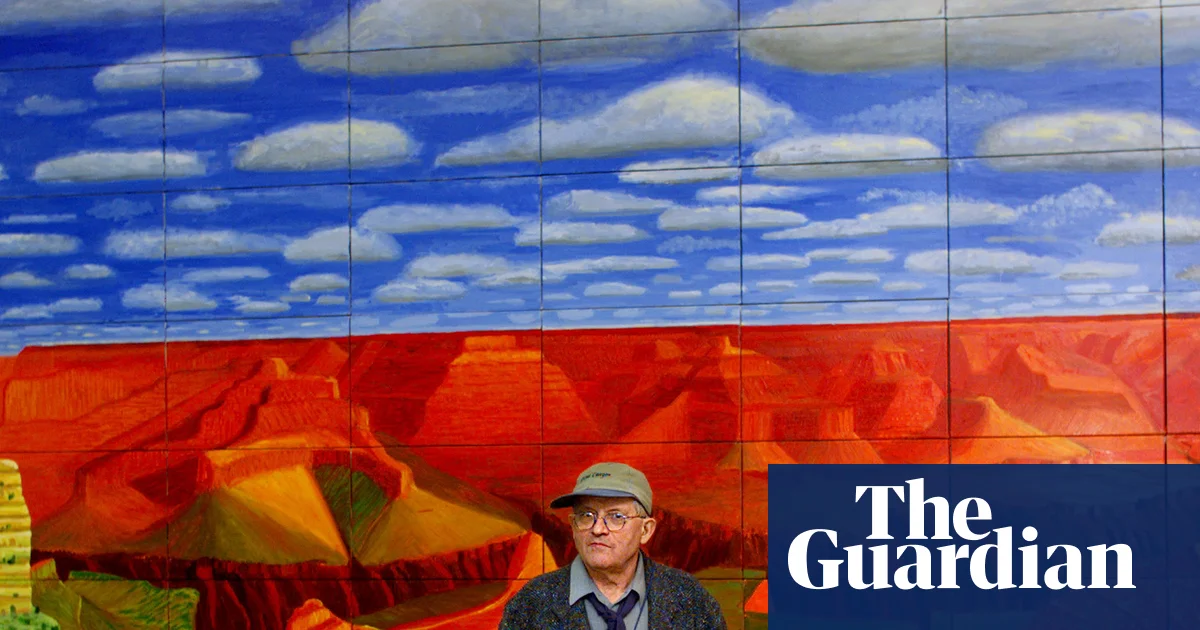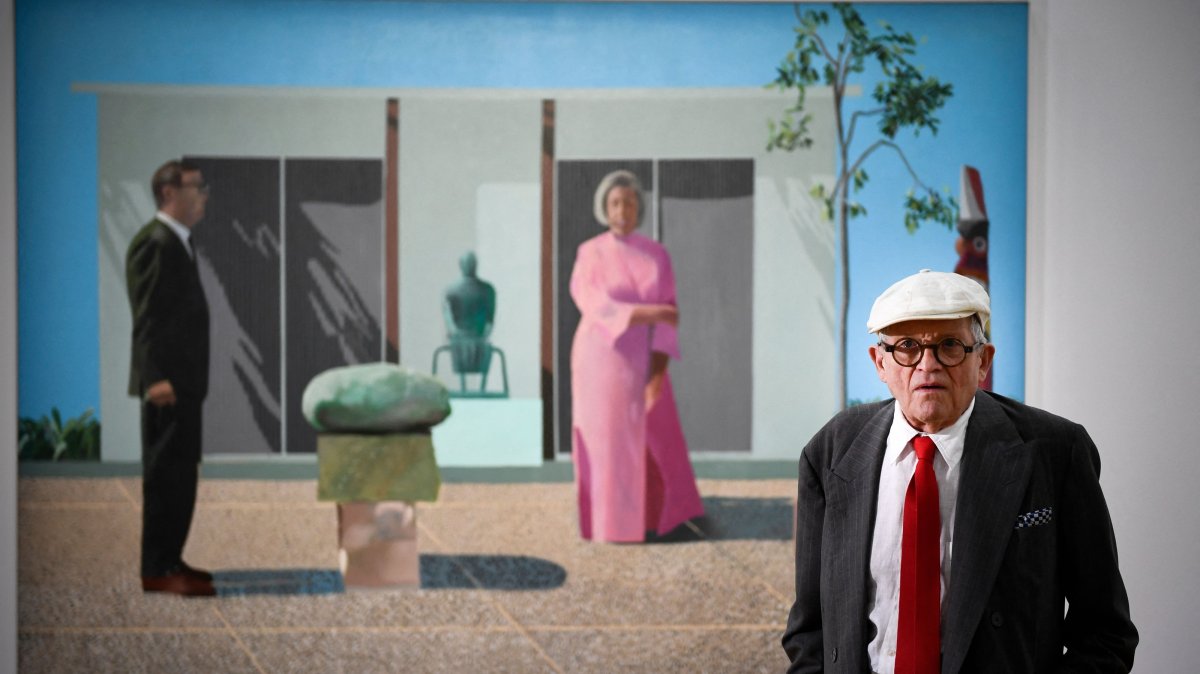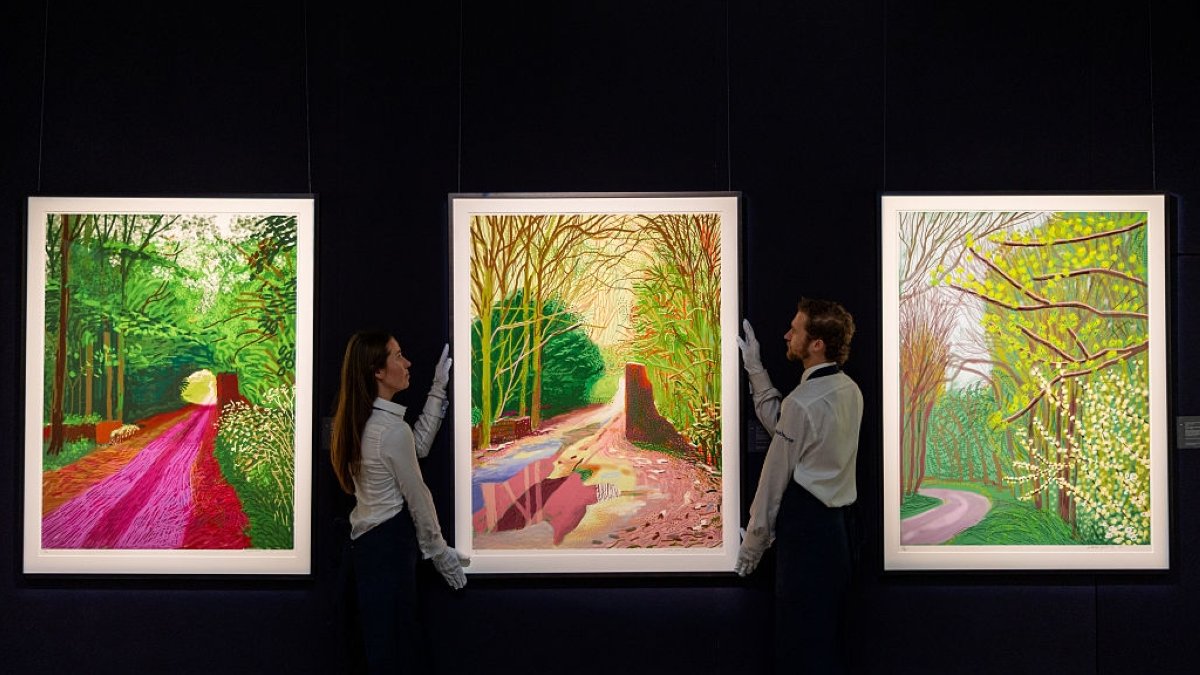
Some artists merely earn a place in art history. Others become part of our visual memory. David Hockney belongs to the latter category. Show one of his famous swimming pool paintings to almost anyone today, and chances are they will feel they have seen it before. Perhaps in a museum, perhaps in a book, perhaps in one of the countless images that have circulated through the digital world for years. Hockney’s universe has quietly embedded itself into our collective visual culture.
That bright California light, those geometric surfaces, those swimming pools that appear motionless yet somehow carry an unmistakable emotional charge. Hockney’s paintings have become part not only of art history but also of the way we see. And perhaps this is precisely where his appeal begins: His works feel deeply familiar, yet explaining why they feel so familiar is never easy.
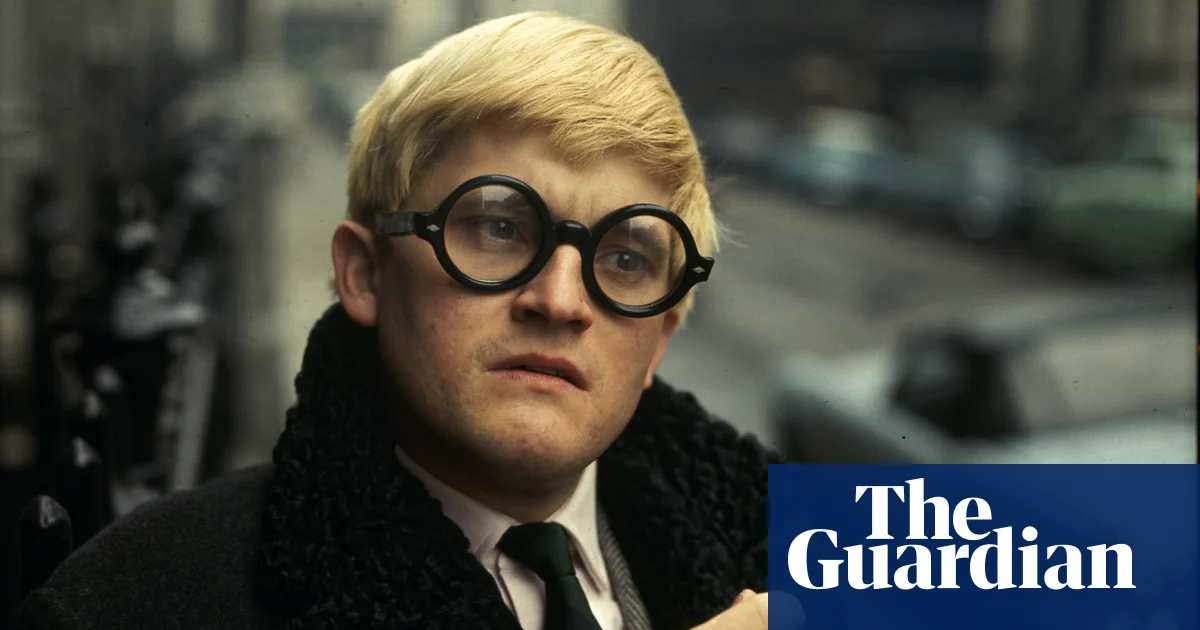
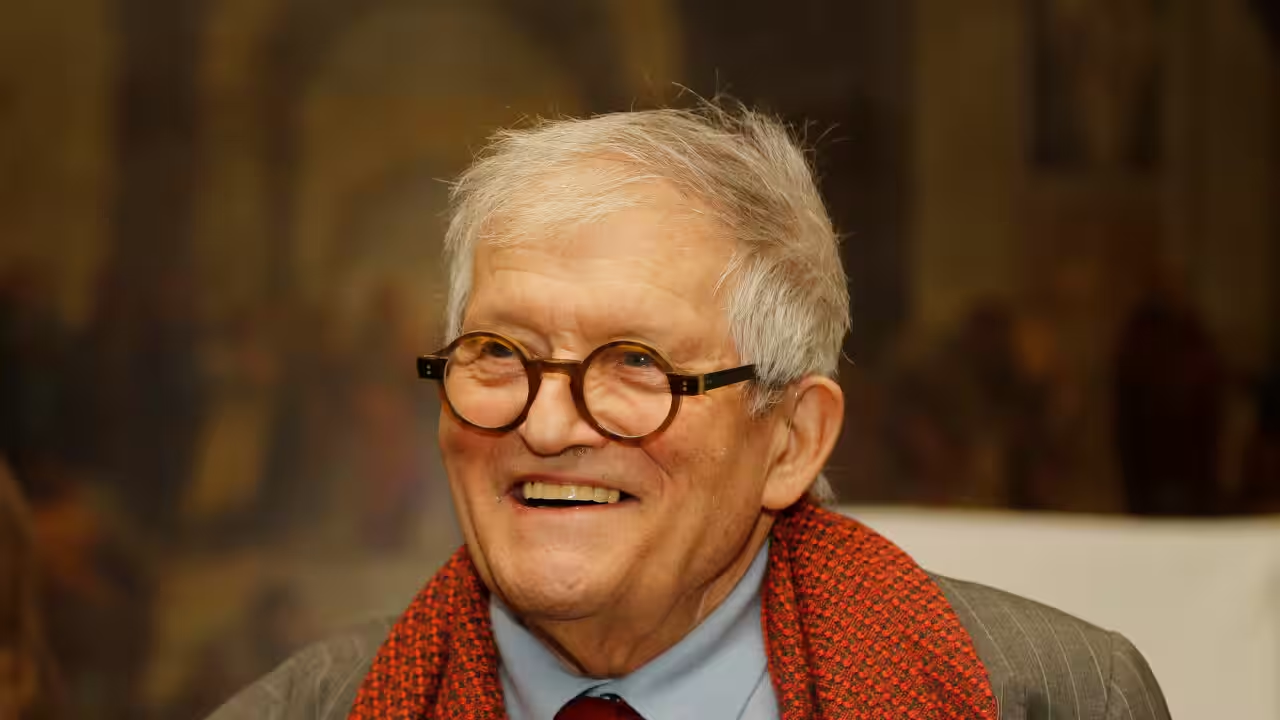
David Hockney was born in Bradford, U.K., in 1937. He grew up in a modest working-class family. His father was an accountant and also a committed pacifist whose anti-war beliefs gave him a particularly distinct worldview. Growing up in an environment where thinking differently was considered perfectly normal would later shape Hockney’s relationship with art. After all, he was never simply a painter. He became an artist almost obsessed with understanding how seeing itself works.