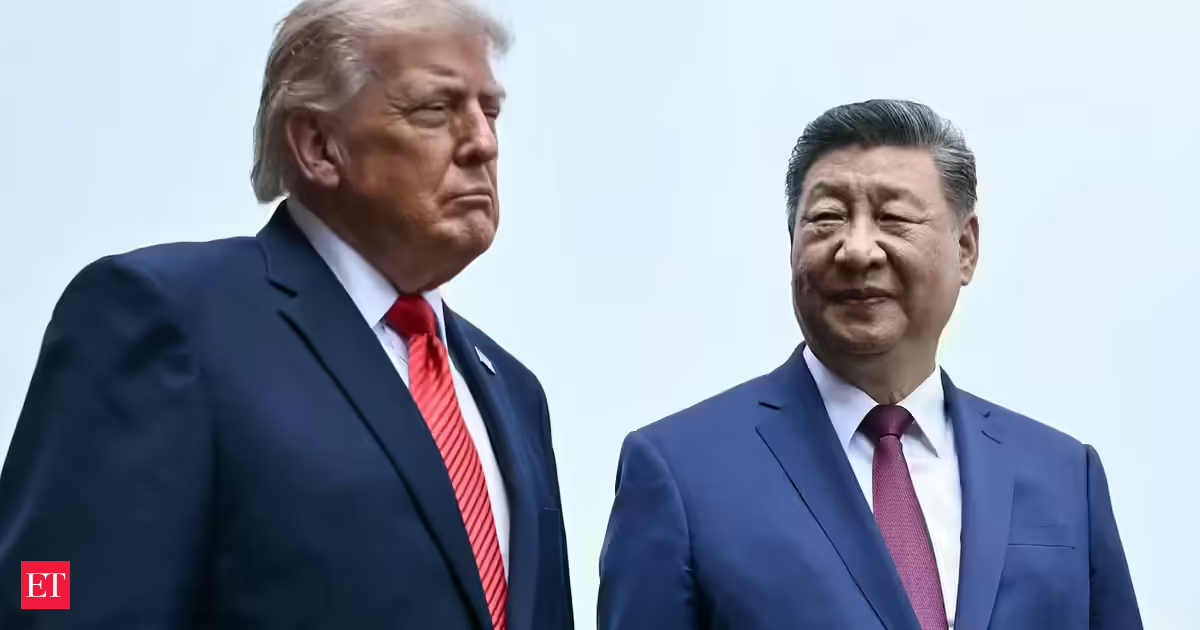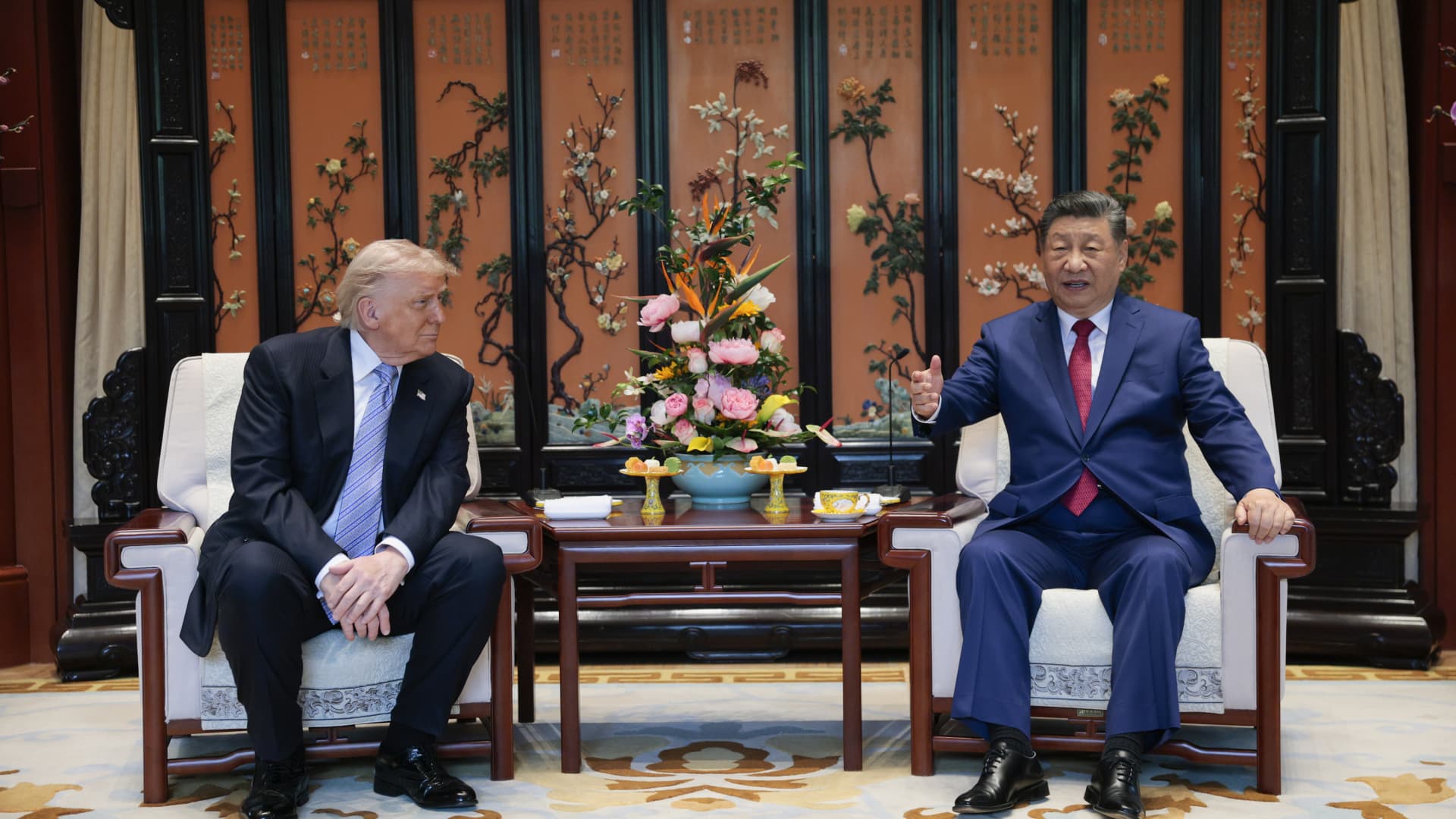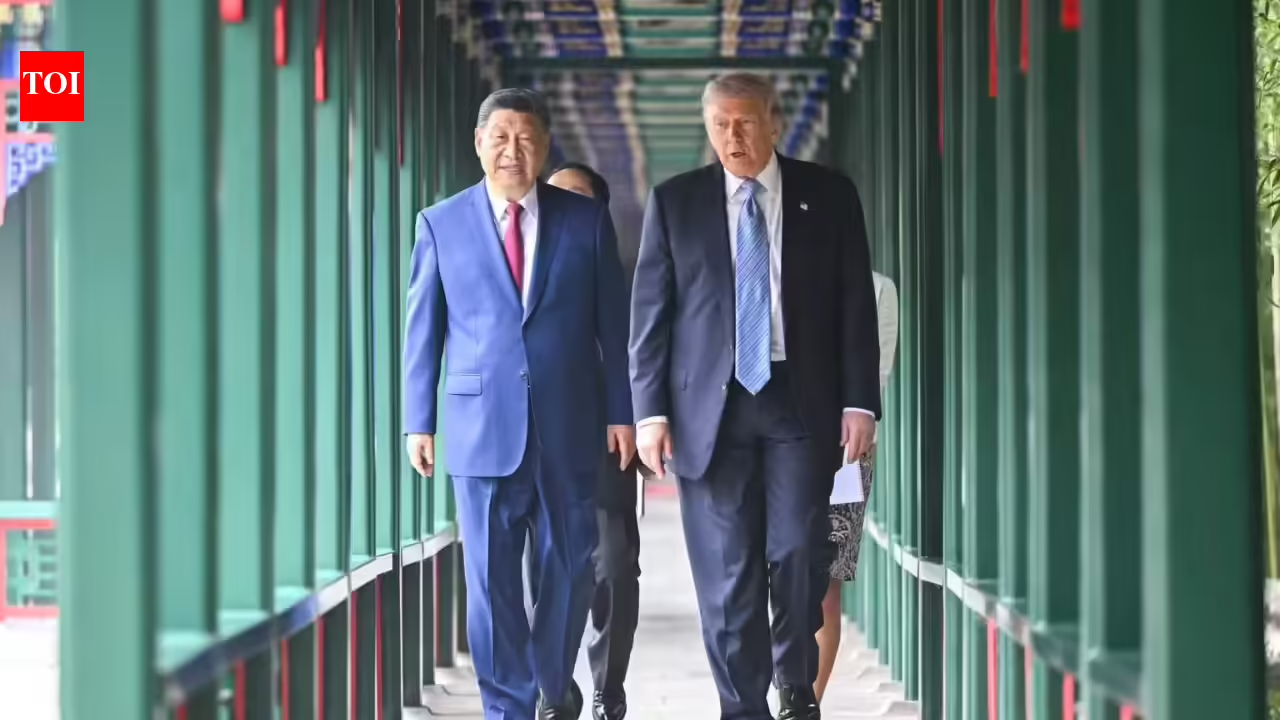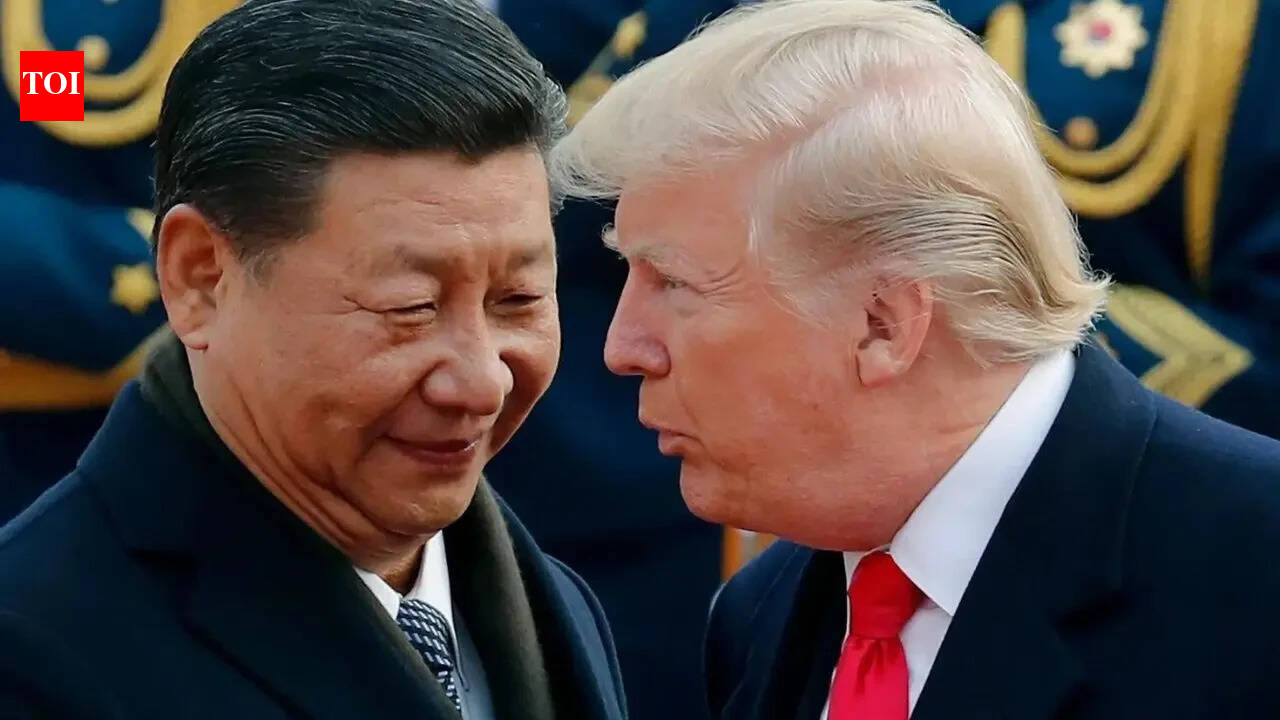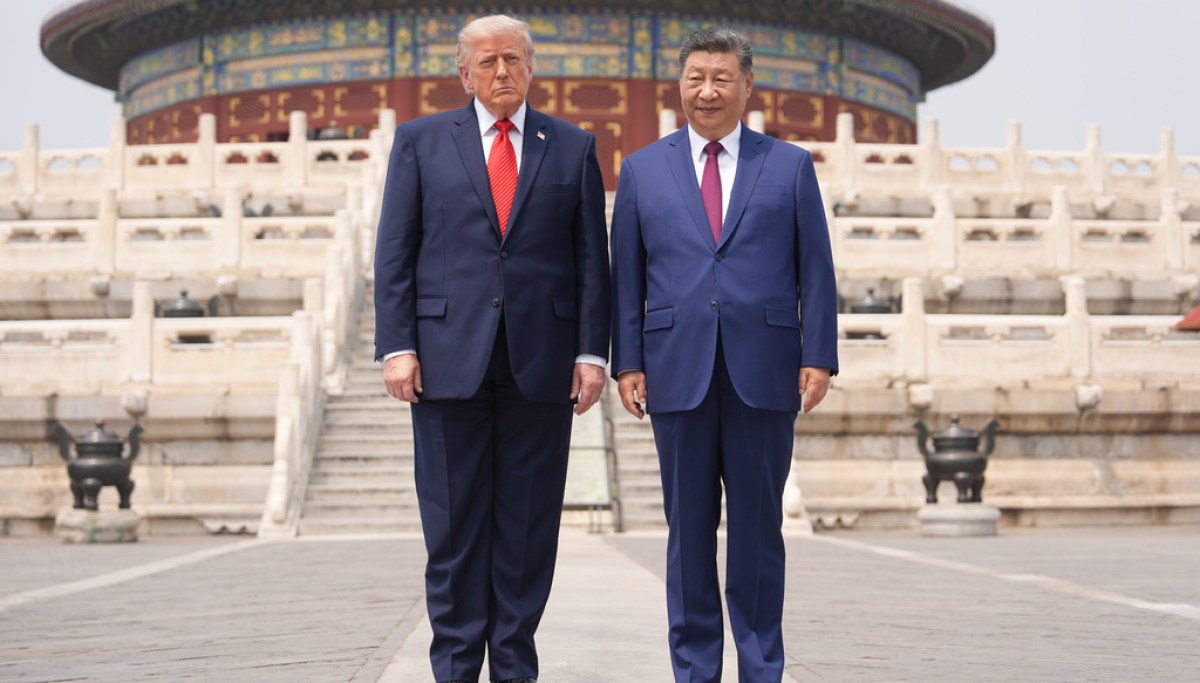
Chinese leader Xi Jinping is slated to come to the United States in September to meet with President Donald Trump at the White House. Trump extended the invitation after meeting with Xi in Beijing: apparently, both leaders believe the previous meeting was successful enough to merit continued discussion. While media attention is often high during the actual summit, the most consequential work of diplomacy is happening right now and in the months leading up to September. This window is critical, not only for trade negotiations and economic priorities, but also for the family members of political prisoners across China wanting to be reunited with their family members.Prior to his travels to Beijing, Trump stated his intentions to raise the cases of political prisoners with Xi. And encouragingly, Trump raised by name the cases of famed Hong Kong pro-democracy advocate and billionaire Jimmy Lai, Chinese Christian Pastor Ezra Jin Mingri, and at least one other detained American citizen. While no political prisoners came home on Air Force One, the president reiterated his commitment to securing the release of political prisoners, including Pastor Jin, upon his return from Beijing.
Congress made clear during the leader-level summit that securing the release of political prisoners was a shared, bipartisan priority. Both the House and Senate passed resolutions calling for the release of high-priority political prisoners, including Lai, Pastor Jin, Uyghur doctor Gulshan Abbas, Pastor Gao Quanfu and his wife Pang Yu, and the Senate resolution included Uyghur tech expert Ekpar Asat. Congress’s unanimous vote in support of the president securing the release of political prisoners during the summit reflects the desire of the American people to see those unjustly detained across China freed.