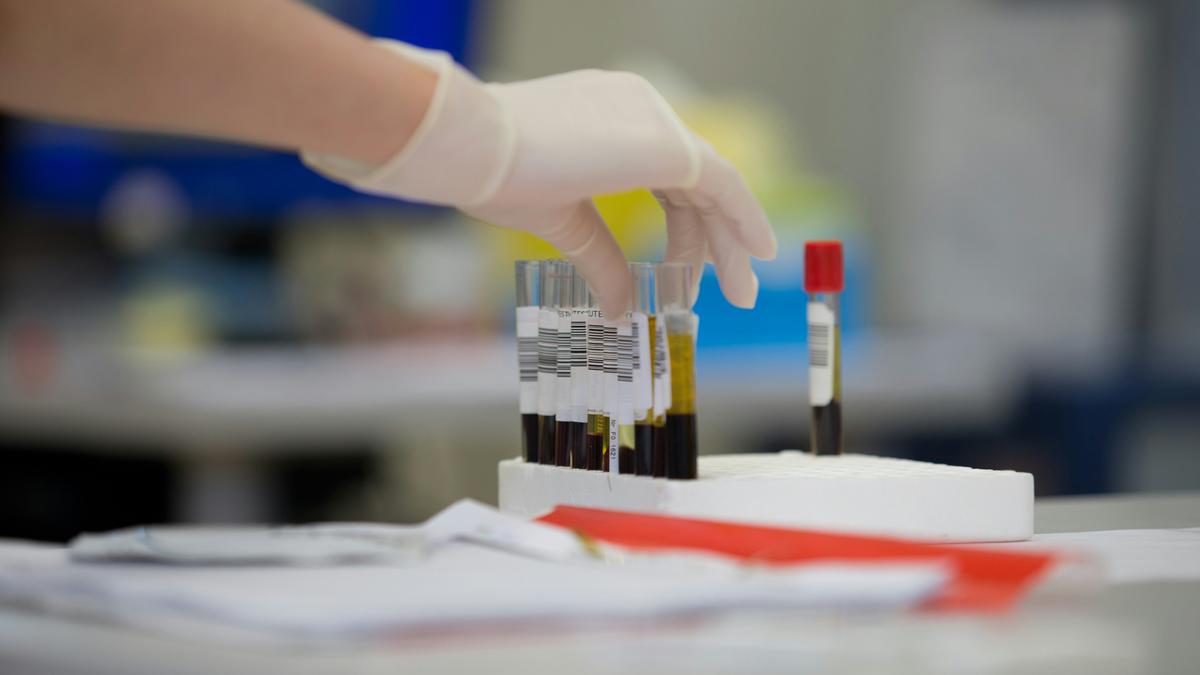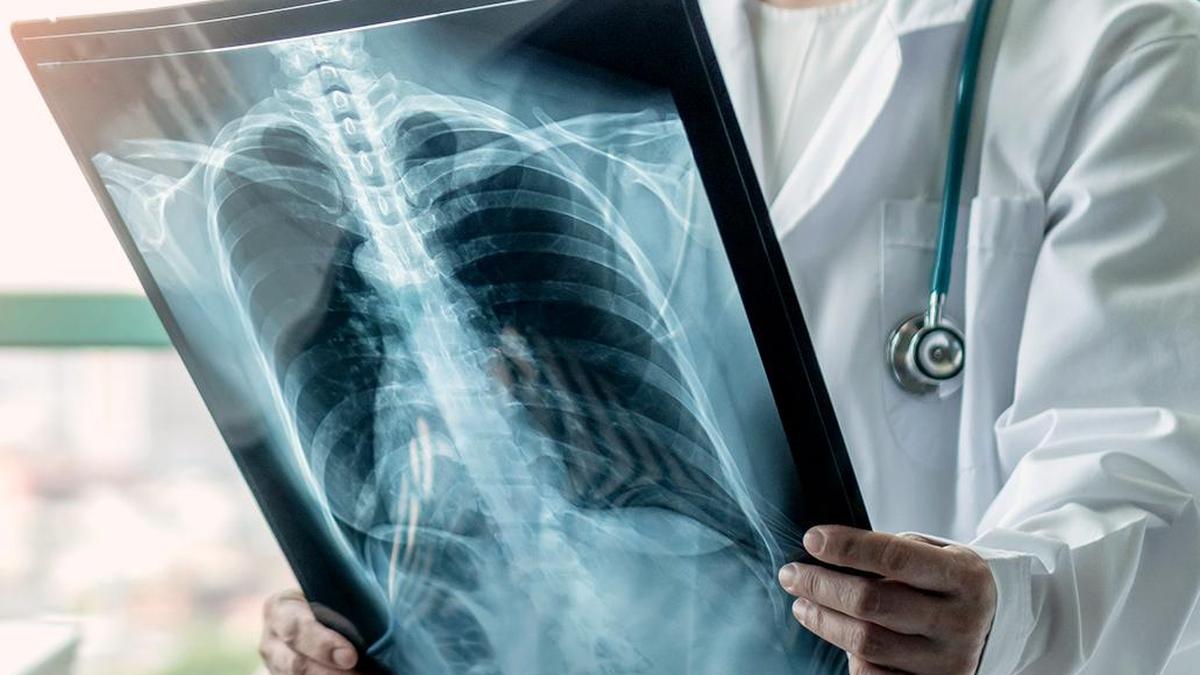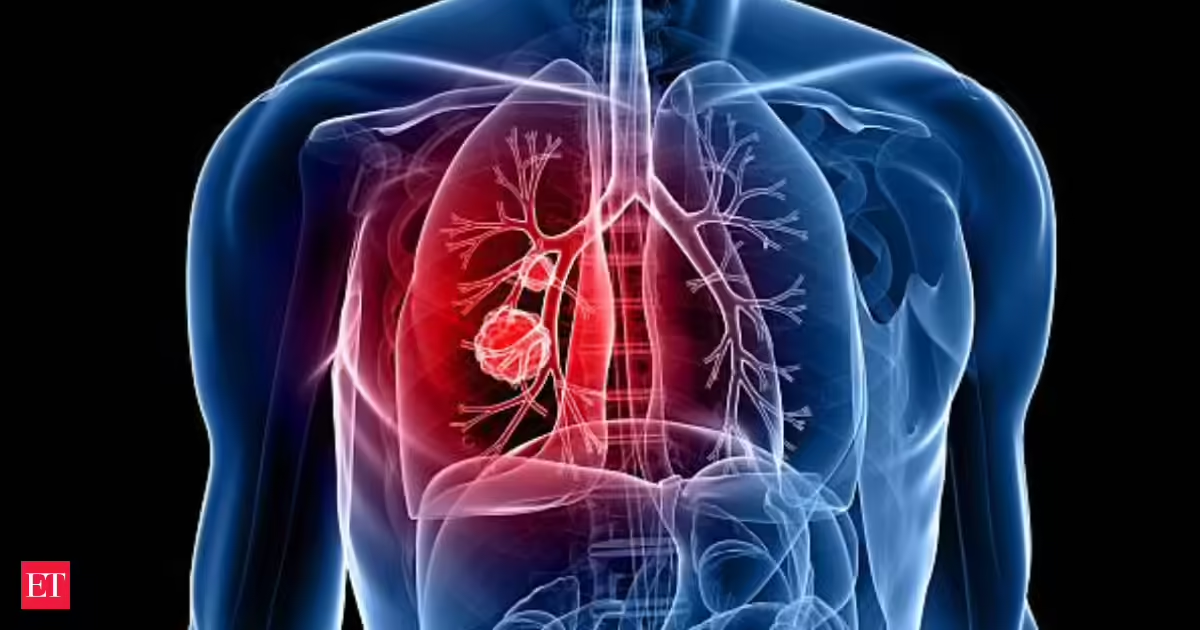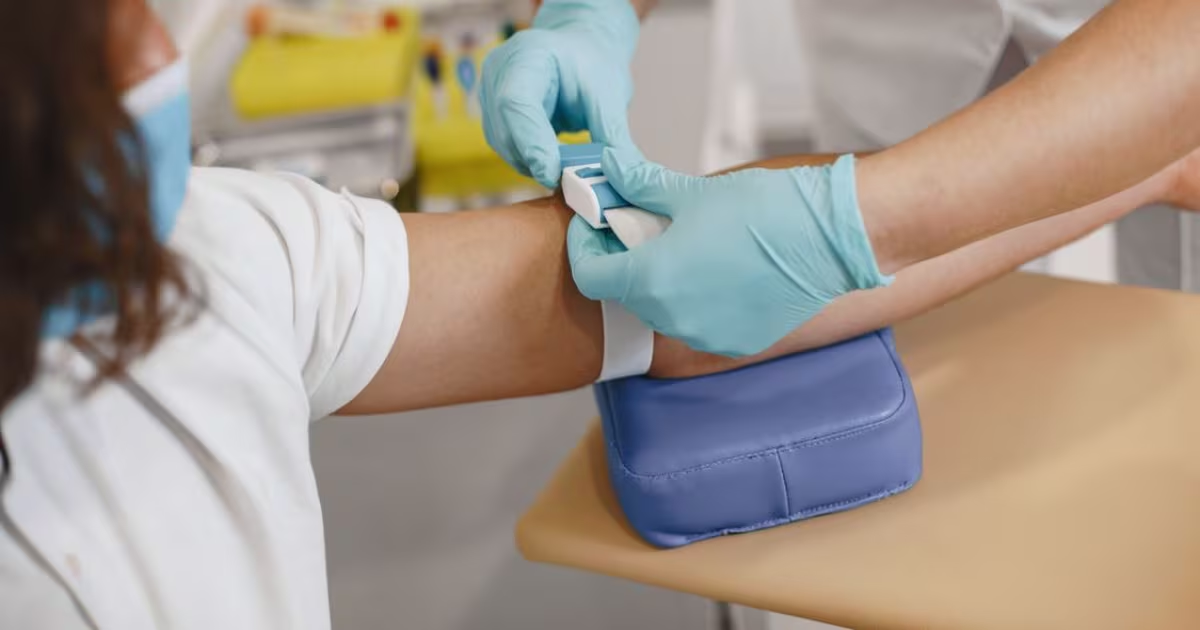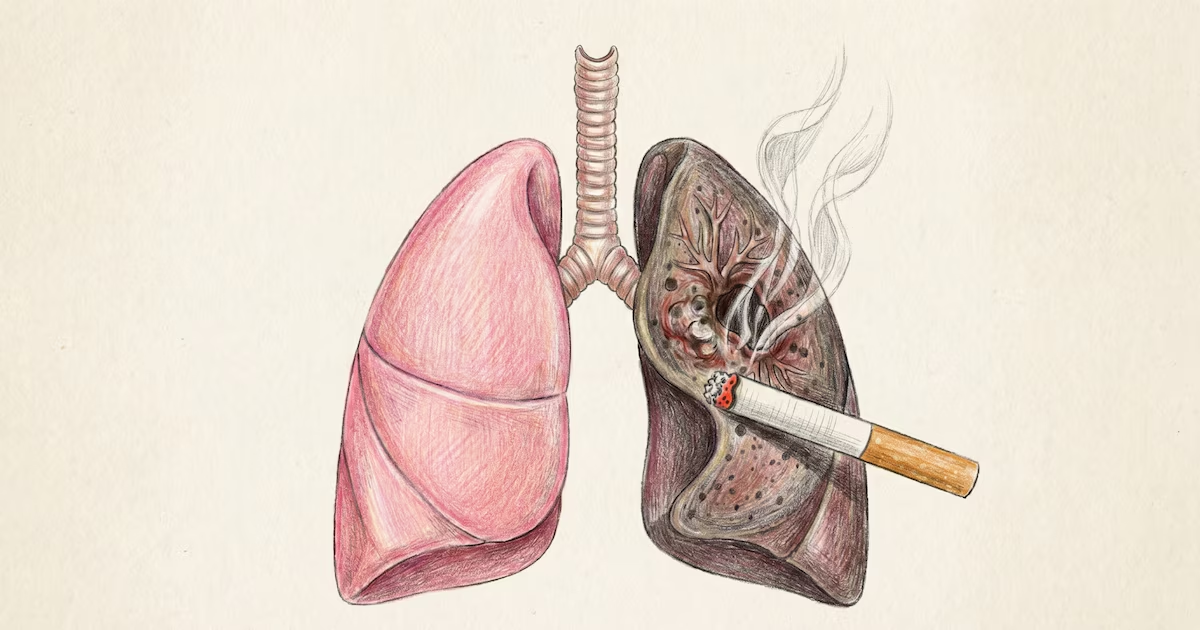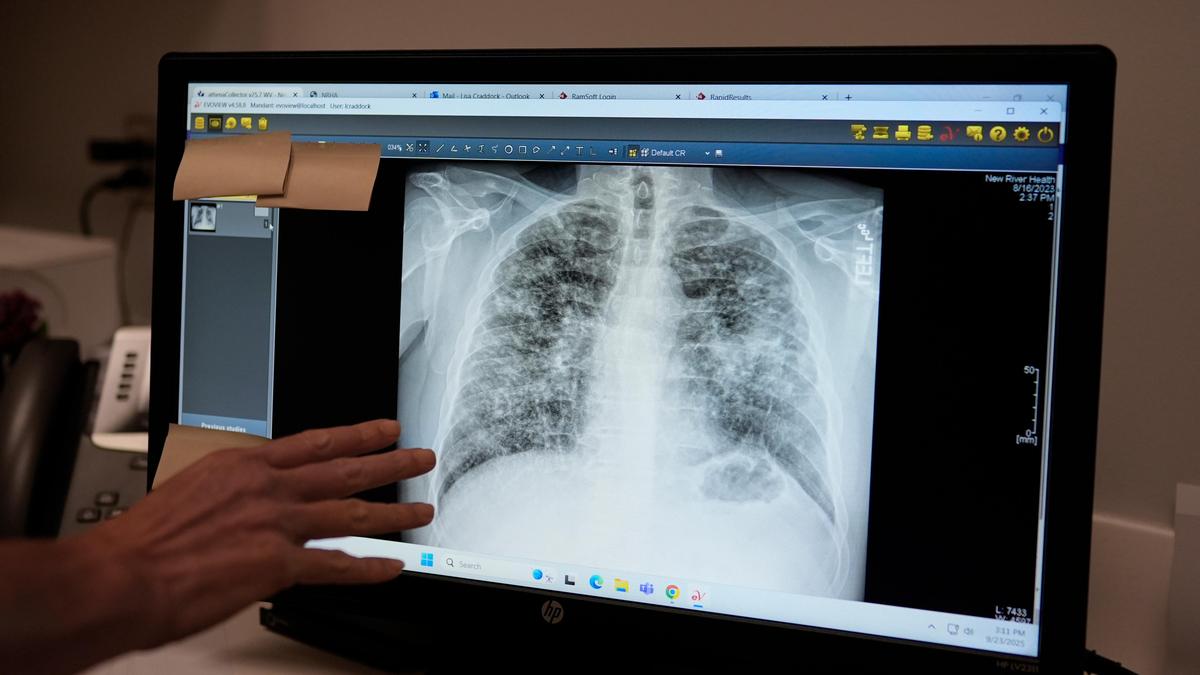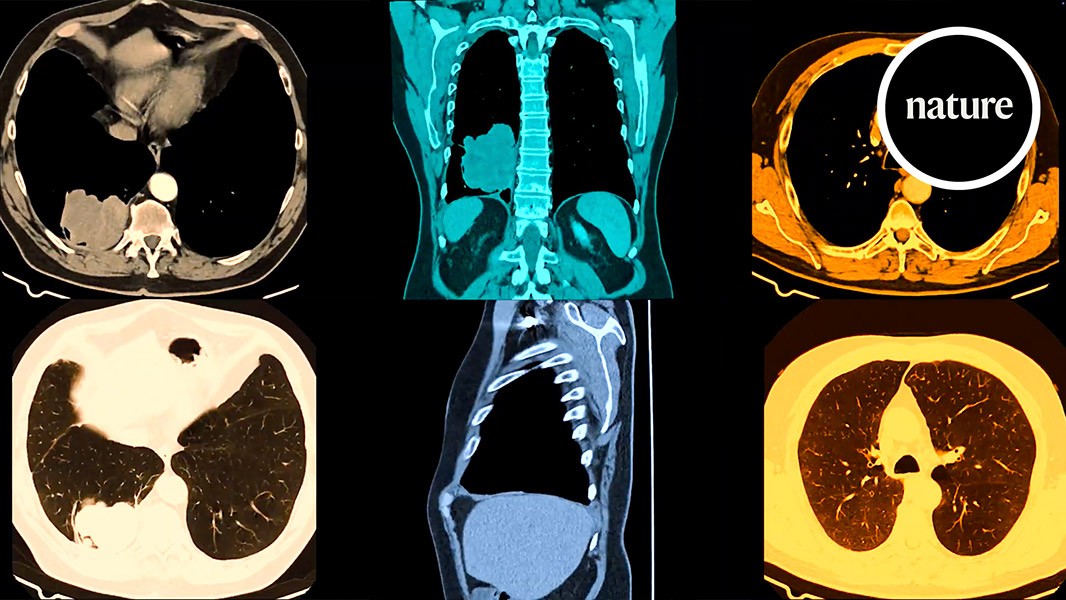
Although cancer treatments are improving fast, prevention has so far been mostly about promoting a healthy lifestyle. But efforts to find preventive drugs and vaccines are starting to bear fruit. New research shows that existing anti-inflammatory drugs hold promise for preventing lung cancer.Despite dramatic declines in smoking, lung cancer is the most common cancer diagnosis globally. (Unsplash)Despite dramatic declines in smoking, lung cancer is the most common cancer diagnosis globally. Smokers who quit face less danger but remain at higher lifetime risk than those who never smoked. People exposed at length to high levels of air pollution, for instance around busy roads in London, are at higher risk too.Now, an international team of 80 scientists has identified a molecular signature that can predict a risk of lung cancer years before patients receive a diagnosis. The group examined blood samples from nearly 50,000 people in the UK Biobank, a repository of data, samples and scans taken periodically from the same cohort of people. They used machine learning to analyse thousands of proteins in the samples and found 14 whose levels increased five years or more before a lung cancer diagnosis.The team then confirmed that this 14-protein “signature” was predictive of lung cancer in eight other data sets from around the world, including a Taiwanese one in which few participants were smokers. The results were published in Cell on June 4th.In lab experiments on mice and cells, the scientists found that the 14 proteins were present in larger quantities when an inflammatory pathway that is linked to lung cancer was activated. This pathway was identified in 2023 by a team led by Charlie Swanton, a researcher at the Francis Crick Institute in London and co-author of the new paper. The group showed that air pollution triggers the release of a signalling molecule called interleukin-1 beta (IL-1ß). When IL-1ß reaches lung cells that carry dormant cancer-causing mutations, it activates those mutations. The cells proliferate and grow into a tumour.Remarkably, Dr Swanton found that blocking IL-1ß in mice exposed to air pollution stopped tumours forming, offering the promise of preventive drugs. The new research provides the foundations for a blood test that could identify who will benefit from such treatments.Drugs that block IL-1ß in humans already exist. They are used to treat certain auto-inflammatory conditions, such as some forms of arthritis. As part of the new study, Dr Swanton’s team analysed data on cancer incidence among people treated with these drugs. In 2017 Novartis, a pharmaceutical company, reported the results from a big trial of canakinumab, an IL-1ß blocker, as a preventive therapy for heart attacks. The drug was ineffective against heart attacks, but as part of the safety checks of the trial, Novartis collected data on cancer incidence among participants.The group treated with canakinumab ended up with lower rates of lung cancer than the placebo group. The effect was modest though. Dr Swanton’s team reanalysed the trial data using the 14-protein signature. In people with lower amounts of the 14 proteins, more than 1,500 would need to be treated to prevent one lung cancer. But in those with larger amounts of the proteins, canakinumab nearly halved the risk. In this group, treating 55 people prevented one case of disease. Cholesterol-lowering drugs known as statins, which are widely prescribed to prevent heart attacks, have a similar prevention rate.The next step is to develop a commercial test for detecting the 14-protein signature. The team is also investigating whether other anti-inflammatory drugs could be similarly effective.Fresh UK Biobank data is expected in the next two years. It could provide similar clues about other types of cancer. A long-running trial in England, for example, has shown that aspirin prevents some colorectal cancers in people with Lynch syndrome, a genetic condition that makes people highly predisposed to certain cancers. Cancer prevention may finally get the level of scientific attention devoted to finding new treatments.
New techniques can predict and prevent lung cancer
A molecular signature can identify those most at risk
646 words~3 min read