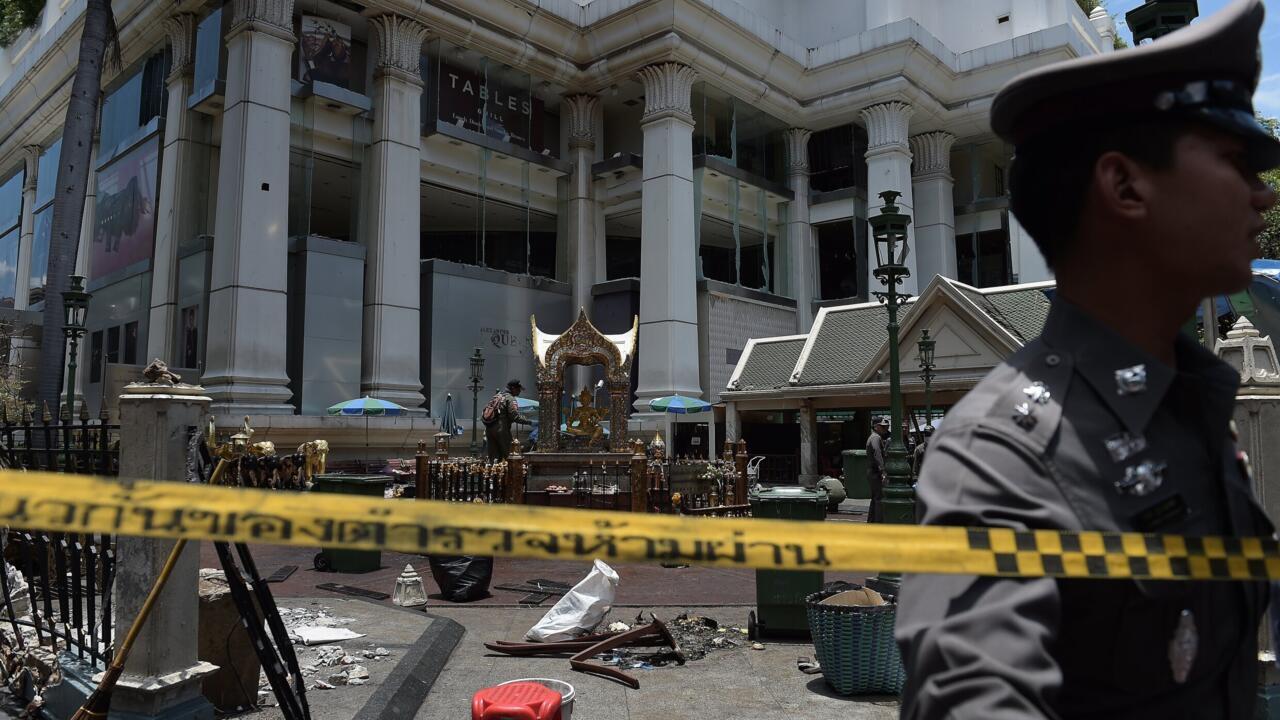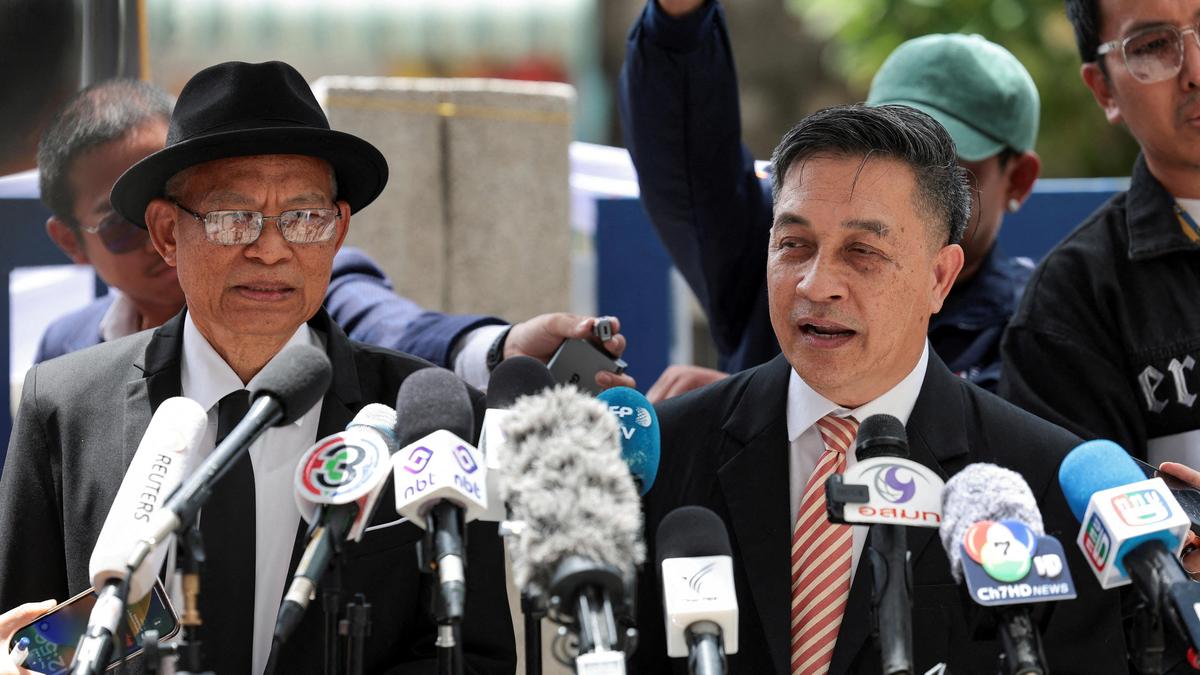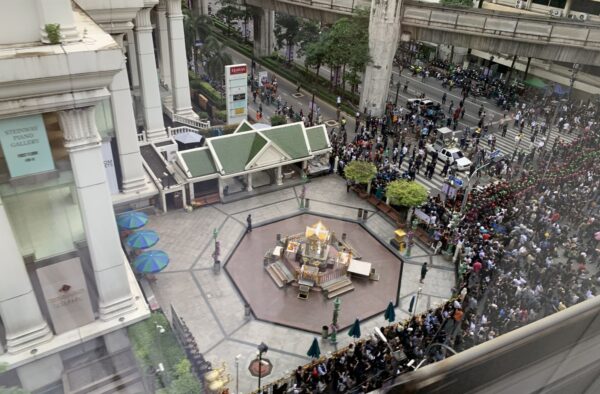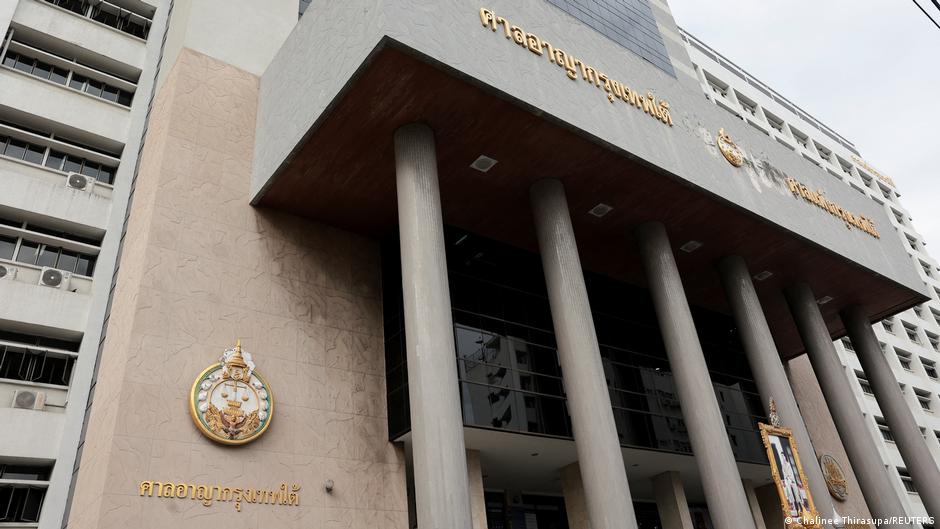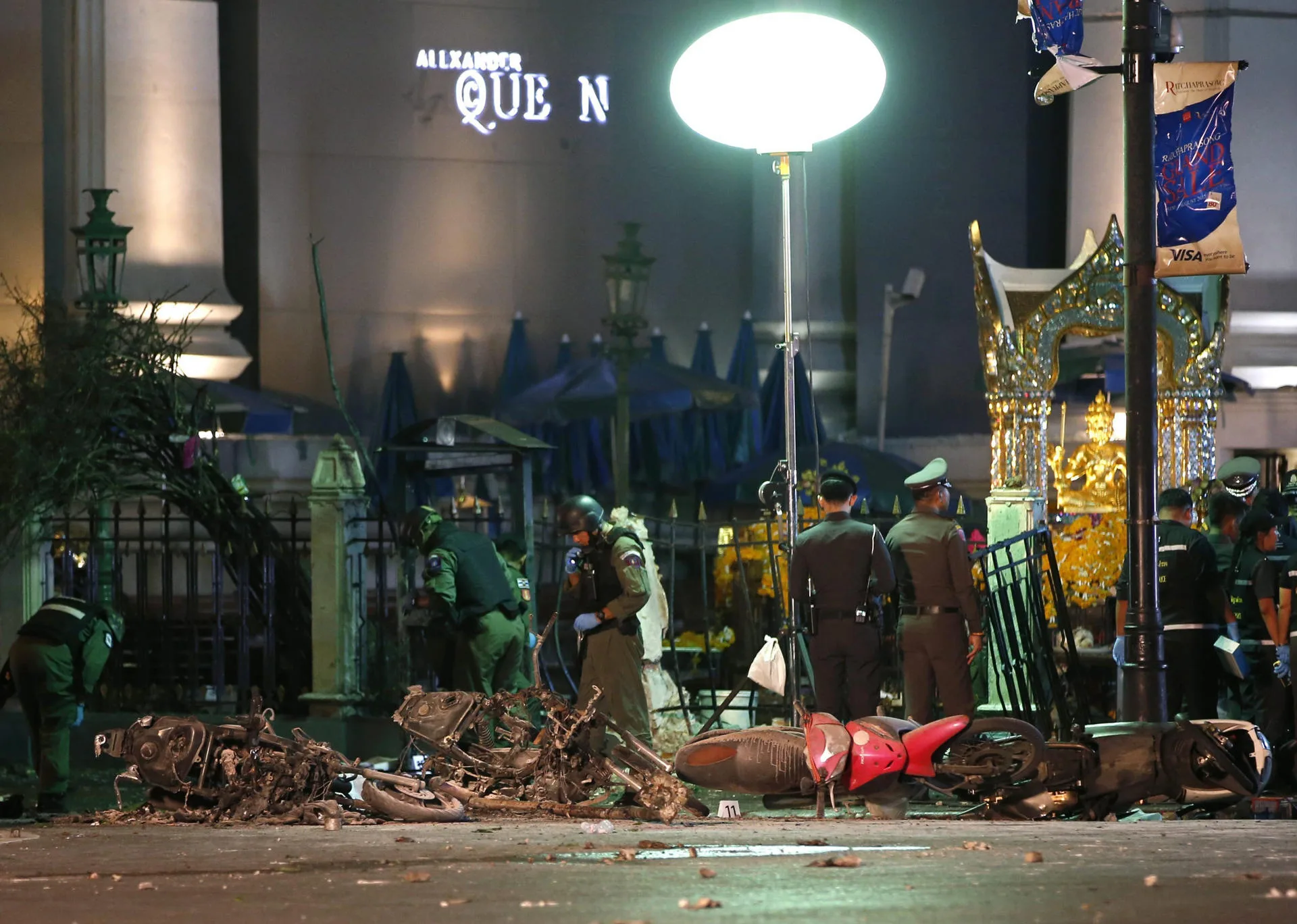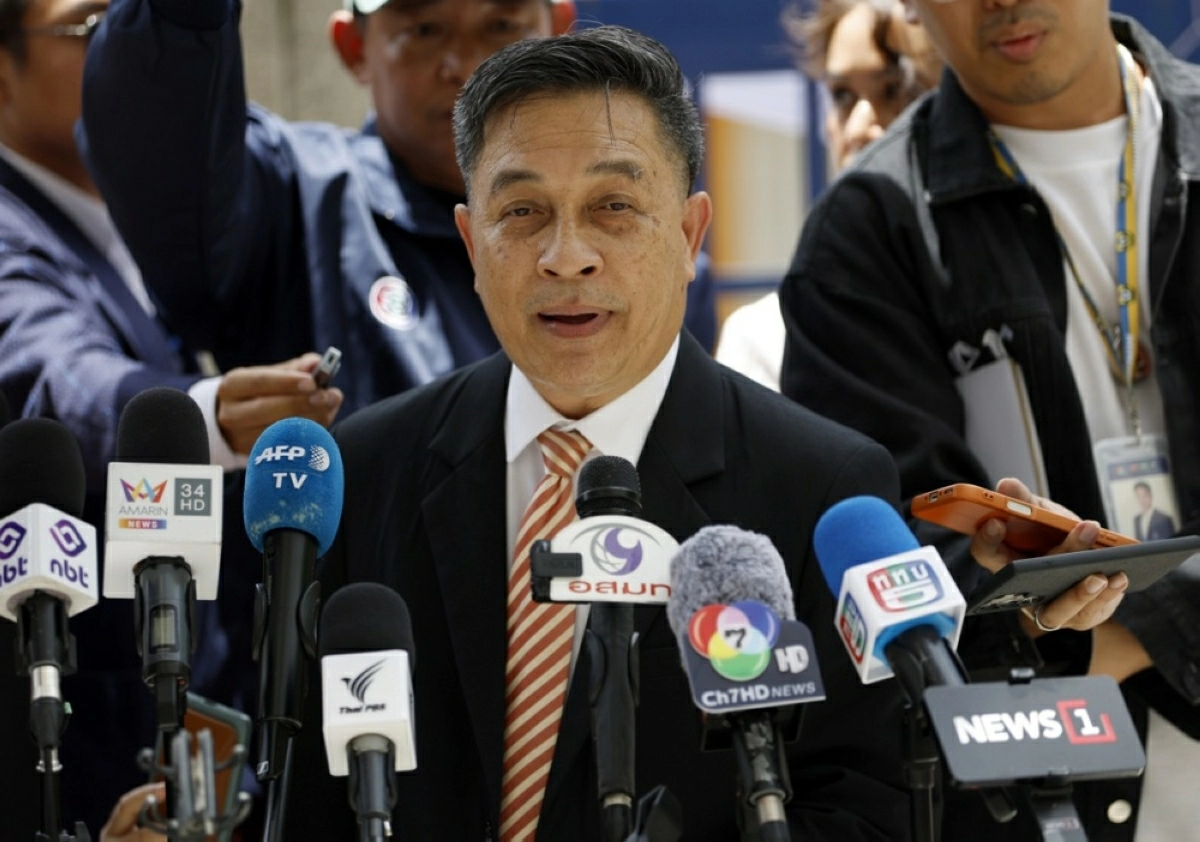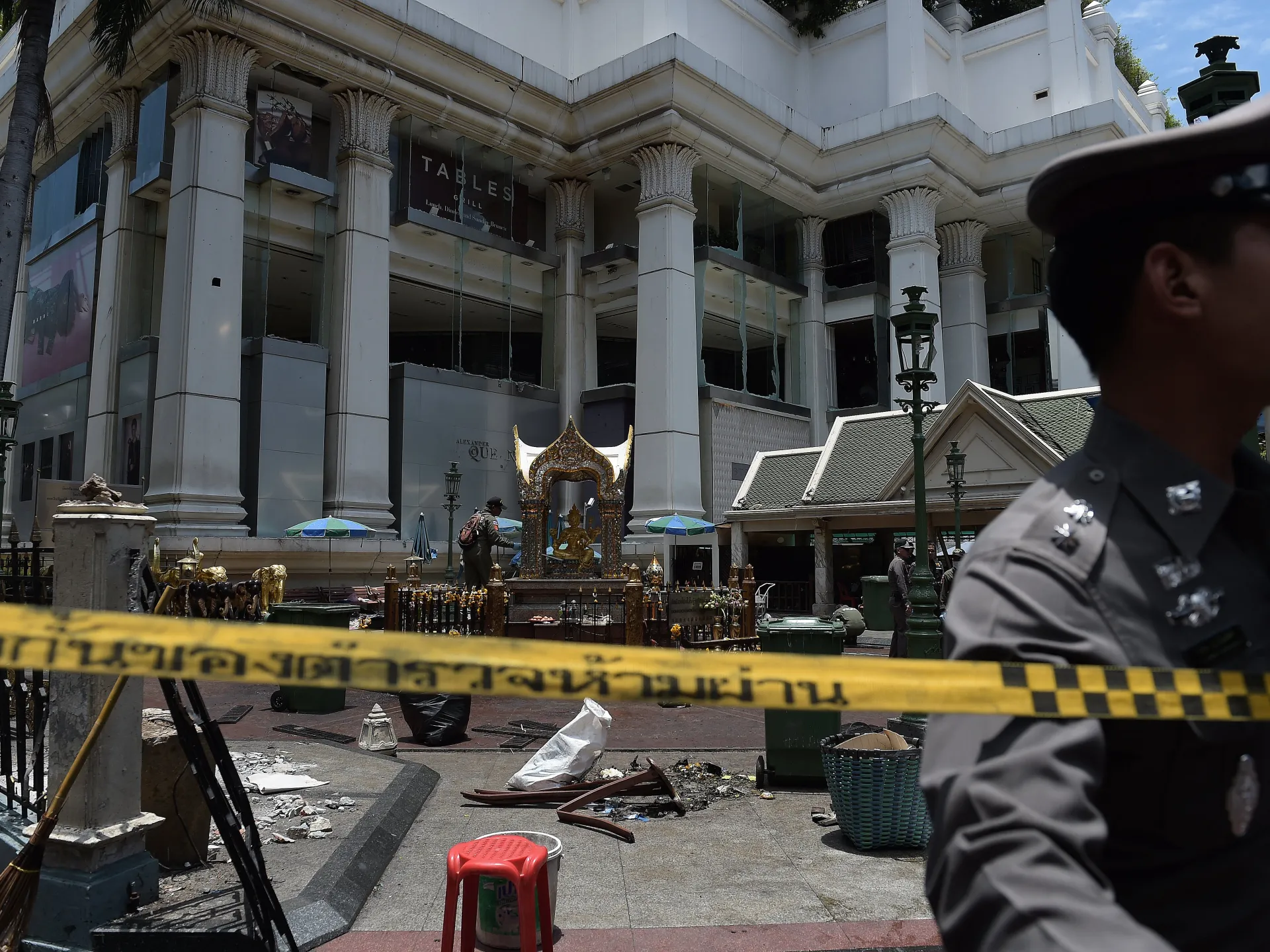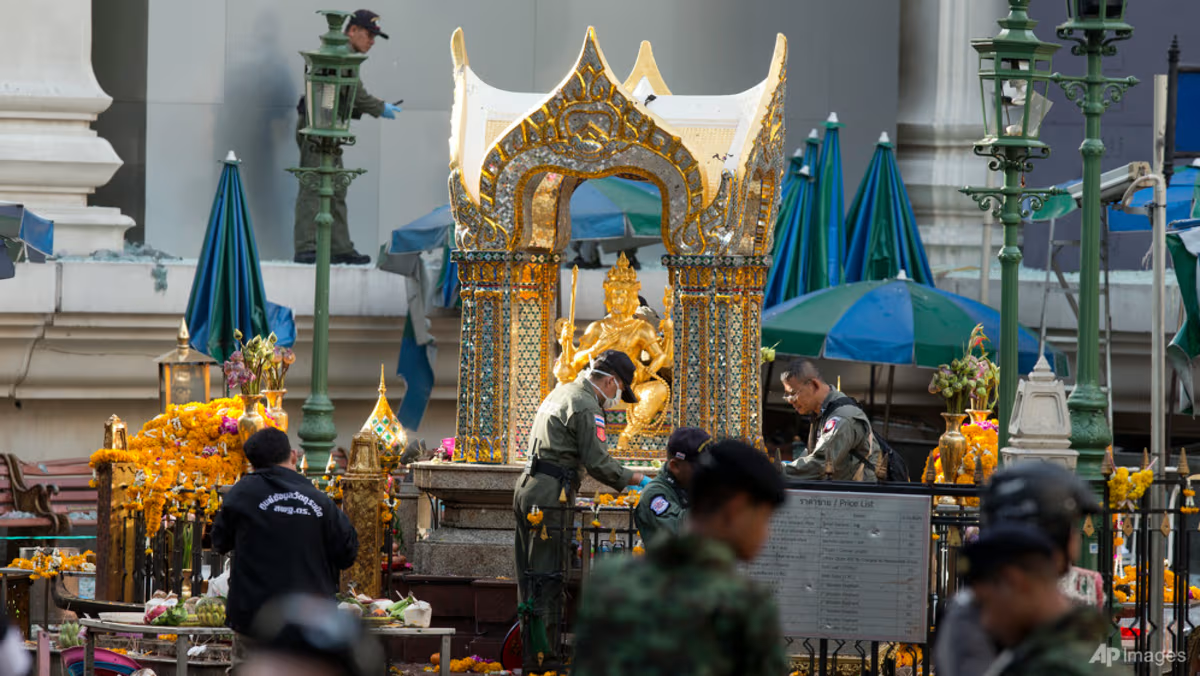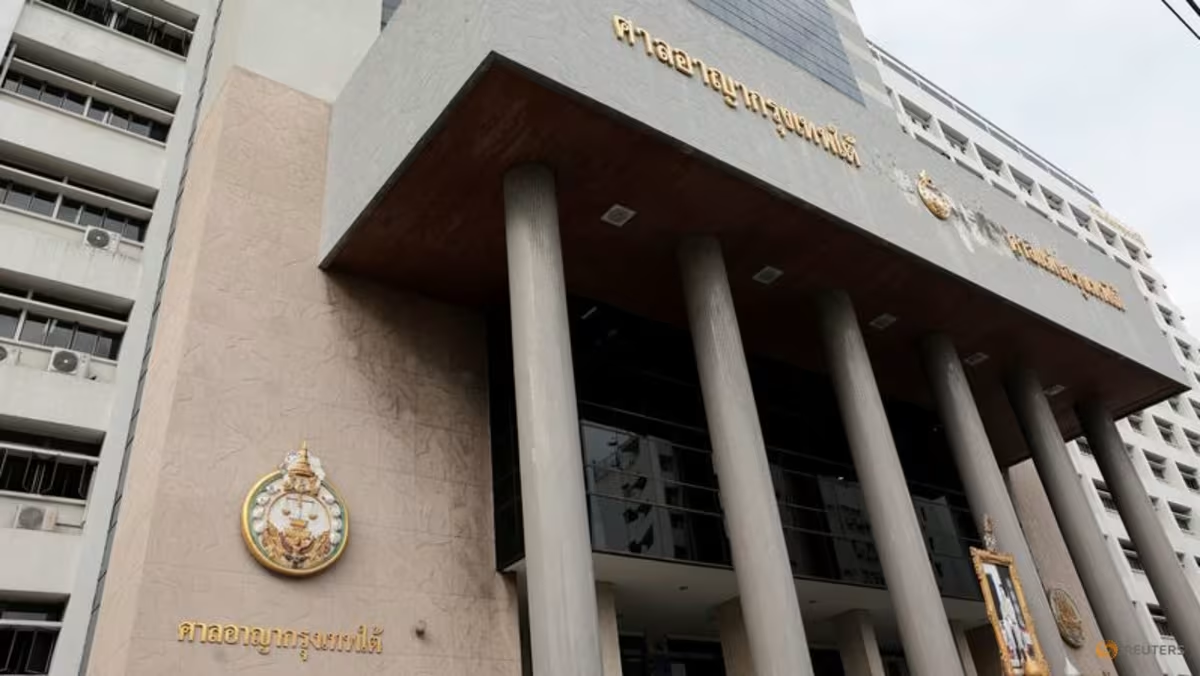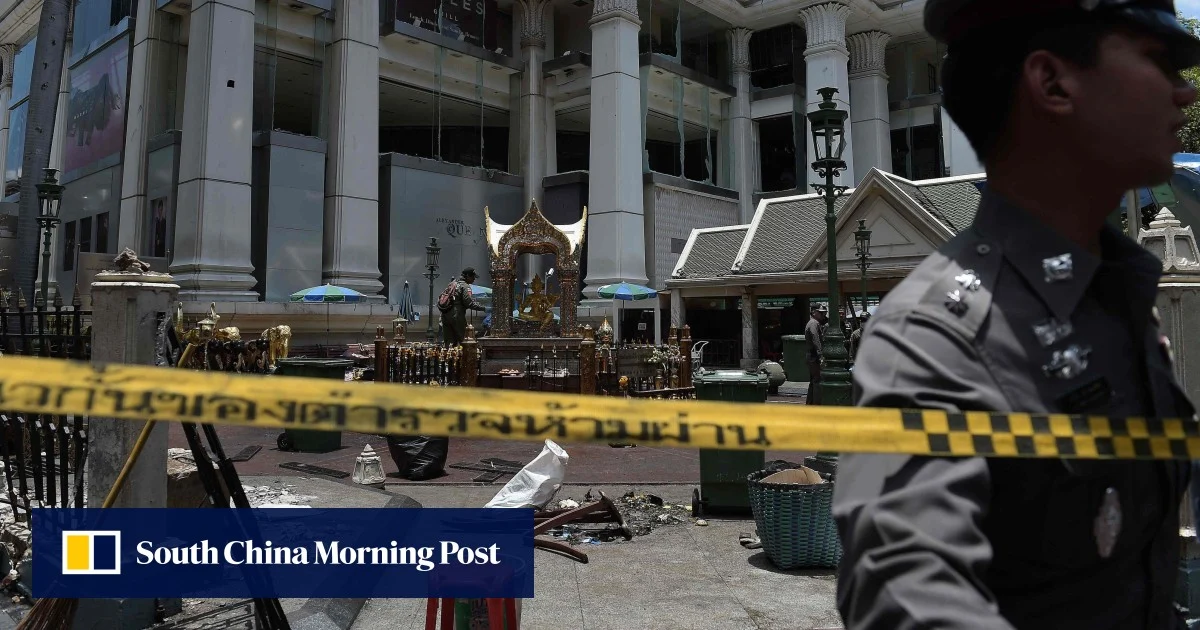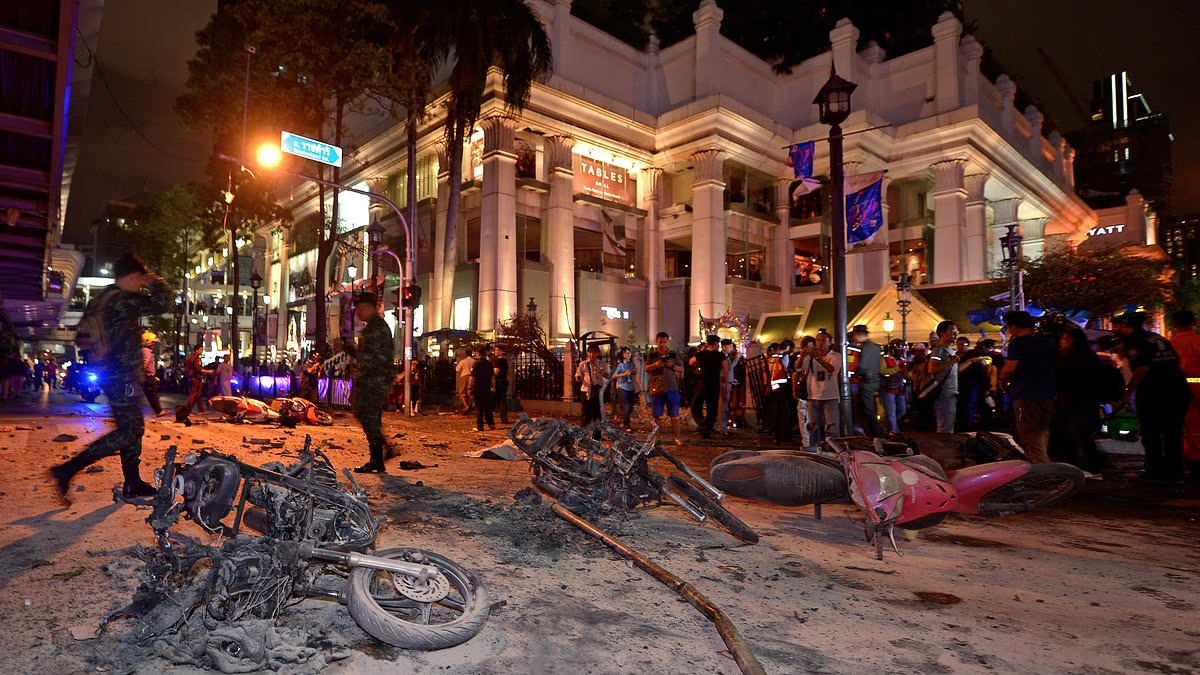
A Chinese duo has been sentenced to death over the Bangkok shrine bombing that killed a British law student and 19 other people in Thailand's deadliest terror attack.Vivian Chan Wing-Yan, 19, who was born in Hong Kong and studying law in London, was among the victims when a powerful bomb ripped through the Erawan Shrine in the Thai capital in August 2015. The teenager, a former pupil at Harrow International School Hong Kong, had been holidaying in Thailand with her friend Arcadia Pang Wan-Chee, 24, when the blast tore through the popular tourist attraction.Miss Chan had recently begun a law degree at the School of Oriental and African Studies (SOAS) in London and was also known for her food blog, which attracted thousands of followers online.Tributes poured in after her death, with friends describing her as 'cheerful and kind', while her former school said she had been a 'tremendous role model' who would be 'sorely missed'.On Thursday, a Thai court sentenced two Chinese Uyghur men to death for carrying out the attack, which killed 20 people and injured more than 100 others.Thailand still carries out executions by lethal injection, though death sentences are infrequently enforced.The court convicted Yusufu Mieraili and Bilal Mohammed of premeditated and attempted murder for their role in planting a bomb at the popular Erawan Shrine.The deadly blast tore apart the site where worshippers and tourists had gathered, injuring more than 100 people and leaving the shrine littered with motorbike fragments and singed debris. Vivian Chan Wing-Yan, 19, who was born in Hong Kong and studying law in London, was among the victims when a powerful bomb ripped through the Erawan Shrine in the Thai capital in August 2015 Thai soldiers inspect the scene after a bomb exploded at the Erawan Shrine in central Bangkok on August 17, 2015 Suspects in the 2015 Erawan shrine bombing Bilal Mohammed (C) and Yusufu Mieraili (back R) arrive at a military court in Bangkok on February 16, 2016Multiple Chinese tourists were among the dead when explosives - apparently left in a backpack - detonated.'The defendants committed a single act that violated multiple laws. The court therefore imposed the harshest penalty available under the law, the death sentence,' one member of the four-judge panel said Thursday as the lengthy verdict was read out.The defendants - both Chinese nationals who arrived in court in prison garb - were acquitted of charges stemming from a separate bombing at a pier in Bangkok's Charoen Nakhon area.Following the verdict, Mieraili said: 'RIP Thailand's justice system. I don't accept any of this. I didn't do anything wrong.'Choochat Kanpai, the defendants' lawyer, told reporters the defendants 'will appeal the ruling because there are many aspects of the case that the court has not fully considered, including the treatment of the defendants during the proceedings'.The decade-long trial over the horrific attack was beset by delays due to coronavirus disruptions and problems securing translators.The blast came weeks after Thailand's then-ruling junta forcibly repatriated 109 Uyghurs to China, where rights groups say the Muslim minority face cultural and religious repression.The timing prompted speculation that the attack was part of a revenge plot against a country that had been a key transit hub for Uyghurs as Thailand's then-military leaders grew closer to Beijing.Shortly after the bombing, police named 17 suspects, but only Mieraili and Mohammed were initially apprehended. The teenager, a former pupil at Harrow International School Hong Kong, had been holidaying in Thailand with her friend Arcadia Pang Wan-Chee, 24, when the blast tore through the popular tourist attraction A CCTV image shows the main Thai bombing suspect (R, in yellow shirt, circled by Thai Police) on the back of a motorbike, riding away from Erawan shrine just two minutes after a bomb was detonated Experts investigate the Erawan shrine at the site of a deadly blast in central Bangkok, Thailand, August 18, 2015 Motorcycles lie on the street at the scene of a bomb attack near Erawan Shrine, central Bangkok, ThailandThailand's junta authorities were criticised for a murky investigation that appeared to wind down shortly after the arrest of the two men.They went on trial in 2016, accused of planting the explosives.But the proceedings - which have involved hundreds of witness testimonies - have been delayed multiple times, once because the translator for the accused was hit with drugs charges.In 2017 a Thai woman called Wanna Suansan was detained on arrival in Bangkok on a warrant linked to the shrine blast - making her the third named suspect arrested by police.She was charged with attempted murder, associated murder and possession of bombs and weapons, but was acquitted in 2024.Uyghurs, a Turkic minority, hail from China's westernmost province, Xinjiang.Beijing is accused of widespread human rights abuses in the region, including the incarceration of around one million Uyghurs and other Muslim minorities. It denies the allegations.Thailand deported dozens of Uyghurs to China in February 2025 despite warnings from human rights groups that they would face persecution on their return, drawing swift condemnation from the United Nations.Erawan Shrine remains a popular draw for Chinese tourists to the kingdom's capital, but none AFP spoke to ahead of the verdict said they knew about the case.A Chinese man who said he came to the shrine 'every year' declined to answer when asked about the 2015 bombing.'It's nice to come here to pray,' he said before walking away.
Chinese duo will be executed for killing 20 in Bangkok shrine bombing
Vivian Chan Wing-Yan, 19, was among the victims when a powerful bomb ripped through the Erawan Shrine in the Thai capital in August 2015.
893 words~4 min read