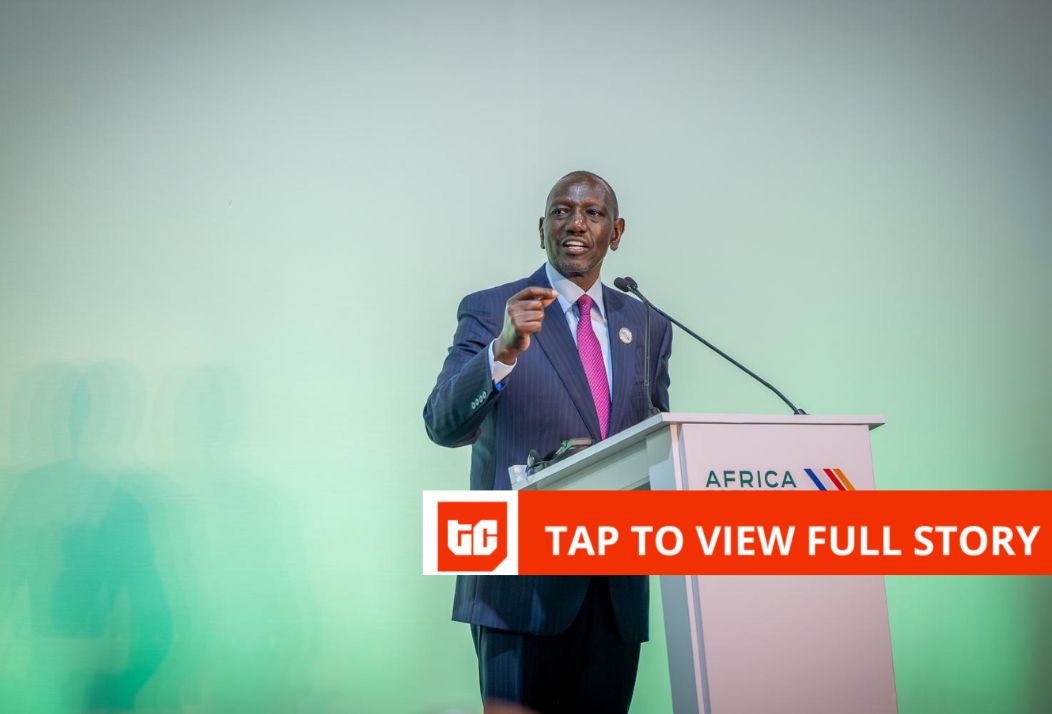
When African leaders gathered in Nairobi, Kenya’s capital, on May 12 for the Africa Forward Summit, artificial intelligence (AI) took centre stage, alongside energy, agriculture and international finance for the first time. That alone marked a change.
Only a few years ago, AI policy on the continent revolved around ethics, digital literacy and startup incubation. Now governments are discussing cloud infrastructure, sovereign data, regional computing capacity and local language models, subjects once confined to engineers and Silicon Valley executives.
In the past two years, Kenya has unveiled a National Artificial Intelligence Strategy, Nigeria has launched its National AI Strategy, Rwanda has established a Centre for the Fourth Industrial Revolution to shape AI governance, South Africa has stepped up work on a national AI policy, while the African Union adopted its Continental AI Strategy calling for African-owned data, compute infrastructure and language models.
The shift reflects a growing recognition that artificial intelligence is becoming a geopolitical asset. Just as countries once competed over natural resources and shipping lanes, they are now competing over semiconductors, data centres and computing power.