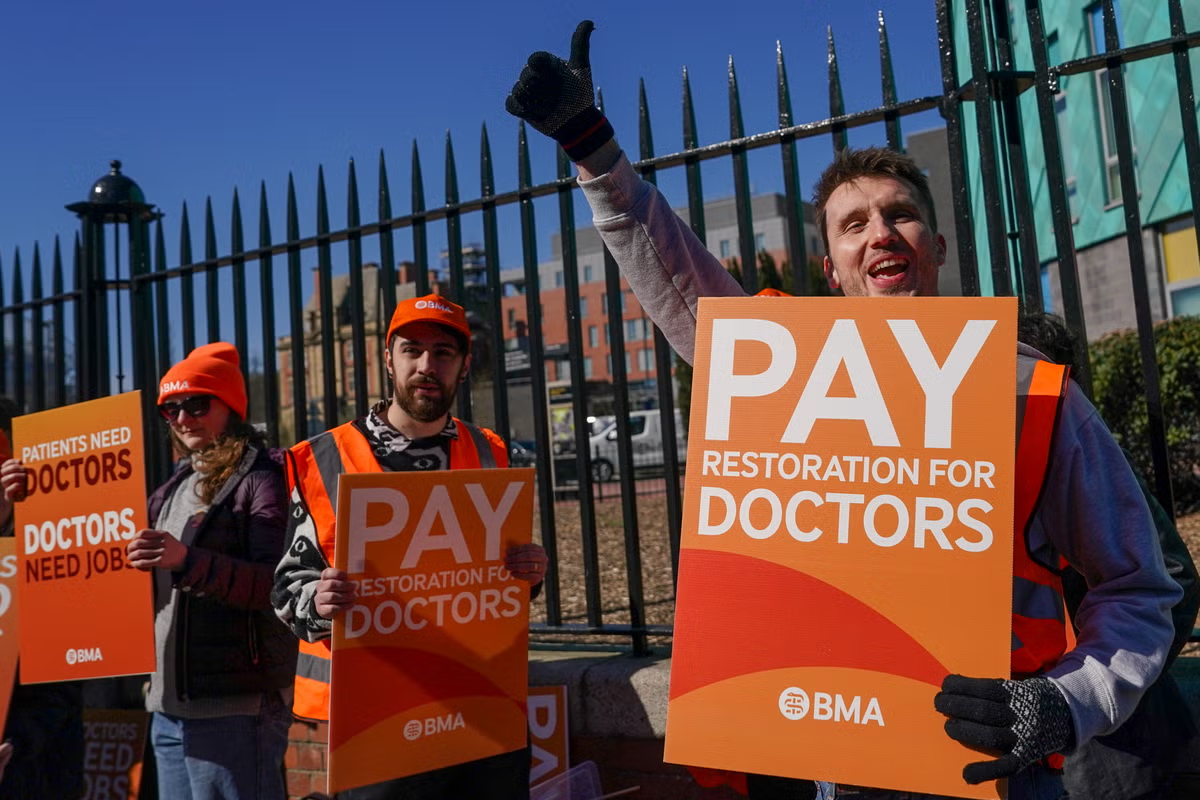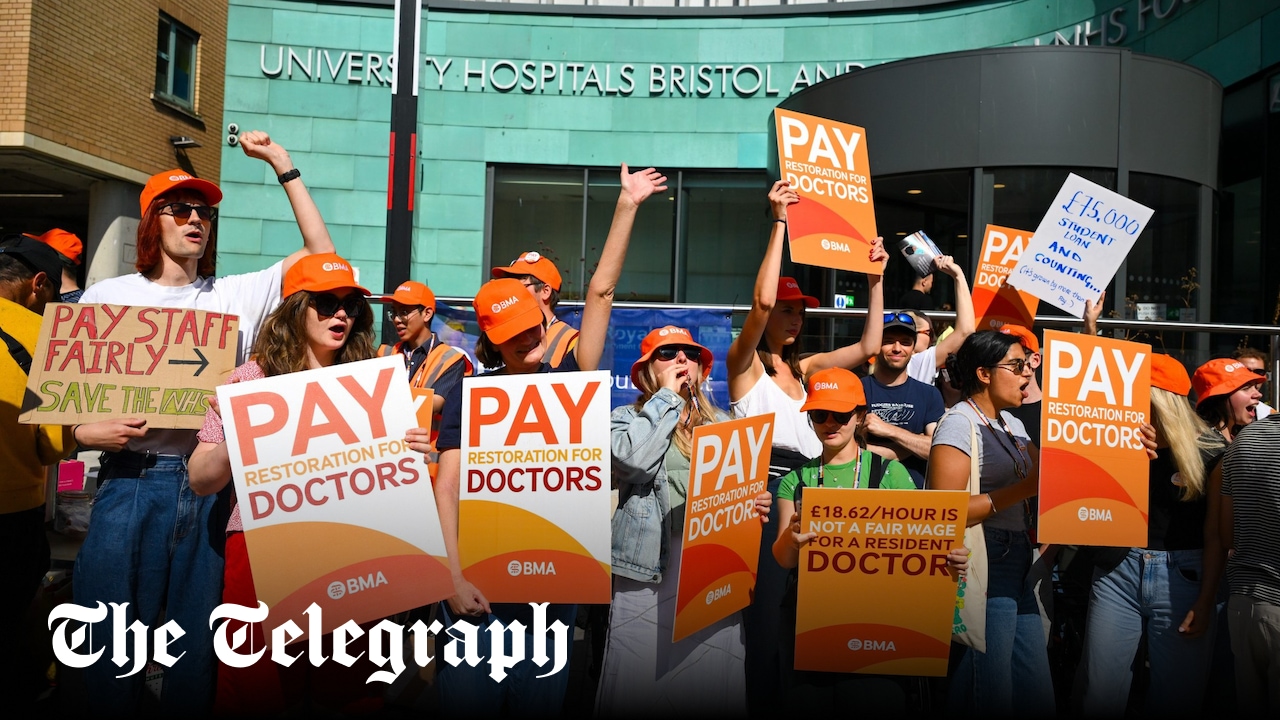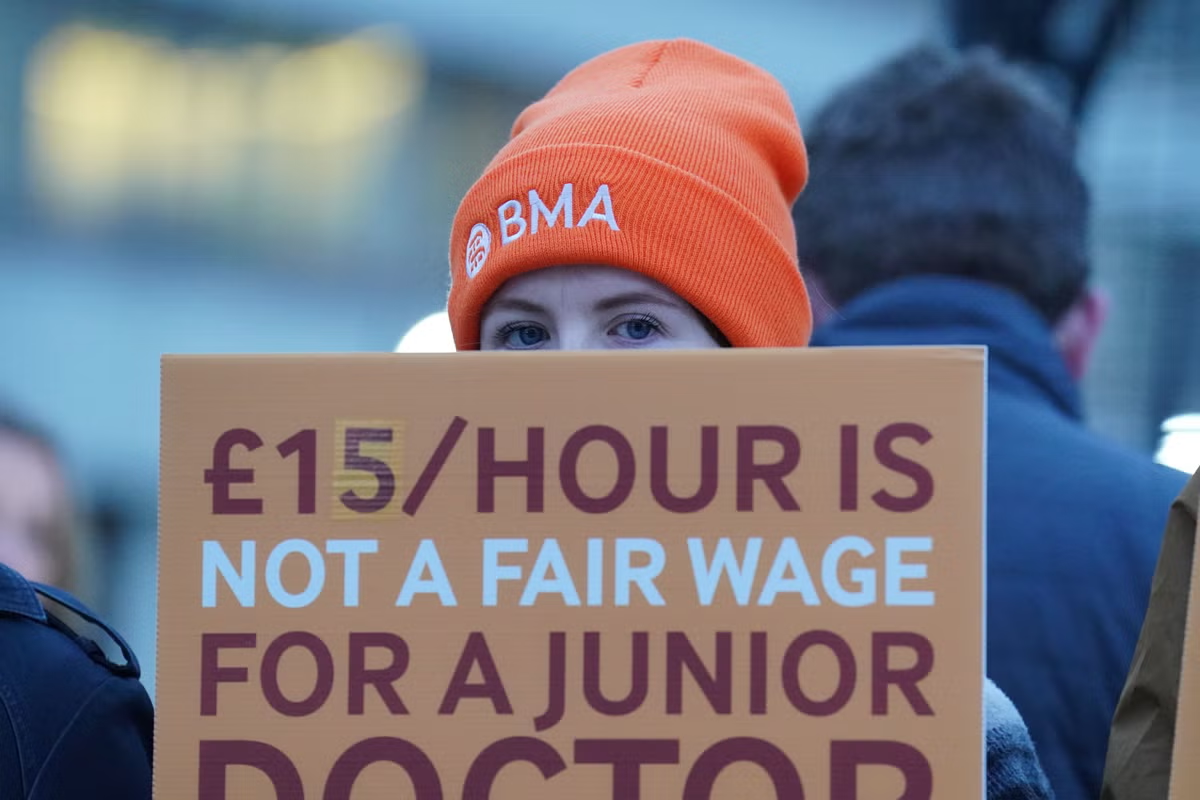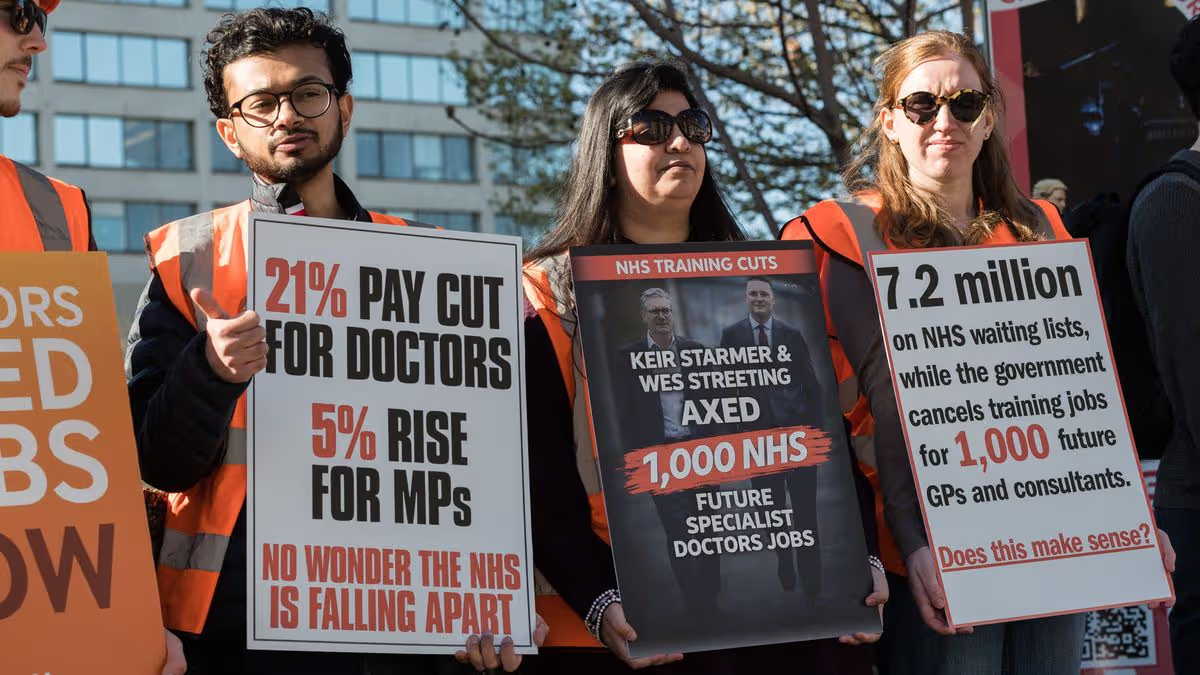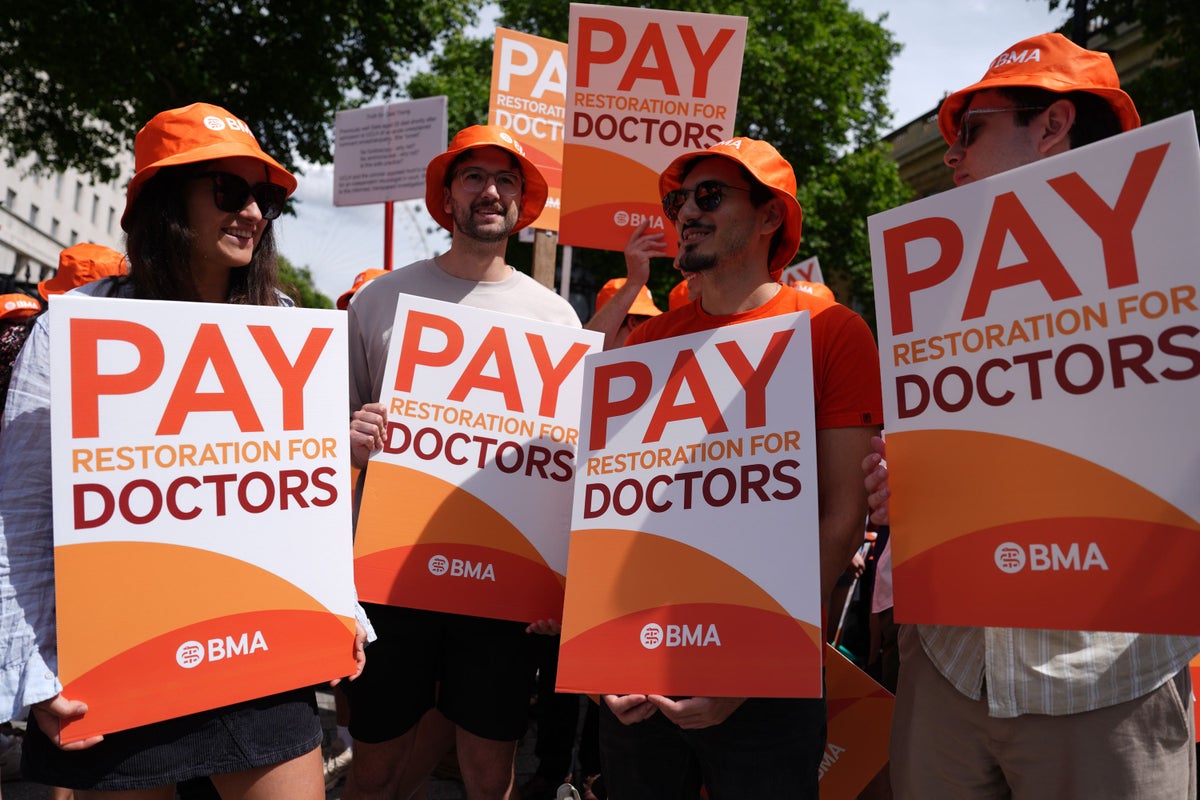
The health service has reminded patients that cases may be rescheduled during the resident doctor strikes11:29, 11 Jun 2026Updated 11:29, 11 Jun 2026People using NHS services next week have been reminded of a major reason why some appointments may be changed or rescheduled. Due to the next round of resident doctor strikes, 'non-urgent' cases could experience delays as staff focus on critical care during the five-day action.Writing on Instagram, the NHS said: "Strike action starts from 7am Monday, June 15, and runs until 7am Friday, June 19. Some NHS services will be affected. You will be contacted if your appointment needs to be changed. Please continue to come forward for the care you need."Why are resident doctors striking this month?Previously referred to as junior doctors, NHS staff will walk out for a week in a continuing dispute focused on pay restoration and access to speciality training positions. The British Medical Association (BMA) claims that, despite recent pay increases (including a 3.5% rise in April), doctors' earnings remain approximately 20% lower in real terms than they were in 2008, when adjusted for inflation, reports the Express.New doctors are calling for firm commitments to establish more speciality training positions to address deteriorating career bottlenecks. The government previously announced 1,000 extra posts, but retracted them after the union announced strikes.The British Medical Association (BMA) has explicitly warned that there will be further action in July if no progress is made in negotiations with the new Health Secretary, James Murray. The exact dates for a July walkout have yet to be confirmed.Content cannot be displayed without consentI have a medical appointment that week. What should I do?The industrial action scheduled from June 15 to 19 is expected to trigger major disruption and extensive rearrangement of 'non-urgent' appointments across acute NHS hospital trusts in England. Hospitals will need to adjust to reduced staffing levels, as junior doctors frequently make up a substantial portion of the frontline medical workforce.Elective procedures - including hip replacements, cataract surgeries, or routine scans - typically experience the highest cancellation rates. Consultants are required to step in to cover wards, meaning operating theatres and regular outpatient clinics cannot function at usual capacity.If you have an appointment scheduled between June 15 and 19, patients should still attend unless contacted and informed otherwise. The NHS will get in touch if your slot needs to be rescheduled.How will I be contacted?The NHS will reach you using your preferred contact method. To ensure any changes are communicated as effectively and quickly as possible, staff might use more than one method. If your appointment needs rescheduling due to the strike action, patients will be informed by:Text message: This is the fastest and most common method, with a text sent directly to your mobile phone.Phone call: Hospital staff or clinic clerks may call you directly, especially if the change is last-minute.NHS app: You will receive an in-app notification or an update under your "Manage Appointments" section.Article continues belowA letter might be sent through the post, though this is less likely for last-minute alterations near the strike dates. Should a hospital trust cancel or reschedule your appointment due to the strikes, the decision is final and based solely on patient safety and available staffing.The NHS must rebook your appointment or operation as a priority. They will automatically transfer you to the next available slot.Should your health get worse while awaiting your rescheduled appointment, get in touch with your GP or NHS 111. If you experience serious, life-threatening symptoms, head to A&E straight away, as accident and emergency units continue operating throughout the strike action.
NHS England alert as appointments may be 'changed' next week
The health service has reminded patients that cases may be rescheduled during the resident doctor strikes
TL;DRAI
NHS junior doctors strike June 15-19 over pay—salaries 20% below 2008 inflation-adjusted levels—forcing rescheduling of non-urgent hospital appointments. Labor signal: wage-restoration demands spreading across mature sectors may pressure tech talent markets on compensation strategy.
596 words~3 min read