In Focus delivers deeper coverage of the political, cultural, and ideological issues shaping America. Published daily by senior writers and experts, these in-depth pieces go beyond the headlines to give readers the full picture. You can find our full list of In Focus pieces here.
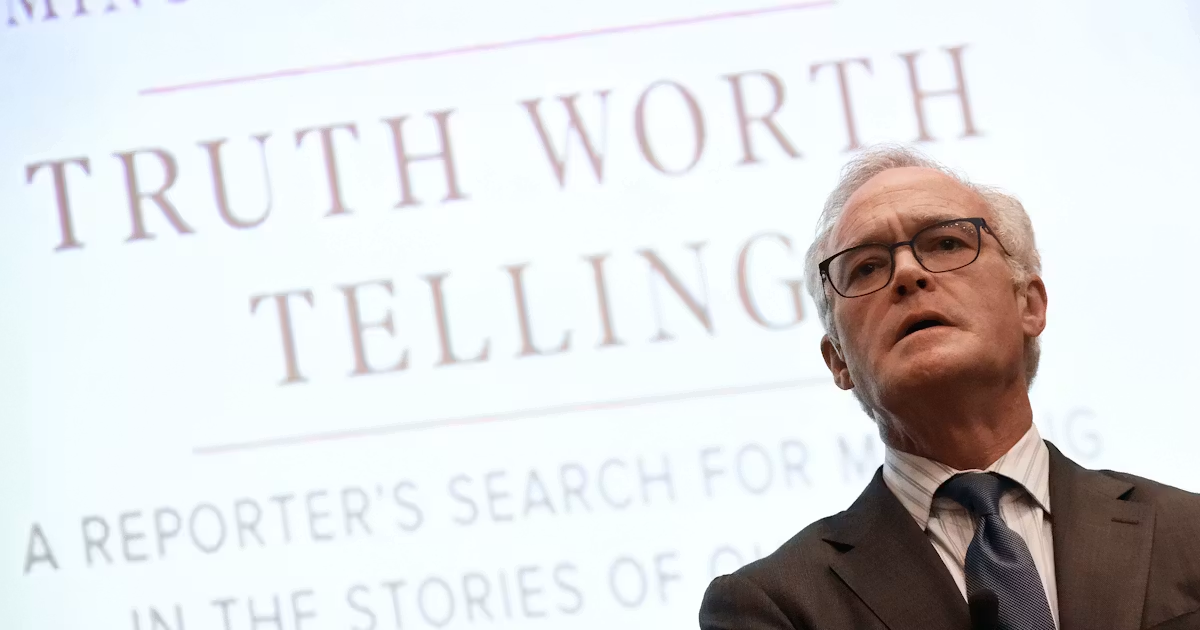
Scott Pelley wants you to feel sorry for him.
The veteran CBS News correspondent, fired last week after blowing up at the newly installed executive producer of 60 Minutes during a staff meeting, sat down with the New York Times to describe his termination as feeling similar to having a spouse who was murdered. He dubbed the day colleagues were let go the “Black Thursday massacre.” He accused CBS News Editor-in-Chief Bari Weiss of trying to get him to “inject falsehoods and bias” into a story, a claim dramatic enough to land headlines and vague enough to raise questions. He has declined to name the specific story, the specific falsehoods, or who precisely gave the order.
What Pelley has not declined to do is run his mouth: loudly, emotionally, dishonestly, and very publicly, to anyone who will listen.
I worked as a writer, reporter, and editor for various publications for more than ten years. So, I’ve worked inside newsrooms and, before that, in the business world. And watching the Pelley spectacle, I keep coming back to the same thought: The rules that apply in every other profession apply here, too.