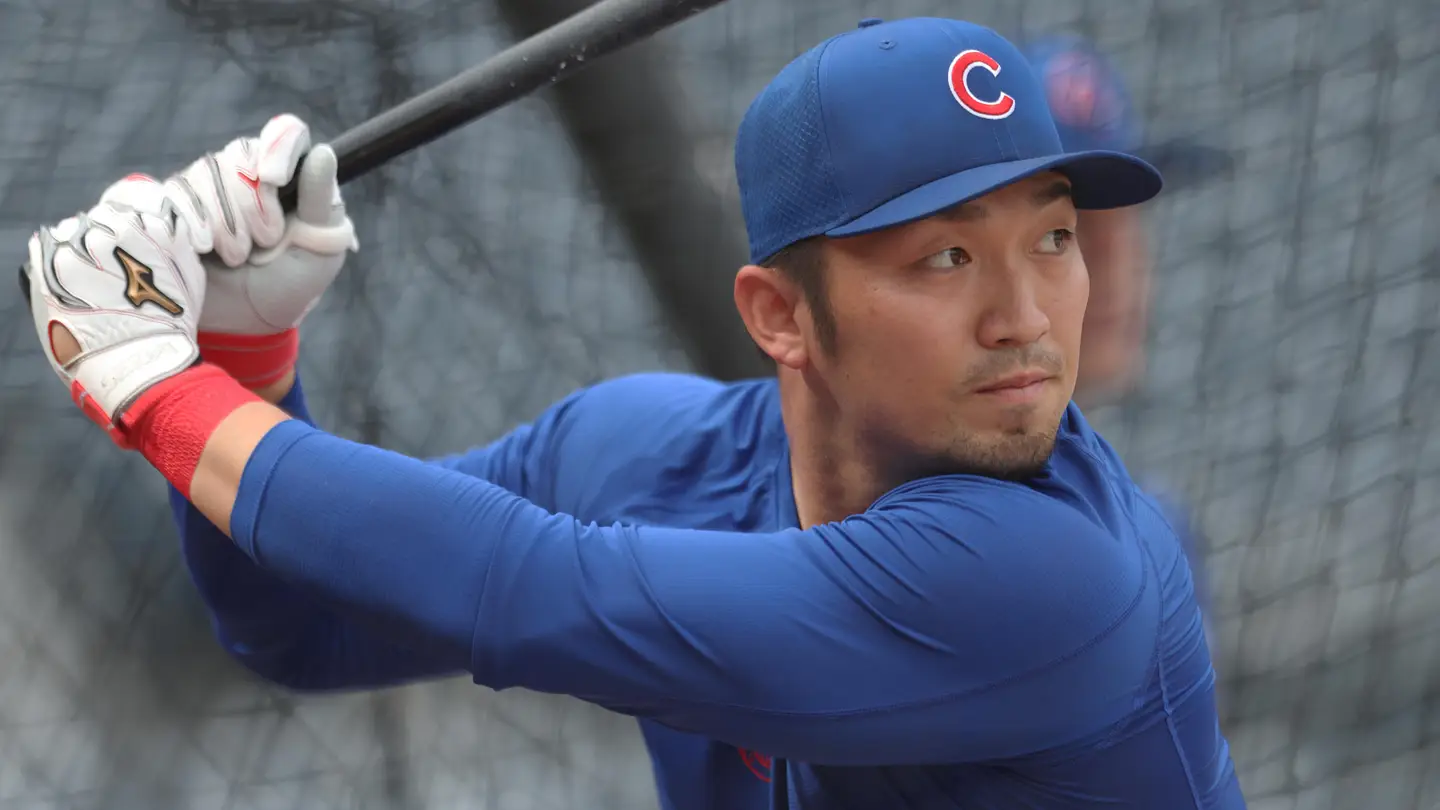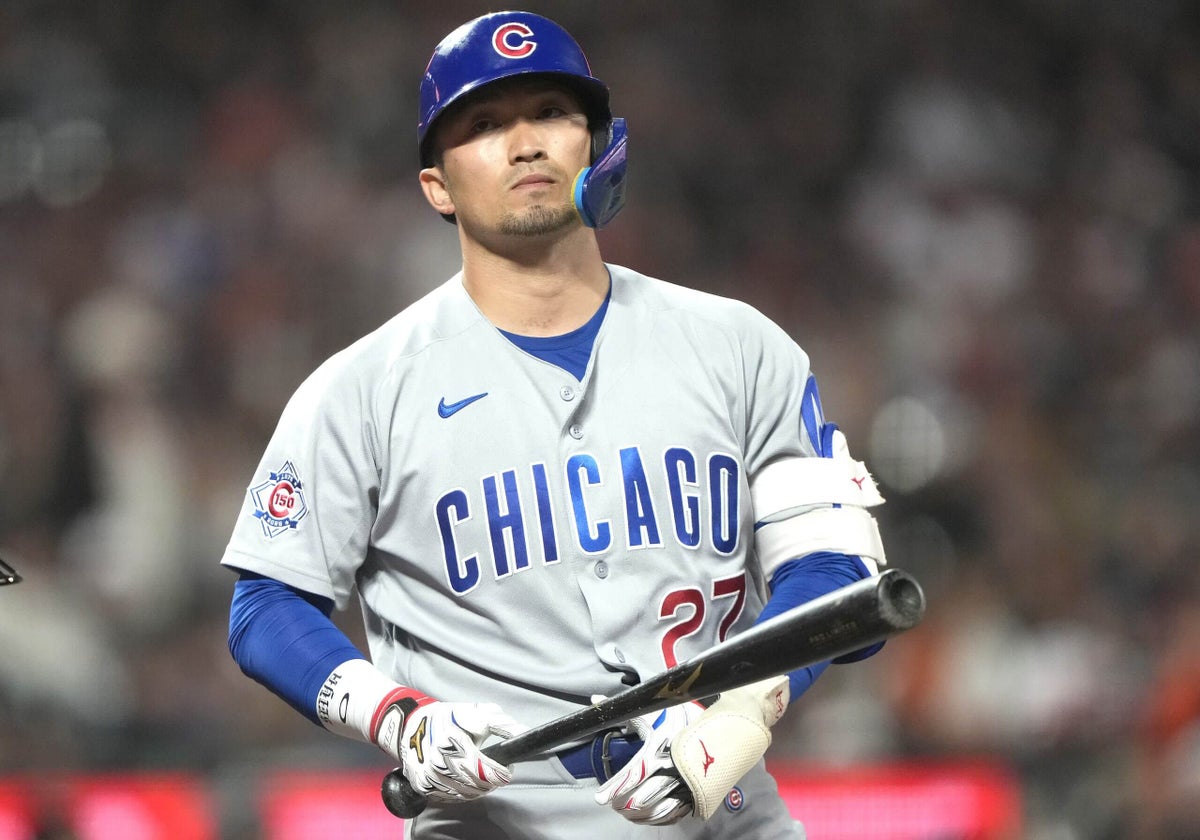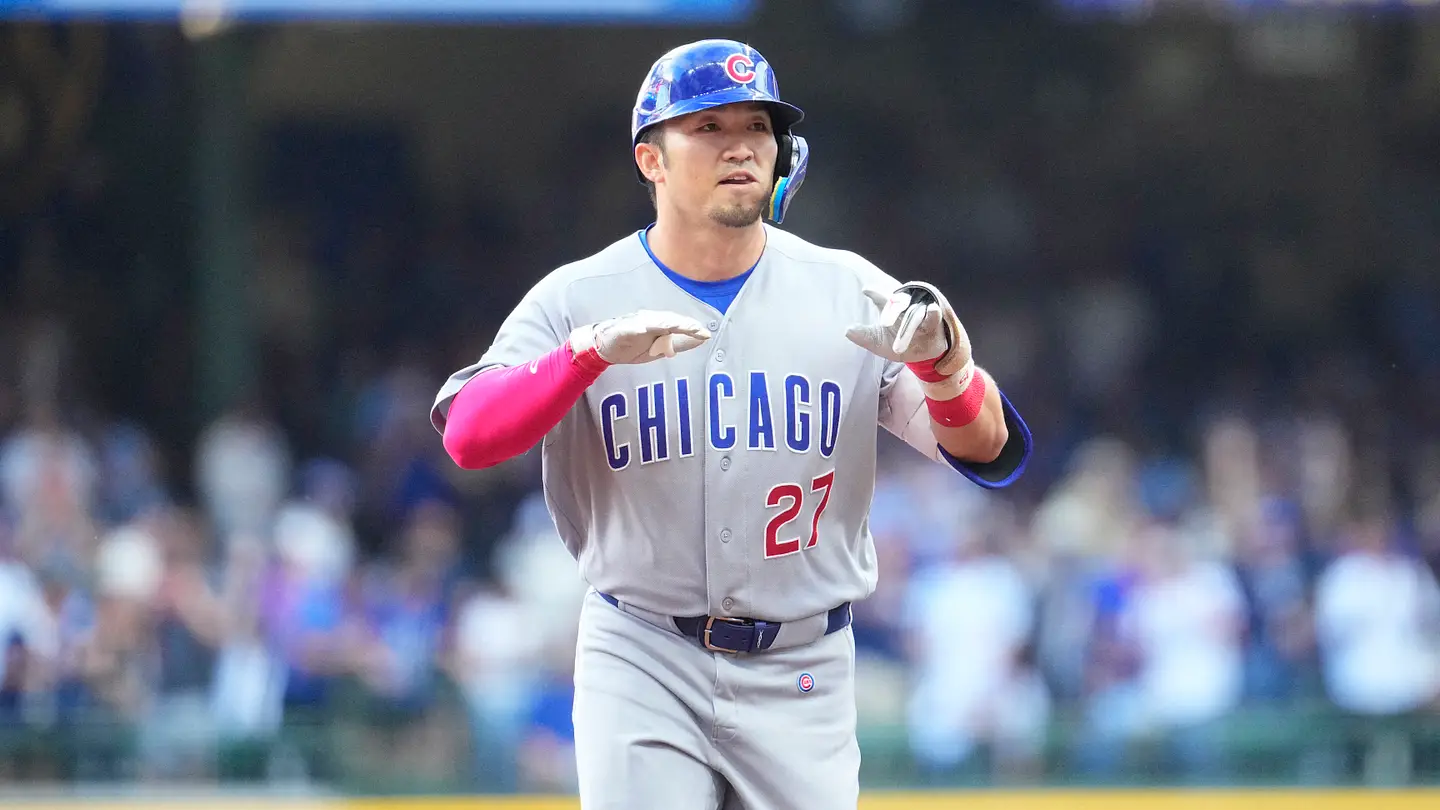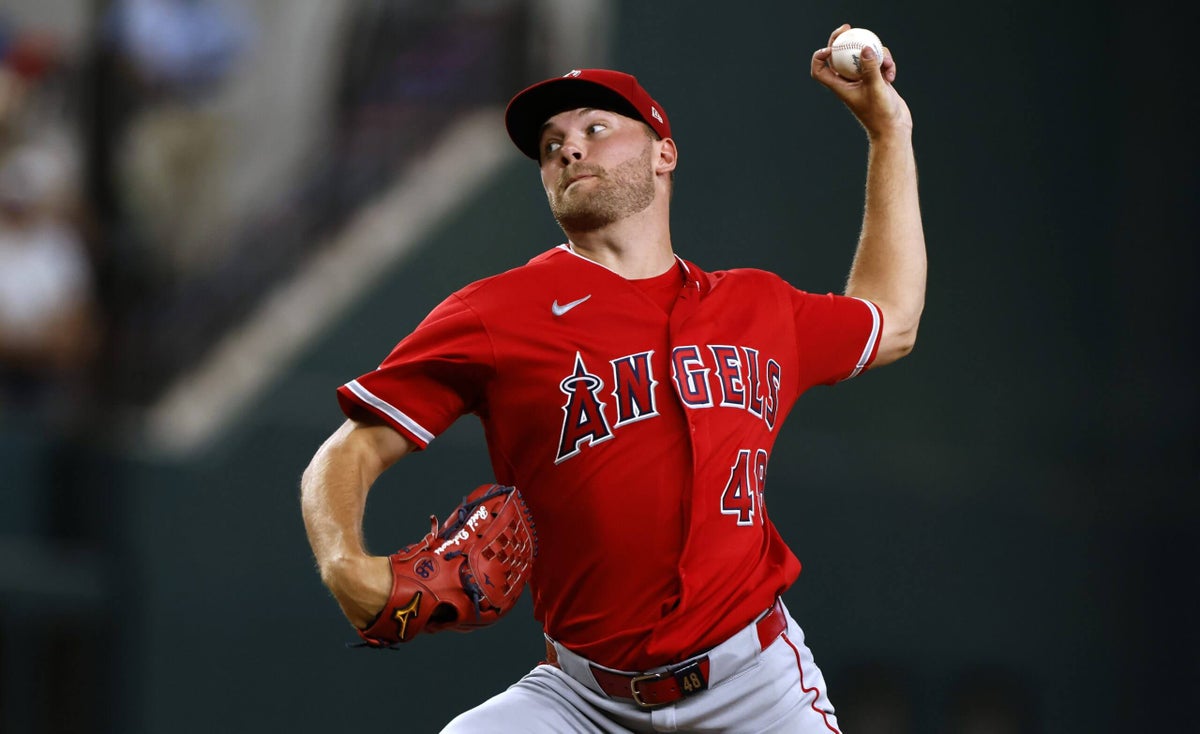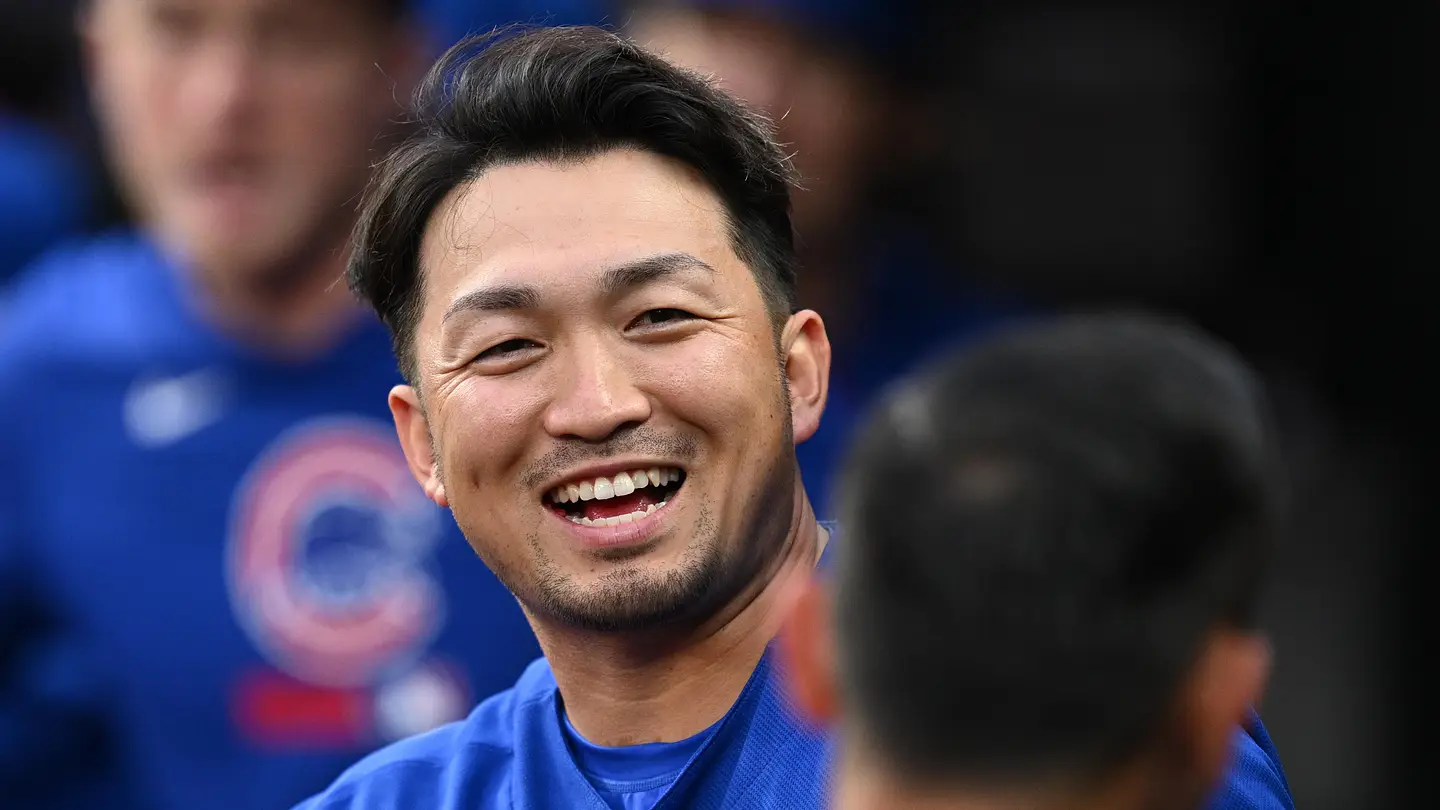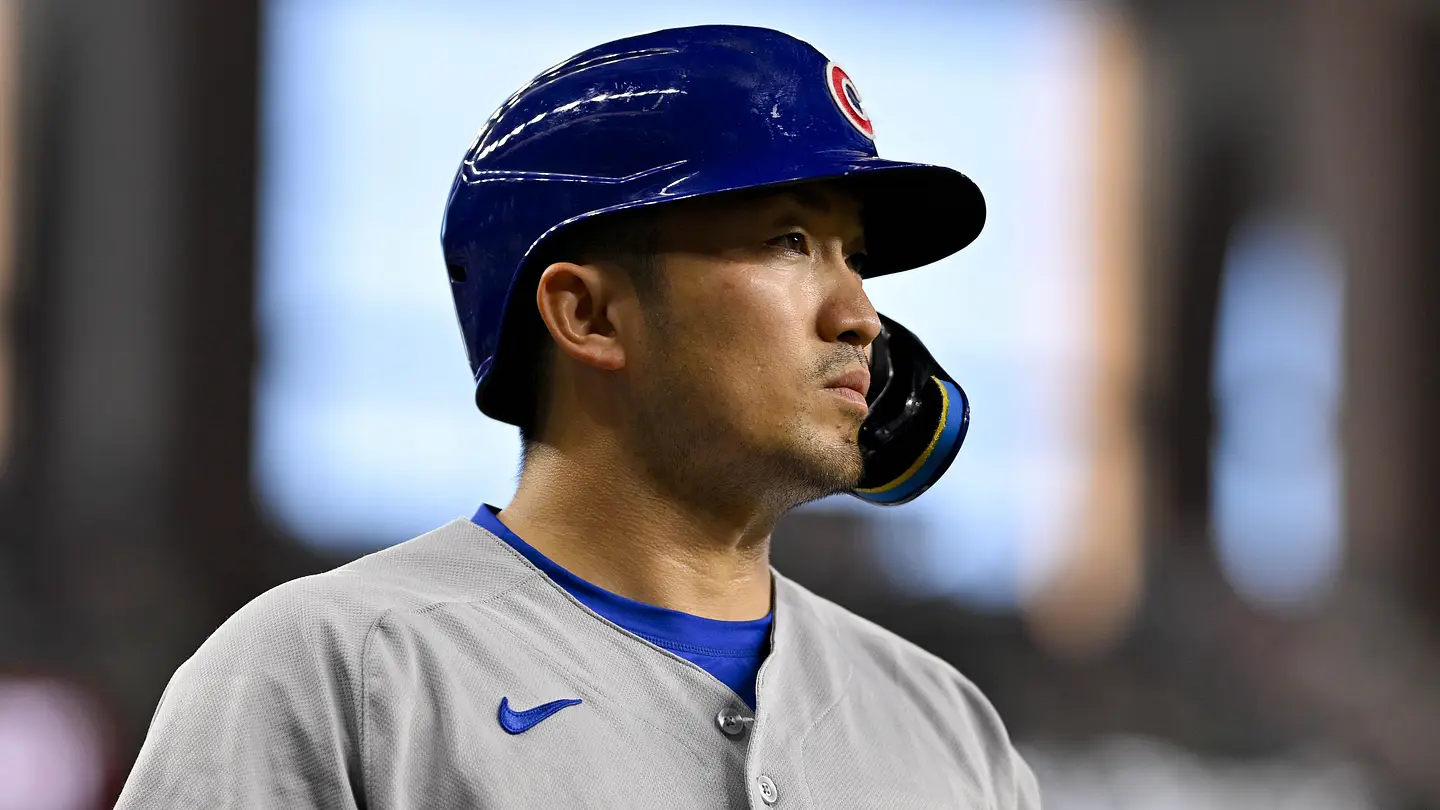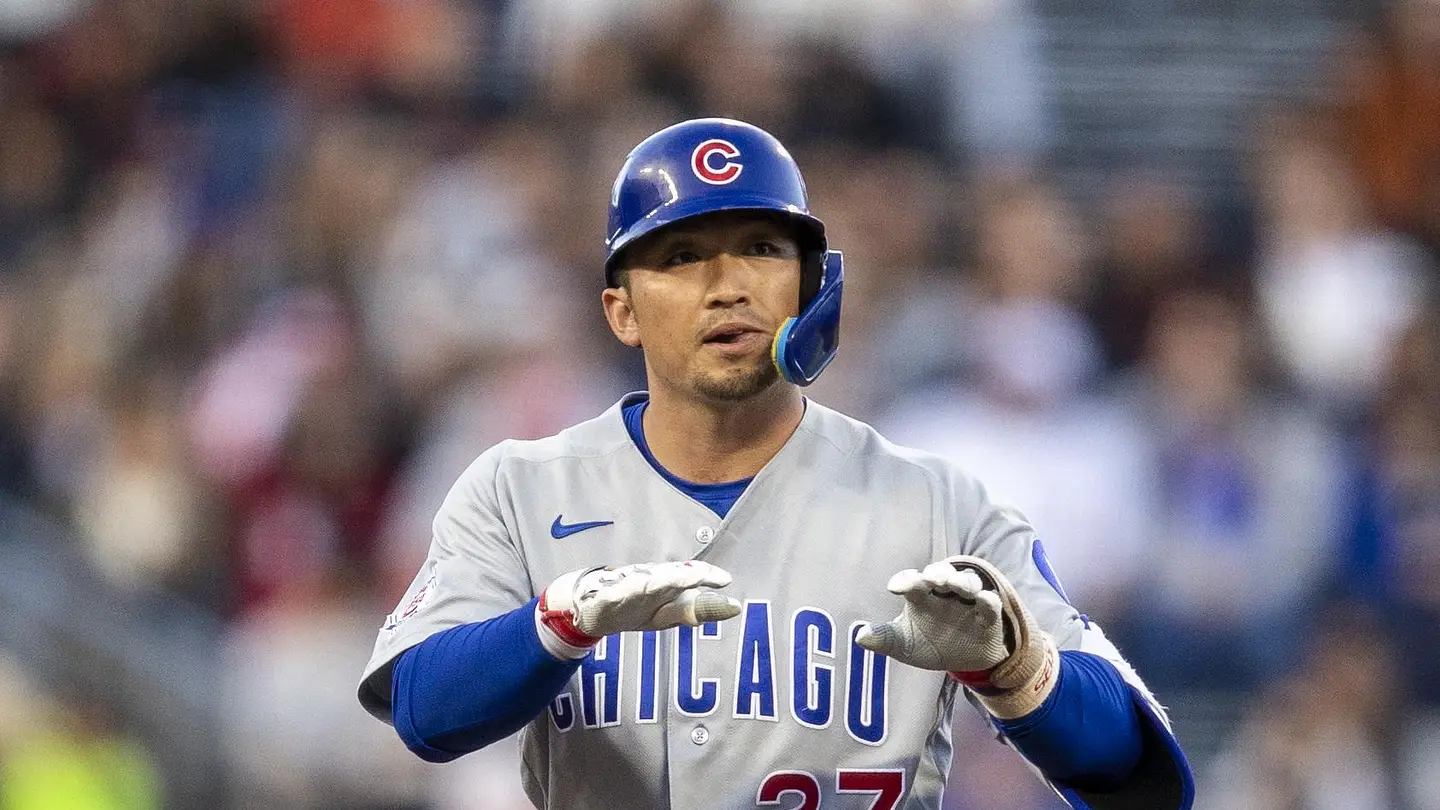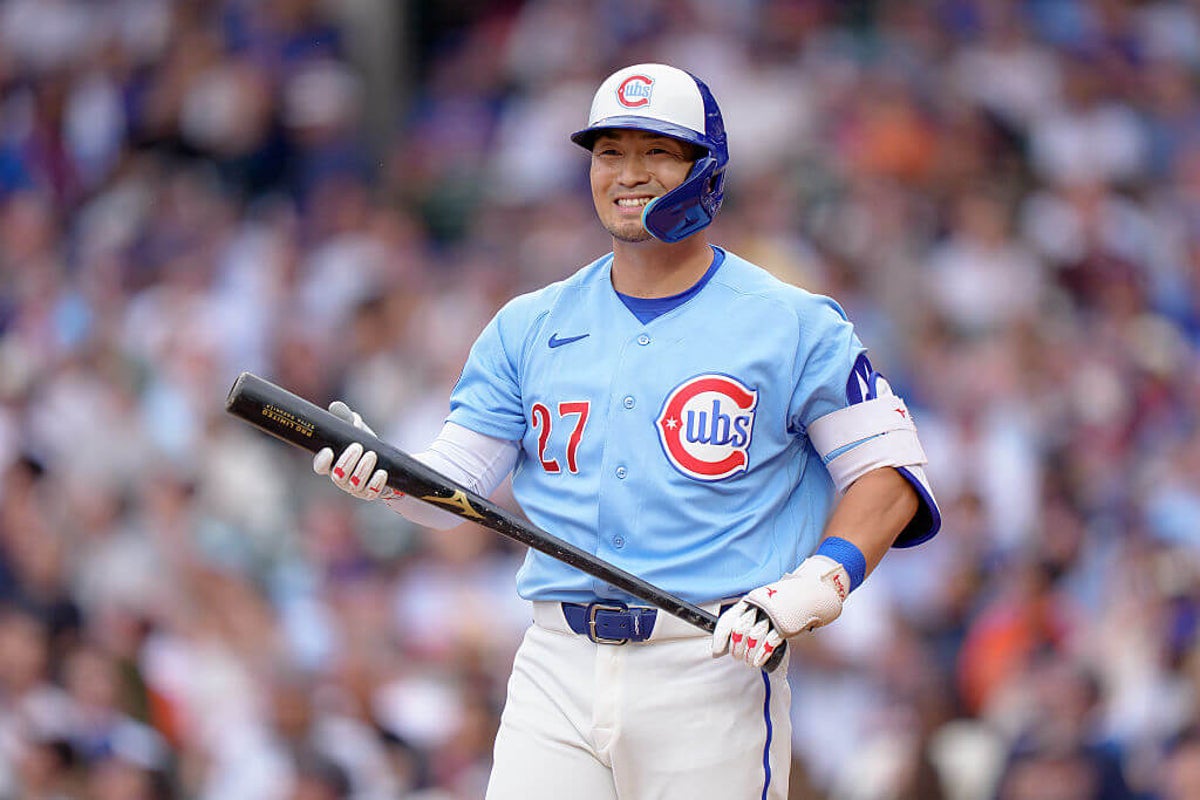
Right-handed hitters throughout Major League Baseball entered Wednesday with a .696 OPS, a figure that would be the lowest for that category of players in any season since 1992.Know what that tells us?Quality right-handed bats will have immense value at the trade deadline. And the Chicago Cubs, a team arguably in need of a shakeup, feature a righty hitter other teams might covet:Right fielder Seiya Suzuki.The Cubs drew trade interest in Suzuki last offseason, in part, because so few right-handed hitters were available. They also drew interest in second baseman Nico Hoerner, but awarded him a six-year, $141 million extension rather than move him.The Hoerner deal left with the Cubs with five prominent players on expiring contracts — Suzuki, left fielder Ian Happ and starting pitchers Shota Imanaga, Jameson Taillon and Matthew Boyd. The Cubs won’t keep all of them in open-market bidding. They probably don’t want to keep all of them.Their payroll commitments for 2027 amount to a modest $111 million, even after the signings of Hoerner, center fielder Pete Crow-Armstrong and third baseman Alex Bregman to nine-figure contracts. But Suzuki, who turns 32 in August, is not likely to be part of the team’s future. So, it would behoove the Cubs to explore the market for him.Perhaps Suzuki could bring back a starting pitcher who also is a potential free agent, helping the club fill a more dire need. If the Cubs keep Suzuki and he departs as a free agent, they would receive only a draft pick as compensation, assuming they made him a qualifying offer. A trade could yield considerably more value, particularly if the Cubs included cash to pay down part of Suzuki’s remaining salary, which at the deadline will be less than $6 million.Suzuki’s full no-trade clause would complicate matters, enabling him to effectively guide the process. However, he likely would be inclined to approve a deal, ensuring he could not receive a qualifying offer as a player traded in the middle of a season (yes, the system is likely to remain intact for at least one more year; teams make qualifying offers in November and the CBA does not expire until Dec. 1).Like most Cubs hitters this season, Suzuki has been wildly inconsistent. His season debut was delayed until April 10 because of a sprained right knee. He then produced a wRC+ 81 percent above league average in April, dropped to 47 percent below in May but has rallied to well above again in June. His defensive metrics are by far the best of his career. Evidently, he does not want to DH.Matt Shaw and Michael Conforto might not offer the same production as Suzuki if they replaced him as part of a right-field platoon, but the overall team could be better if the Cubs landed pitching in return.The Cubs could use a jolt. They need to extract value from at least one of their potential free agents. And in a sport increasingly lacking in potent right-handed hitters, Suzuki figures to be in demand.And that other team in Chicago?The loss of first baseman Munetaka Murakami to a strained right hamstring on May 29 has yet to slow down the Chicago White Sox.With Murakami, the White Sox averaged 4.67 runs per game, ranking ninth in the majors. Without him, they entered Wednesday averaging 5.56 runs, eighth best in the league.Among the White Sox’s other stunning achievements: They are 30-18 since April 17, the second-best record in the AL behind only the New York Yankees’ 31-17 mark. They also have won seven straight home games and 18 of their last 21.Not bad, considering the White Sox have had 12 players this season make their major-league debuts. And while the team’s current nine-game stretch against the Atlanta Braves, Los Angeles Dodgers and Yankees could disrupt the Sox’s momentum, the team leads the AL Central for the first time since 2021.So, how might the Sox approach the deadline?To remain in contention, they almost certainly will need pitching help, both starting and relief. Erick Fedde is their only starter who has pitched more than 142 2/3 innings in a major-league season (Anthony Kay worked 155 last season in Japan). Some wear and tear in the rotation is inevitable. And the White Sox, like most clubs, could stand to fortify their bullpen, too.
Why it would behoove the Cubs to explore the market for Seiya Suzuki, plus more MLB notes
We also look at the first-place team in Chicago, why the Guardians could be poised to strike and more.
1,980 words~9 min read