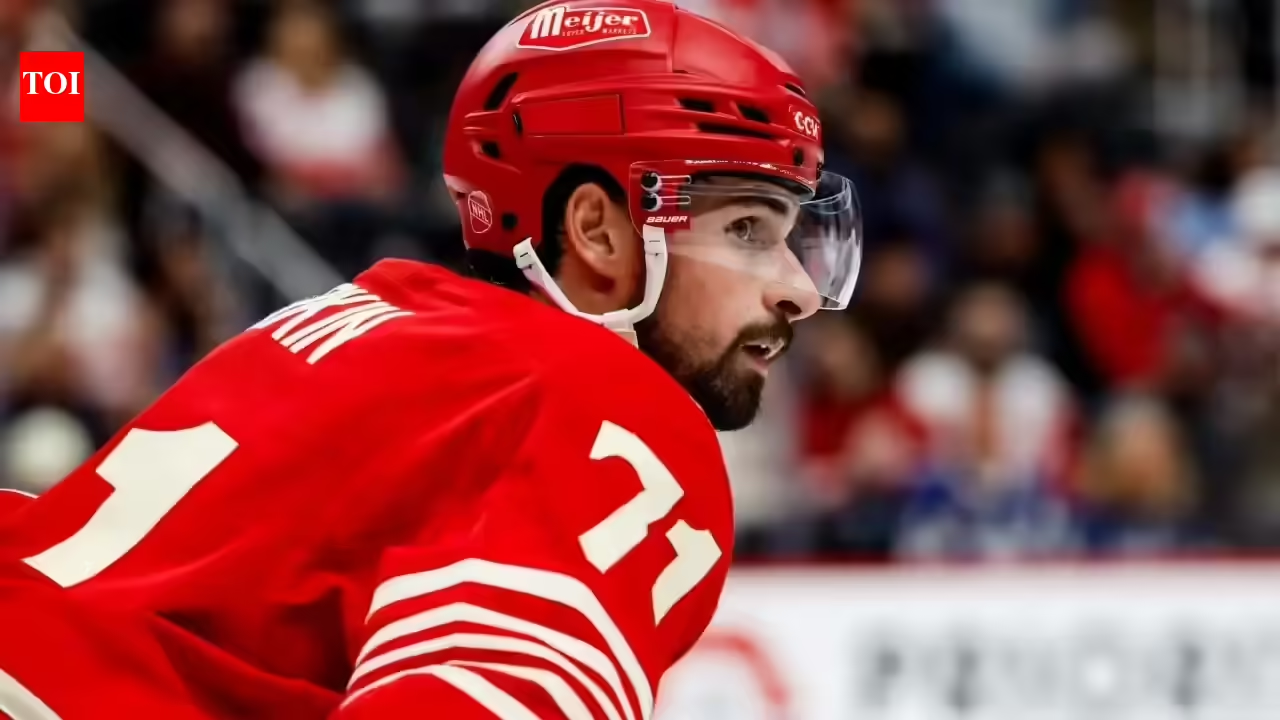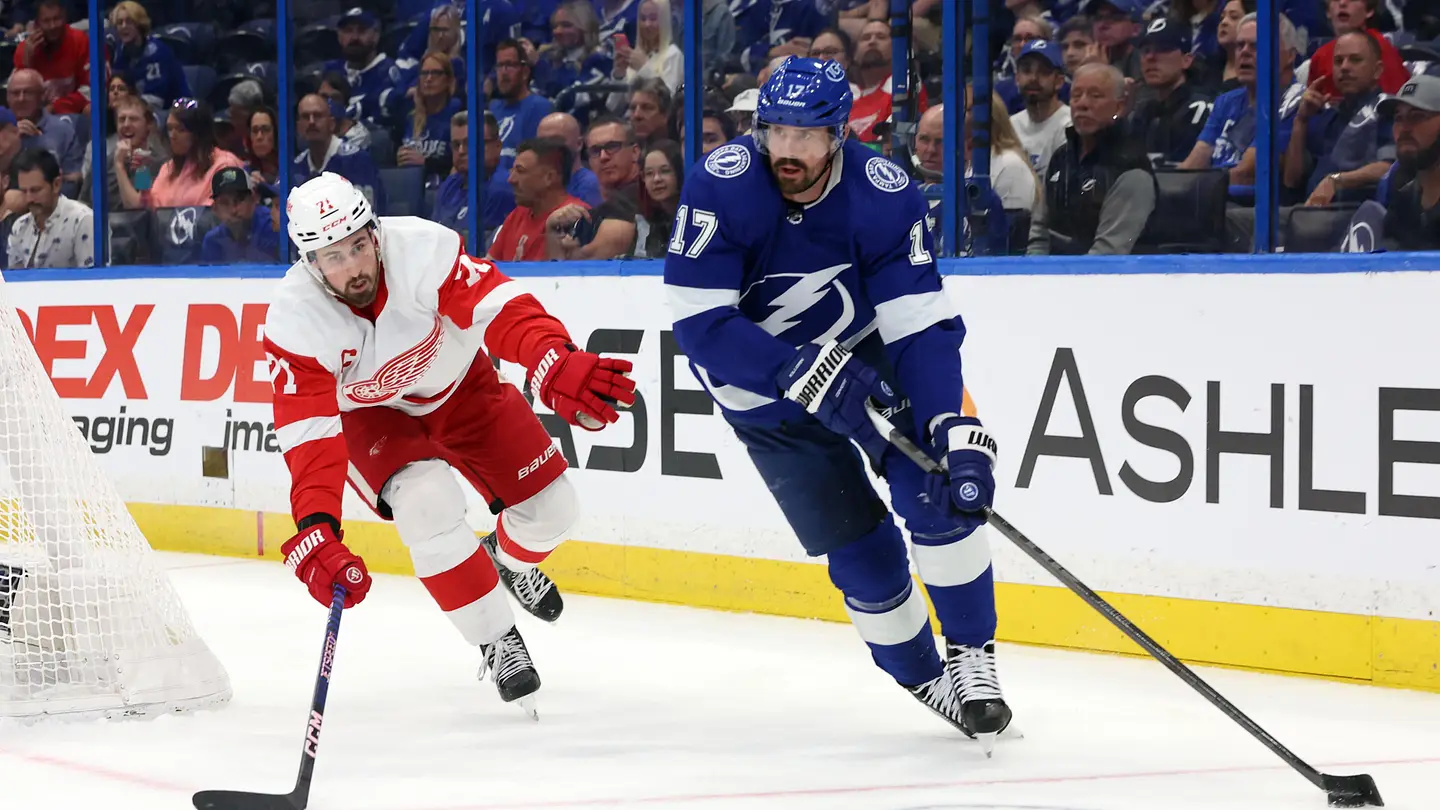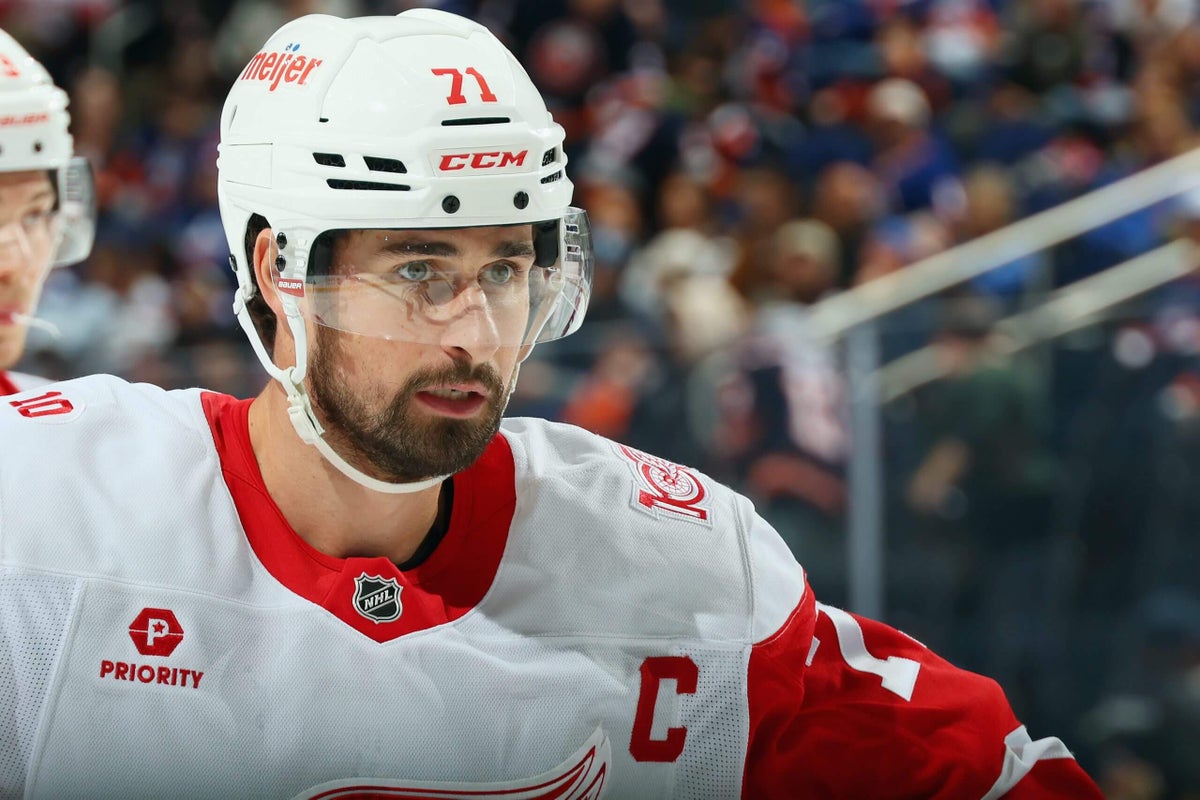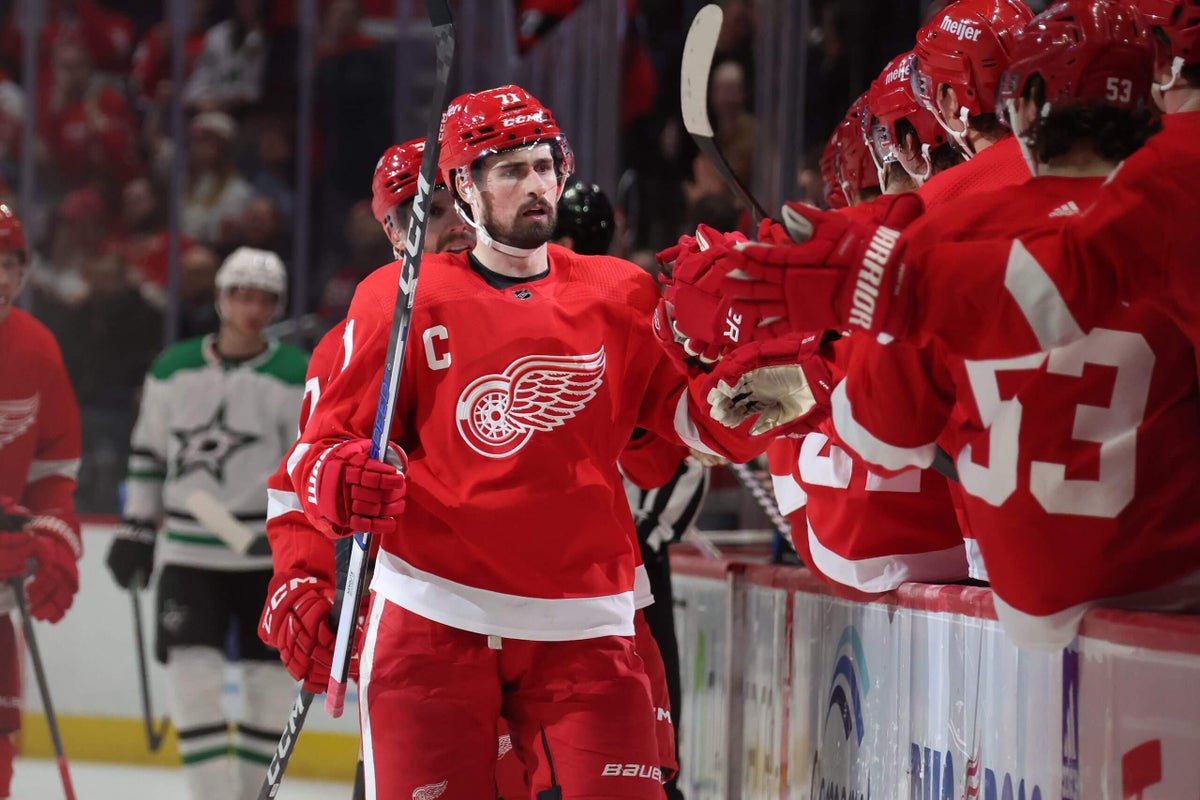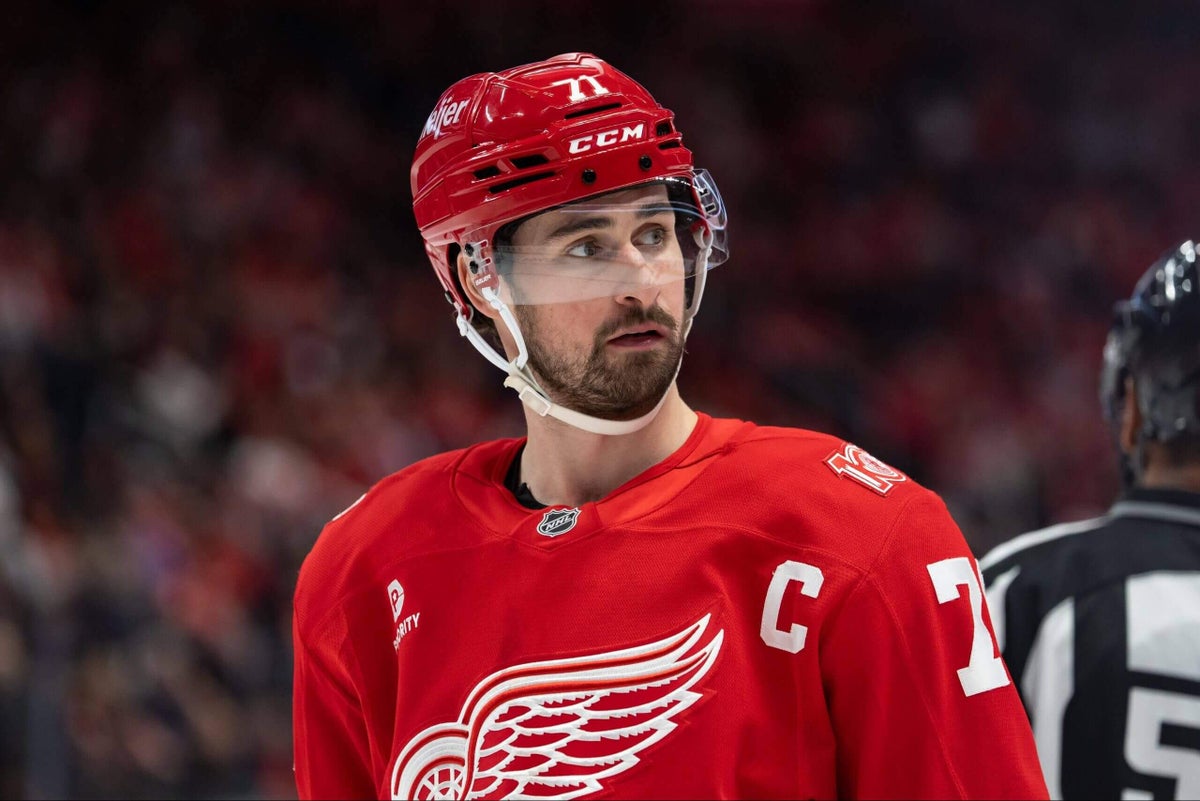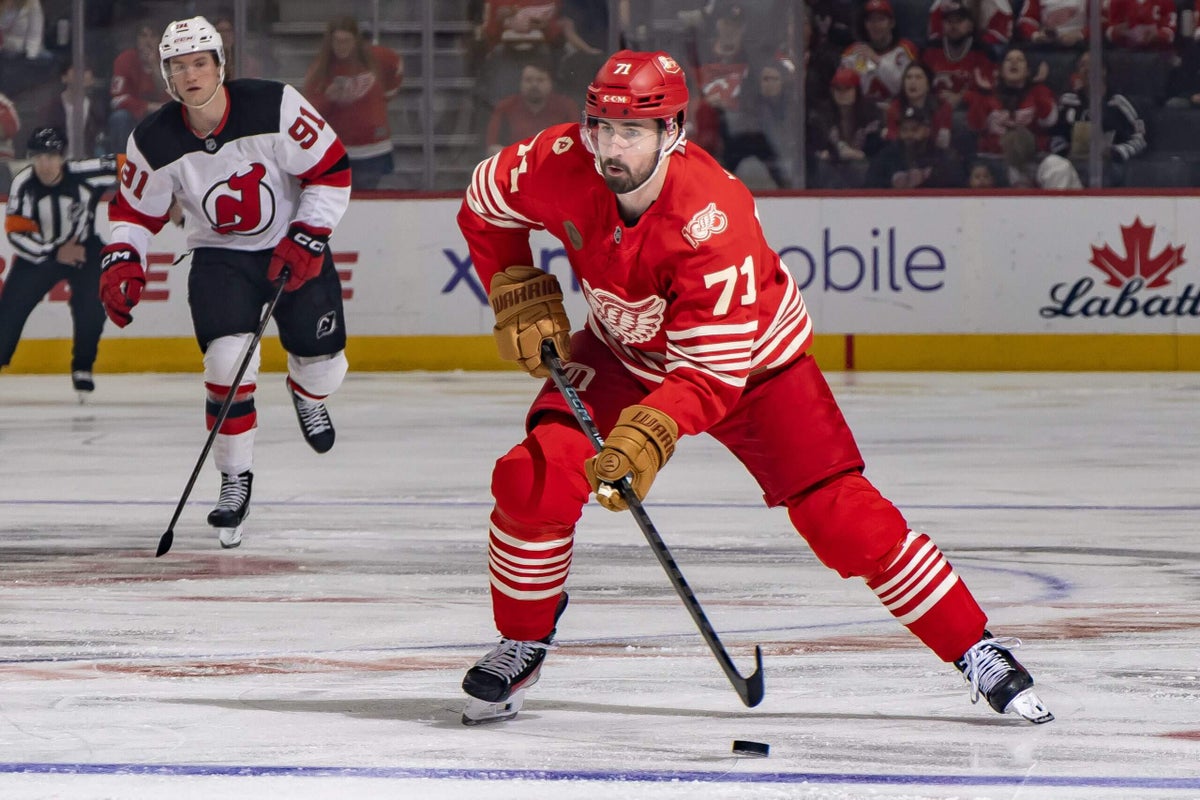
We know which teams Dylan Larkin is most interested in, with league sources telling The Athletic this week that Larkin’s short trade list includes the Minnesota Wild, Vegas Golden Knights and Florida Panthers.But which teams most need Larkin? And could they become compelling enough destinations for the Detroit Red Wings center if he decides to expand his list?Certainly, any team gets better by adding a player like Larkin — a well-rounded center who has scored 30-plus goals for five straight seasons and can take on top competition. But some teams need him more than others.The Panthers and Golden Knights, for example, have already demonstrated they’re good enough to win it all — or come very, very close — with the centers they have in place. Larkin would make them better, both now and into the future, but do they need him to the same degree as some others around the league?It’s debatable, and especially when you factor in the return the Red Wings will need for their No. 1 center, you can question whether it’s the best way for those teams to spend their assets this summer.This list, then, sets out to gauge which teams should be the most aggressive on Larkin — if he’s willing to expand his list and consider them — and what they could offer to swing a deal.Minnesota WildHow he’d fit: Put aside the return element for a second, and Larkin to Minnesota in a vacuum makes too much sense. Finding another true top-six-caliber center to play across from Joel Eriksson Ek has to be a top priority for the Wild this summer. Someone who plays with speed should be important, too. While a Larkin-Eriksson Ek duo wouldn’t stack up to a Connor McDavid-Leon Draisaitl one-two punch, Minnesota’s play-driving wingers can help everything click.The cost-certainty factor of Larkin’s contract works in Minnesota’s favor, considering the rising cost of centers in today’s NHL and the Wild’s shrinking cap space, with Kirill Kaprizov’s extension kicking in and potentially Quinn Hughes’ next deal.The USA Hockey connection is obvious between Larkin and the Wild’s Hughes, Matt Boldy, Brock Faber and general manager Bill Guerin. The fact Minnesota was so bold with the Hughes trade this season should move the needle here from Larkin’s side of the conversation, too, because it shows management is willing to take big swings to win.What they can offer: This is where it gets complicated, because Minnesota depleted its asset pool over the last year between trades for Hughes and Michael McCarron. With Filip Gustavsson signed long-term, fellow goaltender Jesper Wallstedt seemed like a solid trade chip. Then Wallstedt stepped up down the stretch and earned the starter’s net in the playoffs. Now Gustavsson’s future is a little more uncertain after offseason hip surgery, and he is probably off the table.Instead, centers such as Danila Yurov or Charlie Stramel probably have to be a part of the conversation, plus draft capital. The Wild are without their first-round pick in 2026 but could flip their pick in 2027 or 2028. But what’s the value of those picks going to be if Minnesota extends Hughes and adds Larkin? It could be more quantity than quality, which is a tough sell for Detroit.Montreal CanadiensHow he’d fit: Larkin would slot in exceptionally well behind Nick Suzuki, giving the Canadiens a powerful duo of two-way centers atop its lineup. Both players can take on tough competition and still produce at a high level, making Montreal a nightmare to match up against, and Larkin would add a left-shot complement to the right-handed Suzuki.The Canadiens already went to the Eastern Conference final this season, and while we expect a resurgent season from the Florida Panthers in 2026, adding a high-octane, well-rounded player like Larkin would make Montreal quite formidable in the Atlantic Division.What they can offer: Outside of being a division rival, the Canadiens would be one of the most appealing potential trade partners because of their strong collection of future assets. Whether it’s a young center in Michael Hage, an exciting winger prospect in Alexander Zharovsky, defensemen David Reinbacher and Adam Engström or first-round picks, the Canadiens could put together a very compelling package that would be tough for other teams to match.Seeing Larkin four times a year in the division wouldn’t be ideal for Detroit, but the potential return might make that worth stomaching.Utah MammothHow he’d fit: On paper, this could be the biggest win-win from a team perspective. The playoff window is officially open in Utah, thanks to a dynamic up-and-coming core that has a ton of speed and high-end skill. But to go from playoff team to true contender, Utah needs a real 2C behind Logan Cooley. Barrett Hayton just hasn’t become that.Larkin has the legs to fit right into Utah’s up-tempo game. He can play that puck-moving style while bringing some utility to the Mammoth’s all-three-zone play.Since Utah has players in their early 20s and high-end prospects to infuse over this next window, Larkin’s age (and contract) all line up here. He may be 30 at the start of next season, but some of his statistical comps, such as Mika Zibanejad, Mark Scheifele, John Tavares and Henrik Zetterberg, suggest a long run of impact play could still be ahead.There is a USA Hockey connection in Utah with Keller, plus a recent history of taking big swings under new ownership.What they can offer: The Mammoth have one of the deepest asset pools of any playoff team. Not only is Utah equipped with all of its first-rounders and all but one second-rounder in the years ahead, Scott Wheeler ranks its prospect pipeline sixth. Even if Detroit can’t pry Caleb Desnoyers or Dmitri Simashev from Utah, there’s still Tij Iginla, Cole Beaudoin and a handful of other high-end options to consider. So, there are options here, depending on which path the Red Wings take going forward.Philadelphia FlyersHow he’d fit: After a late-season Cinderella run, the Flyers are officially a playoff team. Pair that with Keith Jones, their president of hockey operations, saying they’re going to take an aggressive approach to find a center, and that could be enough to entice Larkin to waive his no-trade clause. That’s what a lot of this would hinge on, and this team may be too green and still too early in the contention cycle for him.But if Larkin is willing to greenlight a deal, he could punch up their top six. Trevor Zegras found his game in Philadelphia, and Noah Cates has some exciting shutdown chops. Christian Dvorak has been better than expected, too. Adding Larkin to the top of that group wouldn’t necessarily make the Flyers’ center depth contender-worthy, but it would give them a much deeper approach.What they can offer: The Athletic’s Kevin Kurz pointed to Porter Martone and Tyson Foerster as the two untouchables in Philadelphia. Owen Tippett could be a hard sell, too, but he could be a part of the return if Detroit wants more right-now contributors. Or, the Red Wings could pull from the Flyers’ strong prospect pool. A right-handed defender such as Oliver Bonk could be intriguing, as could center Jett Luchanko.Anaheim DucksHow he’d fit: Anaheim already has a rising star down the middle in Leo Carlsson. And really, Mikael Granlund was already a pretty solid veteran No. 2 for the Ducks this past season.But Granlund is 34 and wasn’t signed to be the 2C — that was supposed to be Mason McTavish, who signed a six-year extension last September. So, if Anaheim could add a proven all-situations center such as Larkin to pair with Carlsson as its top-six centers, it would take some pressure off the Ducks’ young star at both ends of the ice. Larkin particularly thrives in a matchup role, as seen for Team USA in the Olympics, which could be even more important for a skilled young forward corps like Anaheim’s.The Ducks may not be a top-level contender like Florida or Vegas quite yet, but they’re clearly a team on the rise, and Larkin could be a piece that helps them get to the next level of contention.What they can offer: The first obvious name is McTavish, the Ducks’ 23-year-old center who has stalled a bit in Anaheim. Could the Red Wings unlock the 2021 No. 3 draft pick with a change of scenery? He might be one of the few plug-and-play NHL centers with pedigree whom they could realistically get back in a Larkin deal.The Ducks would likely be reluctant to part with top prospect Roger McQueen, but a package built around McTavish and defense prospect Stian Solberg could tempt Detroit. McTavish fits the age range of the Red Wings’ core, and Solberg is an impressive young left-shot defenseman who would fit in well with the Red Wings’ current mix.New Jersey DevilsHow he’d fit: The Devils should be in the market for a center this summer, but as things stand, just for a 3C — unless there are some dramatic top-six changes. Nico Hischier’s situation could add a really interesting ripple effect. New Jersey should not be actively looking to trade a Selke-caliber 1B center as presently constructed. But if something goes awry in early contract talks this summer (Hischier is eligible to extend on July 1), necessitating a shake-up, the Devils could join the Larkin sweepstakes.The Hughes connection is obvious and could grease the wheels here. The flip side relates to Larkin’s trade list, plus any uncertainty around Sunny Mehta as a first-time general manager and whether he’s willing to go all in right away. But Mehta’s experience with the Panthers should count for something. So should the success of Carolina GM Eric Tulsky, who also climbed the ranks to this position from a data-driven background and is in the Stanley Cup Final in year two at the helm.What they can offer: If the Devils are only in this conversation because the team can’t get a deal done with Hischier, he’s an obvious starting point. But if Detroit has to look elsewhere, there are still some options: Dawson Mercer’s track record at center is shaky, but he has that dog in him on the wing. A potential logjam on defense could add more intrigue to this conversation, whether the Red Wings look at Šimon Nemec or Anton Silayev, or go deeper in the pipeline to someone like Seamus Casey — though the latter might be redundant to the Red Wings’ Axel Sandin-Pellikka.Carolina HurricanesHow he’d fit: Logan Stankoven’s emergence as a budding 2C changes things for the Hurricanes, who technically already have strength down the middle with Sebastian Aho and Jordan Staal around him. Staal may be crushing it in the Stanley Cup Final, but the reality is he’s 38 years old with one year left on his contract. It’s not a bad idea to start positioning a surplus down the middle to prepare for the post-Staal era.Aho’s playoff performance this spring adds even more intrigue to this situation. Game 3 of the Stanley Cup Final was his best game of the postseason, but that was more of an outlier. As such, it wouldn’t hurt to add someone like Larkin, who showed in the Olympics what he can do in big games.The Hurricanes may not be Vegas or Florida, but they finally got over the Eastern Conference final hump. Carolina’s either going to be the reigning champ in a few games or a finalist with a very good chance of building on that in the near future. That could be enough to sway Larkin to think of the Canes as a destination.What they can offer: Tulsky has positioned the Hurricanes uniquely as a contender with assets and cap space at this point in the contention cycle. Carolina has four first-rounders in the next three years, prospects such as Bradley Nadeau to dangle, and some NHL-caliber talent to offer, too. Alexander Nikishin could be a real get for a Red Wings team that needs left-handed defensemen.Washington CapitalsHow he’d fit: Larkin would slot in as the Capitals’ No. 1 center and add a jolt back into the group that stormed to the top seed in the Eastern Conference in 2025.Between him, Dylan Strome and Pierre-Luc Dubois, Washington would immediately have an impressive group of centers, with some playoff-style wingers in Aliaksei Protas, Tom Wilson, Ryan Leonard and — maybe — Alex Ovechkin. That’s enticing. Larkin would help the Capitals’ mediocre power play, for sure.But while Washington would certainly be well-positioned for a divisional seed in the Metro, there is still a valid question of their ultimate ceiling — and that could be relevant with persuading Larkin to waive his no-trade clause.If you’re looking for a successful comparison, maybe there’s some rhyme with the 2019 St. Louis Blues between the centers and gritty wingers, with Larkin in the role of Ryan O’Reilly. Is that a compelling enough pitch for Larkin?What they can offer: The Capitals do have some nice young assets, but the question is which ones they’re actually willing to move. The 16th pick in this month’s draft would be a solid piece, but without Leonard, Cole Hutson or Ilya Protas, finding a needle-moving deal from their farm system becomes tough.Los Angeles KingsHow he’d fit: Larkin would help the Kings, and Los Angeles general manager Ken Holland drafted him. But are the Kings even in a better spot than where the Red Wings are right now, especially with Anze Kopitar retiring?Larkin and young center Quinton Byfield would make for a very nice center combo, but even with those two, plus Artemi Panarin and Adrian Kempe up front, the Kings would still project as more of a wild-card factor than a true contender. Is that enough to get Larkin to accept a trade? It seems dubious.What they can offer: The Kings’ farm system leaves a lot to be desired. Young winger Alex Laferriere and defenseman Mikey Anderson are interesting roster players who have familiarity with Red Wings head coach Todd McLellan, and Los Angeles has the 17th pick in this month’s draft. But their prospect quality is lacking, and that would hurt the path to a deal relative to some other options here.
The NHL teams that need Dylan Larkin the most, and what they can trade to the Red Wings
Which teams should be the most aggressive in trading for Larkin, assuming he'll go there? Let's break it down.
2,348 words~11 min read