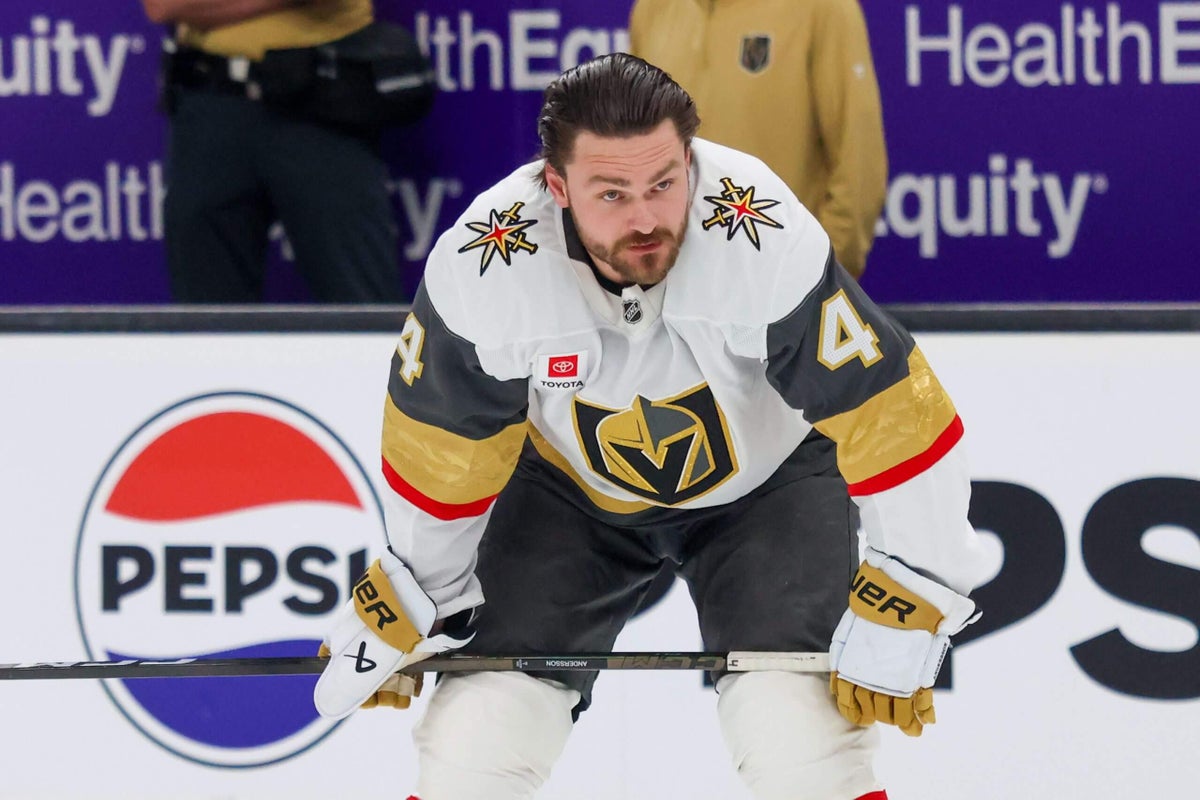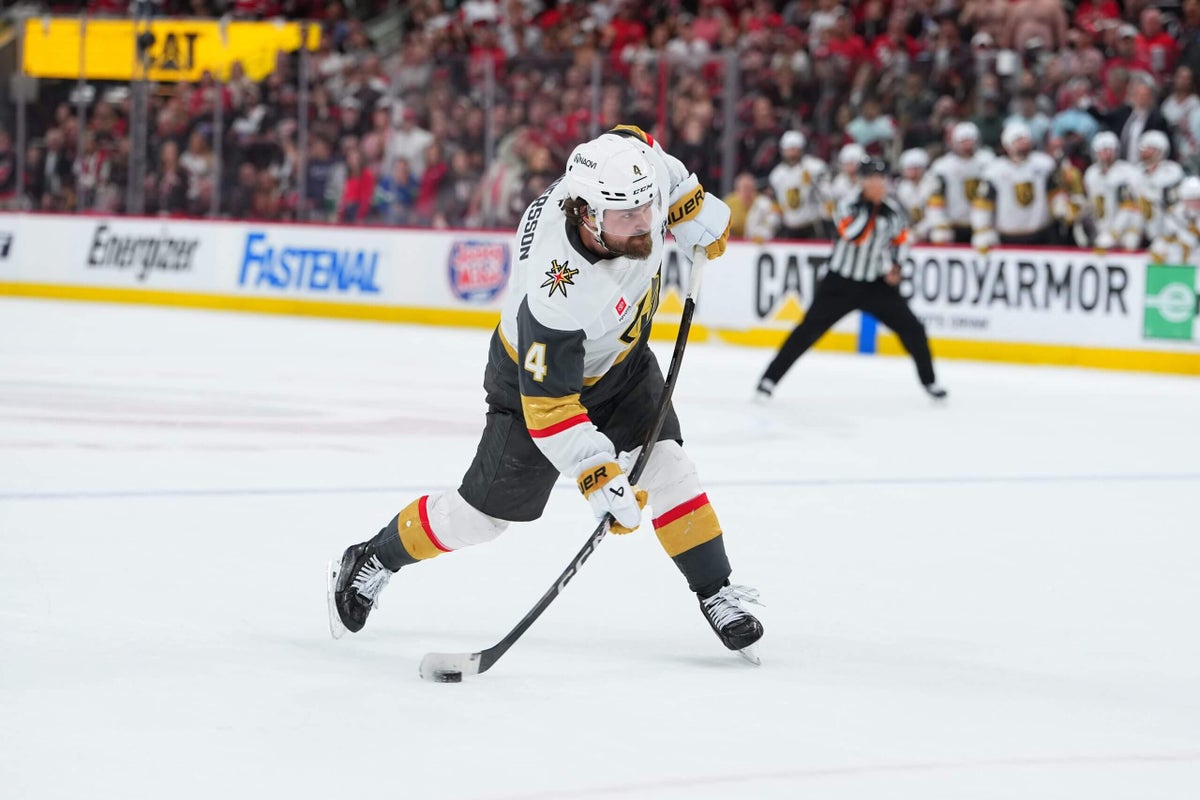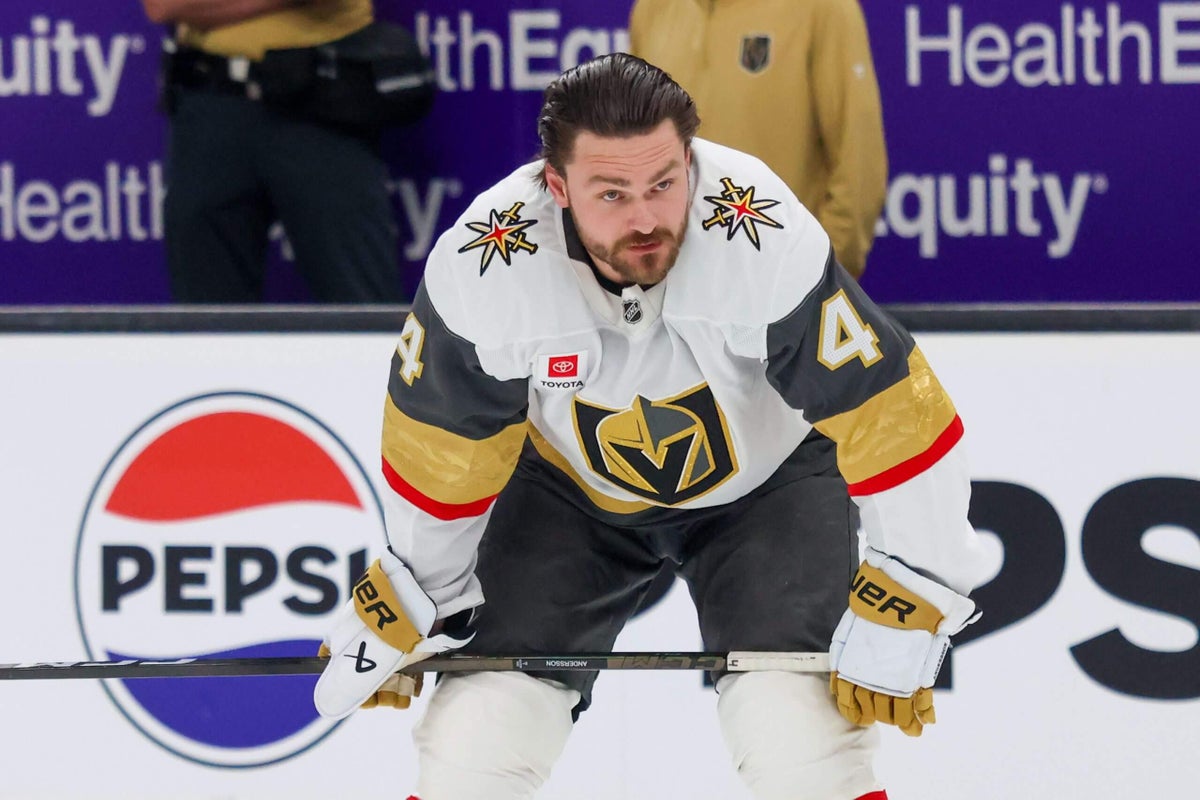
Ramus Andersson is only two wins away from becoming a Stanley Cup champion and weeks away from hitting unrestricted free agency. Forget a buyer’s or seller’s market: It’s a signers’ market. The free agent class is thin, and teams have extra money to spend. It sets up the perfect storm for Andersson to cash in. What he’s worth depends on what version of Andersson a team is getting. But what he could get offered this summer may be a completely different figure altogether. Andersson doesn’t have one standout skill or trademark. His value has always stemmed from his ability to contribute a little bit of everything. He’s seasoned, hard-nosed, can absorb big minutes, limit chances against, skate well, move the puck, and chip in offensively. And there’s one more very important detail: He’s right-handed. Right-handed defensemen aren’t just a commodity; they’re outright coveted. And this year, there aren’t too many true top-four options available. Besides Andersson, there is a really fascinating free agent in Darren Raddysh, who had a breakout year at 30 years old. Otherwise, the list of available players includes names like Jacob Trouba, Connor Murphy, Andrew Peeke, Connor Clifton, Zach Metsa, and Dylan Coghlan. Plus, there’s a handful of 35-plus veterans. That should benefit Andersson and Raddysh. So does the current cap environment. The NHL salary cap is set to jump from $95.5 milliont to $104 million. That is going to give some teams a lot of money to spend, with few options to invest in. Just look at what happened last summer when the cap rose from $88 million. Since there were few stars to break the bank for, the middle class benefited the most. Vladislav Gavrikov signed a seven-year deal with the Rangers. The Blue Jackets gave Ivan Provorov an eight-year deal with an $8.5 million AAV to stay in Columbus. That context is going to be an important part of the puzzle here, especially if Andersson hits the market on July 1. AFP Analytics projects a six-year extension worth $8.70 million a year, on average. Evolving-Hockey comes in higher, whether he stays in Vegas ($9.65 million AAV over eight years) or signs elsewhere (seven years, $9.01 million AAV). That $8.70 million cap hit would be worth 8.40 percent of the $104 million cap, which falls between the Gavrikov and Provorov contracts, and passes the vibe check in terms of recent market trends. But Andersson’s actual level of play and worth should matter, too. He isn’t even projected to be worth $8 million at any point in a seven-year deal, even when accounting for salary cap increases; his average market value over the next seven years, instead, is $6.8 million. No projection is complete without some level of uncertainty. Aging curves offer a glimpse at how most players trend at certain points in their careers, but every player is unique. A player’s surroundings and durability can impact that long-range outlook, too. The path for Andersson isn’t predetermined; there is a range of outcomes for how his next deal could age. So there’s a chance that he could be worth $8 million at some point, in the right surroundings.
Rasmus Andersson’s inconsistent play makes his next contract risky
What Andersson is worth depends on which version a team is getting.
1,275 words~6 min read