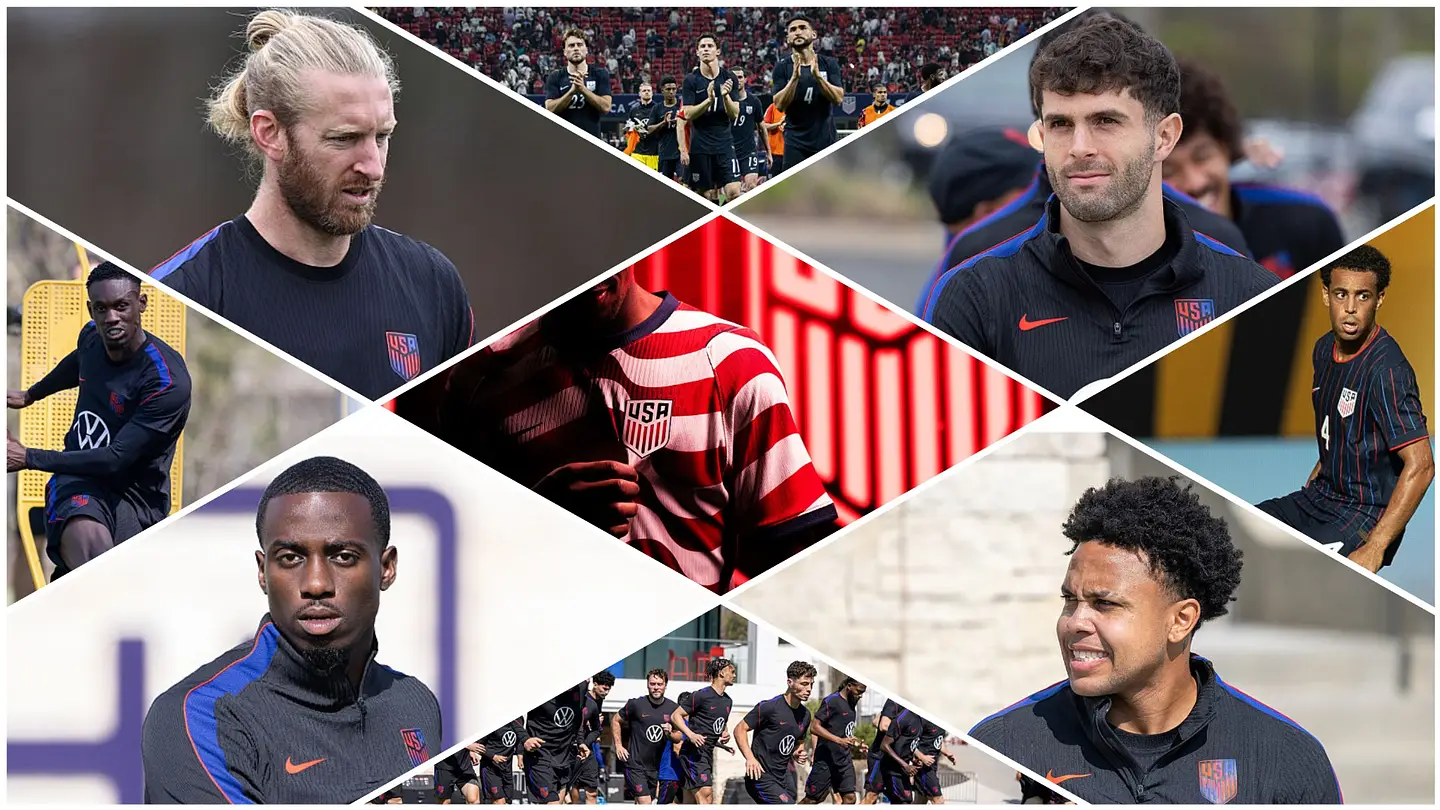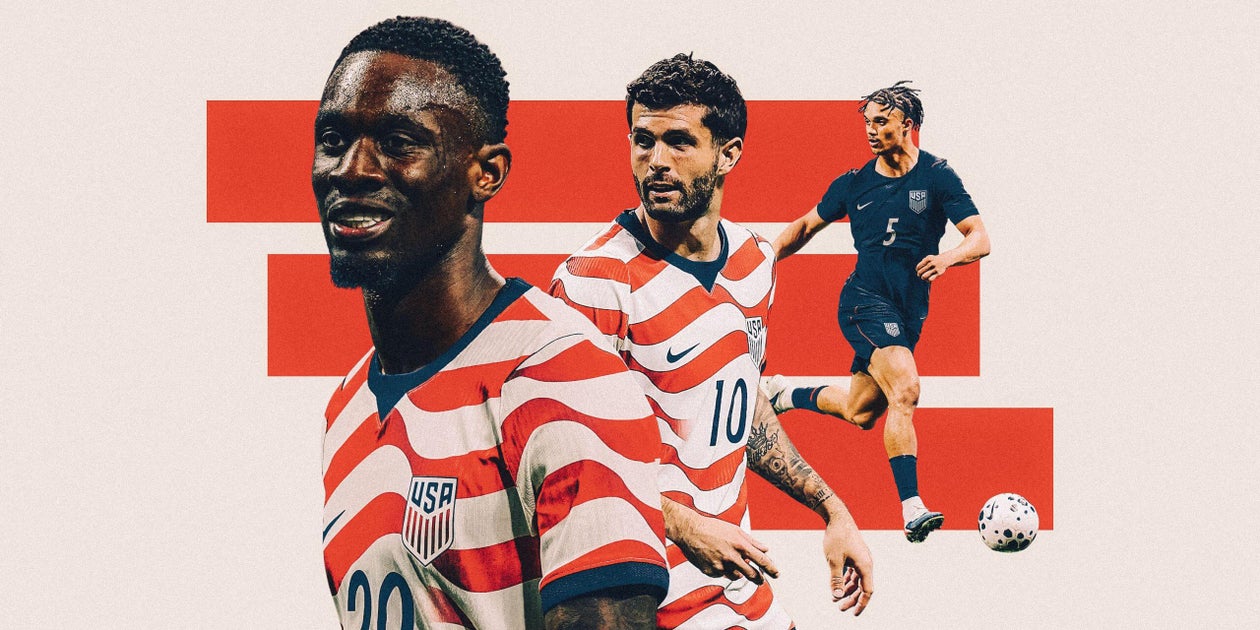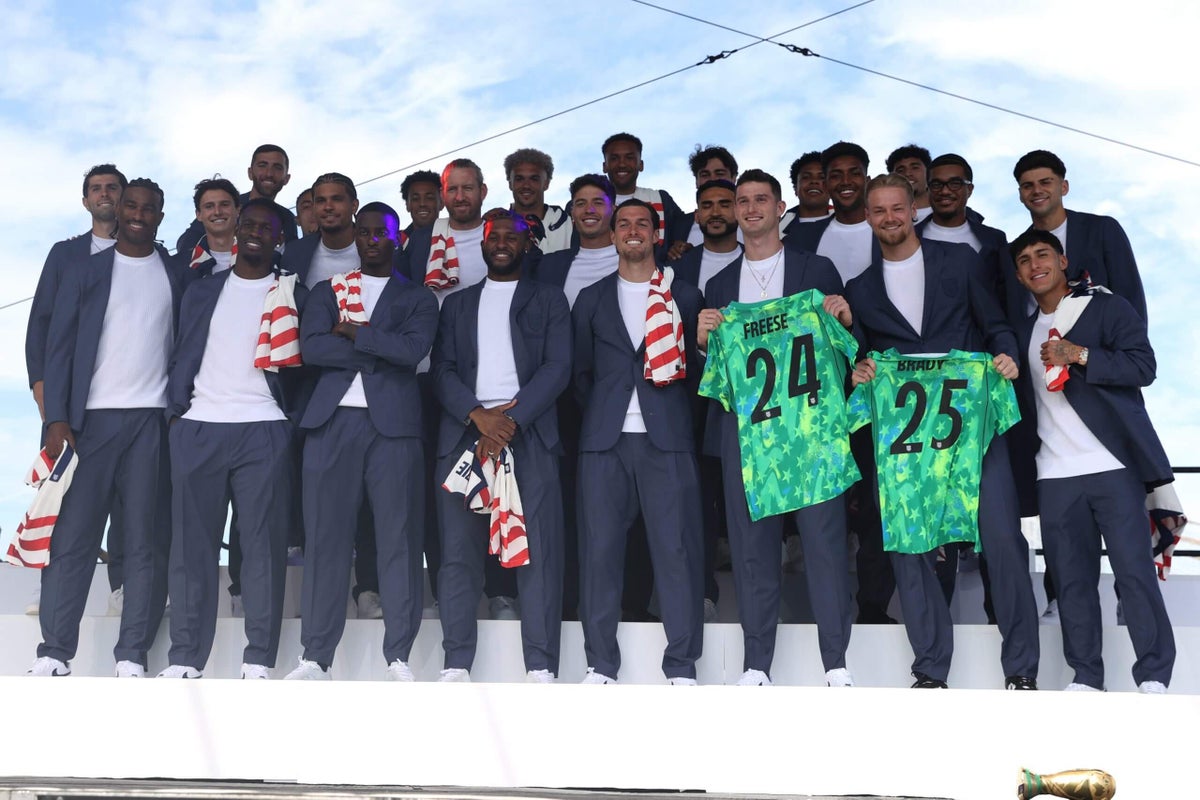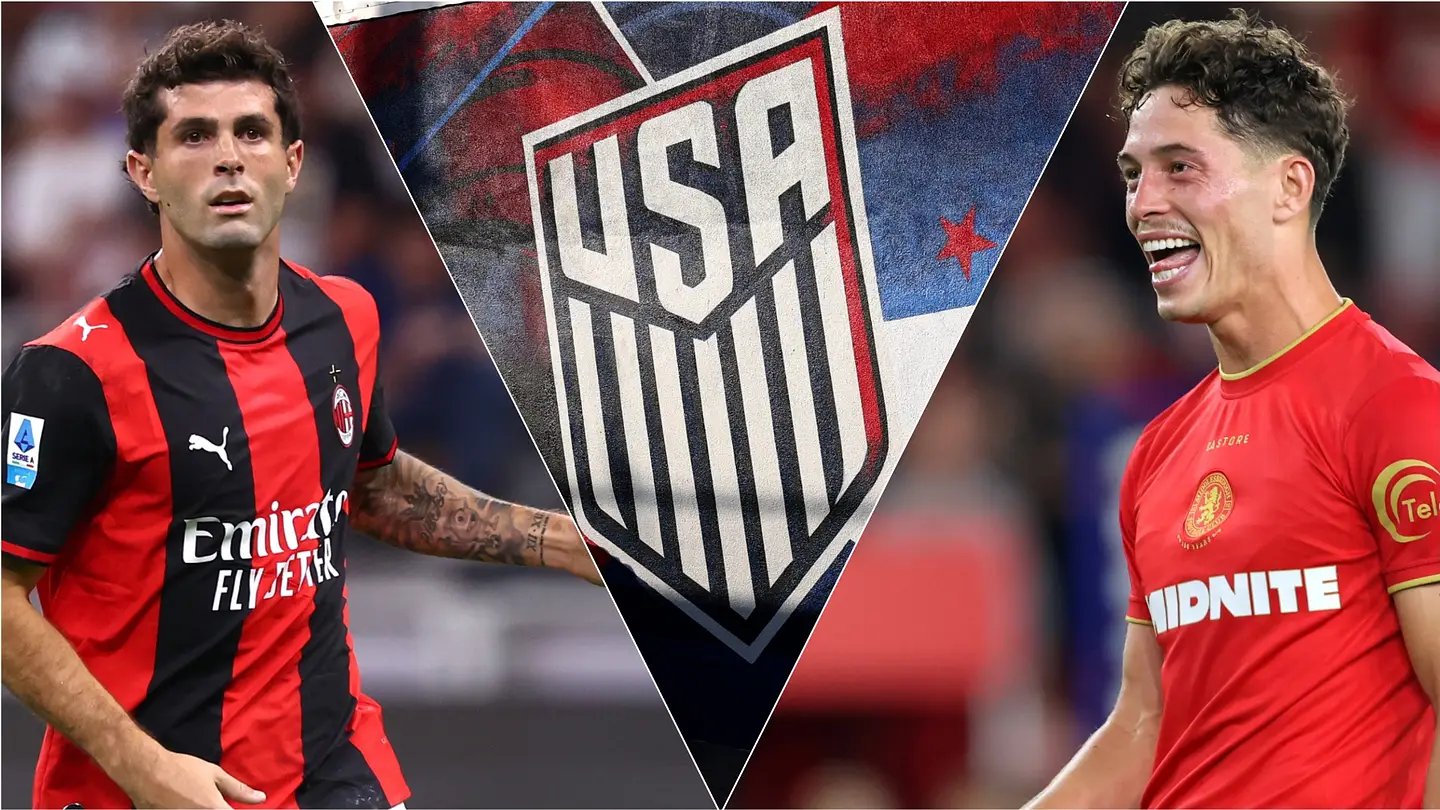
Get free access to the most comprehensive World Cup coverage in The Athletic app.The 26 soccer players who’ll represent America at the 2026 World Cup hail from 12 states and three foreign countries.They now play professionally in 10 leagues, from Mexico to Canada, from England to Italy.Some moved away from home as teens to pursue this global sport, which will descend on North America beginning Thursday. But others took a more traditionally American route to the pinnacle.Each player’s path was distinct. But together, they tell a story about how American boys can grow from soccer-loving kids into World Cup players — and about how the pathway has changed over the past two decades.Where a U.S. player’s World Cup journey beginsThe path to the U.S. men’s national team can begin anywhere.It can begin in Birmingham, Ala., like for Chris Richards, the son of a former professional basketball player; or in Southern California, where it began for Haji Wright and Cristian Roldan. It can begin in the Northeast, which accounts for 11 players on the 2026 World Cup roster; or in El Paso, Texas, the border town that reared Ricardo Pepi and Alejandro Zendejas.It can also begin overseas. Six of the 26 players were born abroad. Two, Gio Reyna and Sebastian Berhalter, were the sons of U.S. national teamers playing in England; both moved with their families back to the States at young ages, and identify with hometowns here. So does Zendejas, who was born in Ciudad Juarez, Mexico, but moved to El Paso. Folarin Balogun, on the other hand, was born in Brooklyn but went with his family back to London when he was one month old.Any American citizen is eligible to play for the USMNT. Balogun, despite coming through the English soccer system, was a U.S. citizen by birth. Antonee Robinson (from Liverpool, England), Malik Tillman (from Fürth, Germany) and Sergiño Dest (from Almere, Netherlands) have American parents and chose to play for the USMNT rather than for the countries that raised them.Several U.S. players also bounced around to different cities, states and countries. And in some cases, their nomadic childhoods helped them fall for the sport.Weston McKennie — whose dad, John, was in the military — was born in Fort Lewis, Wash., but spent time in Fort Lee, Va., and Otterbach, Germany, before settling in Little Elm, Texas.Christian Pulisic was born and raised in Hershey, Pa., but spent a year in England — where his mother, Kelley, taught on a Fulbright scholarship — and two years in suburban Detroit — where his father, Mark, coached and managed an indoor soccer team — before returning to central Pennsylvania.Berhalter went from England to Germany to Southern California to Sweden to Columbus, Ohio, following his dad. His six years in Germany as a child, he said, “made me realize how important soccer was, and ... how much they lived and breathed it. Going to those games, watching my pops play, seeing the passion of the fans, kinda bred that intensity, that passion into me.”Within the U.S. as well, Matt Freese, from suburban Philadelphia, spent time in Minnesota and South Carolina. Alex Freeman was born in Baltimore but mostly grew up in Florida. Considering only the place a player identifies as his hometown is an imperfect representation of his upbringing.
‘Everyone’s journey is different’: The many pathways USMNT’s 26 players took to the World Cup
How these U.S. kids became 2026 World Cup stars, and how the journey and route to reaching this career milestone have evolved over time
1,649 words~7 min read