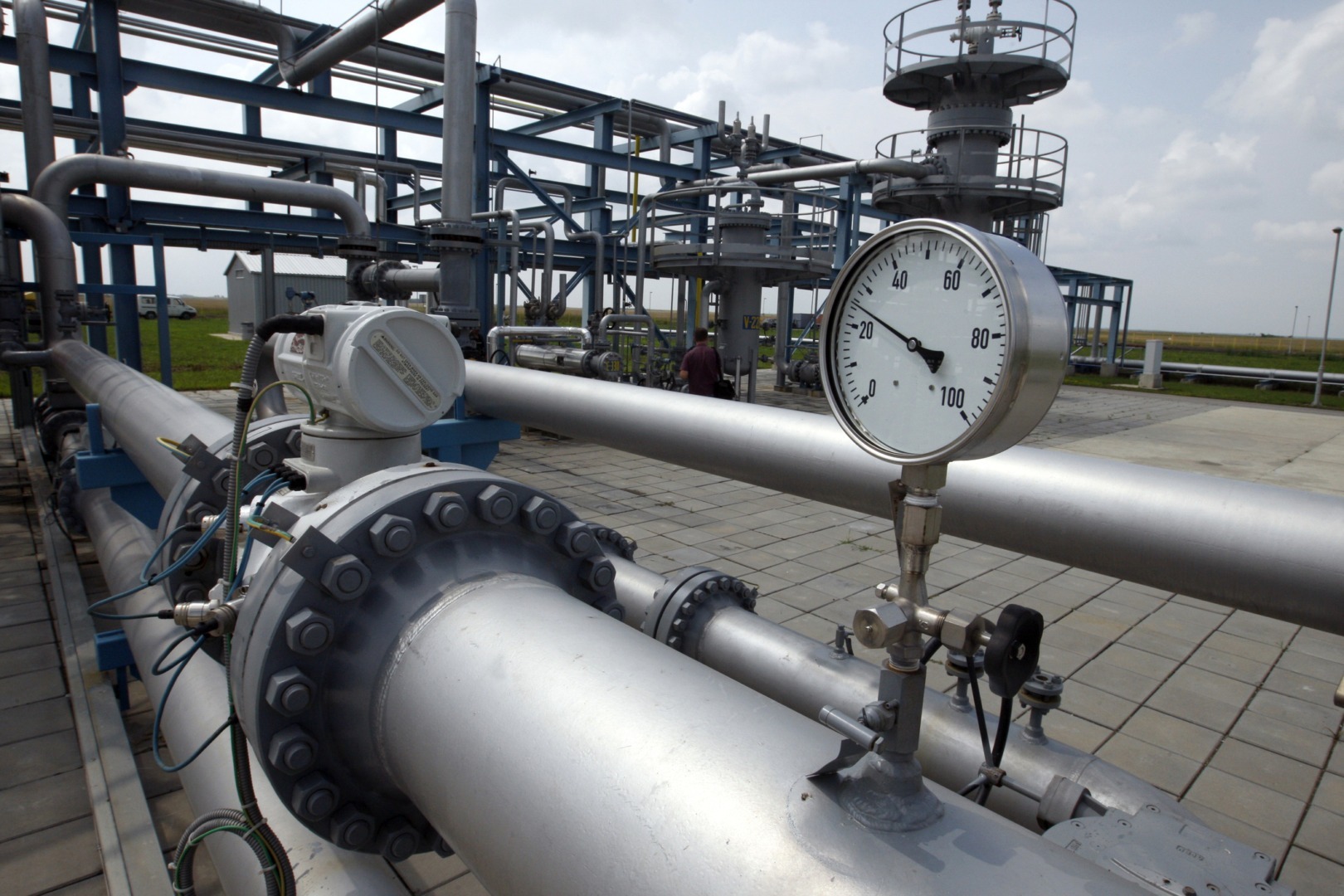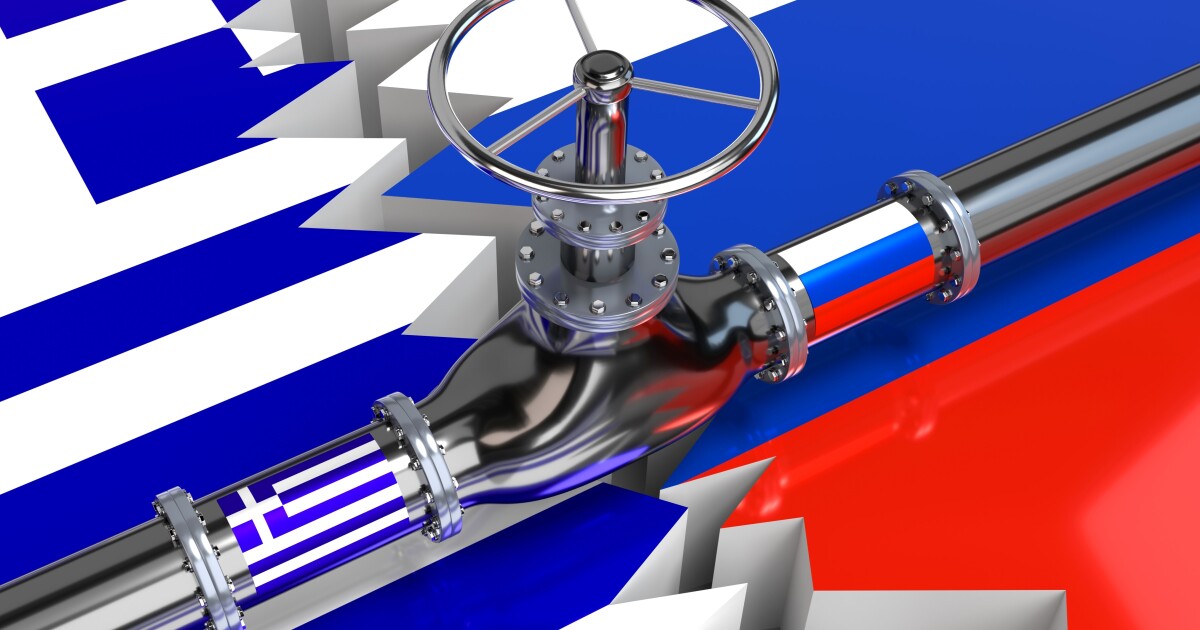
Greece is rapidly weaning itself off Russian natural gas, with liquefied natural gas emerging as the dominant energy source in the first five months of 2026, according to data released by the Green Tank think tank.
LNG covered 64.3% of domestic demand from January through May, while Russian gas fell to a 24.4% share – down sharply from 44.6% at the end of 2025. Russian gas imports entering the Greek system through the Sidirokastro crossing totaled 7.2 TWh, a 39.3% drop from the same period last year. Azerbaijani gas, delivered via the TAP pipeline through the Nea Mesimvria entry point, also lost ground, slipping to a 14.7% share with imports of 4.3 TWh, down 4.5%.
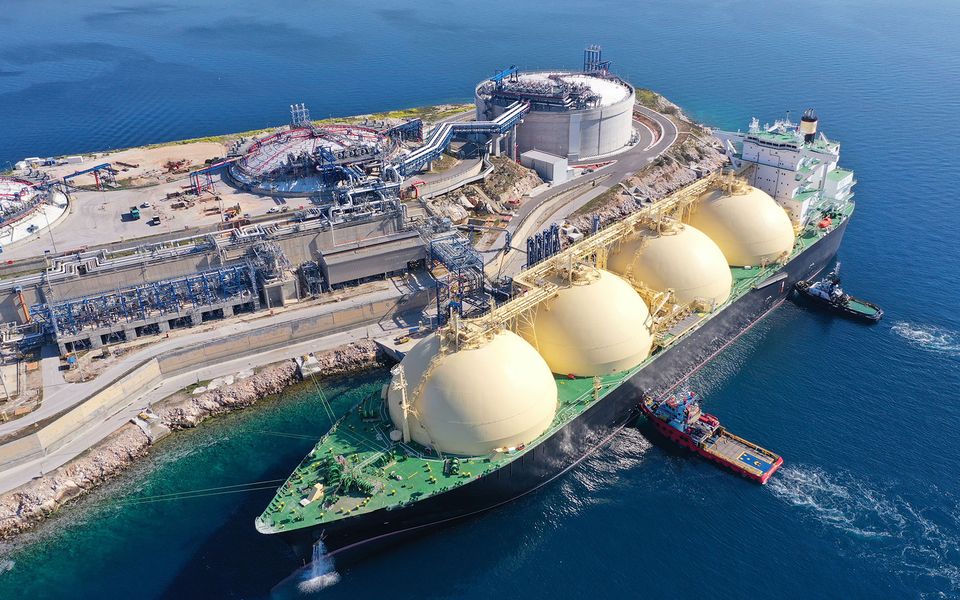
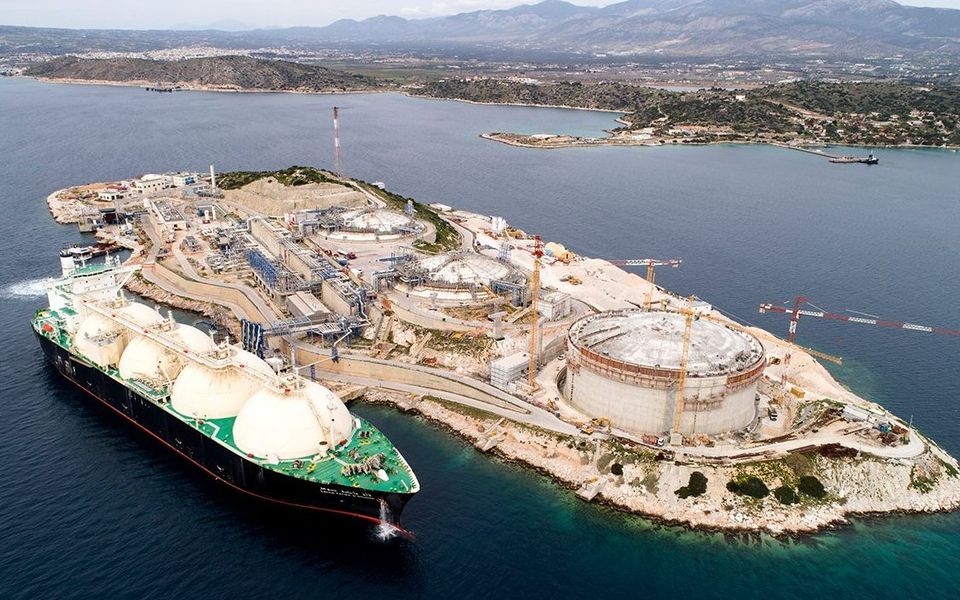
LNG imports through the Revythoussa terminal and the Alexandroupolis floating storage and regasification unit reached a combined 18.9 TWh for the period, a record for that timeframe.
Greece is on track to achieve full independence from Russian gas by end-2027, though the transition is coming at a cost, as increased LNG imports have been hit by elevated prices driven by renewed tensions in the Middle East.
A further concern, shared across Europe, is the growing dependence on American LNG, which at times accounted for as much as 80% of Greece’s total LNG imports during the period.