in Architecture, History | June 11th, 2026 Leave a Comment
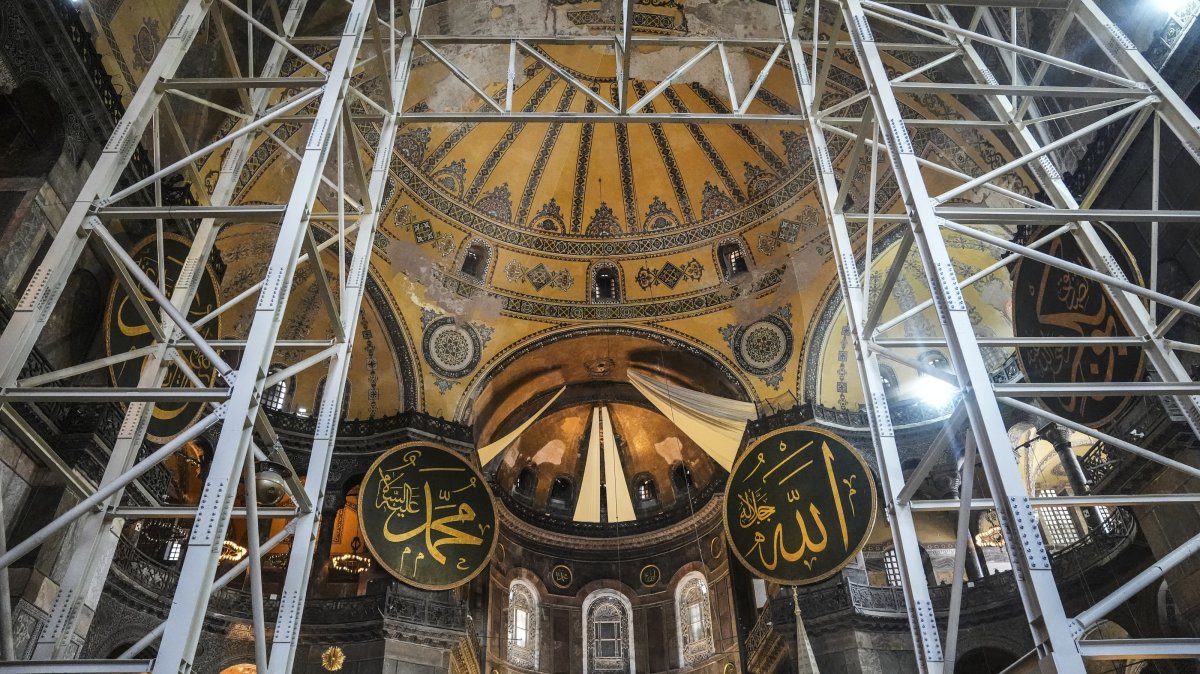
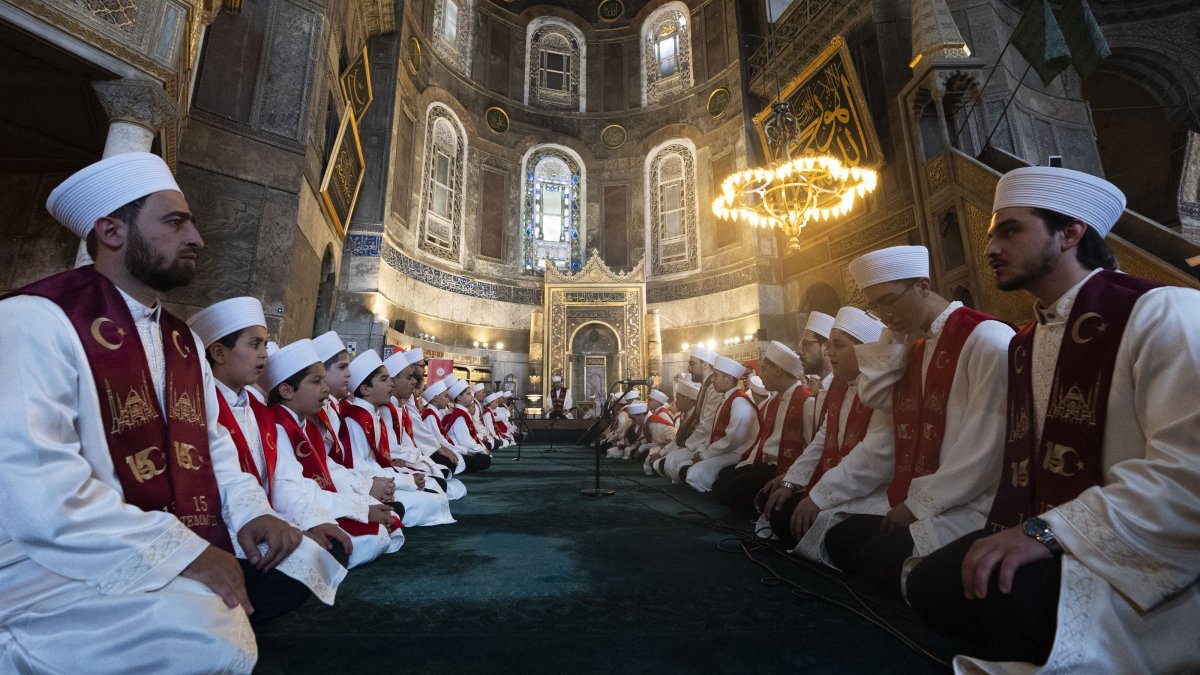
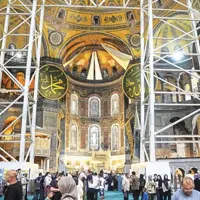
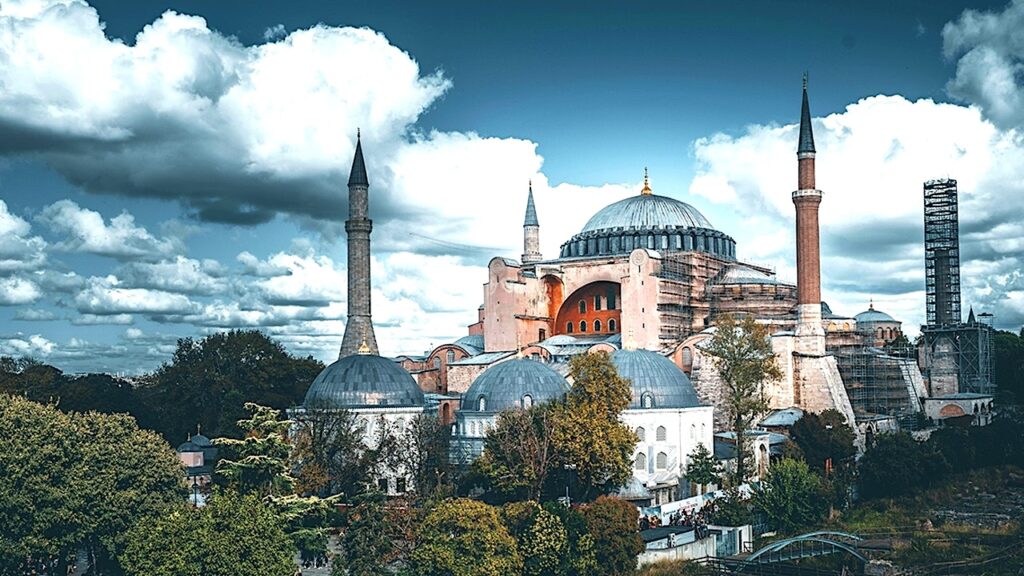
Ask around for what everyone knows about Istanbul (other than that it used to be called Constantinople), and you’ll find that the presence of Hagia Sophia there comes right to many a mind. Less likely to be mentioned is its proneness to earthquakes, though it tends to rank just below Tokyo on lists of cities under the greatest threat from fault lines below. These two characteristics turn out to have a connection, manifest in the ongoing seismic retrofitting of Istanbul’s symbolic cathedral-turned-mosque-turned-museum turned-mosque-again. Hagia Sophia is one of the most celebrated religious buildings standing; keeping it that way requires a serious engineering effort, as explained in the new B1M video above.
Since it was first built in the fourth century, Hagia Sophia has actually sustained severe earthquake damage quite a few times, including a complete collapse of its cupola in the year 558 and partial collapses in the tenth and fourteenth centuries. The construction of its famous central dome, along with the smaller sub-domes that support it, gets a section of its own in the video.