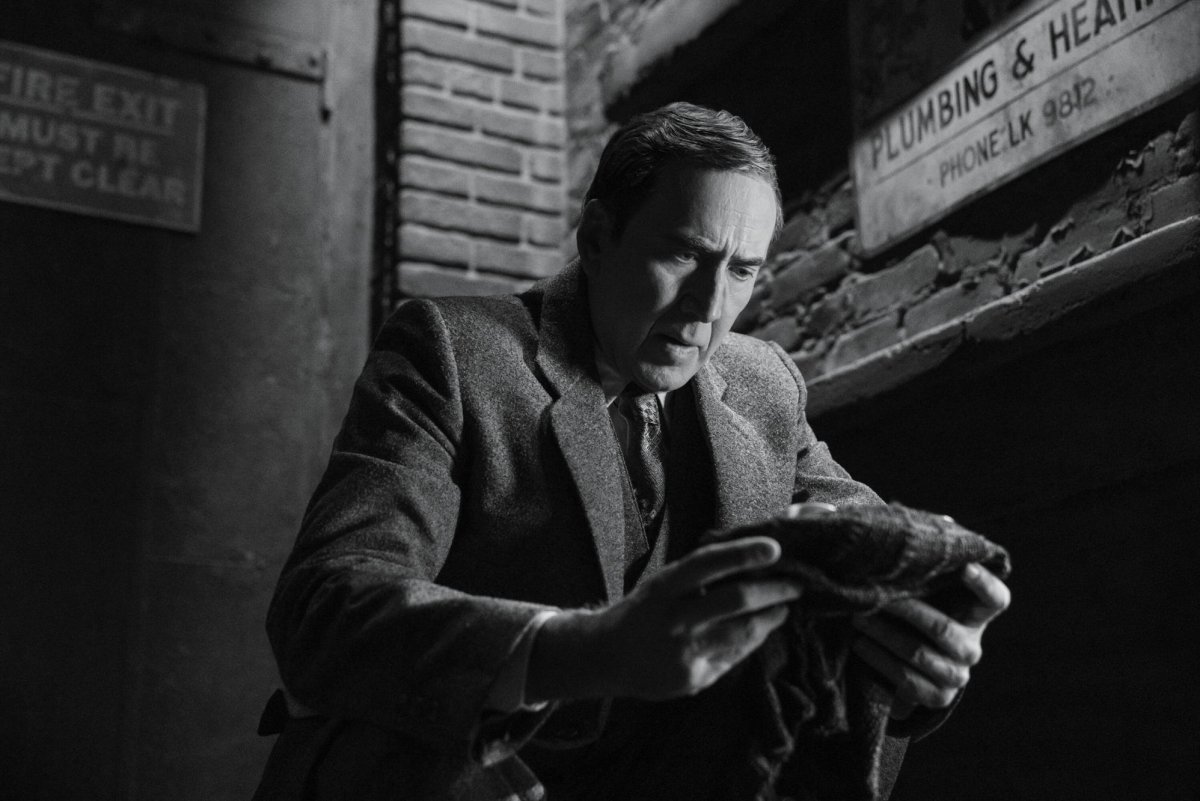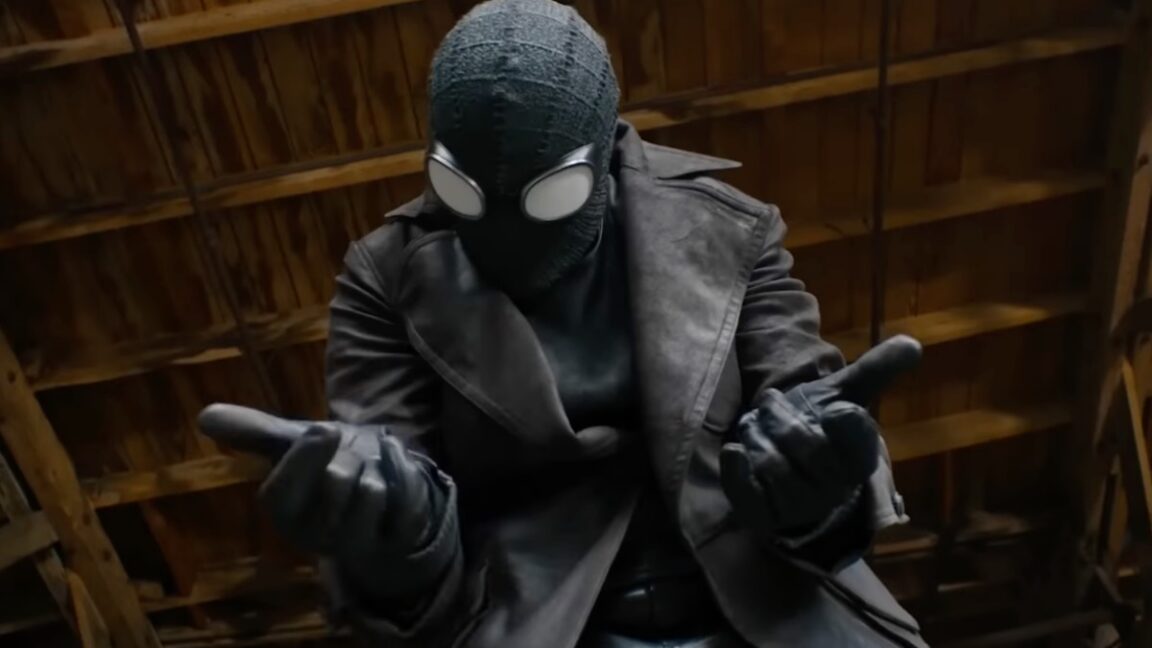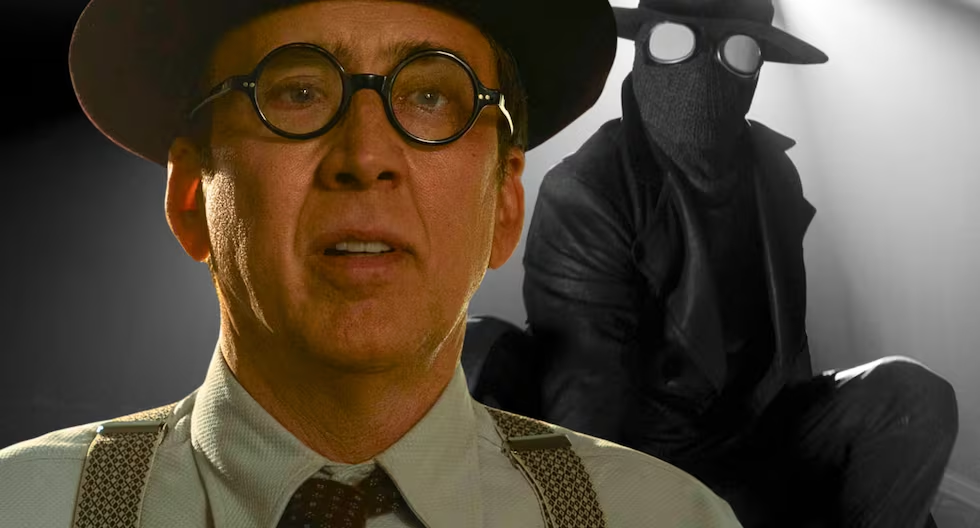
The photography in the black-and-white version of Spider-Noir, starring Nicolas Cage, almost changes the genre.
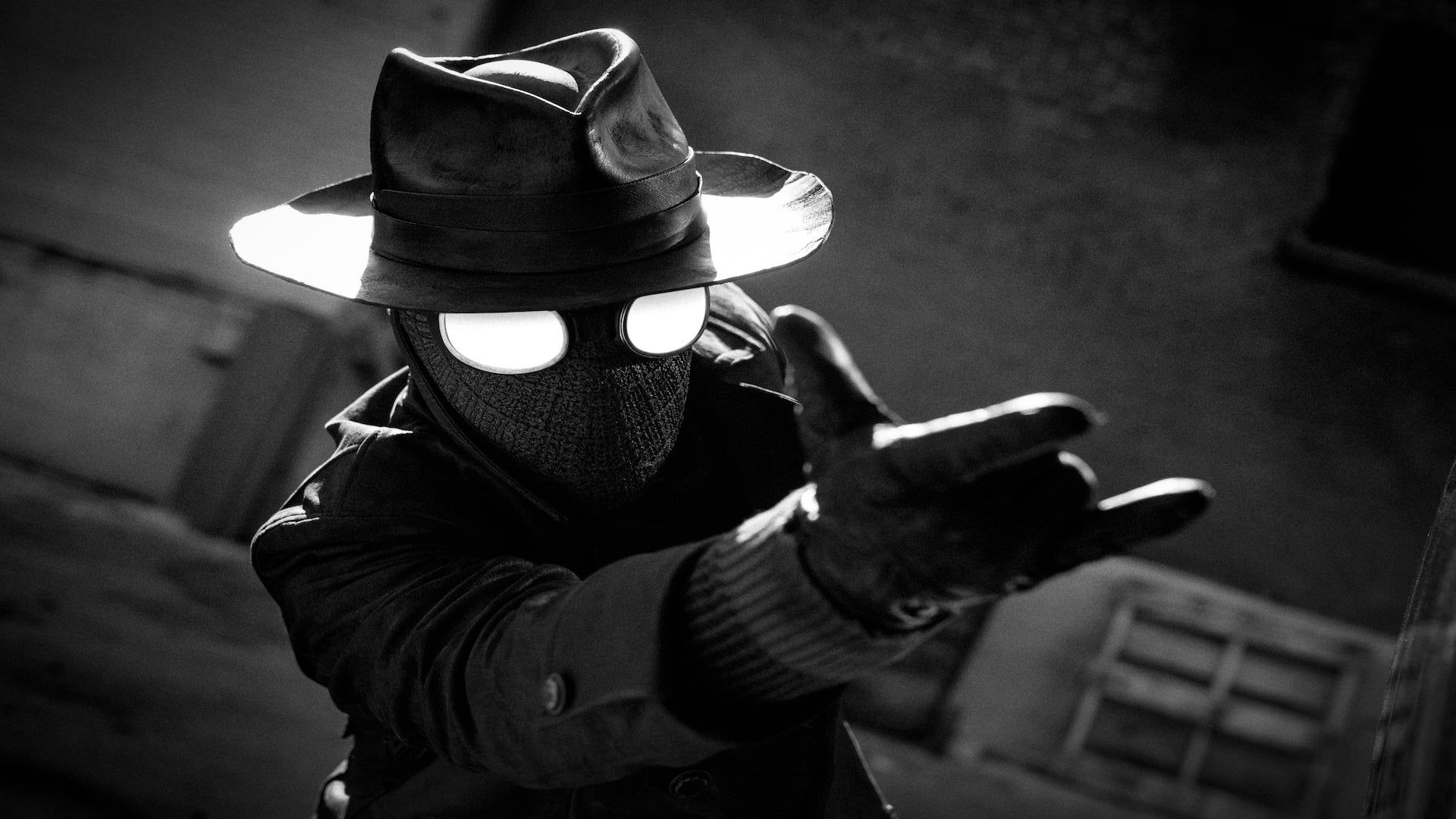
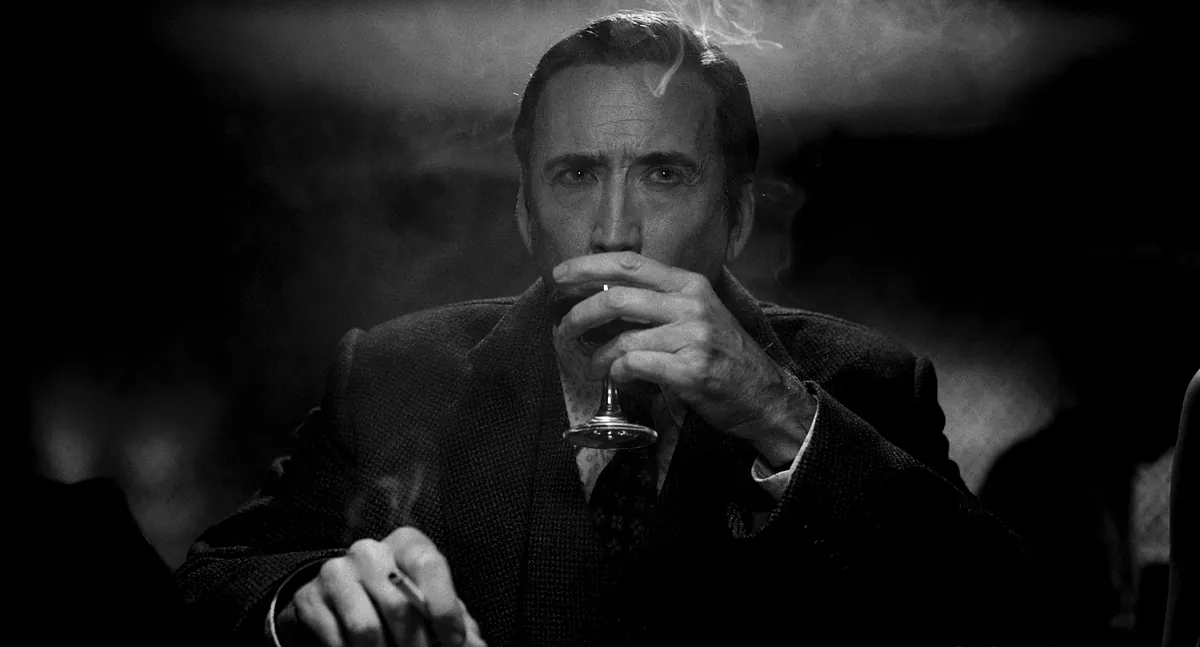
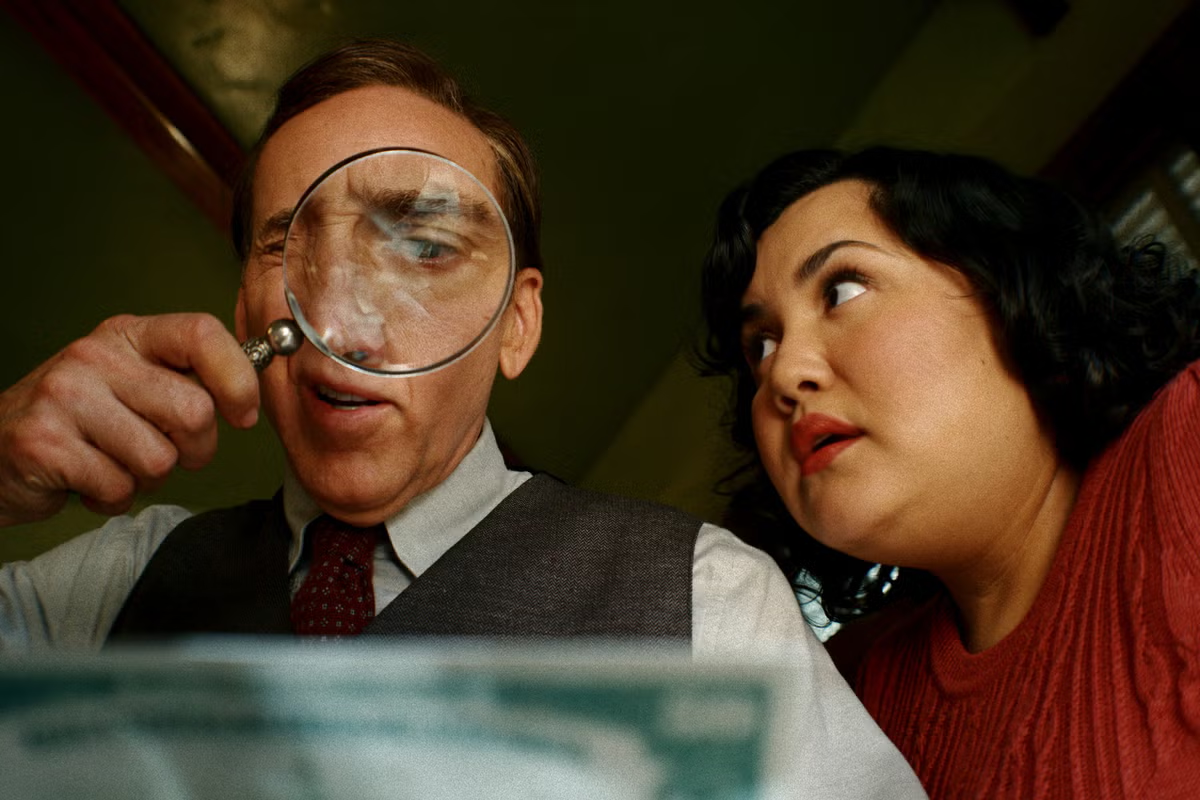
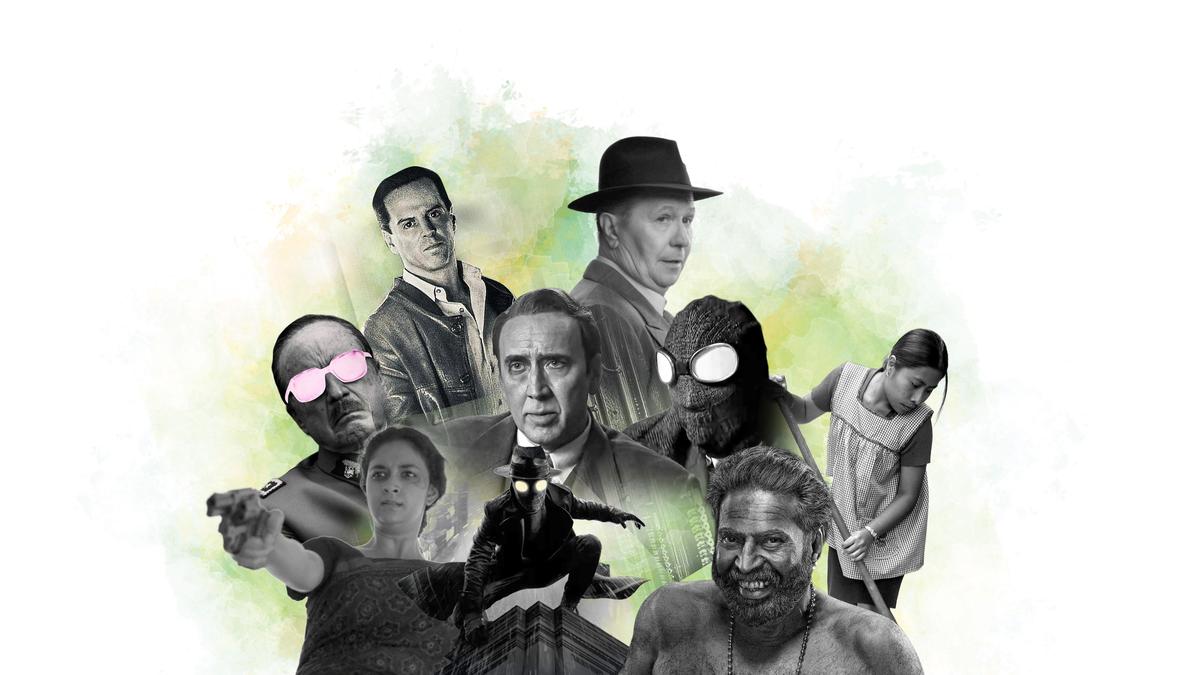
In the crowded world of streaming releases, it never hurts to have a gimmick. For the recently released Amazon Prime Video series Spider-Noir (starring Nicolas Cage as the web-slinging superhero), it’s the two options at the bottom of the screen that viewers are greeted with. The show reimagines the Spider-Man lore in 1930s America, with Cage playing a middle-aged private investigator version of Spidey.You can opt to watch it in ‘Tru-Hue’ (full-colour version) or a black-and-white version, which was developed parallelly. I enjoyed the full colour greatly, especially its impressive channelling of plot points and period details from 1930s American crime-fighters (from comics and magazines) like The Shadow and Spirit. But the black-and-white version left me curiously unsatisfied because the photography almost changed the genre. This was a moodier, grittier story more in the Dashiell Hammett/Raymond Chandler mould, with much less by way of humour and comic-book capers.The experience did, however, get me thinking about streaming-era films and TV shows that have used black-and-white photography in a much more organic and effective way. Perhaps the finest example is the Netflix limited series Ripley, directed by Steven Zaillian and starring Andrew Scott as the titular con-man. Set in Italy’s gorgeous Amalfi coast, the monochrome frames of this psychological thriller enhances the audience’s insight into Ripley’s psychopathy, giving mythic proportions to the proceedings. (Joel Coen’s black-and-white Macbeth does the same on a smaller scale in several scenes, using the interplay of light and shadow.) A simple epic stairway confrontation in episode 5, for example, turns into a bedazzling and disorienting M.C. Escher painting.An obvious choiceA close second would be Alfonso Cuarón’s semi-autobiographical film Roma (2018), among Netflix’s first major Oscar triumphs, with Cuarón winning Best Director, Best Cinematographer and Best Foreign Film. The way he uses black-and-white frames is very different from Ripley. Unlike Zaillian, Cuarón is not particularly interested in the raw dramatic potential of grey-scale photography. Instead, his usage is slow, deliberate and painterly. A scene where protagonist Cleo is running and then walking through a market is exceptionally shot. As is the film’s climactic 12-minute sequence, with barely a cut, as Cleo rescues a child from being drowned in the ocean. It may not have worked as well with conventional, full-colour photography. A trick to that scene is how easily the action shifts from a family-album tonality (beach trip, children squealing happily) to a high-stakes rescue in a completely believable, real-world way.Sometimes, there are structural reasons for certain projects to be an automatic fit for black-and-white. Take these two Netflix period dramas: Pablo Larraín’s El Conde (2023) and David Fincher’s Mank (2020). El Conde evokes the classic vampire films of Bela Lugosi et al by reimagining the Chilean dictator Pinochet as a 250-year-old vampire, desperately searching for death.Mank is a sweeping look at World War II-era Hollywood, through the eyes of Herman Mankiewicz, the screenwriter of Orson Welles’ Citizen Kane (1941), widely considered the greatest film of all time.Danish film The Girl with the Needle (2024; on Mubi India) turns the monochrome angle into pure Gothic horror — a script loosely based on a real-life serial killer Dagmar Overbye, a child caretaker (for children born outside of wedlock) who killed over a dozen toddlers in her care. In a scene, young protagonist Karoline, working for Dagmar as a wet nurse, first discovers her employer’s true character, by candlelight no less. The look of horror on Karoline’s half- illuminated face demanded black-and-white imagery — the shot would have been over-lit and utterly ruined with a paint-by- numbers cinematographer.Closer homeIn India, a recent film I’d cite in this context is the excellent 2024 Malayalam horror Bramayugam (2024), starring Mammootty as an ageless, supernatural entity (some would argue he’s exactly that in real life) bonded with a crumbling ancestral house. Having seen the trailer, and particular about the film’s photography, I sat down with the theatre’s staff before the film started, to discuss the minute adjustments they had to make regarding brightness levels, contrast, et al. Indeed, there were a few reports of certain multiplexes facing problems with their projection and DCP (digital cinema package) settings on the release day.Tamil films Saani Kaayidham (2022) and Rocky (2021), both directed by the very promising Arun Matheswaran, also include extensive black-and-white sections, handled deftly. His best-known film Captain Miller (2024), starring Dhanush, doesn’t use this device all that much but the film begins with a beautiful black-and-white oral storytelling scene. The strength, starkness and versatility of monochrome photography remain unmatched, especially in skilled hands. It’s great news for film buffs, as more and more studios and creators recognise this.The writer is working on his first book of non-fiction. Published - June 11, 2026 07:00 am IST