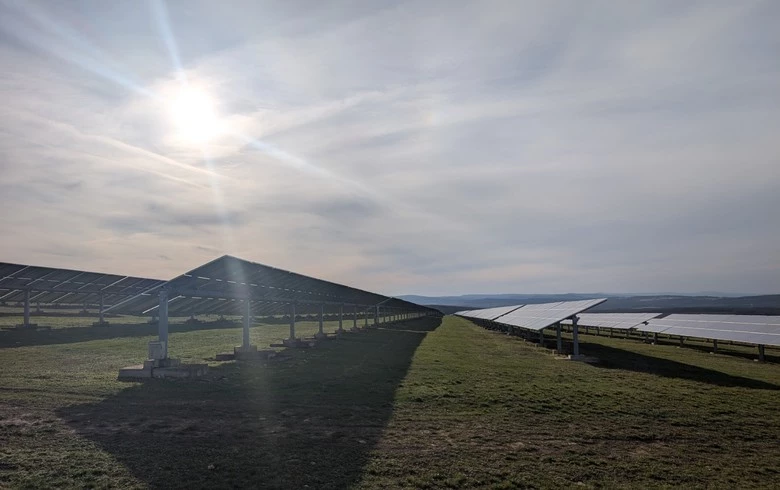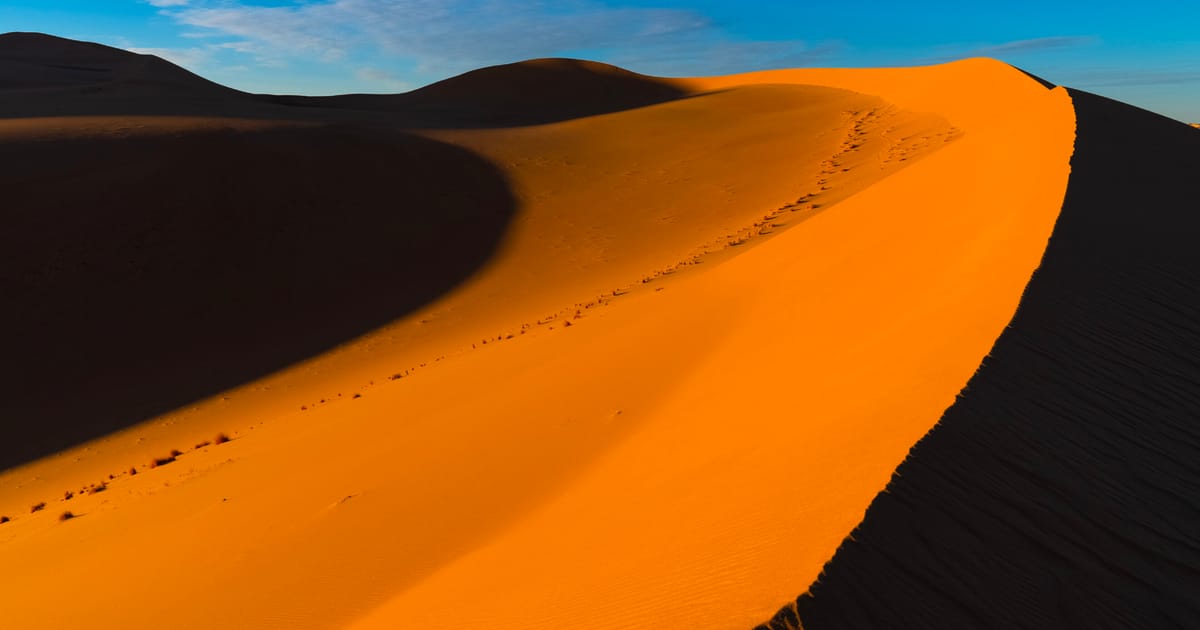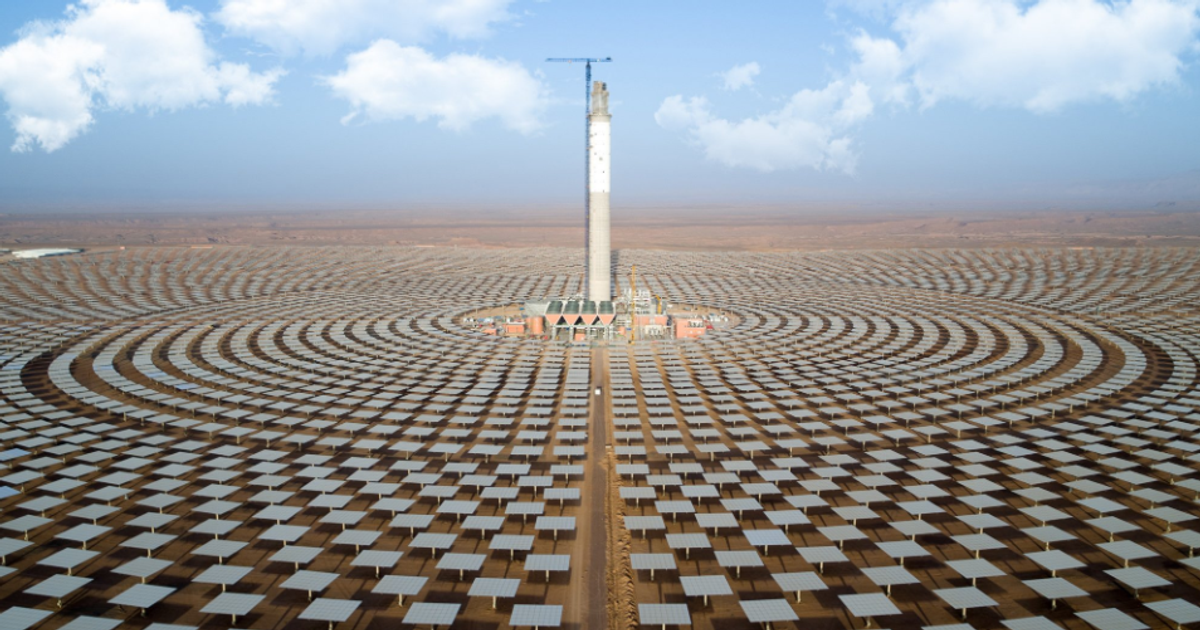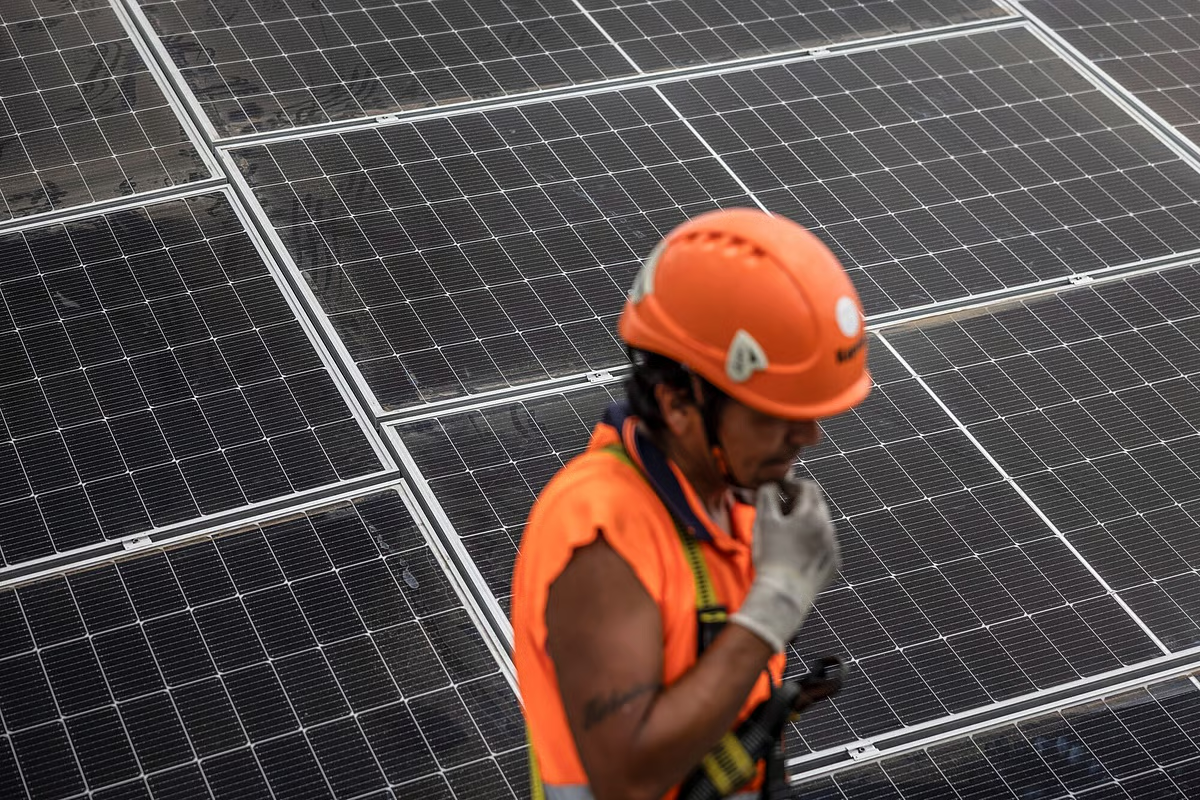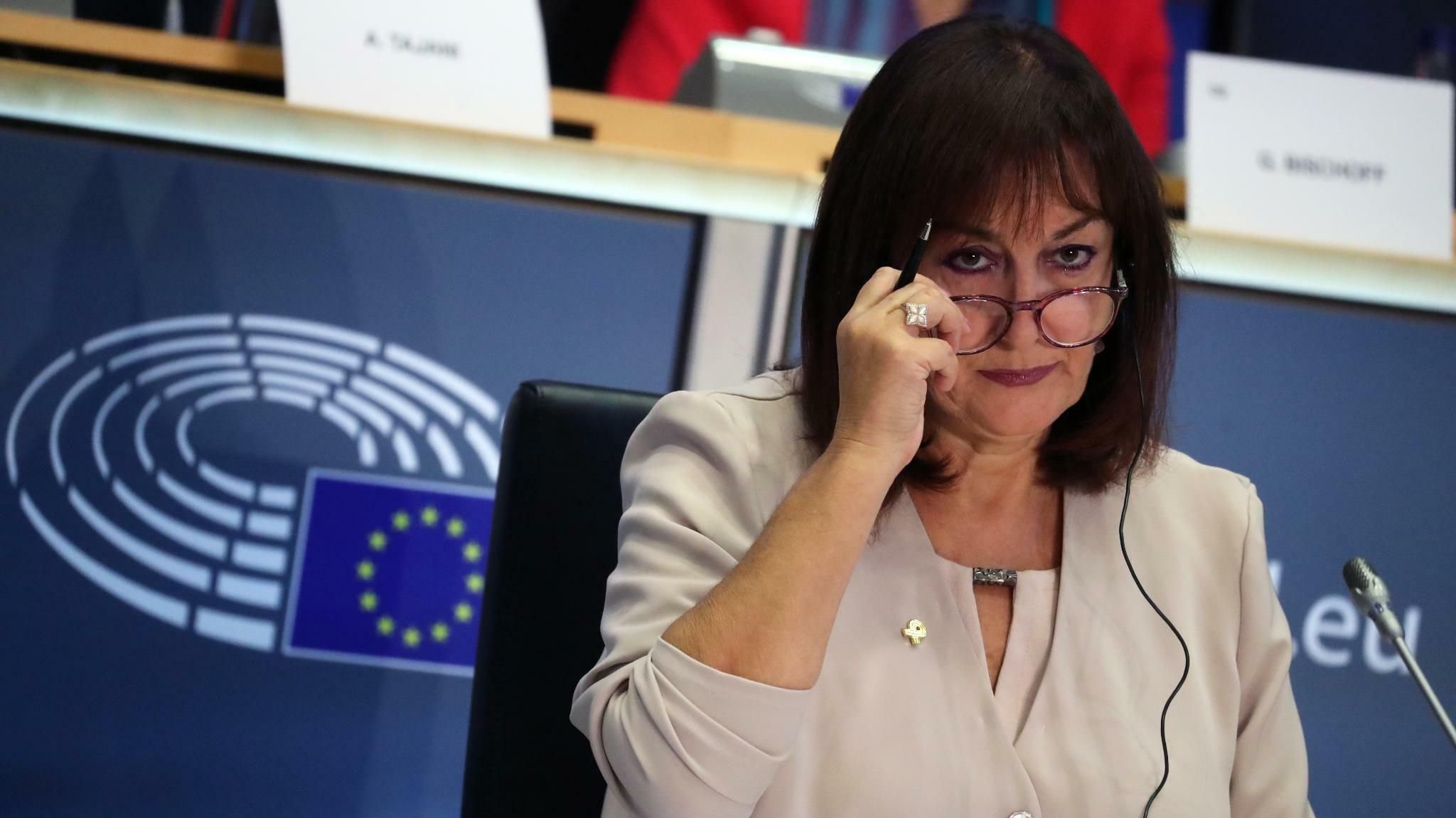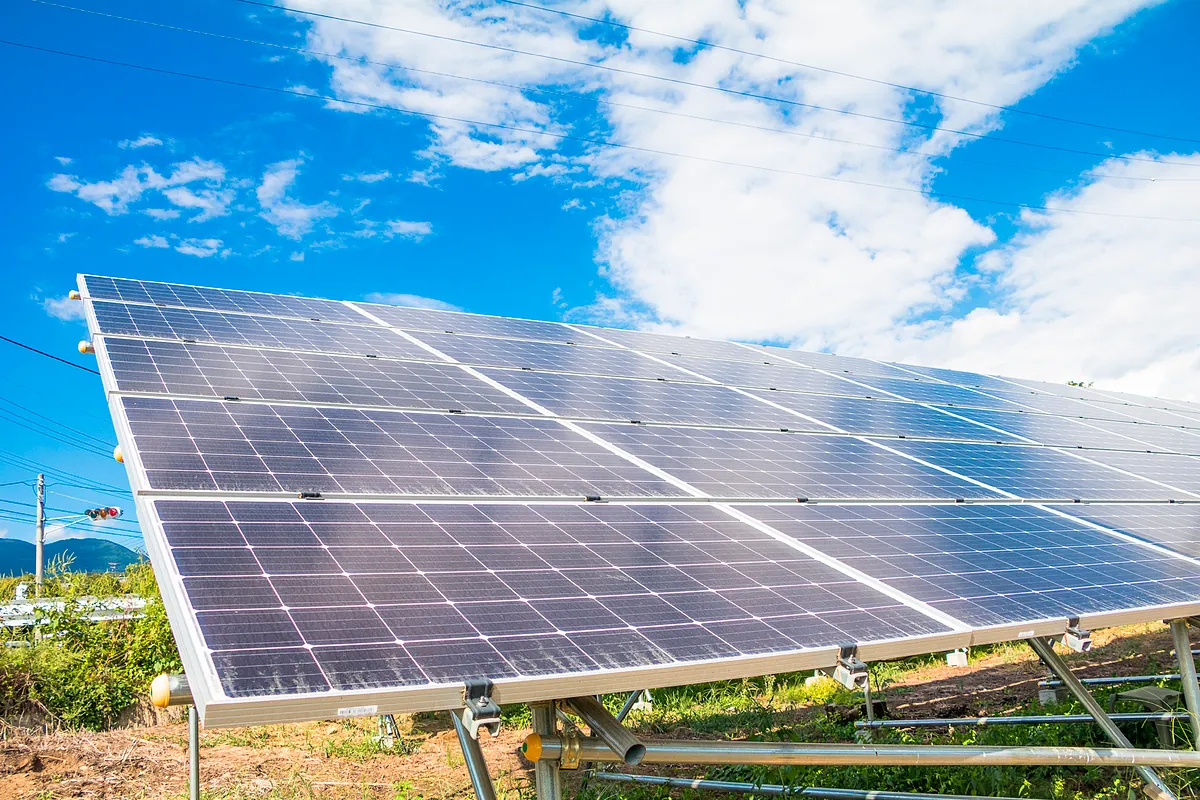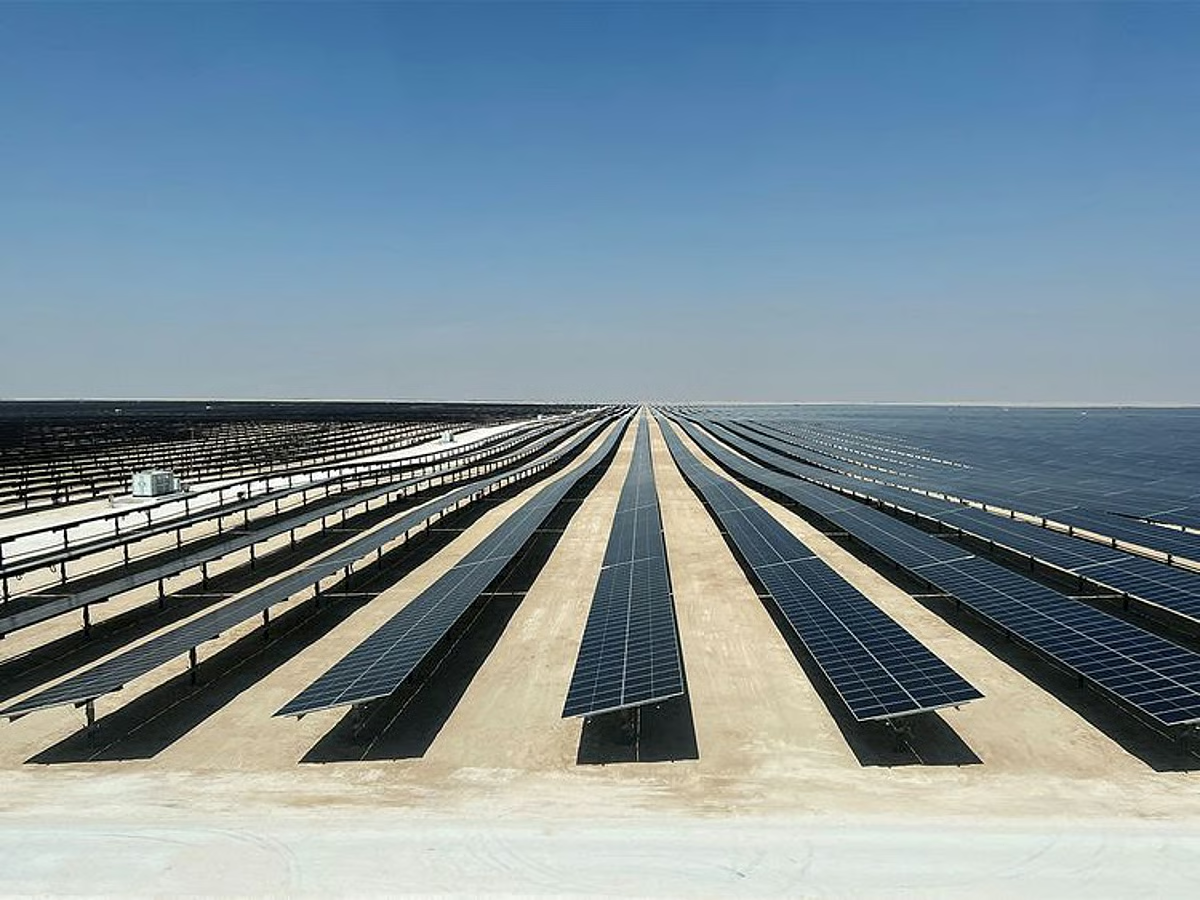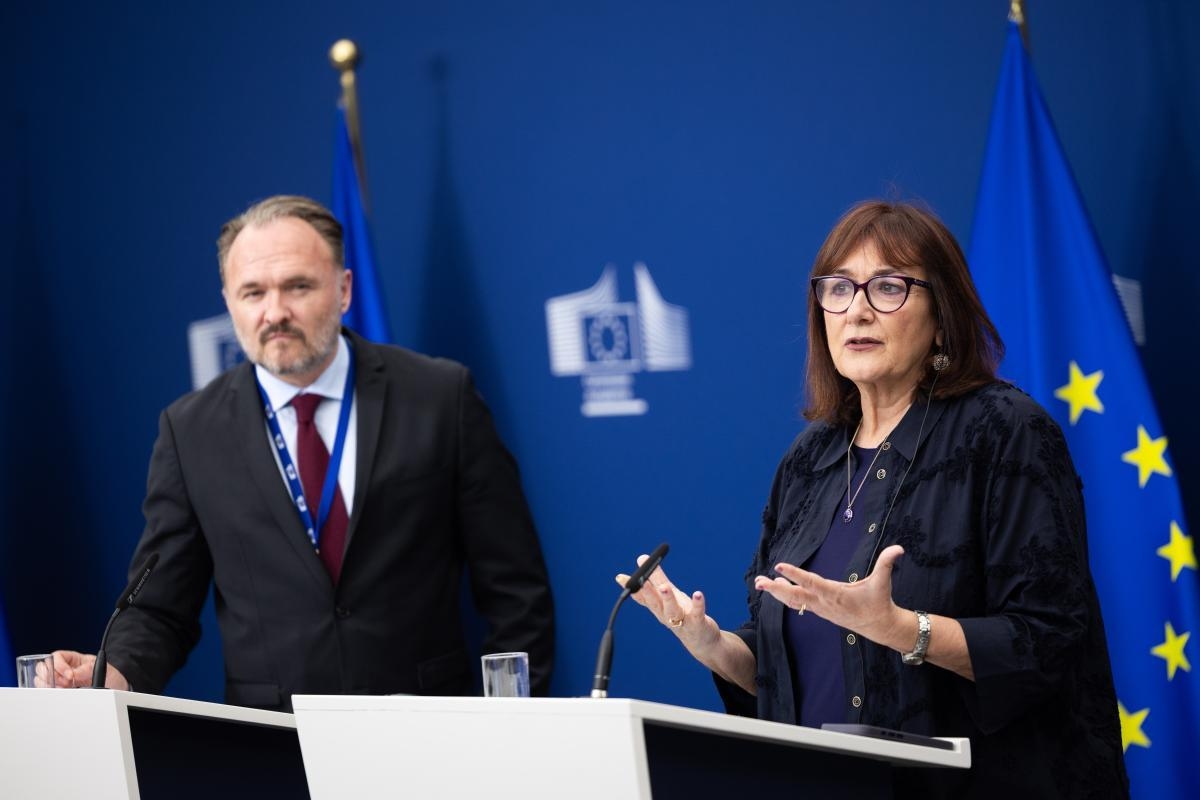
The European Union, which has been starved for cheap energy since the start of the Ukraine war, is betting that the future of its energy system lies under the North African sun. On Tuesday, the European Commission pledged €5 billion of EU money to renewables projects in North Africa and the Middle East, which could feed electricity back into Europe’s grid, Politico reported.The dream is that solar panels in the sun-soaked Sahara Desert and wind turbines along the southern and eastern shores of the Mediterranean generate electricity that is then sent through high-voltage transmission lines under the sea and into Europe’s grid. While visionary, the probability of this happening in the next decade is slim, meanwhile the bill for Europe - which is even more cash-strapped than it is energy-strapped - would be astronomic.That electricity would replace imported fossil fuels, helping Europe meet its ambitious electrification and climate targets.The Commissions hopes the EU funding will lure private money to co-invest, mobilizing up to €25 billion of investment in solar, wind, hydrogen, electricity grids and other clean technologies by 2035."The EU's bill for fossil fuel imports has increased by over €47 billion in the past 100 days, but not a single molecule of energy in addition," EU energy chief Dan Jørgensen said during a press conference announcing the new initiative on Tuesday.By 2035, the Commission expects the initiative to support the development of at least 15 gigawatts of new renewable-energy capacity, create more than 100,000 jobs and strengthen electricity interconnections across the Mediterranean. It wasn't clear if the Commission also factored in the astronomic costs such a project would require, or where it would get the funds.The launch of the initiative, known as T-MED, comes as Europe faces renewed volatility in global energy markets because of the war in Iran. Jørgensen linked the initiative directly to the current crisis, arguing that recent events have once again exposed the risks of relying on fossil fuels."Our energy security must be based on electrified energy systems that are based on clean energy, modern grids and increased connectivity," he said.According to Brussels, North Africa and the Middle East holds around 2,300 gigawatts of renewable-energy potential, more than twice the EU's current installed capacity. Solar and wind power can be produced 30 to 40 percent more cheaply than in Europe, the Commission estimates."Our objective is simply to turn potential into projects, projects into investments and investments into jobs and growth," said Mediterranean Commissioner Dubravka Šuica during the launch on Tuesday.Yet the scale of the challenge remains enormous. By the Commission's own estimates the region will require well over €100 billion in investment by the end of the decade to fully exploit its renewable-energy potential. Officials acknowledged Tuesday that the €25 billion target is only a starting point. Meanwhile, as Rabo's Michael Every notes, such a project would require both massive capital as well as Africa not wanting that power for its own economy, not to mention an EU ability to physically protect such installations in a region plagued by Islamist attacks and Russian influence in places. "That could therefore cost more than €100bn."The Commission hopes a new T-MED investment platform, due to become operational in September, will help bridge that gap by bringing together governments, development banks, project developers and private investors. At the same time, Brussels plans to push partner countries to simplify permitting procedures, improve grid access and strengthen regulatory frameworks in order to make projects more attractive to investors, which of course will be critical since the project would have to be funded with new debt. Lots of debt.The initiative resembles a strategy Europe has pursued before. More than a decade ago, the Desertec project sought to harness North African solar power and export it to Europe. Despite early enthusiasm, the project ultimately ended up as a - pardon the pun - flaming disaster amid political uncertainty, financing challenges and concerns over the cost of new infrastructure.Similar projects in other parts of the world have also collapsed: the Sun Cable project, for example, which promised to power Singapore with Australian sunlight via what would have been the longest undersea power cable in the world, was a flop.
EU Plans €100 Billion Project To Bring African Sunlight To Power Europe's Electric Revolution
The dream is that solar panels in the sun-soaked Sahara Desert and wind turbines along the southern and eastern shores of the Mediterranean generate electricity that is then sent through high-voltage transmission lines under the sea and into Europe’s grid.
694 words~3 min read