Charlotte Brontë spent an unhappy few months in 1839 on the outskirts of Skipton in North Yorkshire, as governess to the unruly children of John Sidgwick, a wealthy cotton mill owner in the town.
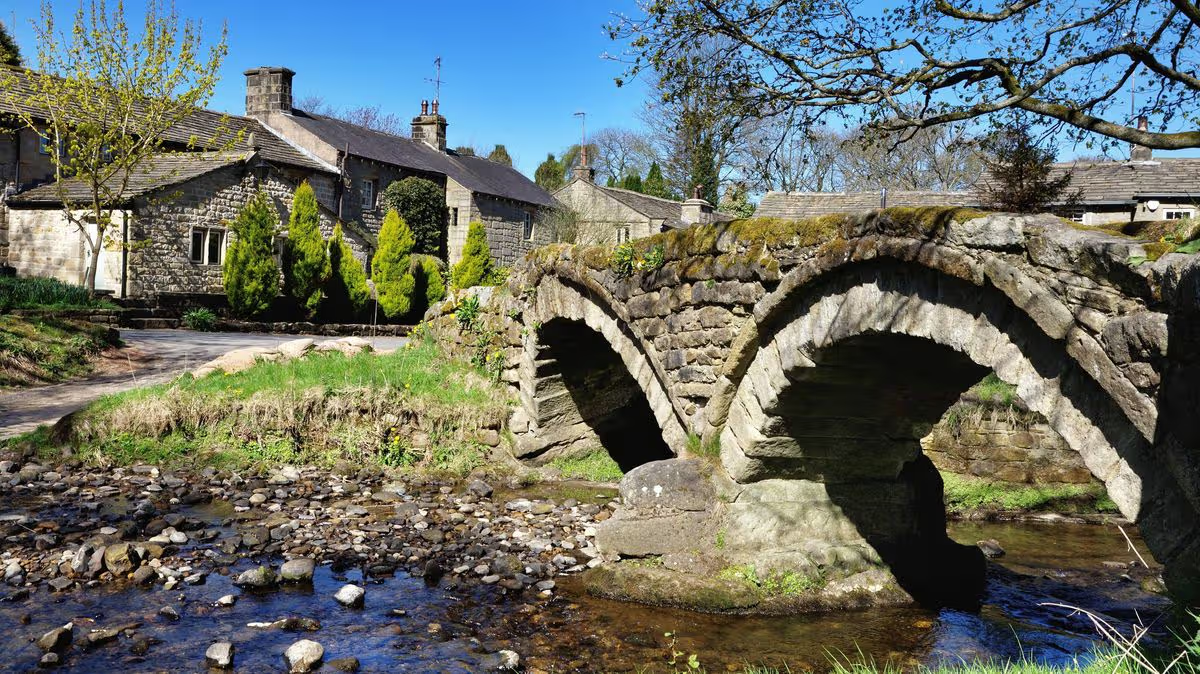
Charlotte wrote to her sister Emily that she found the countryside, which is close by the Yorkshire Dales, to be “divine”. But the scenery did not make up for the misbehaviour of the Sidgwick children, whom she found to be “riotous, perverse, unmanageable cubs”. Charlotte did not keep her job long, but she would have seen Skipton as it entered its Victorian heyday, with the chimneys of mills sprouting everywhere, a busy canal linking the town to Liverpool and Leeds, and a big sheep and cattle market in the town centre.
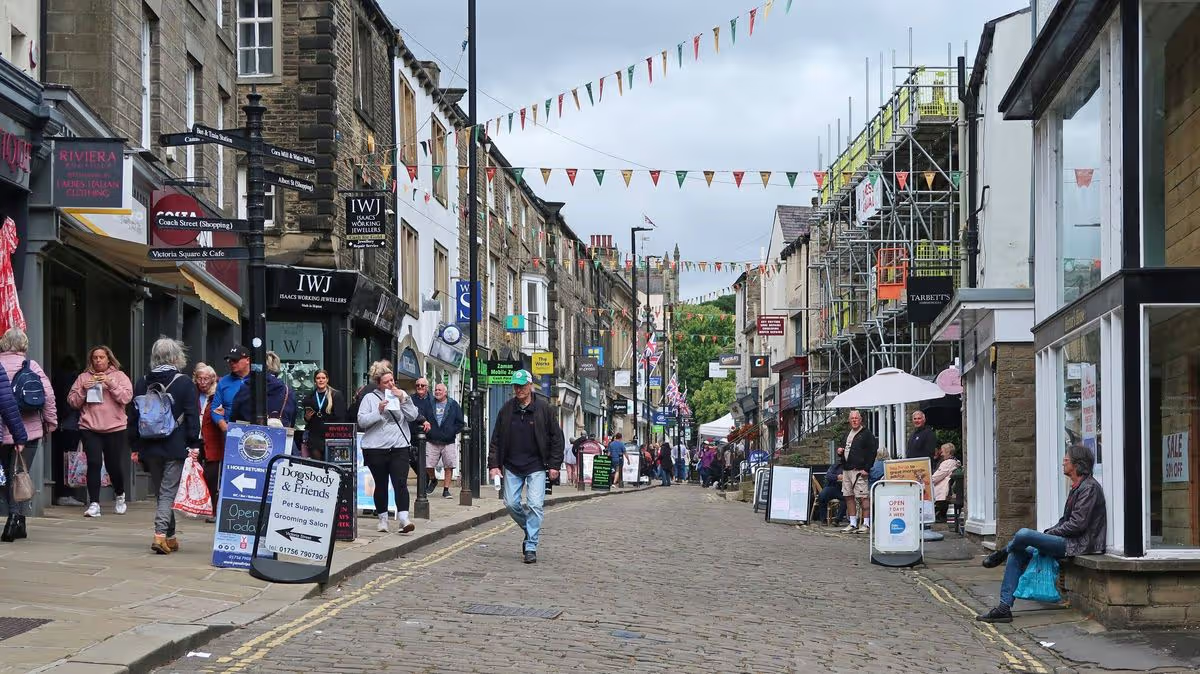
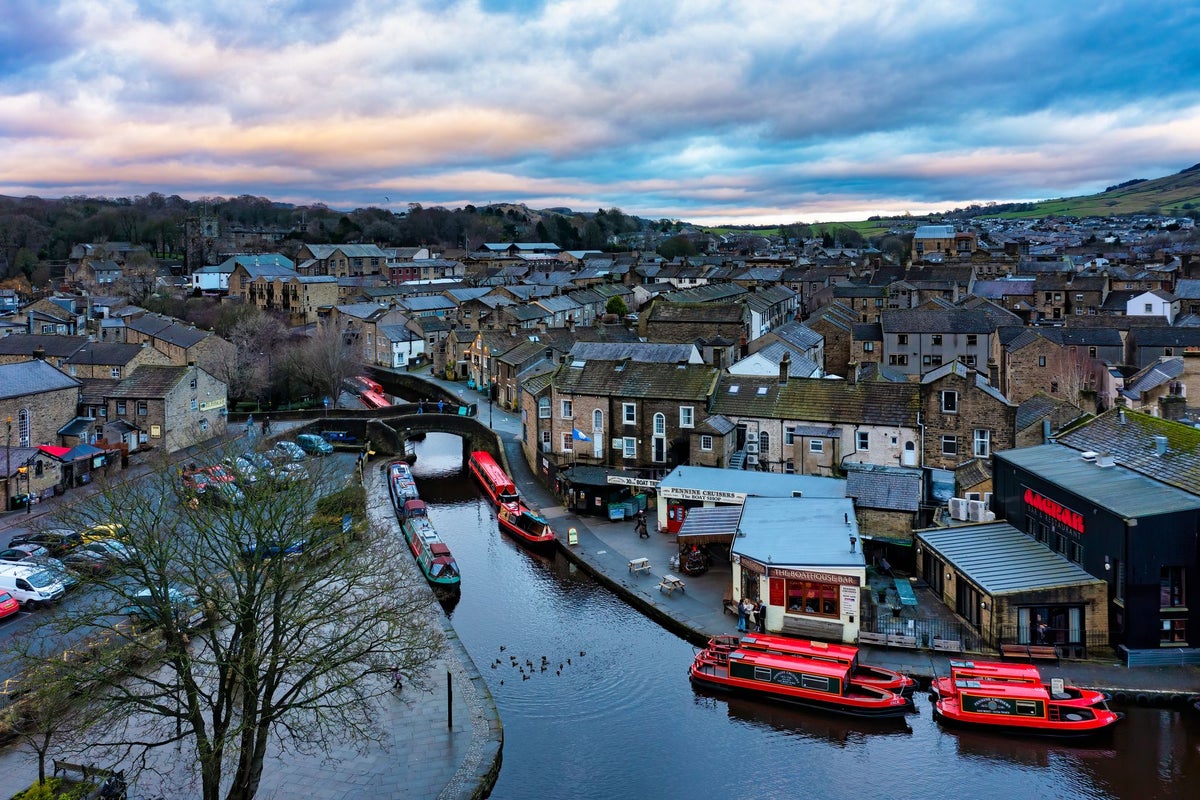
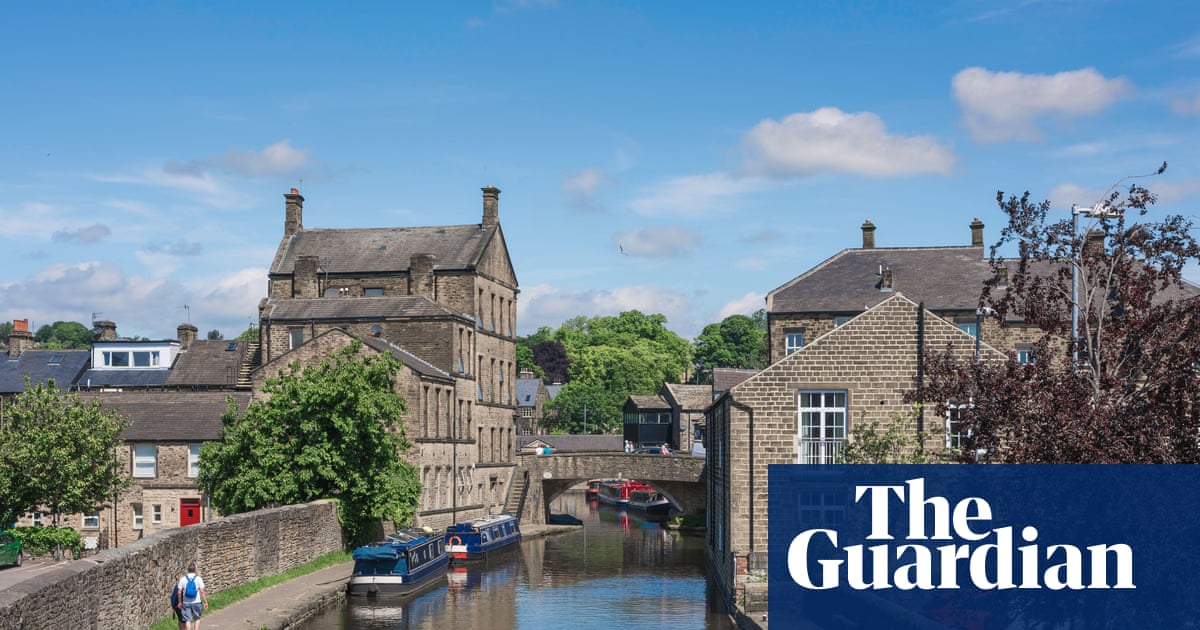
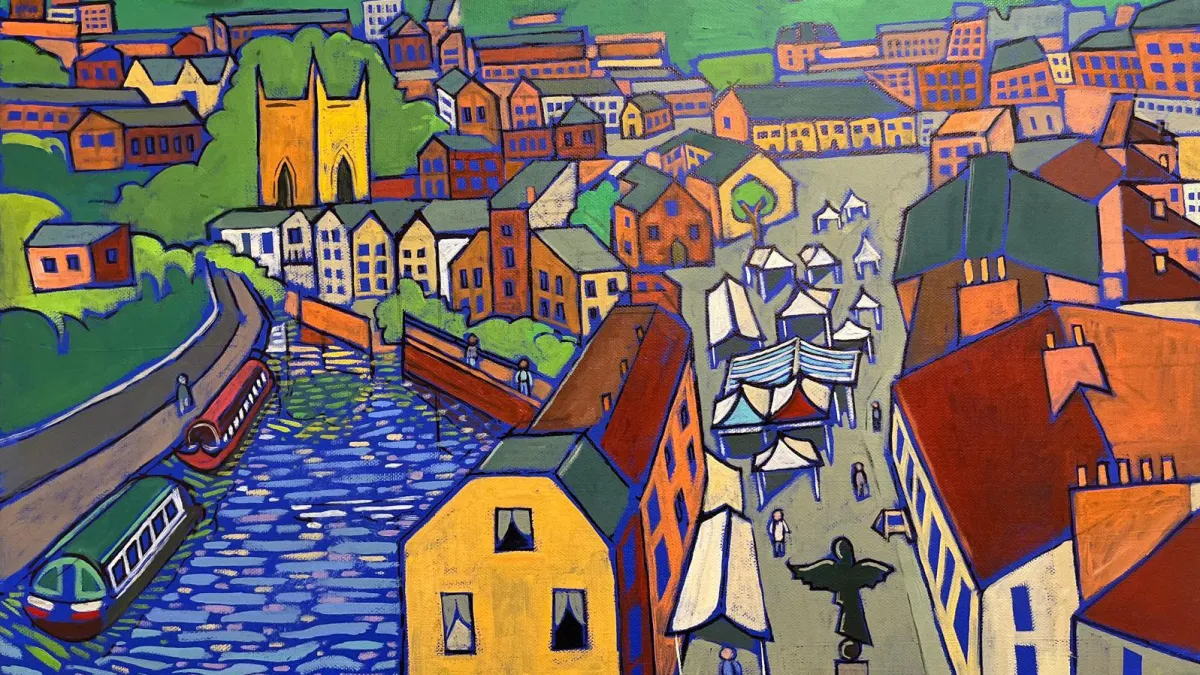
Nearly two hundred years after Charlotte was in Skipton, the mills are gone, demolished or converted to other uses, with only one chimney still standing. But the market in the broad high street in the town centre still takes place four days a week, though the cattle and sheep part has moved to a big facility on the edge of town, while the barges on the canal cater for tourists instead of transporting raw cotton, coal and stone from the quarries. As for everyday life, a survey by the property website Rightmove found Skipton to be “the happiest place” to live in the UK, though as Charlotte Brontë knew all too well, happiness is very much a matter of personal circumstance.