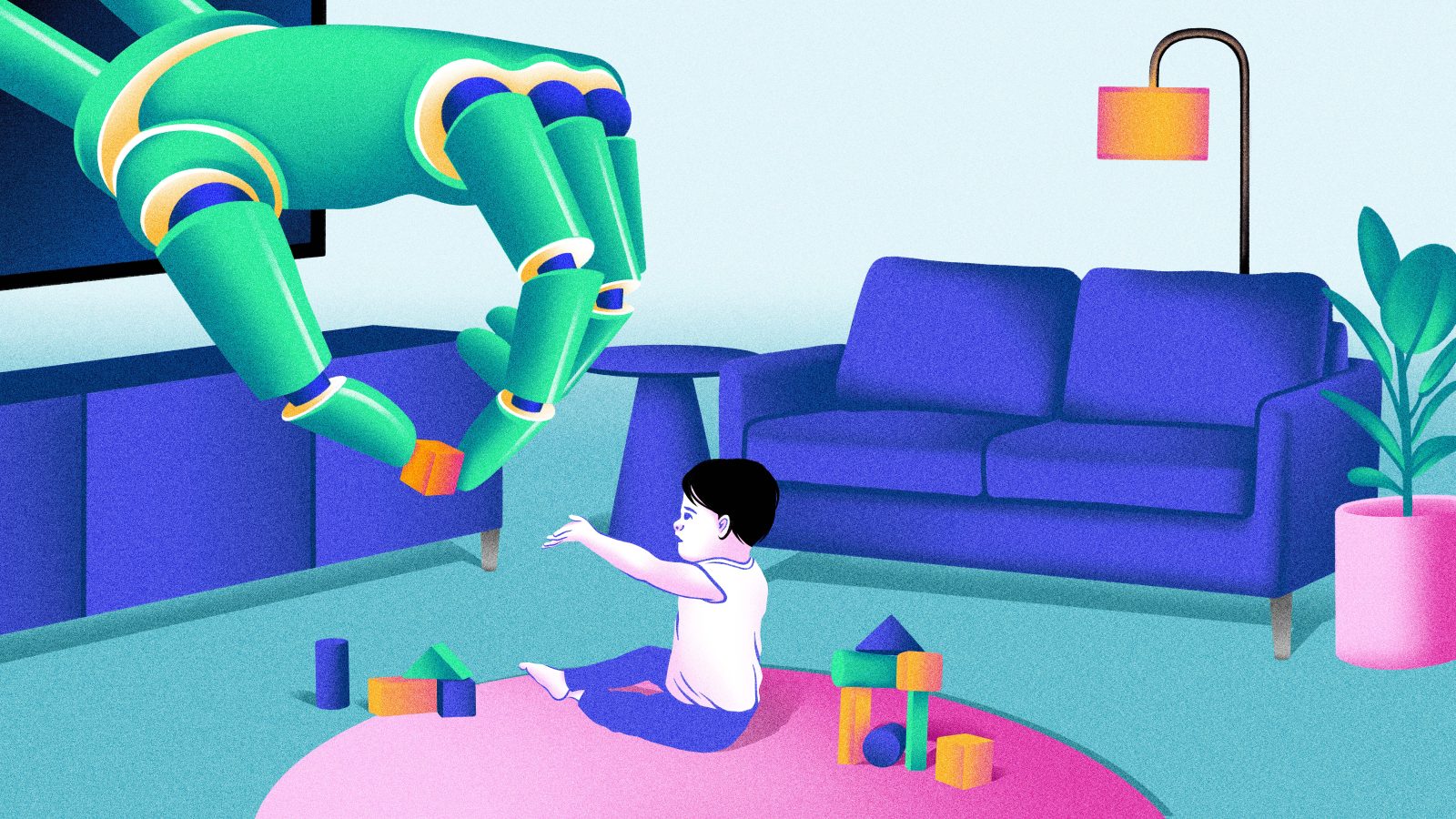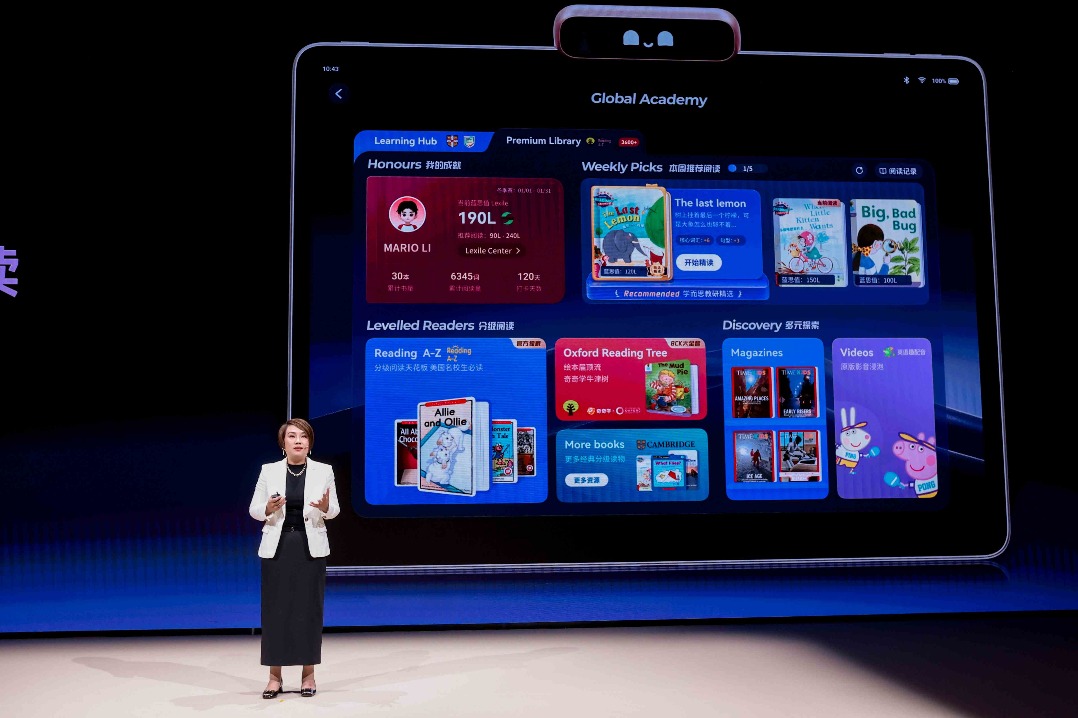
1. China's Double Reduction policy and the rise of artificial intelligence are reshaping how families spend on children's education, according to a new report by the Duojing Education Research Institute [para. 1][para. 2]. Overall family spending on education has not declined but has shifted from traditional commercial tutoring centers to home-based learning [para. 3].2. Before the 2021 tutoring ban, most family education budgets went to K-12 academic prep classes delivered in person [para. 4]. With offline options curtailed, education technology companies have pivoted to smart hardware, upgrading learning tablets and software [para. 4]. The market for consumer-grade educational smart hardware grew from 25.2 billion yuan ($3.72 billion) in 2020 to 51.2 billion yuan in 2023, projected to reach 69.1 billion yuan in 2026 [para. 5]. Retail sales data shows that in 2025, Chinese learning tablet sales reached 6.321 million units with a total market value of 19.91 billion yuan [para. 6]. Families with children under six are spending on "enlightenment hardware" such as audio players and early-education robots [para. 7]. Multimodal AI, incorporating voice recognition and emotional perception, is transforming home study spaces, with devices now capable of natural conversations and personalized assistance [para. 8].3. The decline in academic tutoring budgets has benefited non-academic enrichment programs like arts, sports, and science, creating a "dual-engine" model of educational consumption: "soft" extracurricular services paired with "hard" home devices [para. 9]. Average household expenditure on off-campus academic tutoring fell from 2,454 yuan in 2021 to 1,508 yuan in 2022, dropping from 14.6% to 7.9% of the education budget, before recovering slightly to 9% in 2023 [para. 10]. By contrast, spending on non-academic tutoring remained resilient, reaching an average of 1,027 yuan in 2023, surpassing the pre-ban level of 1,007 yuan in 2017, and its budget share climbed from 4.9% to 8.1% [para. 11]. This shift reflects parental mindsets increasingly prioritizing learning efficiency, long-term capabilities, and personal growth, fueling growth in arts, science, sports, reading, and study tours [para. 12].4. The post-reform landscape is widening socioeconomic divides in education [para. 13]. High-income families maintain advantages through private tutors or international schools, while middle-class families face a dilemma of not affording premium options but fearing falling behind [para. 14]. The report notes that educational spending divergence is a rational choice by different social classes: low-income families view education as a "single-plank bridge" for changing destiny, with investments dependent on academic performance, while high-income families afford a process-oriented approach focusing on critical thinking and global perspective [para. 15]. The 2023 China Household Education Finance Survey confirms that although overall tutoring participation rates fell after the ban, spending per student rose, especially among high-income, highly educated households [para. 16]. In 2023, the top 25% of households by income spent six times more on academic tutoring than the bottom 25%, and 5.4 times more on non-academic tutoring, illustrating stratification by social class [para. 17].5. The evolving educational market is now dominated by Generation Z parents (born 1995–2009), who make up over 28% of households with children in China [para. 18]. As digital natives, they approach educational purchasing with a mix of data-driven rationality and social-media-influenced impulse [para. 19]. According to the Duojing report, Gen Z parents prioritize safety, durability, and practical utility, relying on real user reviews and key opinion leaders rather than traditional brand advertising [para. 20].AI generated, for reference only
From Cram Schools to Smart Tablets: AI Fuels China’s New EdTech Boom
Following a sweeping crackdown on after-school tutoring, families are pivoting to smart hardware and non-academic activities, widening the divide between rich and middle-class households
554 words~3 min read