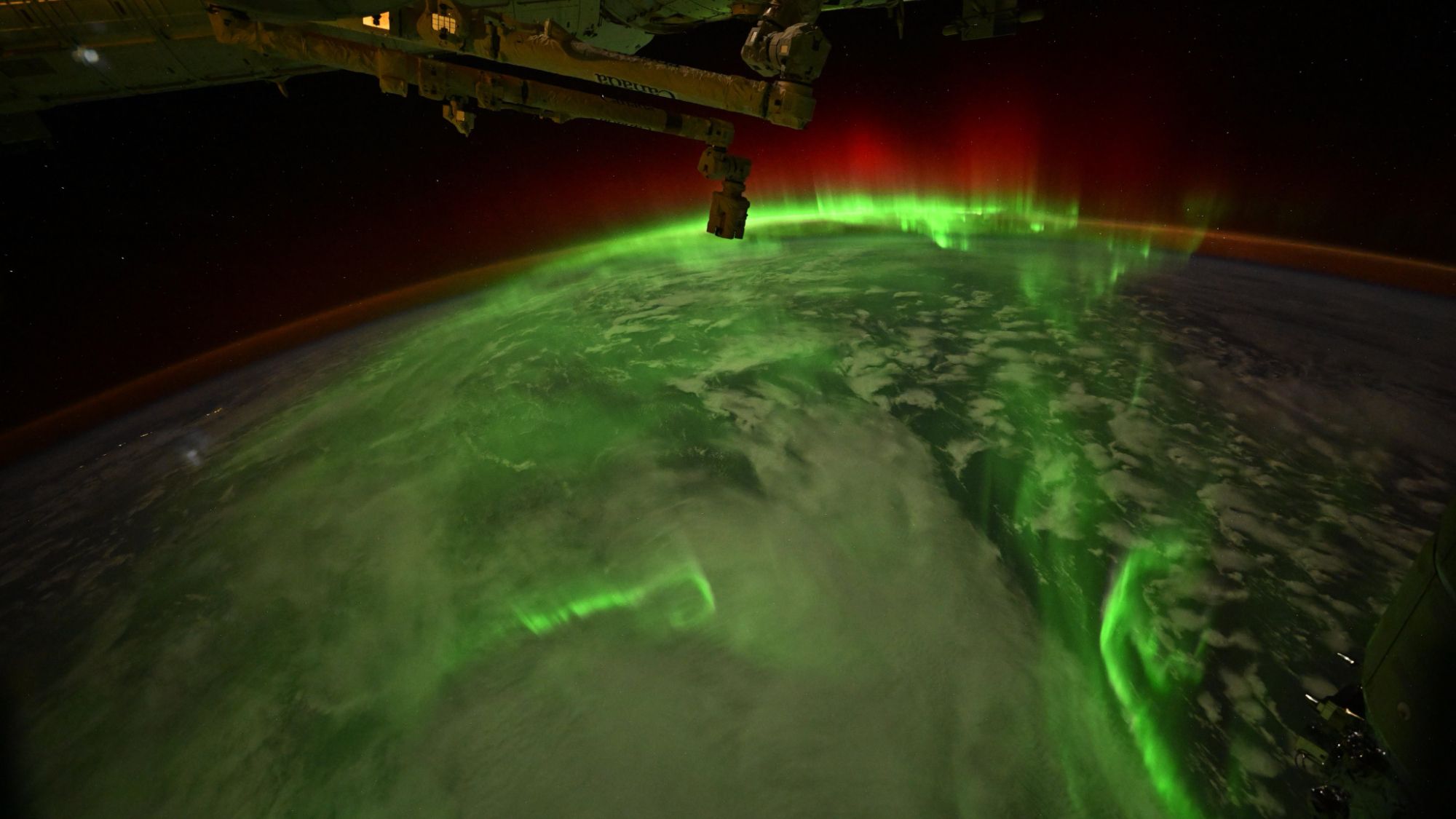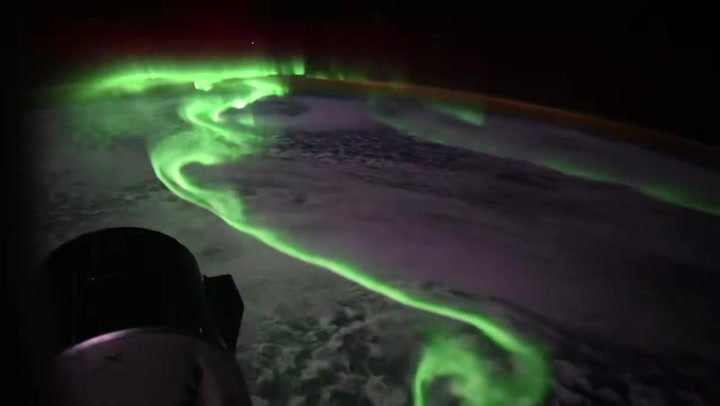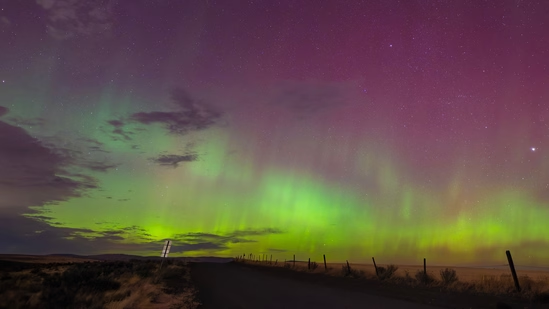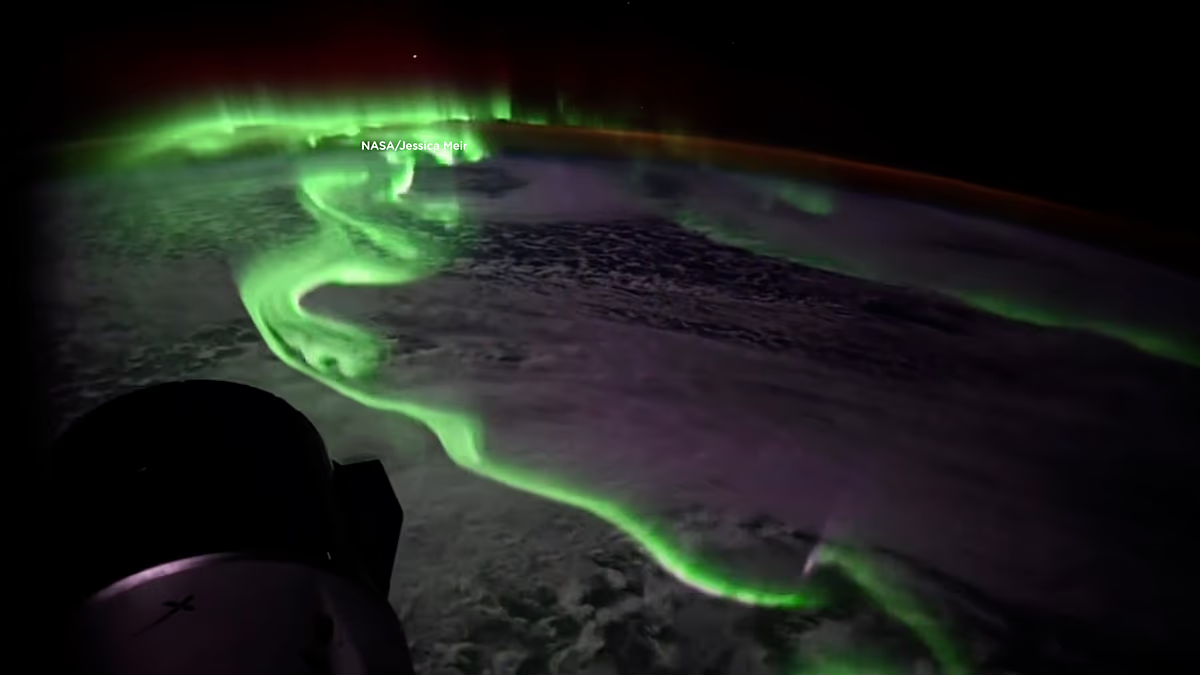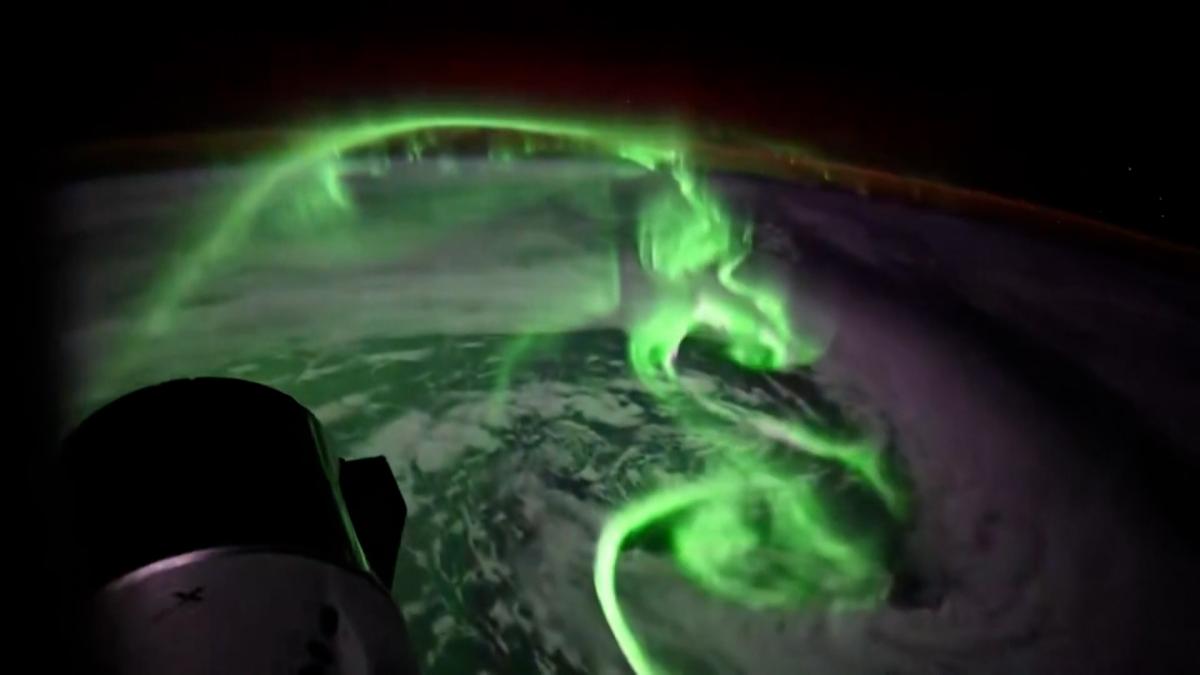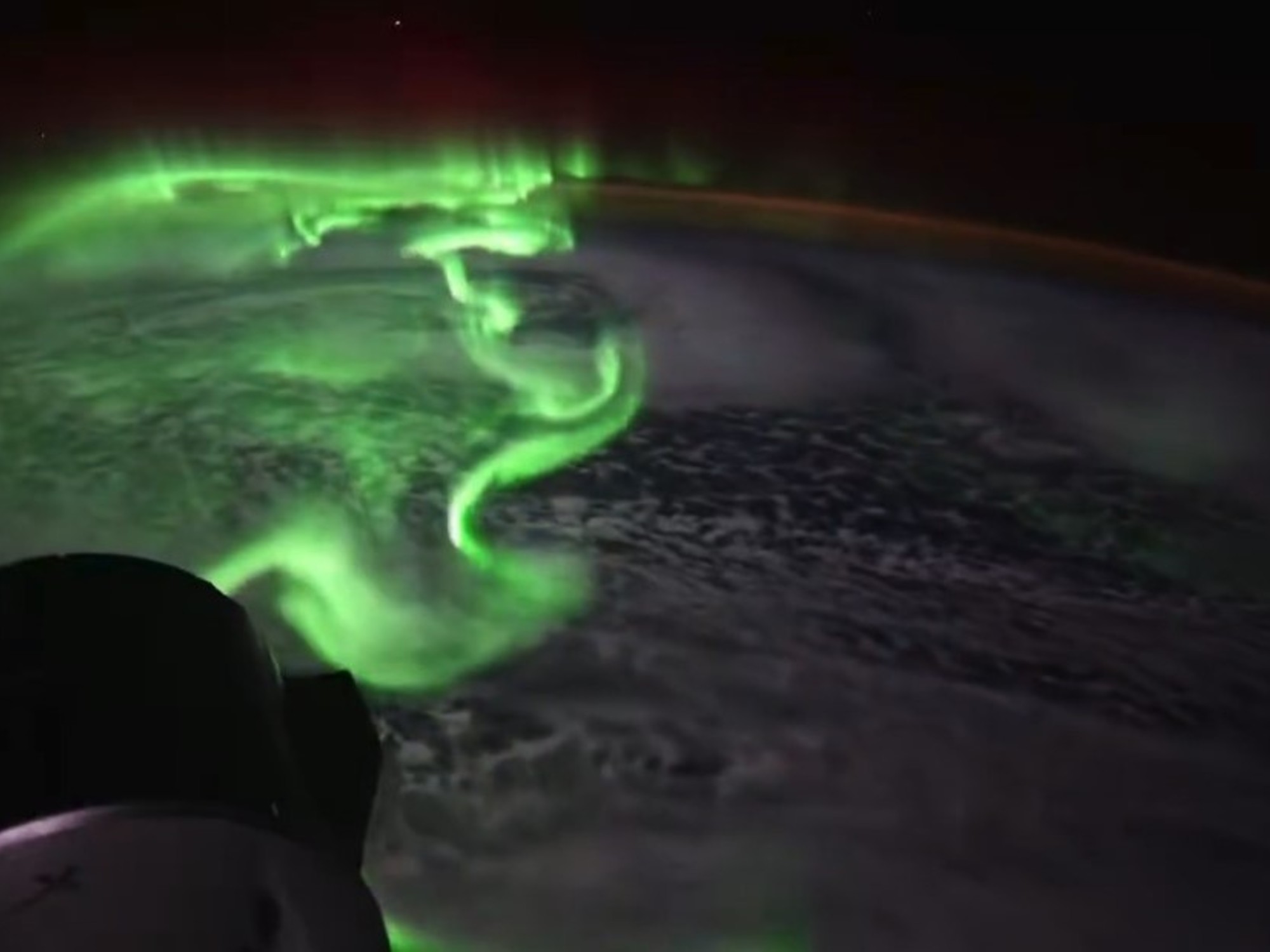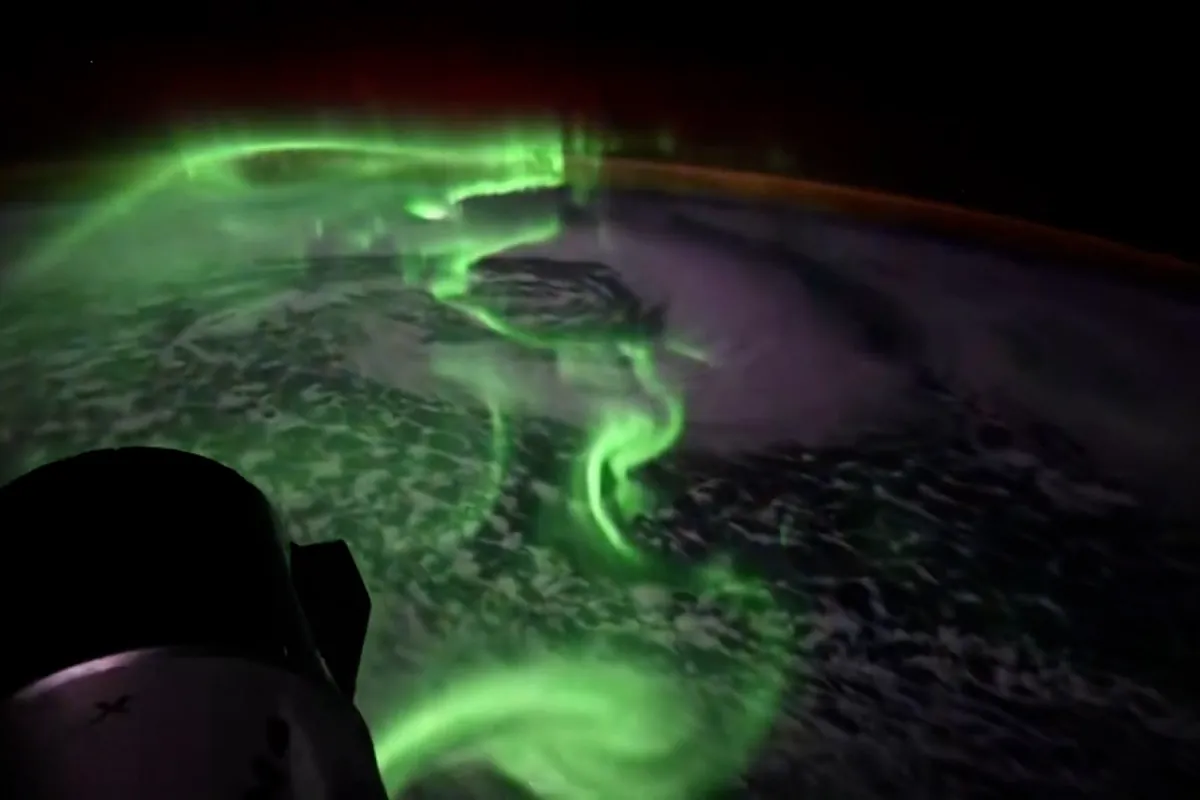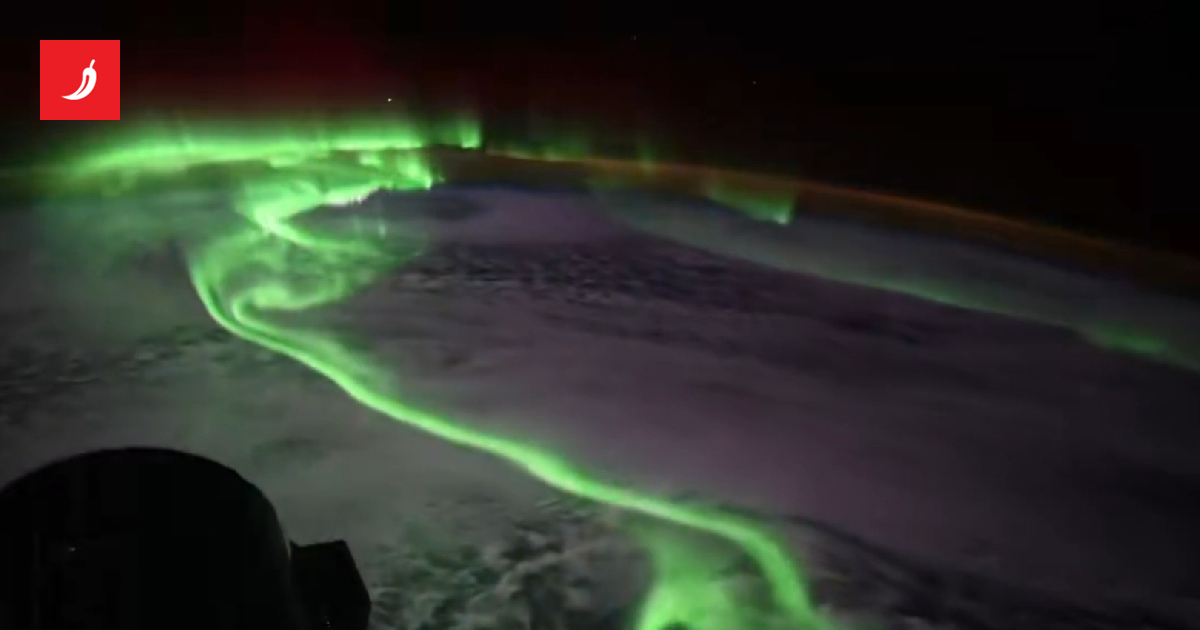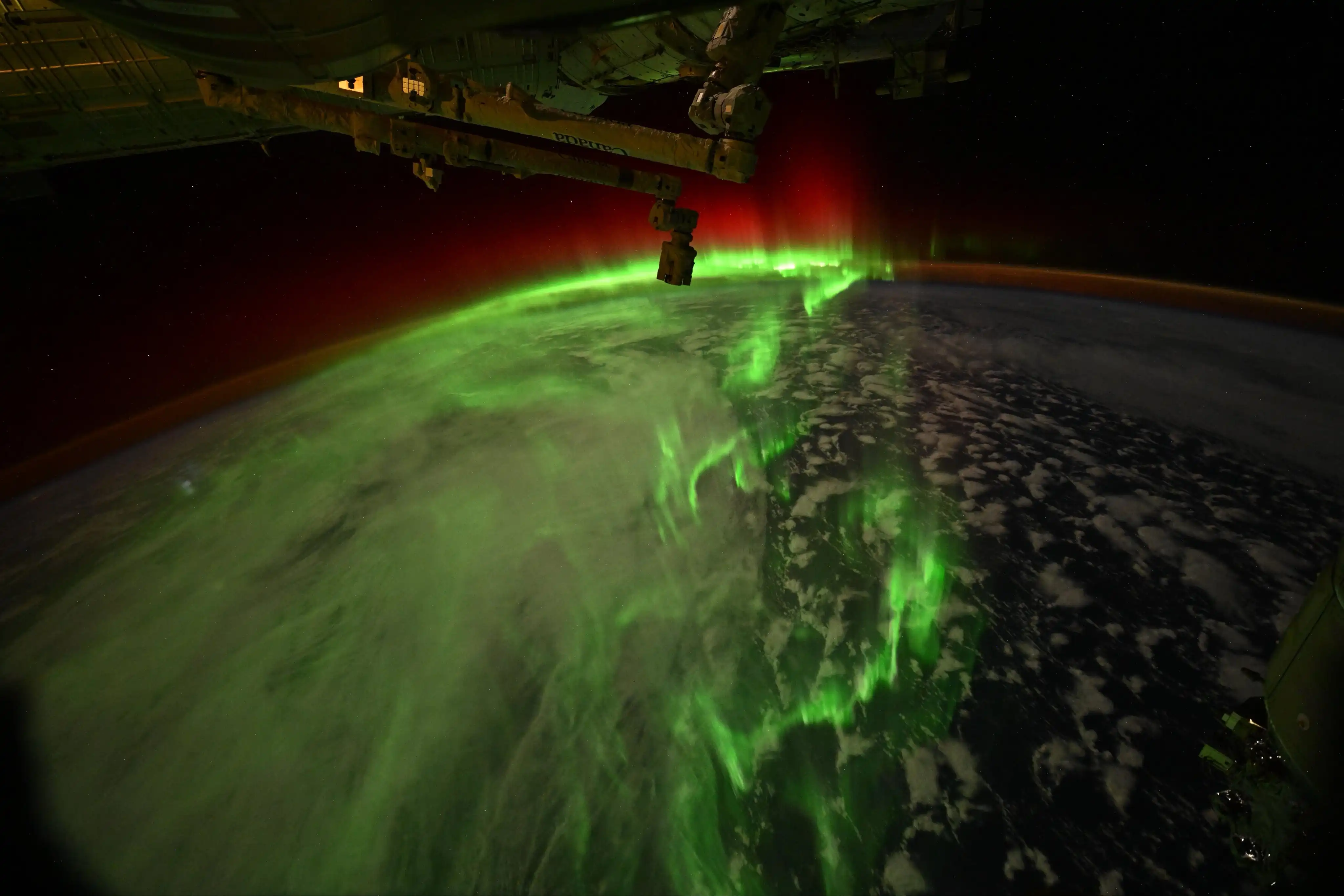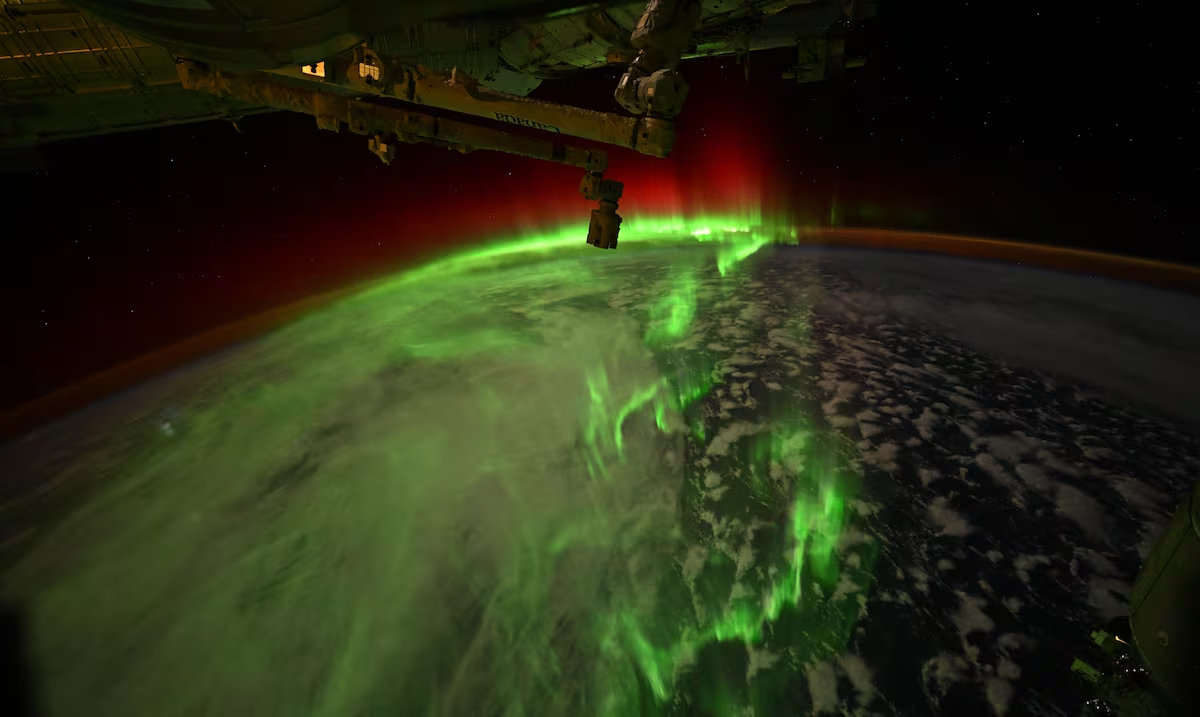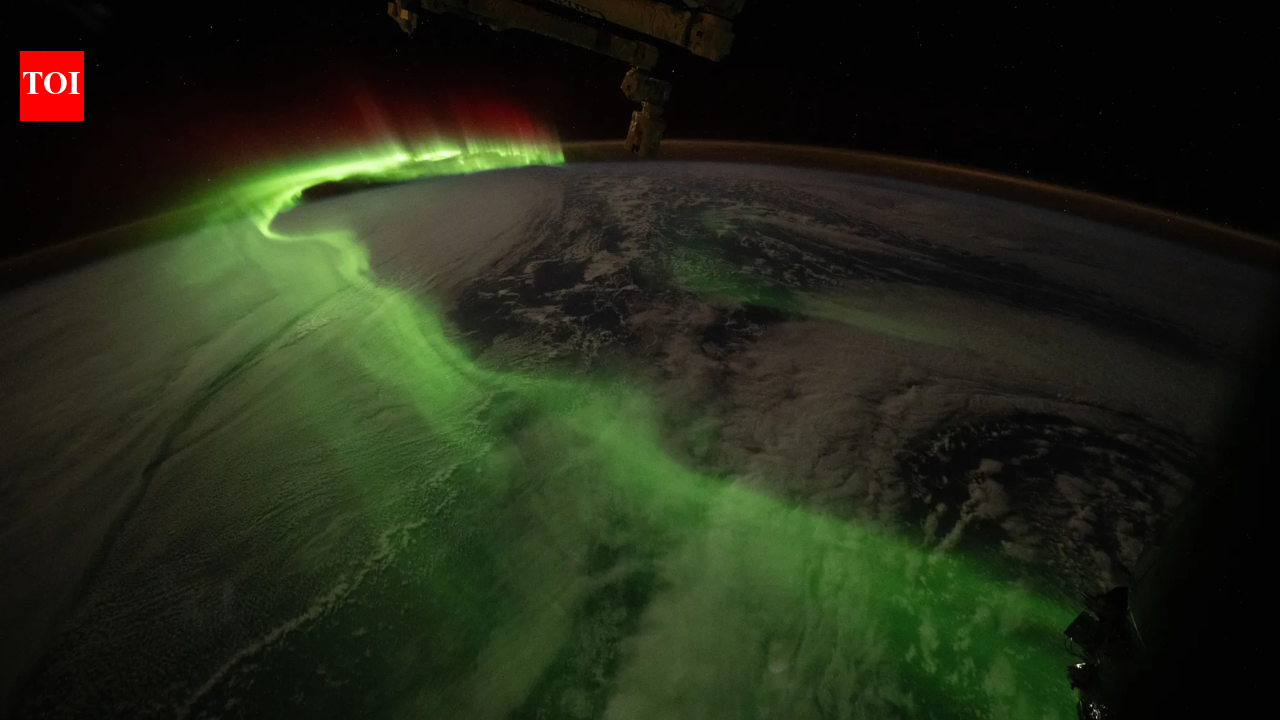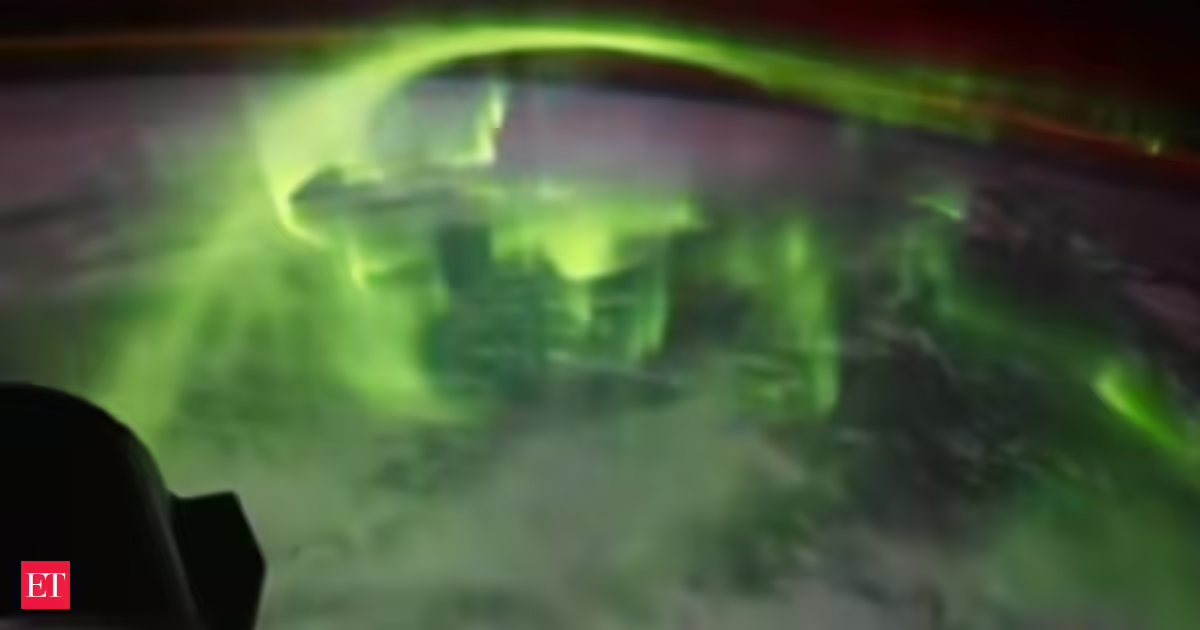
A spectacular display of the Southern Lights has left space enthusiasts amazed after NASA astronaut Jessica Meir shared a stunning timelapse video filmed from aboard a SpaceX Dragon spacecraft.The footage offers a rare view of the aurora australis from orbit, showing bright green ribbons of light flowing and twisting across Earth's atmosphere beneath the spacecraft. Unlike the view seen from the ground, the lights appeared to stretch across the planet below, creating a mesmerising display that looked almost alive.Jessica Meir shares breathtaking aurora video on XJessica Meir posted the timelapse on X, describing the experience as one of the most remarkable auroral displays she has witnessed during her time in space.— Astro_Jessica (@Astro_Jessica) "A timelapse view from our @SpaceX Dragon of the spectacular southern aurora seen in yesterday's post, a result of a recent solar event. As opposed to the previous aurora I've seen, this one danced and snaked its way directly below us, putting on quite a show. I am in awe of this ethereal and emotionally evocative phenomenon," she wrote on X.The video quickly attracted attention online, with many users praising the extraordinary view and the unique perspective offered from orbit.Southern Lights appear directly below spacecraftAccording to Meir, this aurora was different from previous displays she had seen from space.Rather than appearing on the horizon, the glowing lights seemed to move directly beneath the spacecraft. The aurora shifted and rippled across the atmosphere, creating the impression that it was dancing and snaking its way around the Earth.The unusual vantage point allowed viewers to see the phenomenon from above, highlighting the immense scale of the auroral activity.What are the Southern Lights?The Southern Lights, scientifically known as the aurora australis, are the Southern Hemisphere's version of the famous Northern Lights, or aurora borealis.Although both occur with similar frequency, the Southern Lights are less commonly observed because they usually appear over Antarctica and the Southern Ocean, where very few people live.As a result, photographs and videos of the phenomenon are relatively rare compared with images of the Northern Lights.How do auroras form?Auroras occur when charged particles released by the Sun travel towards Earth during periods of increased solar activity.Earth's magnetic field guides many of these particles towards the North and South Poles. When they collide with oxygen and nitrogen molecules in the upper atmosphere, energy is released in the form of light.This process creates the glowing curtains, arcs and waves that make auroras one of nature's most stunning spectacles.Why are auroras different colours?The colours seen in auroras depend on which atmospheric gases are involved in the collision process.Oxygen is responsible for the bright green colour most often associated with auroras. At higher altitudes, oxygen can also produce red shades.Nitrogen, meanwhile, can create blue, purple and pink colours, adding to the dramatic appearance of the display.Why astronauts get a unique view of aurorasMost people experience auroras from the ground, where they appear as glowing curtains on the horizon.Astronauts aboard spacecraft and the International Space Station have a completely different perspective. From orbit, auroras can be seen wrapping around Earth's polar regions like giant glowing rings.This bird's-eye view reveals the true scale of the phenomenon and offers a glimpse of how Earth's atmosphere interacts with powerful solar activity.Solar activity continues to create stunning sky displaysThe latest Southern Lights display was triggered by a recent solar event that sent charged particles streaming towards Earth.As solar activity continues to increase during the current solar cycle, scientists expect more impressive auroral displays in the coming months, giving skywatchers and astronauts alike plenty to look forward to.For now, Jessica Meir's remarkable footage serves as a reminder of the breathtaking beauty that exists just beyond our planet's surface.
Snake dance in space? NASA astronaut captures mesmerising view across Earth from SpaceX spacecraft
Snake dance in space: Astronaut Jessica Meir shared a stunning timelapse of the Southern Lights, or aurora australis, captured from a SpaceX Dragon spacecraft. The spectacular display appeared as bright green ribbons of light flowing and twisting beneath the spacecraft, offering a rare and mesmerising view from orbit.
610 words~3 min read