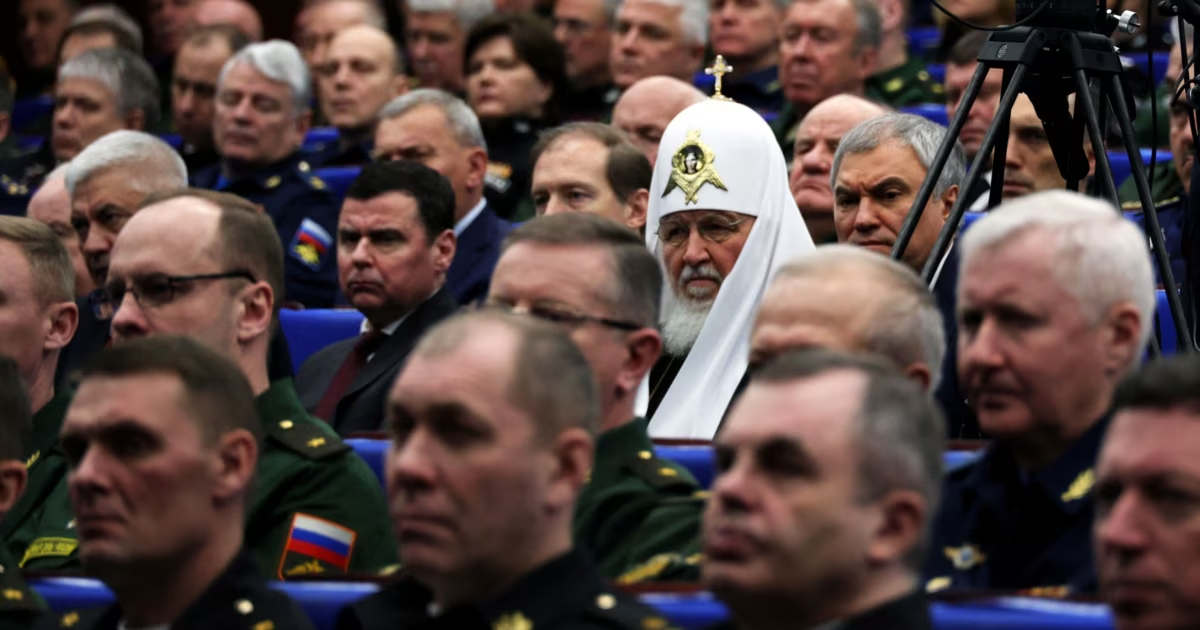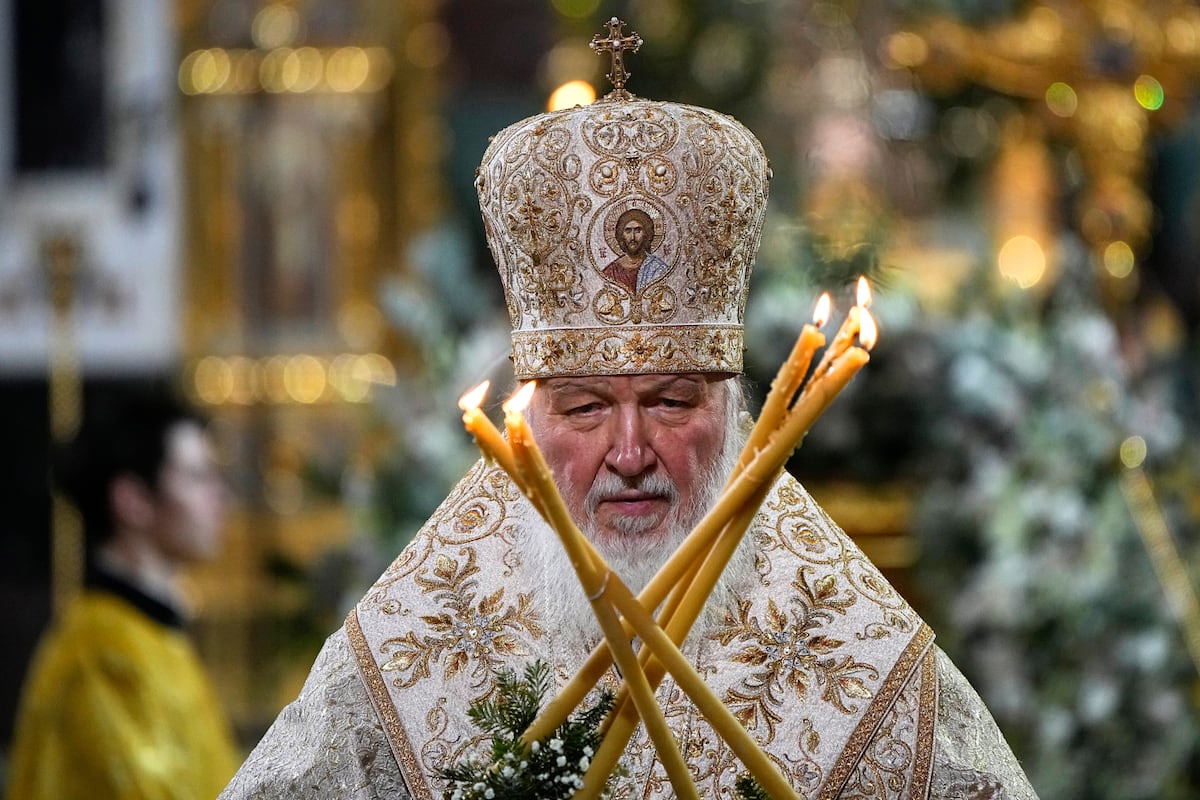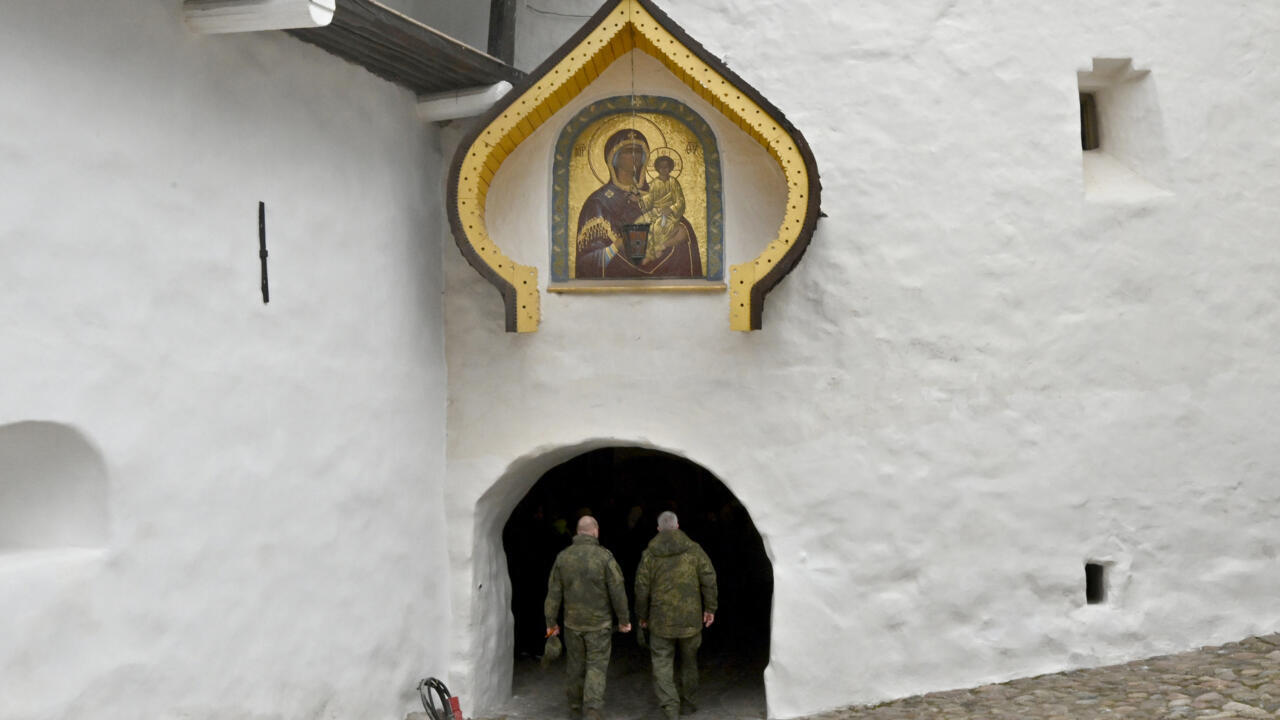
But on the cobbled streets of the Pskov-Pechersky grounds -- close to the border with NATO and EU member Estonia -- some Orthodox pilgrims were more concerned with bringing the conflict to an end, as soon as possible."The Church prays for the soldiers. We pray for only one thing right now: we pray for peace," said Valentina, a 69-year-old pensioner.Institutionally, the Russian Orthodox Church has stood full-square behind President Vladimir Putin since he launched Russia's offensive on Ukraine in 2022.Patriarch Kirill has called it a "holy" war and urged believers to pray "for those who with weapons in hands defend the spiritual values of Holy Rus" -- using an age-old Orthodox term covering lands the Church sees as under its spiritual leadership. That can include modern-day Ukraine.A special prayer that must be read during Sunday liturgy asks God to "grant victory" to Russia's army and to protect its soldiers.'No unity'Founded more than 500 years ago, the monastery is one of Russia's most revered sites, drawing thousands of pilgrims every year to its ancient monastic caves.
Founded more than 500 years ago, the monastery is one of Russia's most revered sites © Olga MALTSEVA / AFP
The brightly coloured churches and white-arched stone tunnels are protected by a walled fortress, built to keep out centuries of attacking Polish, Lithuanian and Swedish troops. Inside one chapel, priests prayed before a richly gilded iconostasis, while women in headscarves and long skirts repeated prayers in chorus and lit candles. For believer Valentina, the war in Ukraine has left deep scars in Russian society."You can feel that there is no unity in society. Society is divided. Many people do not understand what is happening," she said.Her only consolation is prayer, she said."We have nothing else left."Yulia, a 45-year-old economist, prays that her son will not be called up to fight, and for "the war to end as soon as possible."'Fratricide'The Orthodox Church remains influential, despite signs of fading observance.