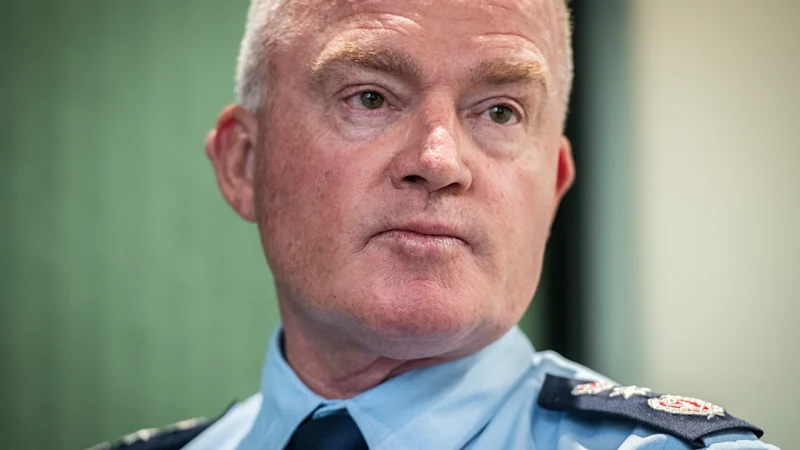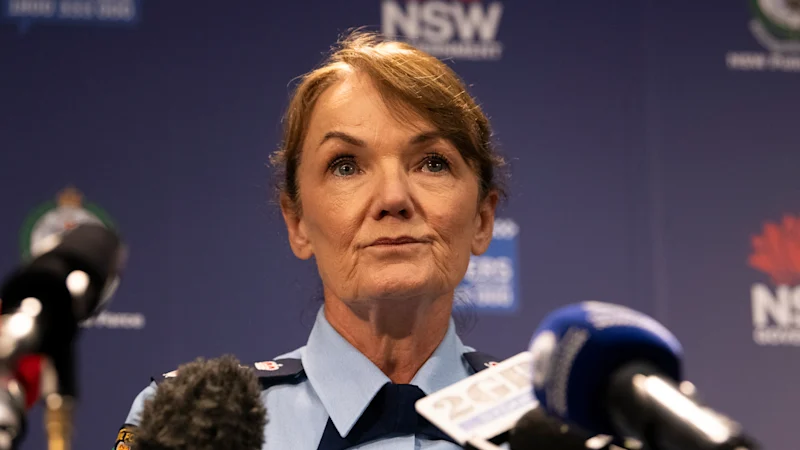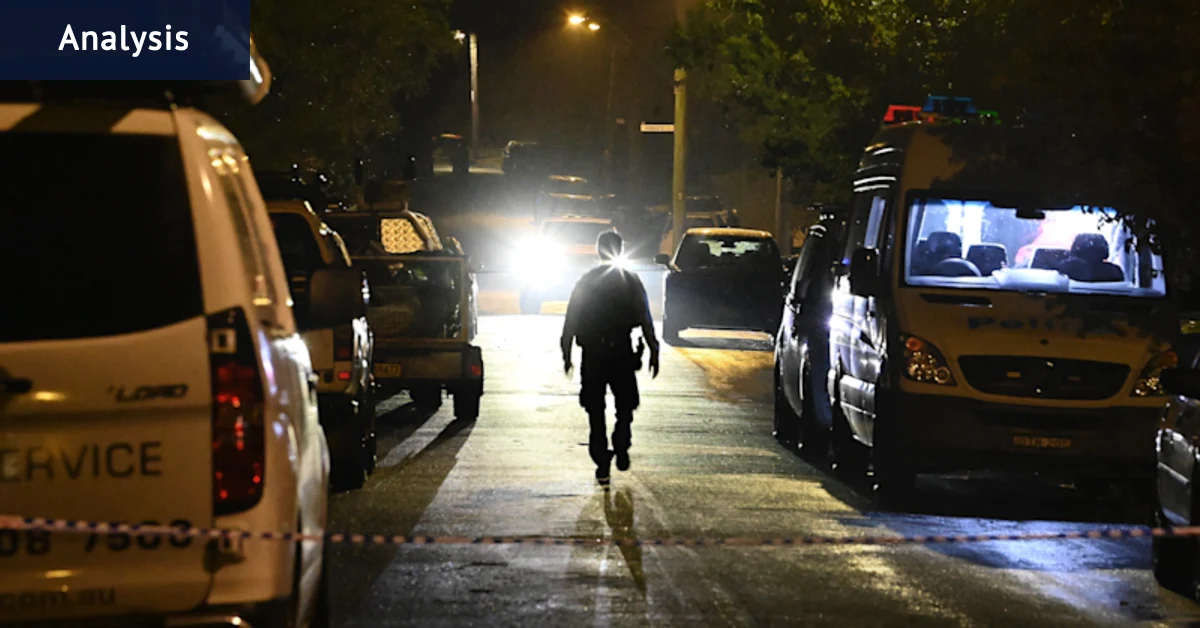
June 11, 2026 — 3:45pmNSW Police respond to 1.8 million calls a year, and those calls are becoming increasingly complex.Gangland warfare, with youths recruited to commit reckless and brutal killings. A surge in domestic violence and sexual assault callouts. Military-grade weaponry. A brutal alleged terrorist attack that left 15 dead as officers scrambled to respond.When police return from these callouts, many return to an unsupportive workplace where mental health concerns are often downplayed and where officers on sick leave are referred to as “dead wood”.Police Commissioner Mal Lanyon, and Culture Review head Kristen HiltonSteven SiewertFor an organisation tasked with protecting communities from the worst that society has to offer, too many staff members are more stressed by the psychological hazards of their internal environment than the threats they face on the street.It raises the question: how can police, so worn out and fatigued, either from the horrors they have witnessed or from being bullied and belittled by their colleagues and leaders, be expected to respond to daily calls to rapes, beatings and murders?The findings of the independent review into police culture, led by former Victorian equal opportunity human rights commissioner Kristen Hilton and released on Thursday, confirm what many within the ranks already know: bullying is rife, loyalty is paramount, and speaking up is still seen as a career death sentence.‘When dealing with “out-of-control people, you end up being full on and aggressive and out-of-control yourself”’Police culture reviewAs one officer told the review, they saw brutal, bloody scenes, but it wasn’t the trauma or the violence that caused them to leave the force,“it was the people I worked with”. Another said a lot of their psychological trauma was from bullying, causing them to leave.In 2023–24, more than half of all officers leaving the organisation did so for medical reasons, psychological injuries being the most common cause.Worryingly, a 2023 Law Enforcement Conduct Commission report found more than a quarter of officers involved in domestic and family violence incidents had been diagnosed with mental health issues. A second review also found that police do not routinely document either potential conflicts of interest or their risk assessments when investigating allegations of domestic and family violence involving police officers.While a $78 million investment in police wellbeing has improved things, many officers told the review they weren’t aware of, or were wary of, accessing support services for fear of being ostracised.Police frequently respond to horrific crime scenes such as this triple homicide in Campbelltown last month.Kate GeraghtyAs one person told the review, “Good officers can become bad bosses because of the trauma they have experienced; their failure to get help; and their lack of self-awareness.” Another said that when dealing with drugs, alcohol and “out-of-control people, you end up being full on and aggressive and out-of-control yourself”.Having highly trained, out-of-control officers is a concern. There have been a slew of examples of police brutality and overreach. This erodes public confidence, with data from the Bureau of Crime Statistics and Research showing a sharp decline.These review findings are not new. Police culture has been the subject of multiple critical reports over the past decade, including a 2020 report finding examples of an “entrenched culture of misbehaviour and senior leadership “cliques”.Sex Discrimination Commissioner Elizabeth Broderick’s 2019 review of the promotion system outlined a “boys’ club” culture, where women felt stymied by their male counterparts, while a 2018 report into bullying in the emergency services agencies found that police senior managers were more likely to engage in bullying.Former police commissioner Karen Webb introduced a swath of reforms before stepping down.Janie BarrettThe latest report still found “unacceptable levels” of conflict, incivility, bullying and victimisation, with one in three people reporting being bullied. Hilton also noted elements of the boy’s club still exist, with people reporting “significant experiences of harm”.But for the first time, the rate of harm is trending down. Community awareness, legislative changes and internal reform have done much to reduce the prevalence of some workplace violence, including reports of sexual harassment.Much of this change can be attributed to the swaths of reforms introduced in 2023 under former commissioner Karen Webb – the first woman in the role and one of the few to leave before the end of her five-year posting.The reforms are welcome, and the NSW Police’s commitment to finally shift the dial on culture is a breath of fresh air – not just to protect those within the force, but the community they serve.Start the day with a summary of the day’s most important and interesting stories, analysis and insights. Sign up for our Morning Edition newsletter.From our partners
How are bullied and burnt-out officers expected to keep people safe?
Rampant bullying and unaddressed trauma are leaving officers stressed out and psychologically injured, an independent review has revealed.
764 words~3 min read