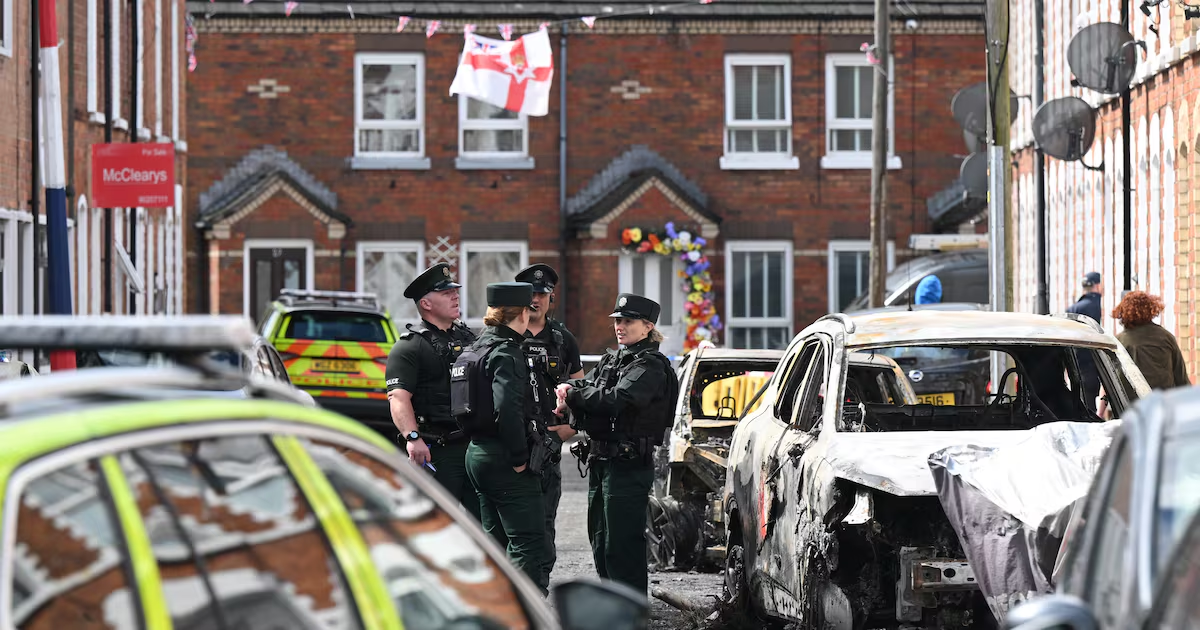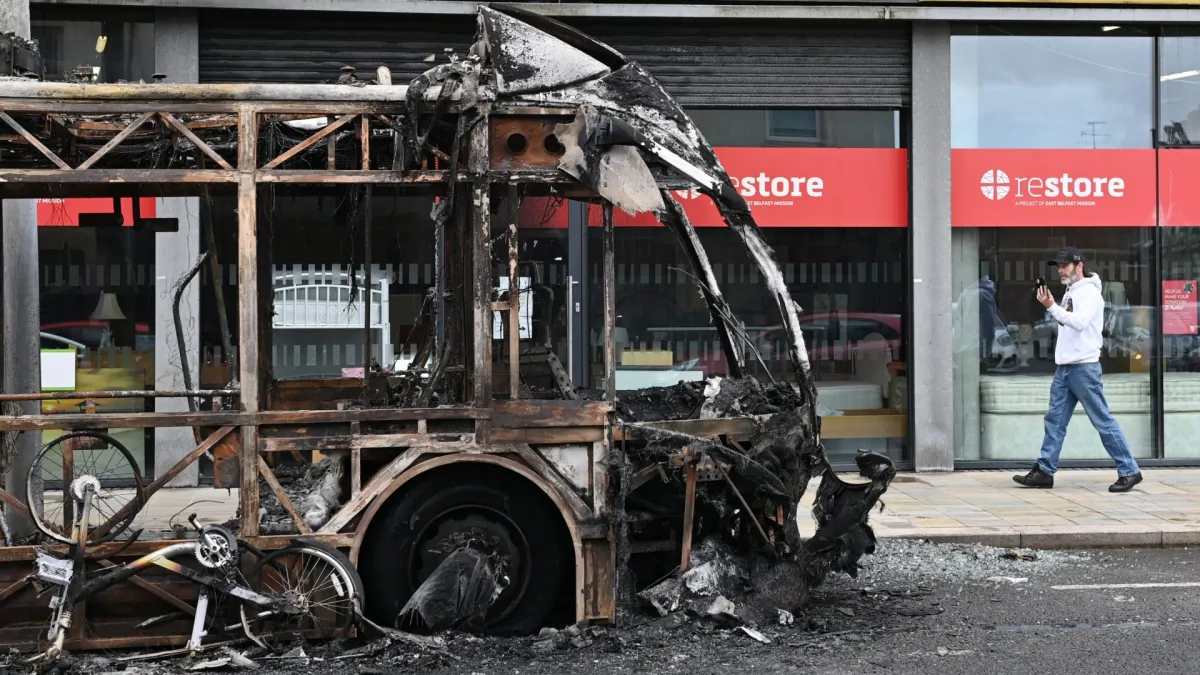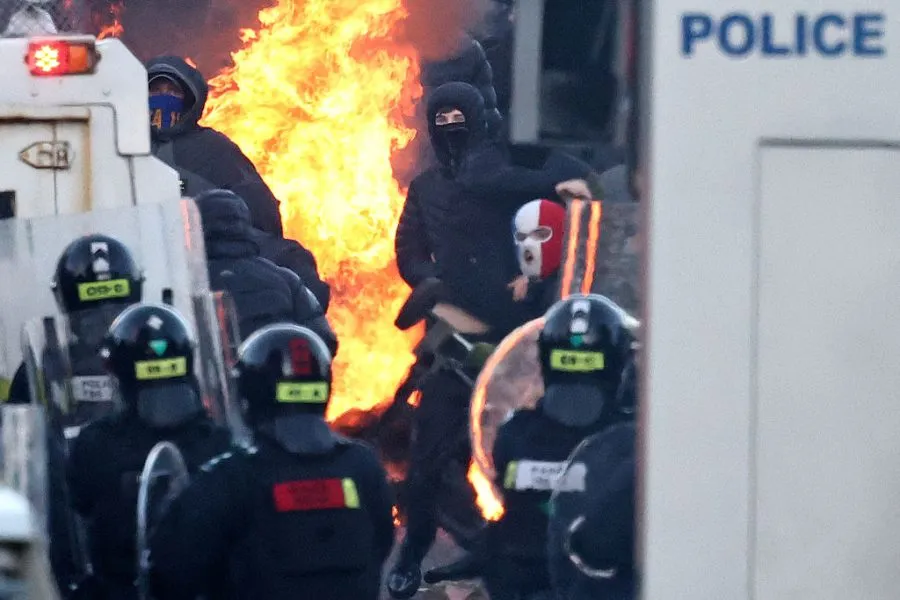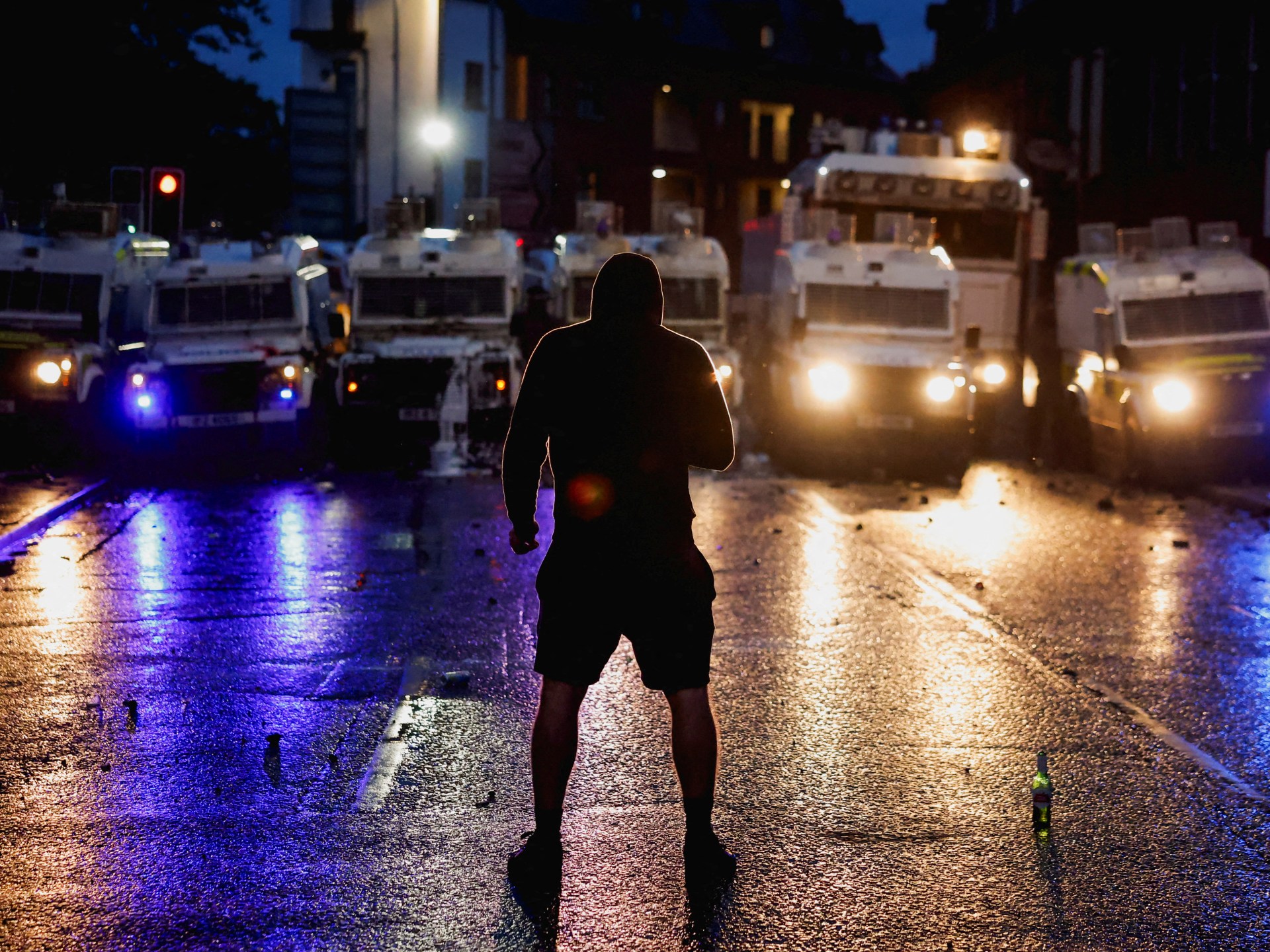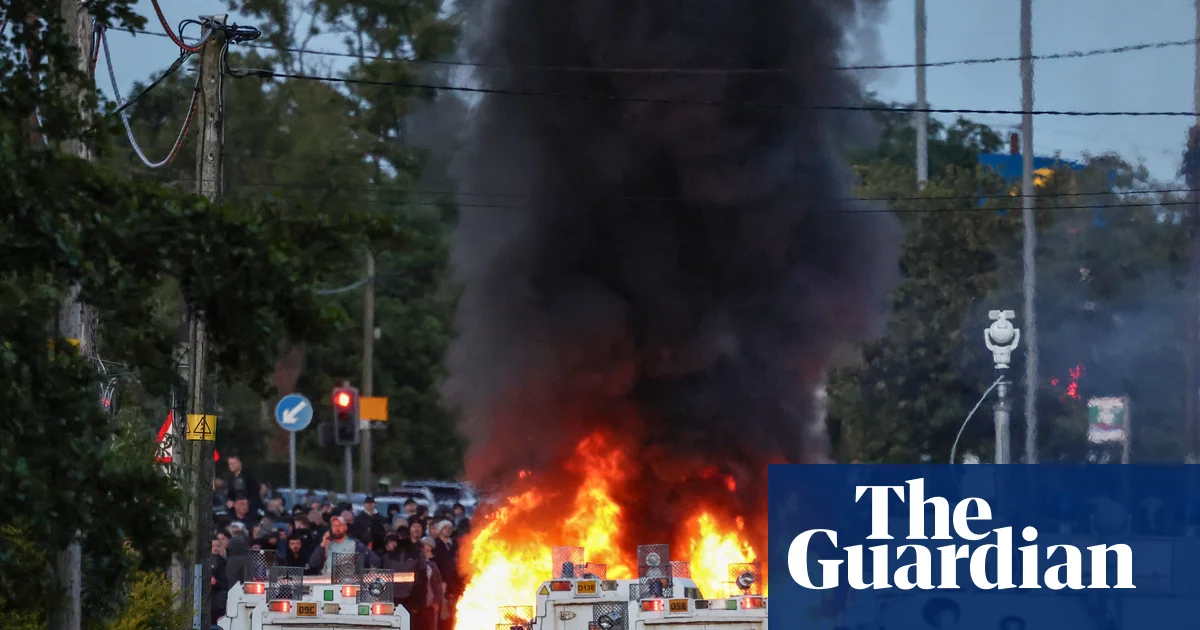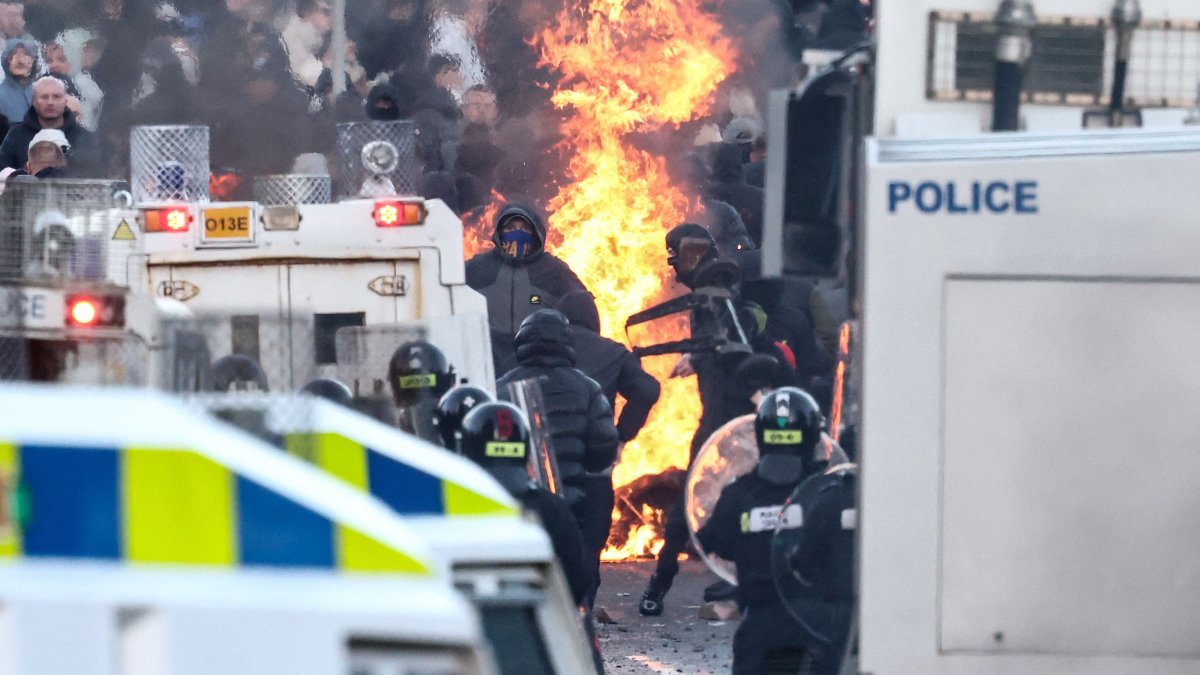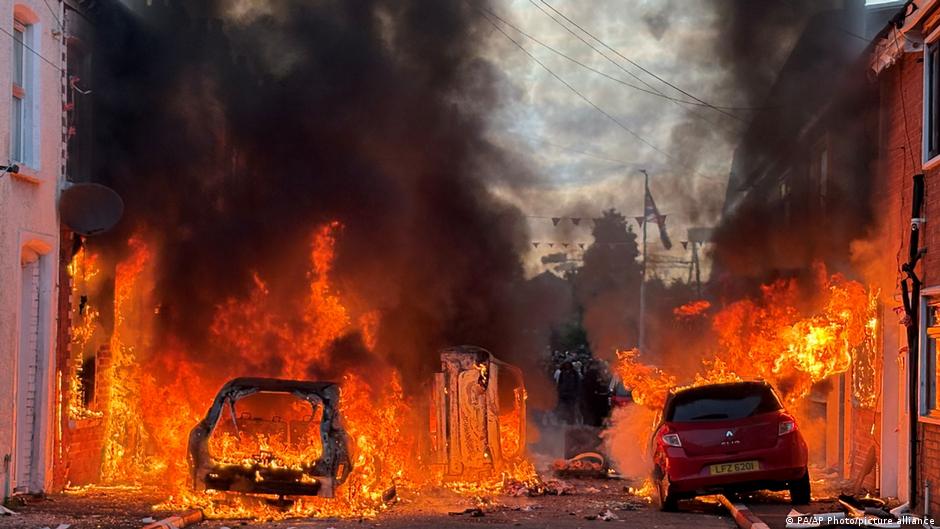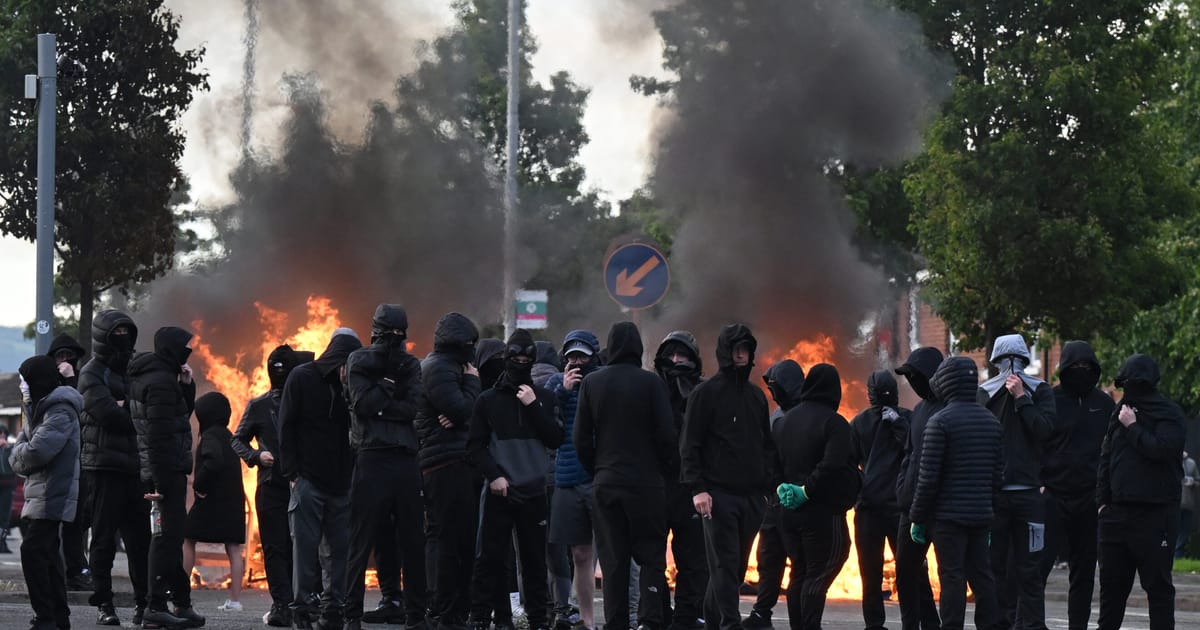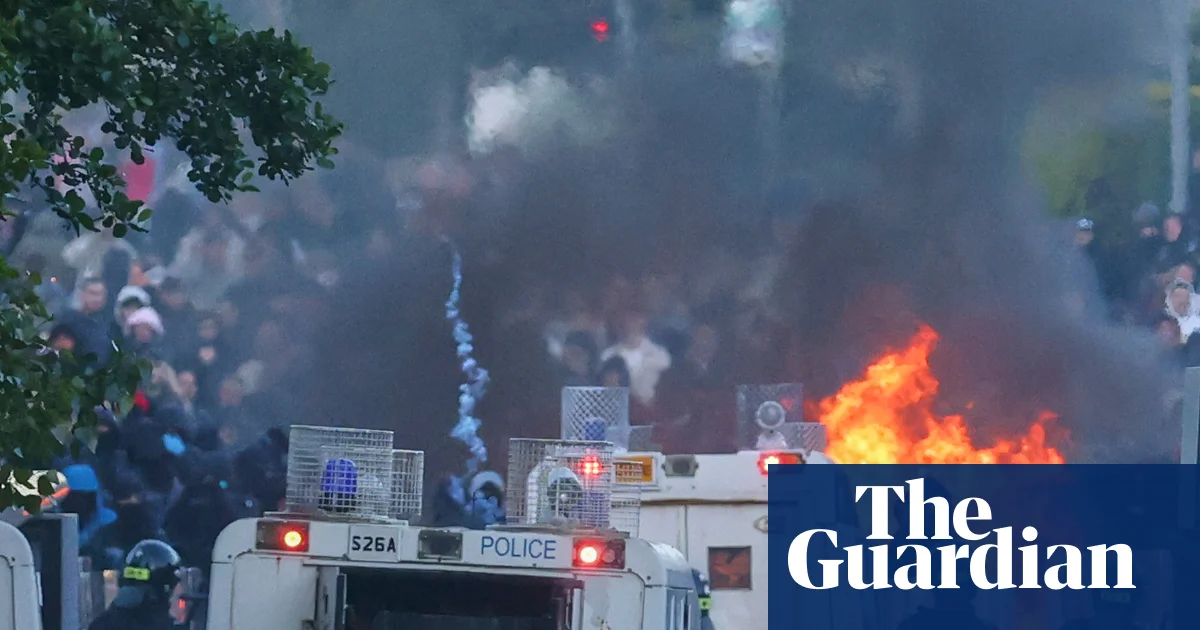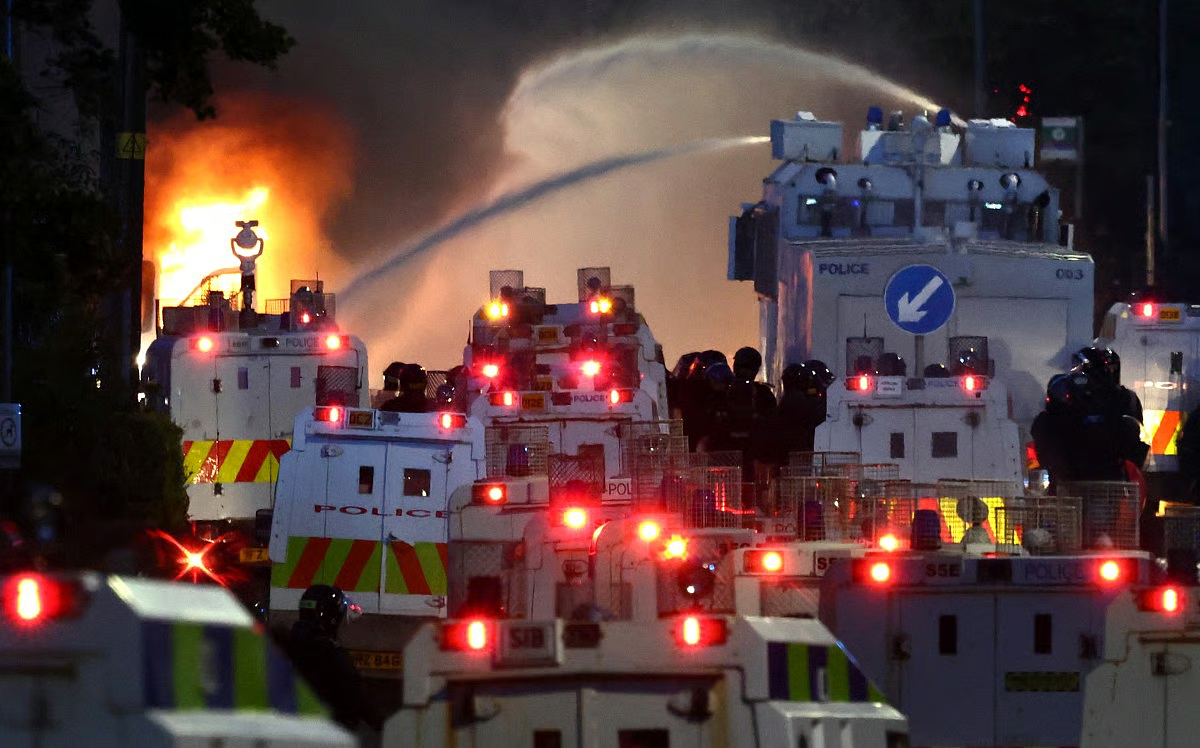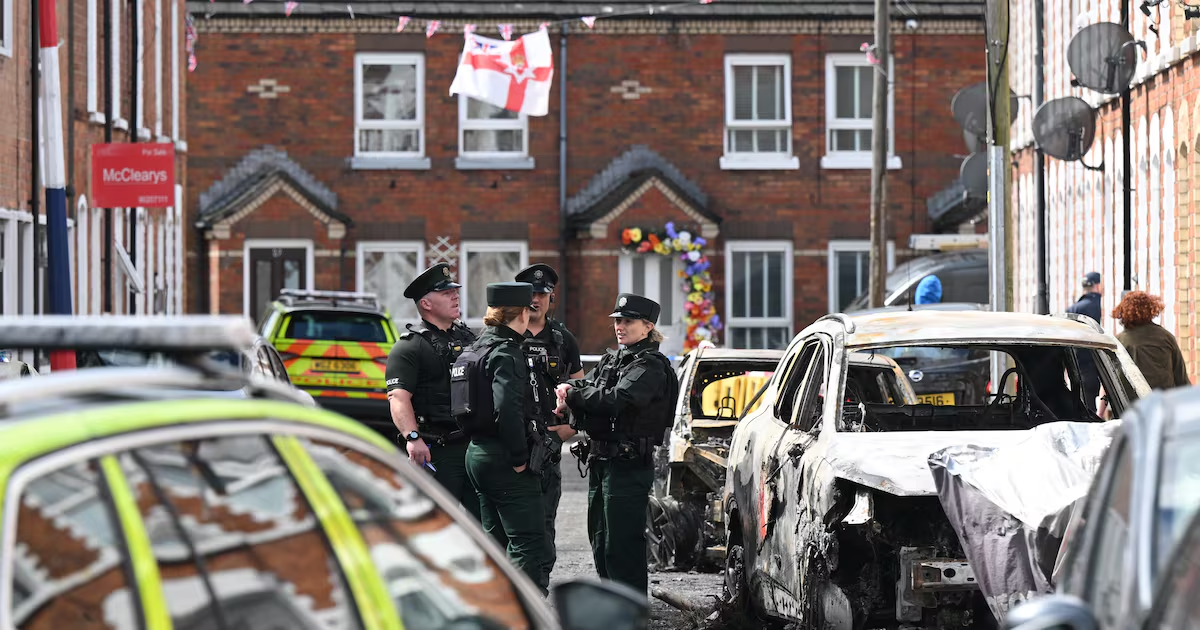
No aspect of immigration is devolved to Northern Ireland. London controls it all.That includes everything you might expect – border security, visa rules, treaty obligations – plus much more you might not. Quotas and wages for migrant workers are set nationally. The entire asylum system is run by the UK Home Office using accommodation supplied by private contractors. Immigration offences, including illegal working, are policed by Home Office staff rather than by the PSNI. Even crimes associated with foreign gangs tend to be policed by UK-wide agencies.Asylum seekers granted refugee status and visa holders granted indefinite leave to remain become entitled to benefits and social housing on the same terms as British and Irish citizens. Those entitlements are devolved in theory but not in practice. Stormont cannot treat lawful residents differently to citizens under equality laws written into the Belfast Agreement and the Windsor Framework.So Northern Ireland’s politicians are effectively spectators in the great political issue of our times. There is little they can do beyond setting tones and striking postures.Like the PSNI, they can only brace themselves for the violent actions and reactions large-scale immigration has made statistically more likely, although still mercifully rare. The spark does not even have to occur in Northern Ireland. Racist rioting across mainly unionist areas in 2024 followed the murder of three children in England.There was a night of violence in Belfast following a knife attack that left one man critically injured. Video: Reuters/Enda O'Dowd/Andrew McNair After Monday’s horrific attack in north Belfast, for which a Sudanese national has been charged, the leaders of Stormont’s five largest parties issued a joint statement condemning the attack and calling for calm. However, parties often take positions against each other.Sinn Féin, the SDLP and Alliance accused the DUP of dangerous anti-immigration rhetoric after racist riots last year, again in mainly unionist areas. The DUP insisted it was merely raising its constituents’ “legitimate concerns” and the true danger is letting frustration build.Racism has been associated with unionist areas because that is where immigrants have been able to find housing, due to the decline of the Protestant population. Newcomers often end up in neighbourhoods “defended” by loyalist paramilitaries, who may exploit, extort or attack them for a bewildering array of reasons.Republican communities take pride in behaving better. None were drawn into Tuesday night’s violence, despite the north Belfast attack occurring in a republican area. There are genuine political differences behind these distinctions but they are still underpinned by available space on Northern Ireland’s narrow and contested ground. The economics of this is now being transformed by the changing scale and nature of immigration. In 2024, the Home Office adopted a new asylum accommodation policy, moving people out of hotels into rented housing. Its private contractor, Mears, is funded to offer landlords terms and conditions few private tenants can match.Houses of multiple occupation (HMOs) for migrant workers are also highly profitable for landlords, pushing up house prices and reducing the number of family homes. People are struggling to rent or buy in unionist and nationalist areas, with immigration increasingly blamed.[ Violence that followed Belfast knife attack widely condemnedOpens in new window ]Social housing is particularly contentious as it is in eternally short supply. Asylum seekers have to leave their Home Office accommodation when they are granted refugee status, which usually renders them homeless and pushes them to the front of the social housing waiting list. The shortage is such that they will first spend some time in emergency accommodation – hostels, bed and breakfasts, or leased flats or houses. The part of north Belfast where Monday’s attack took place has a big concentration of emergency accommodation, second only to west Belfast.The DUP controls housing, social housing and benefits at Stormont. It has repeatedly raised asylum policy with both the Home Office and Mears, and been told this is none of its business.Most parties have been pushing back against new HMOs, which can be blocked by council planning committees. Sinn Féin has joined this pushback, especially in north and west Belfast. The question is whether this will evolve into a tougher stance on immigration in general.Hours before Monday’s attack, the Irish Republican Socialist Party issued a statement on immigration in west Belfast, complaining residents are being “demonised” as far right, racist and bigoted for raising legitimate concerns about housing, public services and unprecedented “demographic shifts”.Despite the IRSP’s tiny size, Sinn Féin will have taken this extremely seriously, knowing it comes from an informed assessment of the mood in its political heartland.[ Man’s home ‘destroyed, top to bottom’ by fire in Belfast violenceOpens in new window ]Perversely, this week’s violence gives Sinn Féin more time for a response. It cannot be seen to be moving in tandem with racist rioting, nor would its supporters want it to be.But the party is under pressure to change and the first step towards a new position is obvious. It can say the North would not be powerless on immigration in a united Ireland, implying a rather different Ireland to the one Sinn Féin has promised so far.
Newton Emerson: Northern Ireland’s politicians can do little but condemn brutal Belfast attack and racist rioting
Racism has been associated with unionist areas because that is where immigrants have been able to find housing. Republican communities take pride in behaving better
843 words~4 min read