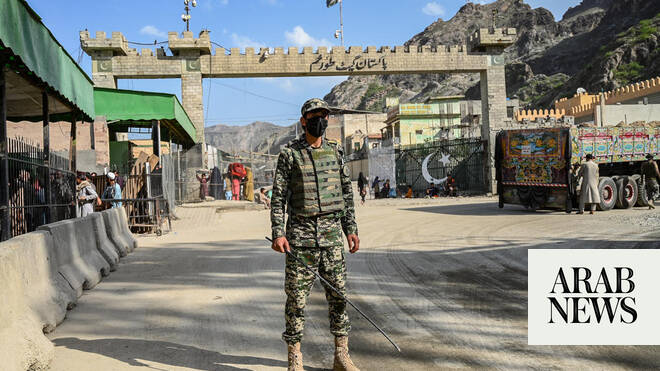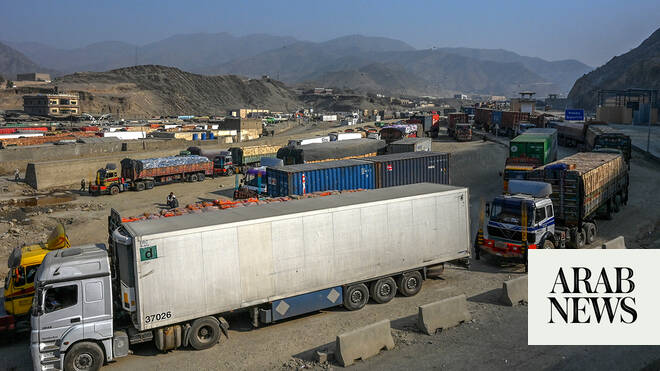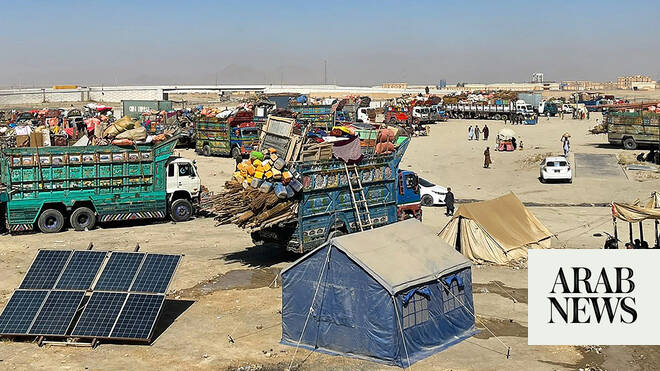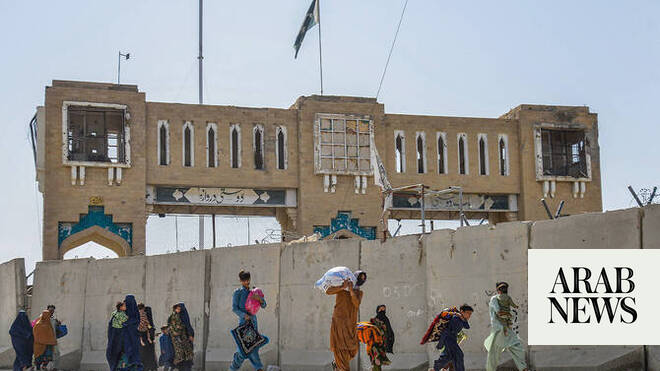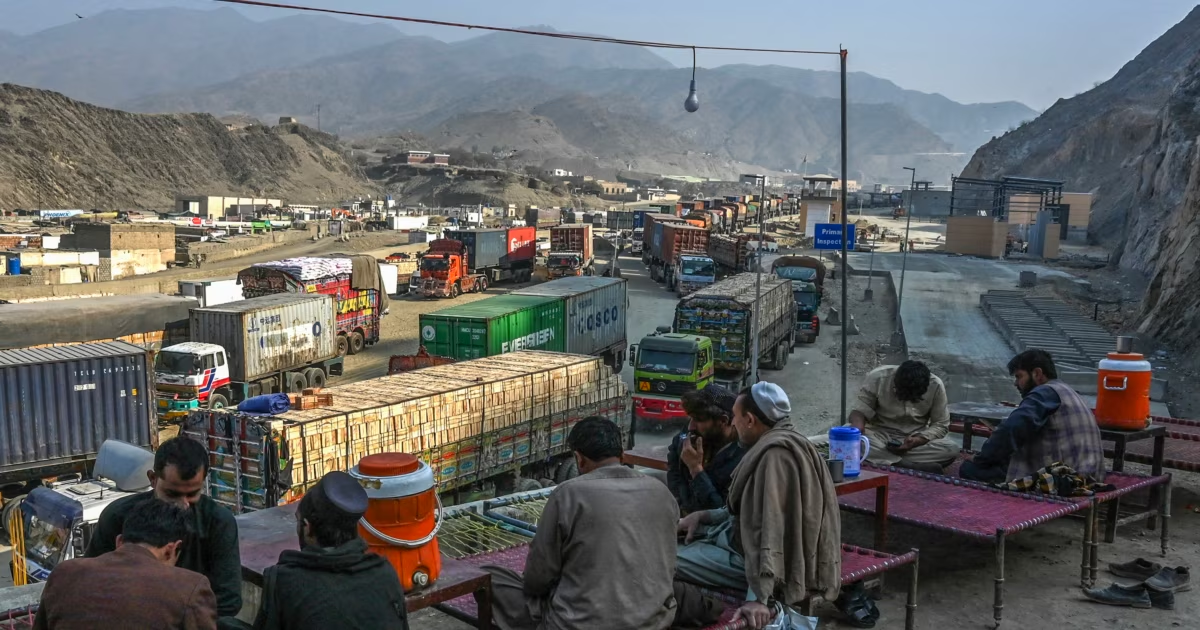
Patients who can't get their cancer medicine. A couple who had to postpone their wedding indefinitely. Traders stuck at the border, paying fines for truckloads of spoiled goods.Each day that the border between Afghanistan and Pakistan remains closed, the economic and humanitarian toll grows.Haji Muawin's health is deteriorating, and he can't get to the help he needs. The 55-year-old Afghan cancer patient has run out of his prescription medication and needs an examination at a hospital in Pakistan to continue treatment."I visit the clinic every four months as I am in the last stages of my treatment, but the border closure has made my situation even more difficult," Muawin, a resident of Afghanistan's eastern Nangarhar Province, told RFE/RL.Tensions between Kabul and Islamabad rose sharply in October 2025 when Pakistan carried out air strikes inside Afghanistan, ostensibly against militants belonging to Tehrik-e Taliban (also known as TTP, or the Pakistani Taliban). The Afghan Taliban retaliated by attacking Pakistani border posts, and the deadly clashes continued for several days.The border has been closed ever since.
Muawin's doctor is in Peshawar, a city in northwest Pakistan roughly 100 kilometers from Muawin's hometown of Ghanikhel. To get there, he must cross the border at the Torkham crossing.To avoid the tougher border restrictions at Torkham, Muawin says he twice made the 800-kilometer journey to Spin Boldak in Afghanistan's Kandahar Province.The Spin Boldak–Chaman border crossing has long been a preferred route for Afghans without valid visas. Travelers say offering bribes to border officials can, at times, facilitate passage. But Muawin had no such luck."Each time I was turned back despite greasing the palms of some border officials," he said.