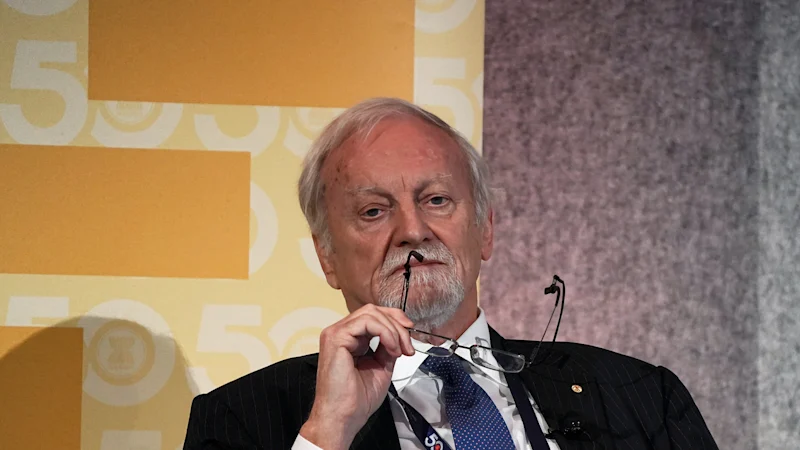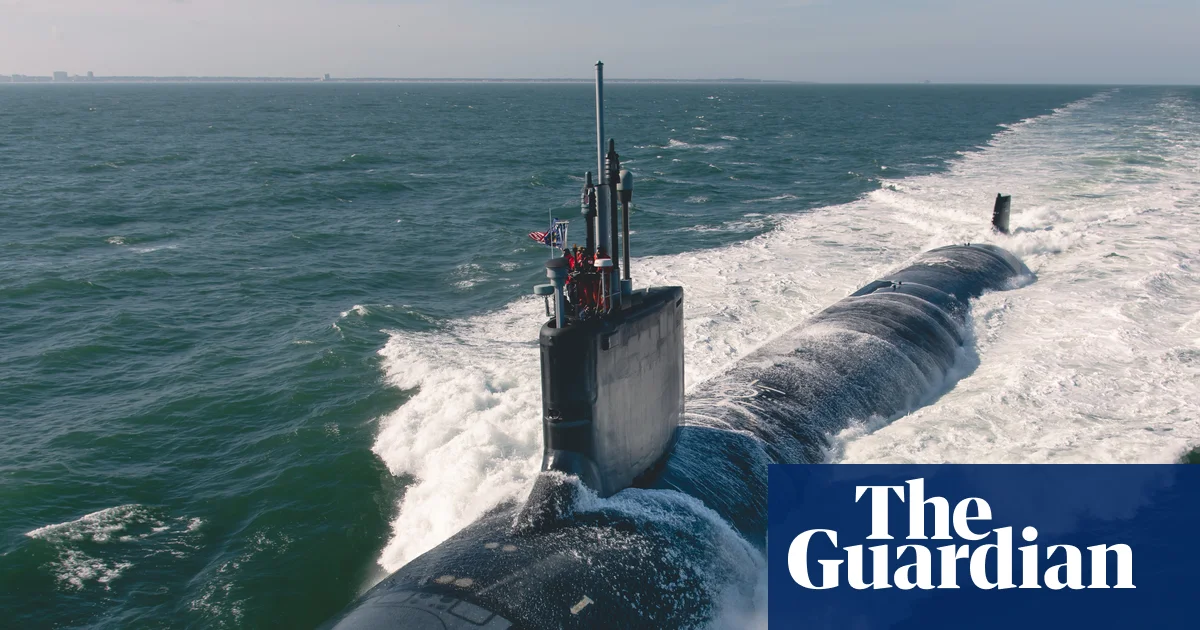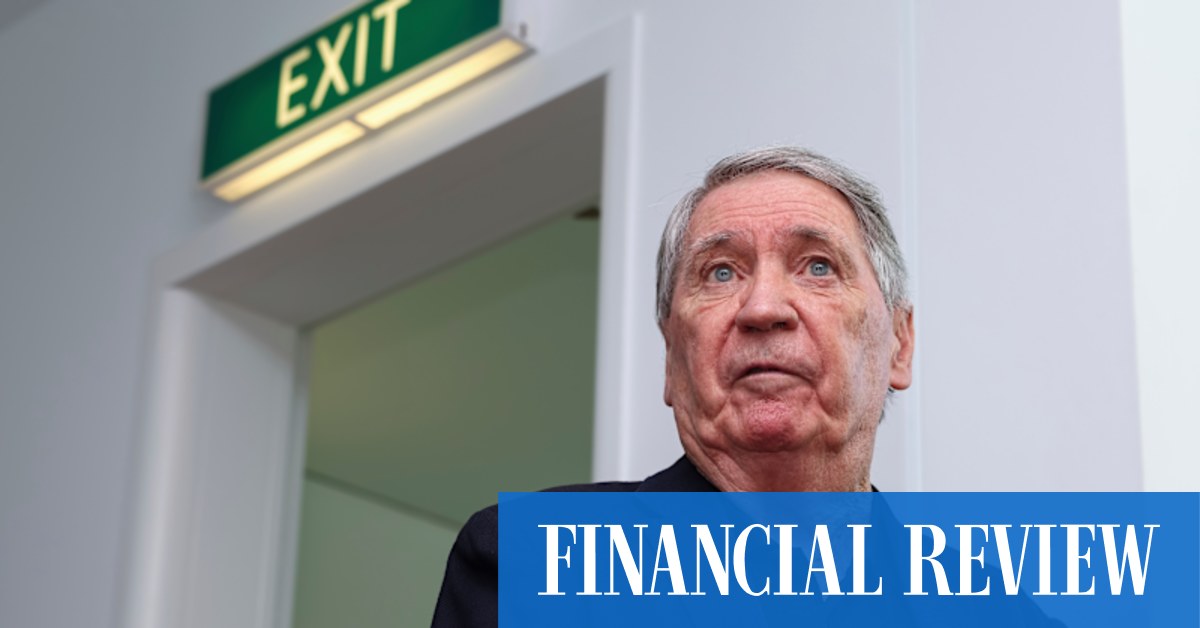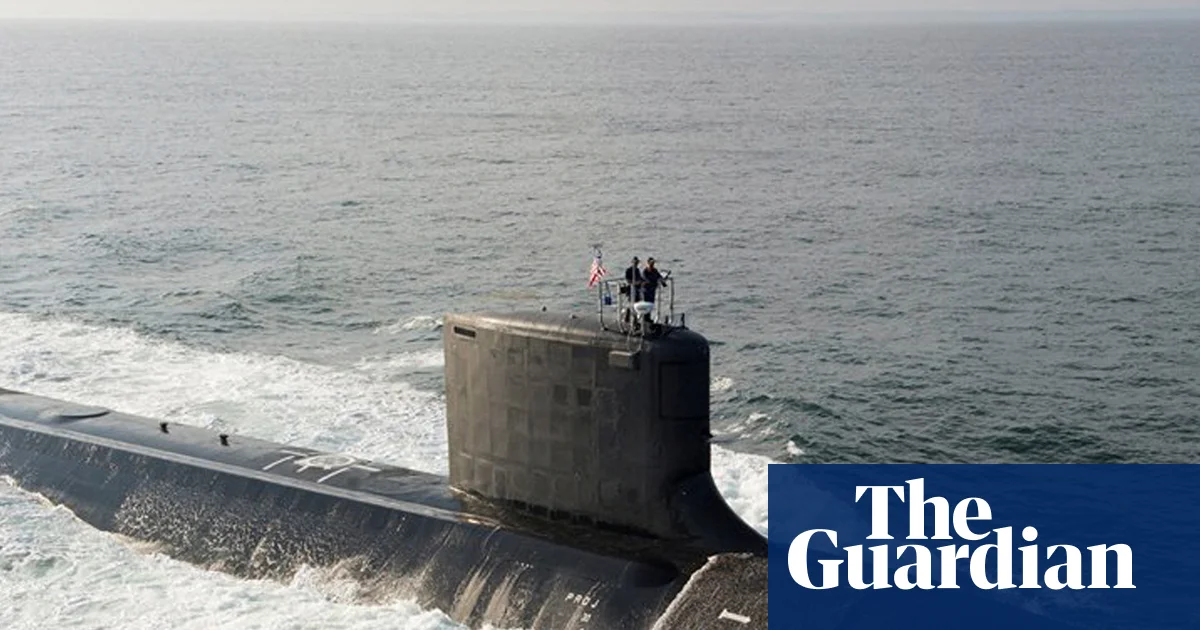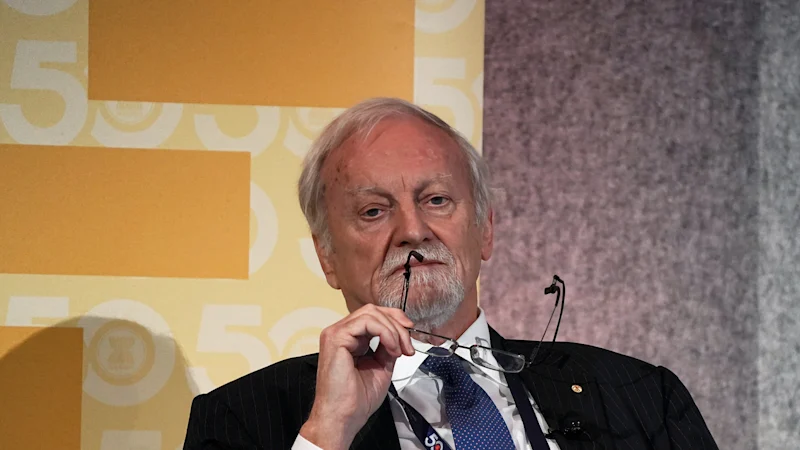
Updated June 11, 2026 — 2:26pm,first published 10:34amLabor’s longest serving foreign and defence ministers have clashed over whether Australia should abandon the AUKUS pact, highlighting profound divisions within the party over the merits of the nuclear-powered submarine plan.Gareth Evans, who served as foreign minister from 1988 to 1996, used the first day of hearings at a public inquiry into AUKUS to savage the nuclear-powered submarine plan as “misconceived from the outset”, arguing it has made Australia a “compliant cash cow” to the United States and United Kingdom.He argued the AUKUS submarine plan is likely to be regarded as one of the country’s worst foreign policy and defence mistakes, as he called for the Albanese government to quickly develop a back-up plan in case the pact falls over.Evans’ view was rejected by former cabinet colleague Kim Beazley who argued it would be a colossal mistake for Australia to abandon AUKUS in favour of a less capable type of submarine.Former Labor minister Gareth Evans.“Those who deny, or ignore, the loss of Australian sovereign independence that is necessarily involved in our commitment to the AUKUS project are simply defying reality,” Evans said in a submission to the inquiry.“And those who accept the reality of our loss of sovereign agency but actually applaud it as a price worth paying for our protection ... seem to have lost not only any sense of national pride, but of Australia’s national interest.”Evans, a longtime AUKUS critic, said his “regretful conclusion” is that the bipartisan embrace of the submarine plan “is more likely than not to prove one of the worst defence and foreign policy decisions our country has made, not only putting at profound risk our sovereign independence, but generating more risk than reward for the very national security it promises to protect”.“I cannot imagine this decision being made by any of the Hawke-Keating governments of which I was part for thirteen years. Times have changed,” he said.The crowd-funded public inquiry, which is holding its first hearings in Melbourne on Thursday, is chaired by former Labor minister and anti-nuclear campaigner Peter Garrett, another AUKUS sceptic.Only a couple of Labor MPs - Ed Husic and Josh Wilson - have publicly questioned the wisdom of the AUKUS pact, and it was strongly endorsed at Labor’s most recent national conference.Evans said it required “heroic levels of optimism” to believe the US would deliver three Virginia-class submarines to Australia as planned, and that Australia and the United Kingdom would successfully develop a new model of nuclear-powered submarine known as SSN-AUKUS.Evans said the superior capabilities of nuclear-powered submarines, including their ability to travel long distances at speed, made it more likely Australia would be dragged into a war between the US and China.“It simply defies credibility to think that Washington will ever go ahead with its sale of Virginias to us, or allow the further access to highly sensitive nuclear technology involved in the SSN-AUKUS follow-on project, in the absence of an understanding that we will deploy those boats to join the US in any fight in which it chooses to engage anywhere in our region, particularly over Taiwan,” he said.Beazley, who served as defence minister from 1984 to 1990, urged Australians not to take for granted the opportunity to acquire some of the world’s stealthiest and fastest submarines.“We need a platform of that calibre if we can get it. The balance of power is shifting interminably against us and we really need something potent,” he said.“To blow this opportunity would be a strike against our national survivability. I hope we continue with it for the sake of my children and grandchildren.”The Australian War Memorial chair said conventional diesel submarines were becoming increasingly easy to detect, strengthening the case for nuclear-powered submarines for an island continent like Australia.“Anything that can be seen can be hit; if it can’t be seen it can survive,” he said.Kim Beazley, Labor’s longest serving defence minister, is a defender of the AUKUS pact. Pool picturesBeazley said Garrett’s inquiry was a welcome form of democratic participation, but added it appeared the main purpose of the probe was to provide a platform to AUKUS critics rather than a genuinely open-minded investigation.Evans said it would be best for the Albanese government to abandon the submarine plan altogether, but, given this appears unlikely, it “should now devote major resources to developing a fallback plan”.He said the government should examine buying cheaper off-the shelf submarines from France, Japan, Germany, Sweden or South Korea, and that the submarines need not be nuclear-powered.Australia should also beef up its investment in other military equipment such as drones, uncrewed submarines, anti-ship missiles, sea-mines, air-to-air missiles and strike missiles to defend itself, he said.Cut through the noise of federal politics with news, views and expert analysis. Subscribers can sign up to our weekly Inside Politics newsletter.Matthew Knott is the foreign affairs and national security correspondent for The Sydney Morning Herald and The Age.Connect via X, Facebook or email.From our partners
‘Don’t blow this opportunity’: Labor legends split over AUKUS
Labor’s longest serving foreign minister says the submarine plan is likely to be regarded as one of Australia’s worst foreign policy and defence errors.
823 words~4 min read