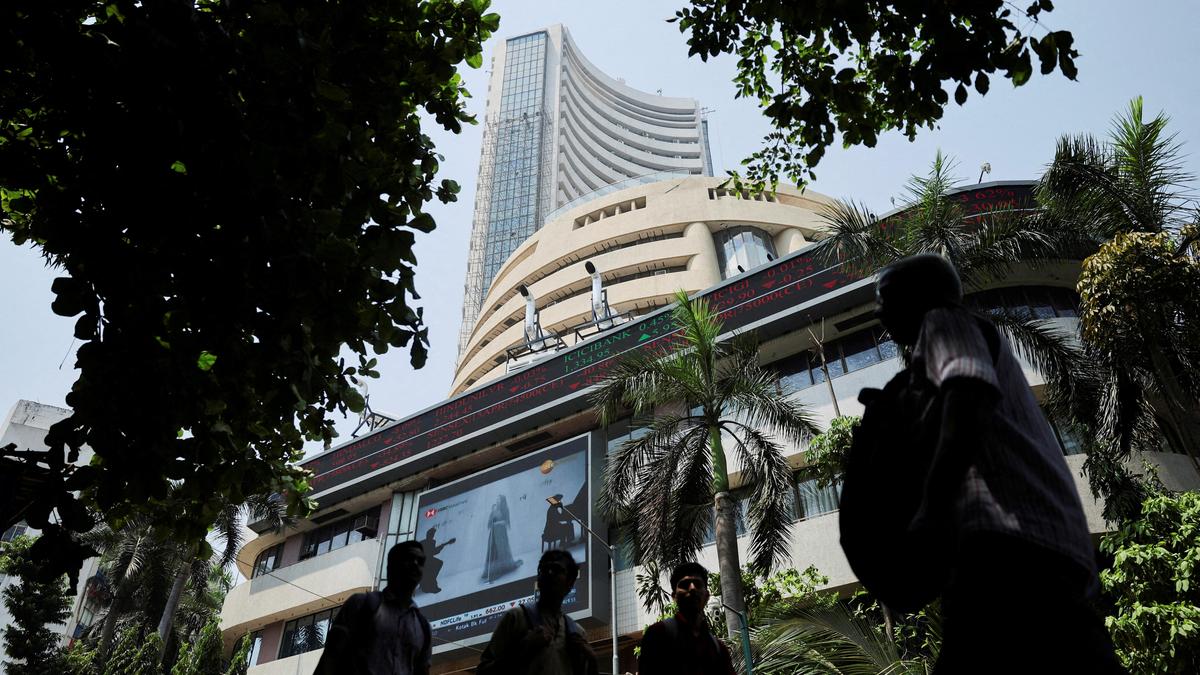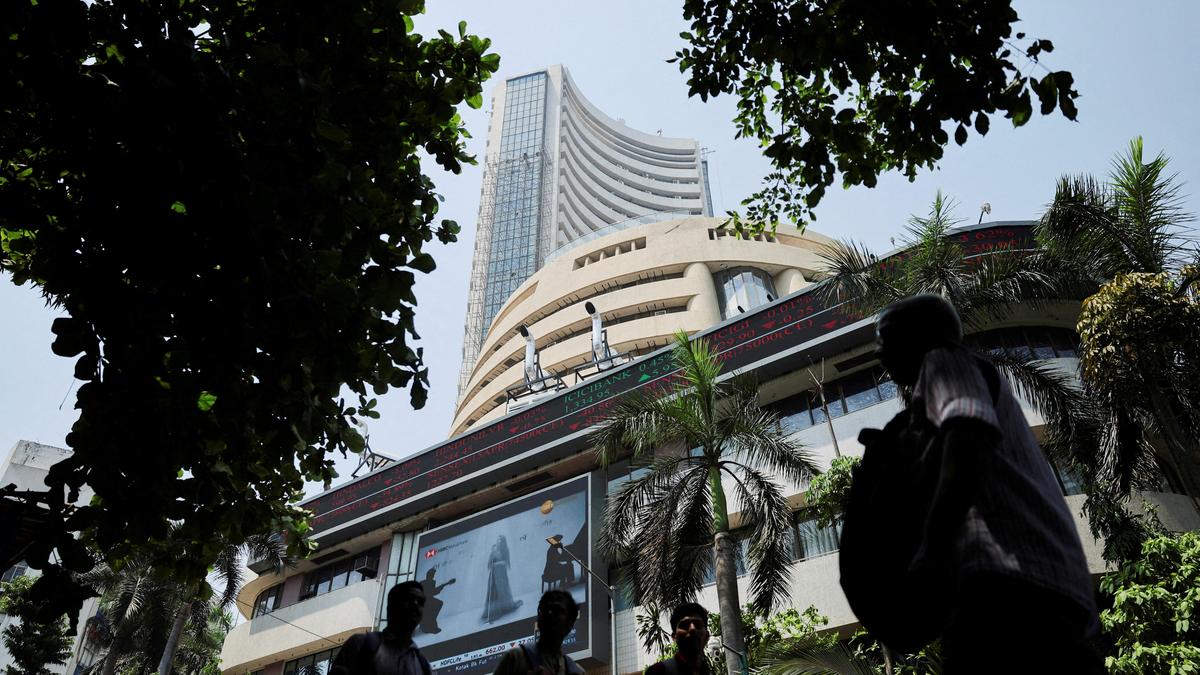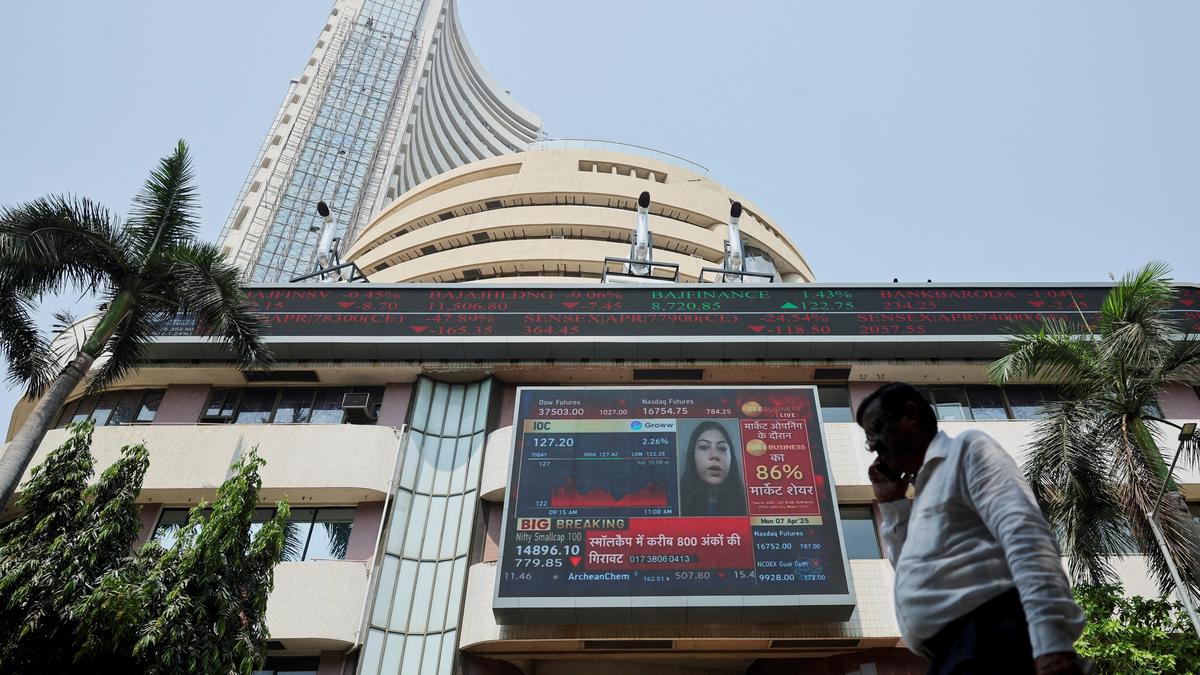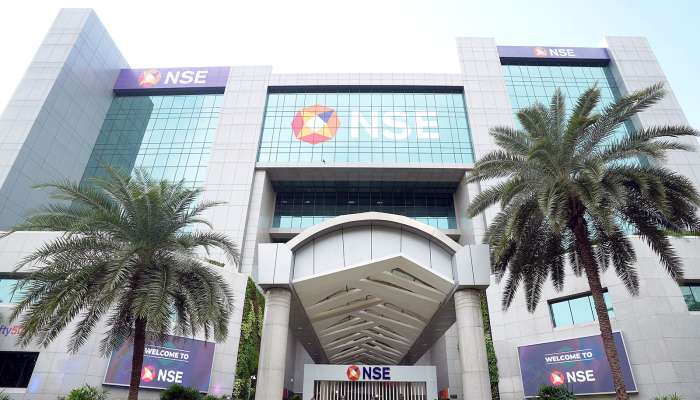
New Delhi: Indian equity benchmark indices opened lower on Thursday, tracking weakness in global and Asian markets amid rising geopolitical tensions in West Asia and concerns over persistent inflation.The BSE Sensex was down 367.19 points or 0.50 per cent at 73,615.99, while the NSE Nifty 50 declined 110.55 points or 0.48 per cent to 23,104.40 in early trade. Asian markets also traded lower. Japan's Nikkei 225 fell 0.25 per cent to 64,016.00 points, Hong Kong's Hang Seng index dropped 1.15 per cent to 24,128.00 points, and Taiwan Weighted slipped 1.79 per cent to 42,466.32 points.Explaining the market weakness, Ajay Bagga, Banking and Market expert, said, "The US has launched a second consecutive day of military strikes on Iran, pushing the West Asian conflict into a highly dangerous, prolonged kinetic phase. The Strait of Hormuz remains largely blocked, structurally choking global oil supply lines. With President Trump warning Tehran that they will 'pay the price' and Iran refusing to back down, peace talks have effectively collapsed."He further said, "Compounding this geopolitical premium, US crude inventories plunged by 7.2 million barrels--marking the seventh consecutive weekly decline. The physical market is screamingly tight."At the time of filing this report, Brent Crude rose 1.88 per cent to USD 94.85 per barrel, while Crude Oil gained 2.08 per cent to USD 91.90 per barrel. Gold edged lower by 0.13 per cent to USD 4,066.56.Commenting on global market trends, Bagga said, "The Middle East Premium Explodes as Wall Street Capitulates. A toxic cocktail of escalating West Asian geopolitical flare-ups, a severe overnight drumming for U.S. megacap tech/semiconductors, and rising US consumer inflation reality checks conflated to bring down US markets on Wednesday."Bagga noted that "coercive diplomacy" is being unleashed via fresh US strikes at Iran. Escalation risk increases, but oil yields and stock market movements indicate investors are expecting limited aerial exchanges and no broadening of the conflict.He added, "Escalation in Iran, unwinding of AI momentum plays, high US inflation at three year highs and the post listing SpaceX price performance are the key market moving factors going ahead."Bagga further said, "The markets are waking up to a harsh monetary reality: the Federal Reserve's rate cuts are completely off the table for the foreseeable future, and higher-for-longer yields are choking non-yielding precious metals."Manav Modi, Commodities Analyst at Motilal Oswal Financial Services Ltd, said US consumer inflation data for May came largely in line with expectations, with headline inflation rising 0.5 per cent month-on-month and 4.2 per cent year-on-year, the highest annual reading since April 2023. However, softer core inflation figures provided some relief."Inflation remains heavily influenced by surging energy costs, with gasoline prices rising over 40% annually. The combination of elevated inflation, resilient labor market conditions, higher Treasury yields and a stronger dollar continues to weigh on non-yielding assets such as gold. Focus now shifts to the U.S. PPI report and upcoming officials commentary for further clues on the interest-rate outlook," Modi added.On the technical front, Shrikant Chouhan, Head Equity Research at Kotak Securities, said the 23,350/74,300 level will be an immediate resistance zone for the markets. "As long as it trades below this level, weak sentiment is likely to persist," he said."On the other hand, above 23,350/74300, it could retest 23,425/74600. Further gains could continue, taking the index to 23,500/75000. A close below 23000/73400 would trigger a sharp decline towards 22800-22700/72800-72500 levels," Chouhan added.
Fresh geopolitical tensions and inflation pressures drag Indian markets into red
Indian equity benchmark indices opened lower on Thursday, tracking weakness in global and Asian markets amid rising geopolitical tensions in West Asia and concerns over persistent inflation.
559 words~3 min read