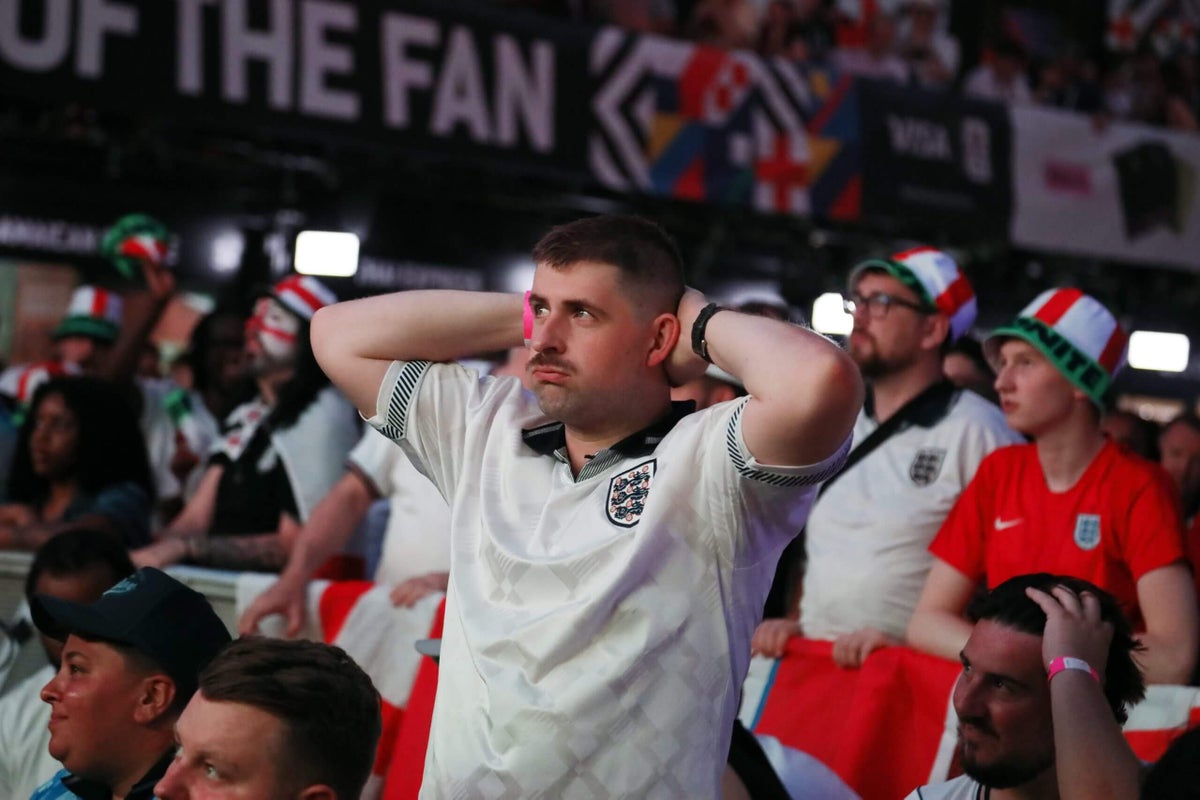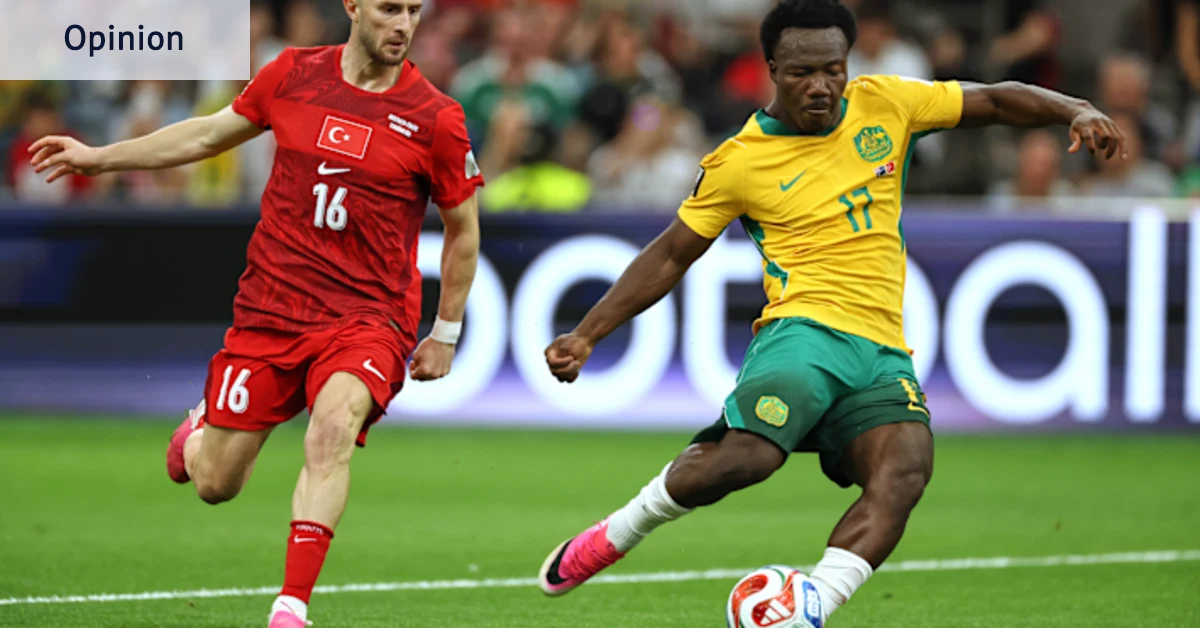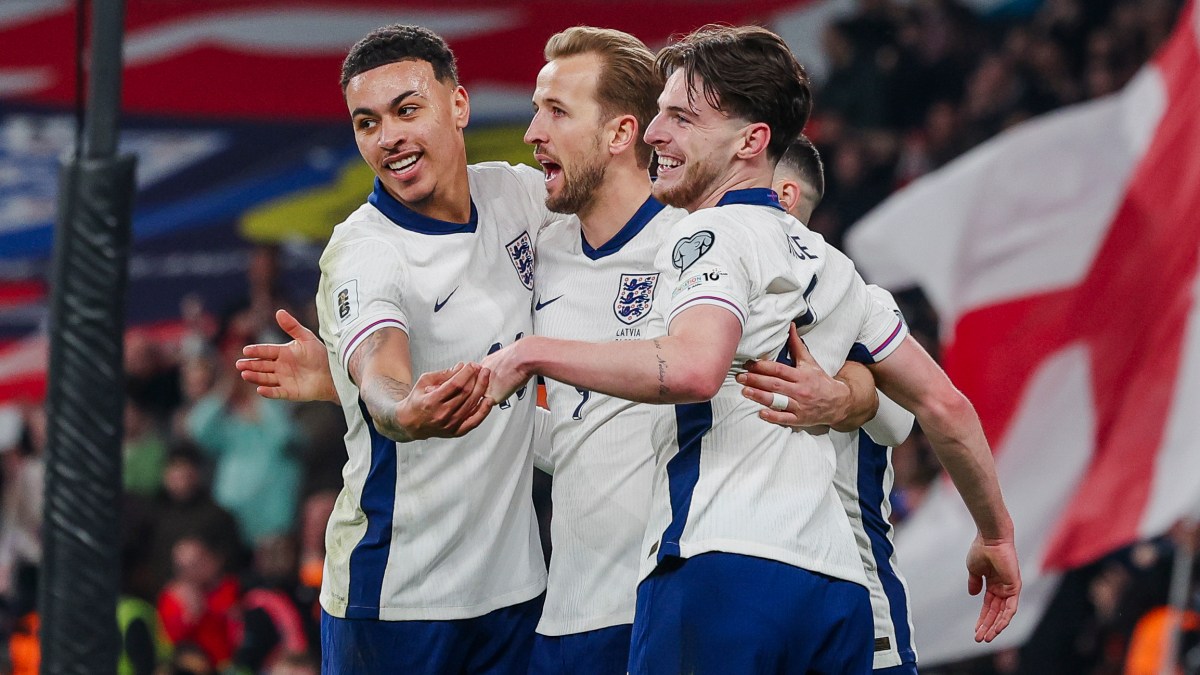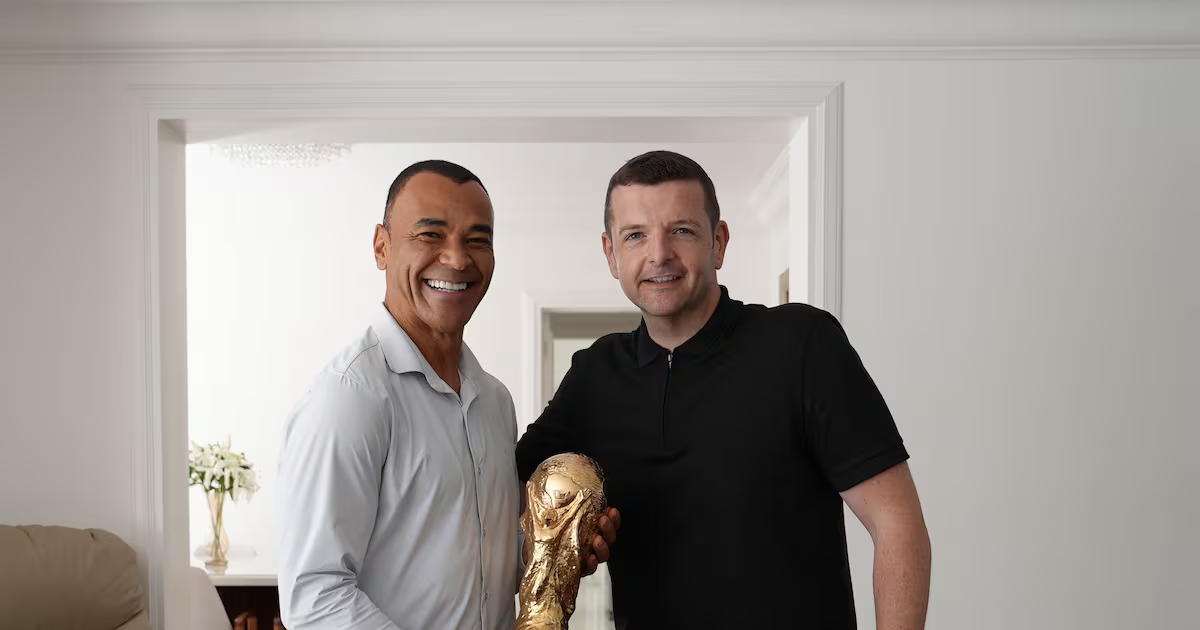
Soccer is now inescapable for the summer, as the World Cup kicks off its largest outing yet. Forty-eight teams will play 104 matches, dominating the TV schedules for the next six weeks, albeit with many of those games taking place at bewilderingly inaccessible times of day. If you don’t fancy setting your alarm to catch South Korea’s opener against the Czech Republic at 3am, there is, luckily, a host of football-themed programmes to get you in the mood beforehand.Broadcasters are having a field day with related – sometimes very tenuously related indeed – programming. At home there’s Total Football (Tuesday and Thursday, RTÉ2), in which RTÉ’s panel go through the contenders and pretenders for the sport’s biggest prize. Ireland don’t have a place at this year’s tournament, which seems especially rude as Fifa has increased the number of participating teams by 50 per cent, but we must not dwell on this fact and shall move on.On the subject of moving on, Saturday saw the broadcast of 1966 Fifa World Cup Final – In Colour (Channel 4), a salutary reminder that England won the World Cup once – a fact you’d be forgiven for forgetting, as our cousins across the water have been so reluctant to mention it in the 60 years since.I will, at this juncture, park such churlishness, as this broadcast was also a telethon for the Alzheimer’s Society, a worthy cause with a shocking personal relevance for England’s 1966 team, five of whom have suffered from dementia in later life. It’s also – and I will admit to saying this through gritted teeth – a fascinating document in its own right. Although I’ll never quite get the appeal of colourisation, which seems to imply a thing didn’t really happen if it was only broadcast in black-and-white, there’s something uncannily gripping about watching this earlier form of soccer, which is about six paces slower than its modern equivalent and is played entirely by men who look as if they have work in the morning.The commentary, too, with its stately restraint and cut-glass diction, seems a world away from the bombastic, chatterbox affair to which we’ve long been accustomed.If you’re looking for bombast you’d do a lot worse than catch up on the best bit of World Cup documentarising to have streamed in the past few weeks. The Bus: A French Football Mutiny (Netflix) tells the extraordinary story of Les Bleus’ implosion at the 2010 World Cup, in South Africa. Although their squad was filled with world-class players and impeccable pedigree, the team’s early results were abysmal; then a spat between Nicolas Anelka and Raymond Domenech led to the striker being sent home and the manager losing the trust of his remaining players, who promptly went on strike.The result is one of the strangest bust-ups in the history of international soccer. If Roy Keane and Mick McCarthy’s misadventures in Saipan were a footballing earthquake, this was more like a meteor impact, and the film does excellent work in surveying the wreckage that fell in every direction, from expletive-laden newspaper headlines to televised arguments between the manager and his players as the mutiny went on.Contributions from, among others, William Gallas, Bacary Sagna and the team’s captain at the time, Patrice Evra, show that many wounds have yet to heal, but the true coup of the piece is the extended access granted by Domenech himself, an acerbic, apparently bitter figure who seems hell-bent on coming across as a pantomime villain, right down to providing the film-makers with the hilariously pompous and mean-spirited diary he kept throughout the debacle.For those of us who might wish to see the world’s best and brightest fall to pieces on the largest stage in world football, this is excellent stuff. One hopes there’s a French word for Schadenfreude, because that’s precisely what this documentary provides, in spades.Elsewhere, Gareth Southgate: Changing the Game for Young Men (Monday, BBC One) charts the effects that England’s former manager had not just on soccer itself but on conversations around social issues and mental health.It’s not to be confused with the recent BBC series Dear England, in which Joseph Fiennes played Southgate in a stirring docudrama that covered many of the same themes, and forms the tip of a spear of soccer-related programming the Beeb has aired in the past few weeks. The slate includes the admittedly prosaic slog through football’s two biggest stars, in Rivals: Messi v Ronaldo (Thursday, BBC One) and the diverting Pitch Invasion: How the USA Changed Soccer (Monday and Wednesday, BBC One), which contextualises the United States’ relationship with football by laying out the attempts of the 1970s and 1980s to popularise the sport there.The best of these efforts may well be Kevin Bridges: In Search of the Beautiful Game (BBC One, Sunday), which begins with the Glaswegian comic describing the experience of cheering on Scotland during the 1998 World Cup in France, a dispiriting spectacle that saw the Scots exit at the group stage, losing two games and drawing one in the process.“But I was only 11,” he says, with proleptic cheeriness. “I’d have the rest of my life to watch Scotland in World Cups.” Twenty-eight years – and seven tournaments – later, Scotland have only now qualified for their first tournament since then.What follows, however, is not a tragicomic survey of Scottish footballing fortunes but a show that reaches for something deeper. In a global football industry awash with dodgy investments, state-owned clubs, political malfeasance and queasy corruption, where, he asks, might the beautiful game still be found?Bridges is an amiable and incisive host, well suited to both planks of the show’s premise: speaking on the ground to ordinary footballers and fans about what makes the sport so special; and excoriating the laughable parade of greasy sycophants and corporate vampires at the top of world football.The World Cup that begins today, hosted by the US, Canada and Mexico, is a case in point, in terms not only of its own approach but also that of some key service providers. Consider the train service that’s due to take fans from Penn Station, in New York City, to the MetLife Stadium, in New Jersey. Ordinarily $12.90, a return ticket will now cost $98 for visiting fans, rendering a 30km rail journey significantly more expensive for Scotland fans than a summer flight from Glasgow to Mallorca (and that’s after a cut from the $150 New Jersey’s transit agency originally said it would charge).Then there are the absurd ticket prices for the games themselves, many of which cost seven or eight times what they did at the last tournament, in 2022, typically ranging from the low hundreds to tens of thousands of dollars. To make matters even worse, Fifa is itself officially involved in the secondary market this year, meaning it gets a cut from the selling-on of tickets at vastly inflated prices, an unprecedentedly greedy practice.The show is somewhat uneven, and one may wonder why the segments in Scotland and the United States are stapled on at either end of what is, otherwise, a 50-minute travelogue through various parts of Brazil, with stop-offs to meet the former players Cafu and Daniel da Silva, among others. But the BBC should be commended for airing a programme unafraid to draw attention to the unedifying spectacle that soccer has become. Not least as it’s a spectacle the broadcaster is committed to showing, with much less social commentary, for the next six weeks. It’ll be doing so in colour, at least.
World Cup 2026: Don’t fancy a middle-of-the-night match? Try these eye-opening TV shows instead
There is a host of football-themed programming airing at sensible times, just to get you in the mood
1,249 words~6 min read