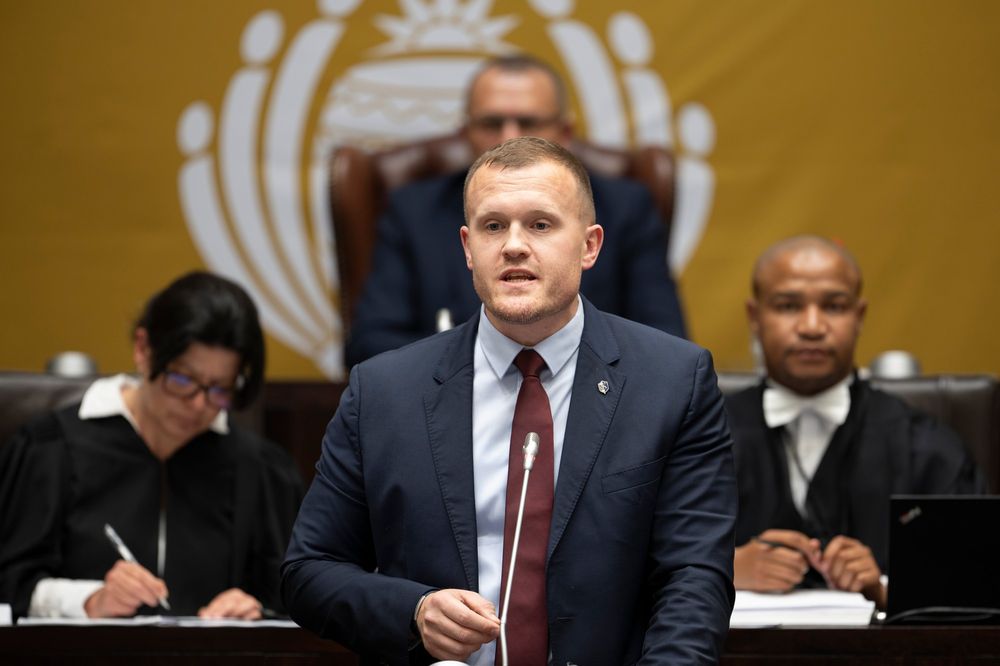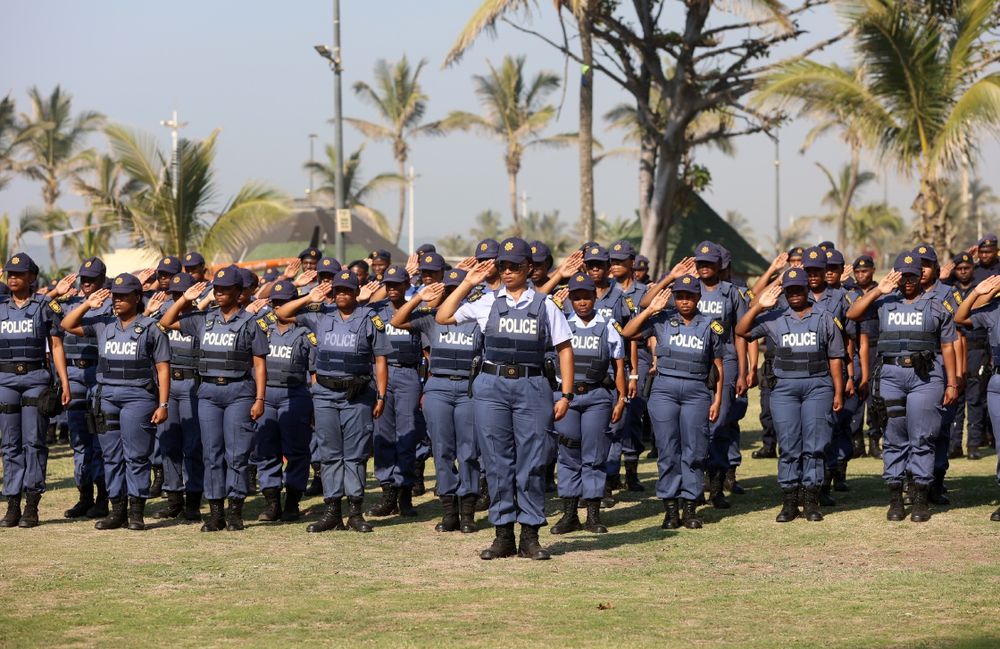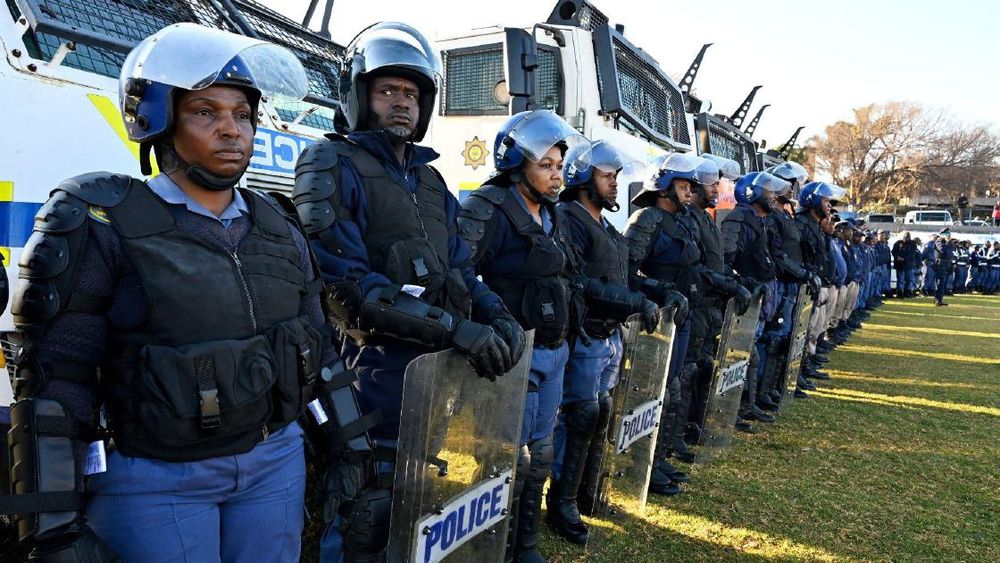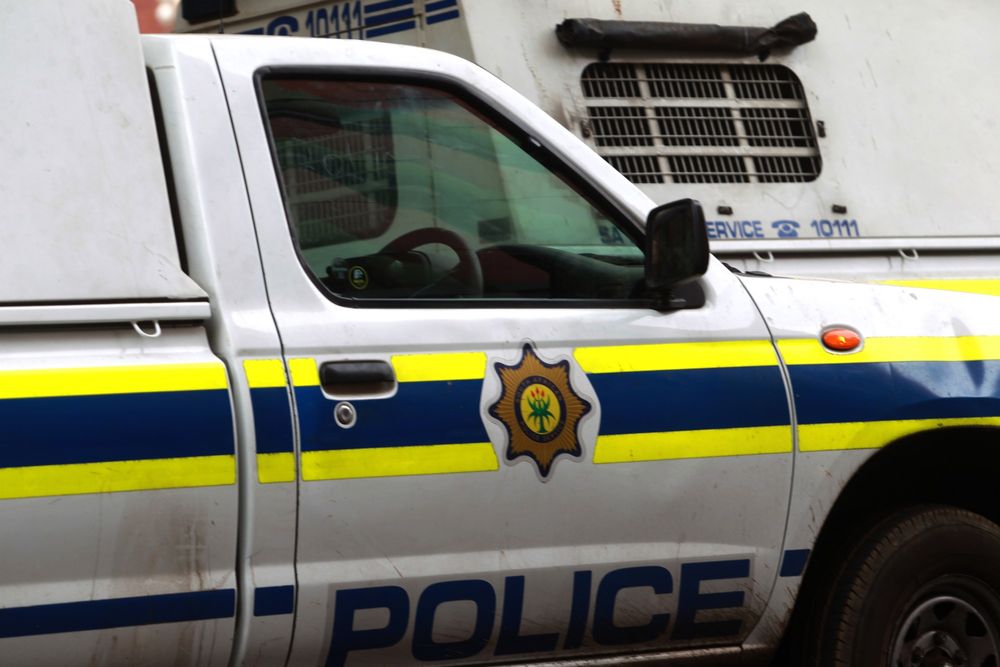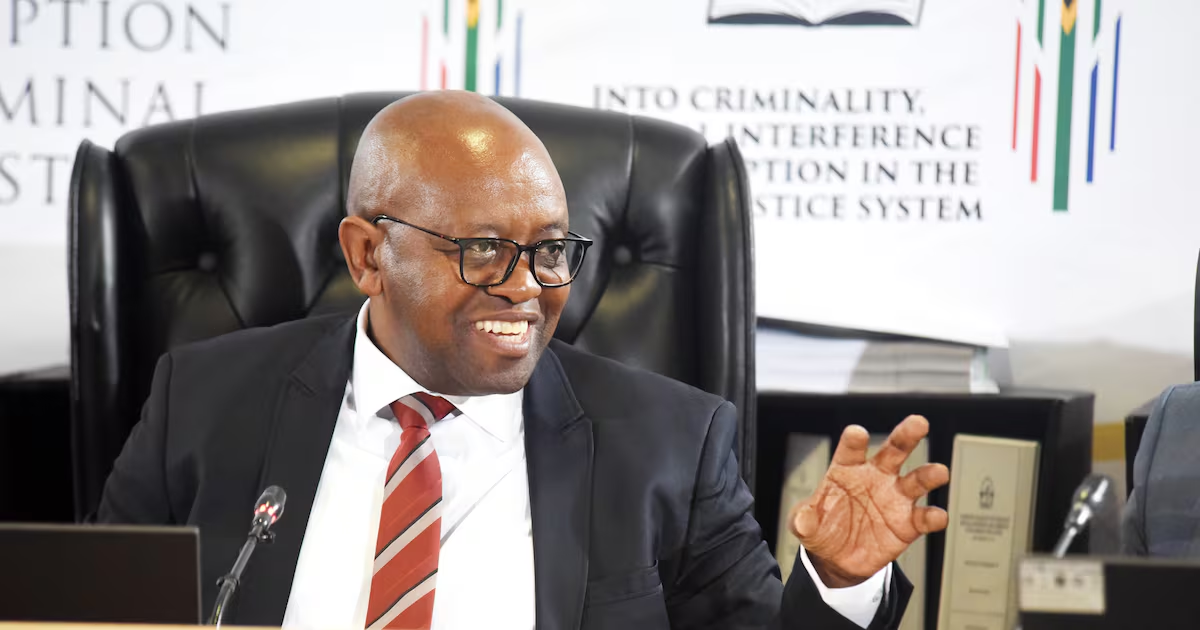
The South African Police Service (SAPS), an institution meant to guarantee the safety of South Africans and inspire confidence among investors and tourists, is drifting dangerously in a state of uncertainty. In many ways Hollywood has visited South Africa, complete with scandal, infighting, suspensions and institutional paralysis. But unlike the movies there is no entertainment value in a weakened police service in one of the world’s most crime-ridden societies. If urgent and decisive action is not taken, the consequences for public safety and national stability will be devastating. Proverbs 20:4 warns: “Sluggards do not plough in season; so at harvest time they look but find nothing.” It is a warning against delay, complacency and indecision. Sadly, South Africa’s leadership appears determined to ignore that wisdom. The ongoing Madlanga commission of inquiry and parliament’s ad hoc committee have presented a rare opportunity to confront the rot within the SAPS and rebuild the institution. Yet, as has become all too common in government, urgency is absent and decisive leadership remains elusive. For years the portfolio committee has consistently called for the suspension of officers implicated in wrongdoing. Yet despite repeated calls for accountability, rogue elements continue to linger in the ranks of the SAPS. The fact that more than 25 senior officers are currently suspended, with more likely to follow, should serve as a wake-up call. Instead, it risks becoming another chapter in South Africa’s growing culture of endless investigations with little consequence. Suspensions themselves are not the problem. Any credible institution must remove compromised officials while investigations proceed. The real crisis lies in the abuse and endless extension of suspensions, often with full pay and little progress towards finalisation. Government reportedly spends close to R800m annually paying suspended public servants, many of whom have remained at home far beyond the legally prescribed 90-day period. In some instances officials have enjoyed years of paid leave funded by taxpayers. Police disciplineIn the context of policing, this is not merely wasteful, it is dangerous. The SAPS functions within a strict command-and-control environment. Stability, discipline and accountability depend on clear and permanent leadership structures. When senior positions remain vacant or occupied by acting officials indefinitely, instability inevitably filters through the entire organisation. Decision-making weakens, morale declines and operational effectiveness suffers. South Africans are living under the daily threat of violent crime, organised syndicates and lawlessness. Citizens cannot be expected to trust a police service where senior leaders are themselves under investigation, suspended indefinitely or merely occupying temporary positions. Public confidence in policing is not built through press statements, constant assurances and slogans; it is built through stability, professionalism and decisive accountability. The over-reliance on acting appointments further deepens the crisis. While temporary appointments may sometimes be unavoidable, prolonged acting positions create fertile ground for political interference and institutional uncertainty. Individuals serving in acting capacities are often reluctant to make bold or independent decisions, knowing their future depends on political favour rather than merit and performance. An institution operating with acting leadership from the executive level down to senior management cannot realistically be expected to function effectively. It becomes reactive rather than proactive, politically vulnerable rather than operationally independent. South Africa simply cannot afford a paralysed police service at a time when communities are crying out for safety and criminals are becoming increasingly emboldened. President Cyril Ramaphosa faces a defining moment. The instability within the SAPS presents not only a crisis but also an opportunity to restore professionalism, enforce accountability and appoint capable permanent leadership that can rebuild public trust. The warning from Proverbs remains relevant: seasons of opportunity do not last forever. If leadership continues to delay, hesitate and avoid difficult decisions, South Africa may soon discover the harvest it seeks of safety, stability and public confidence has already been lost. • Cameron, a DA MP, chairs parliament’s portfolio committee on police.
IAN CAMERON | Hollowed-out SAPS leadership a danger to the nation
Police instability undermines trust while operational effectiveness suffers
637 words~3 min read