In rereading the book Lure the Tiger Out of the Mountains: The 36 Stratagems of Ancient China, by Gao Yuan, I pondered how thinking like an ancient Chinese might help the world avoid the Thucydides Trap.
The Thucydides Trap, a term coined by Harvard academic Graham Allison, is a hypothesis in international relations that is summarized from historical experience. It holds that when a rising power challenges the dominance of an established power, structural fear — rather than malicious intent — greatly raises the risk of confrontation and full-scale war.
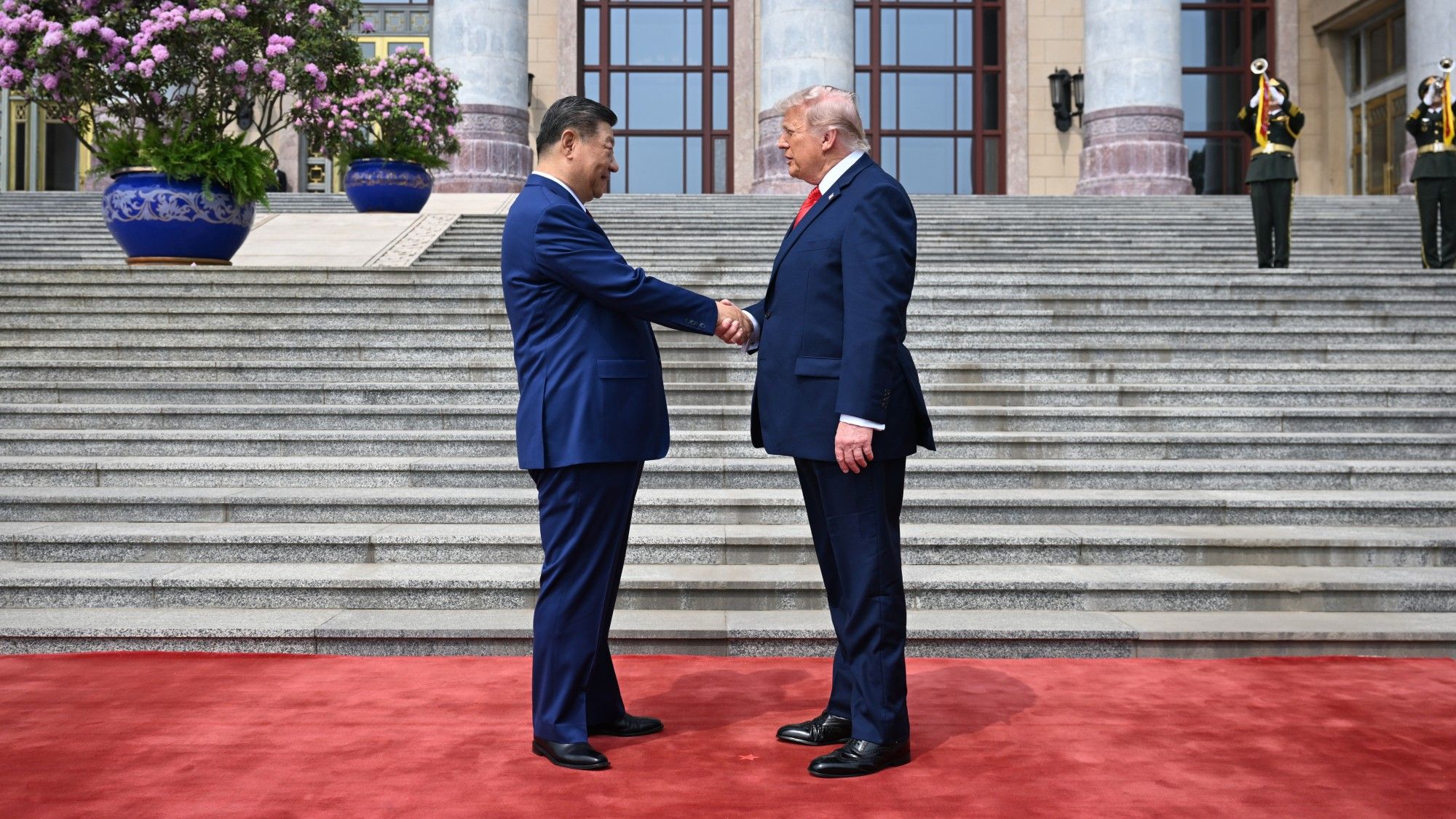
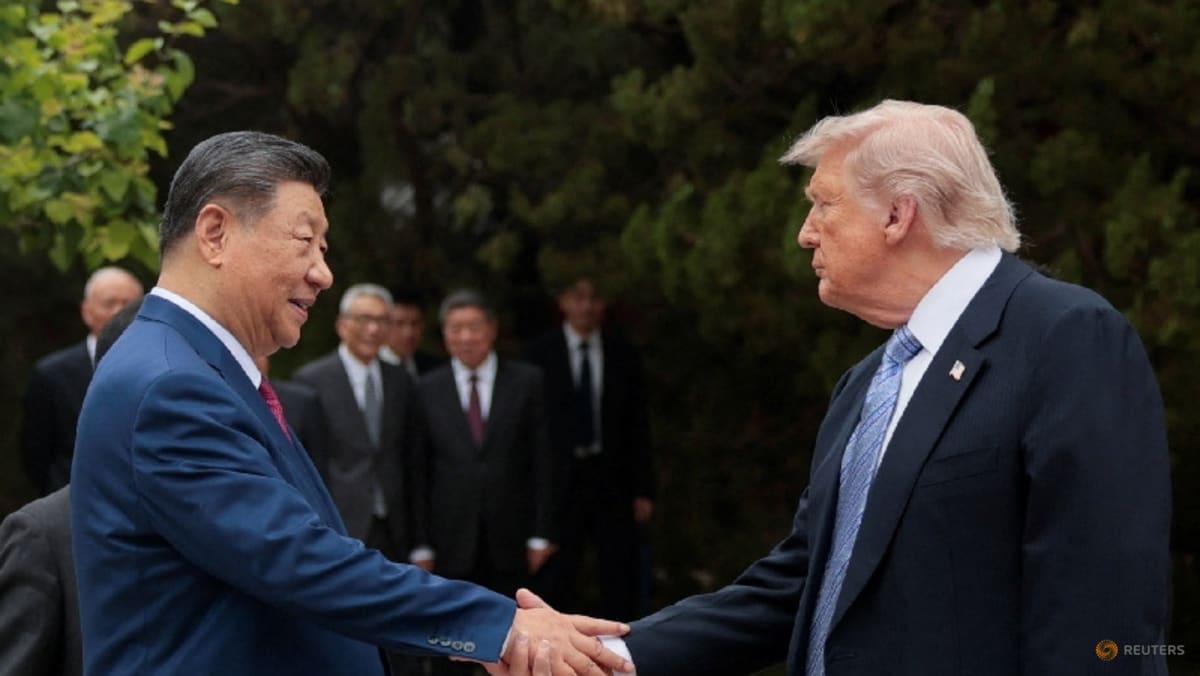
The Thucydides Trap entered global discourse again recently when President Xi Jinping asked US President Donald Trump, during their recent summit in Beijing, "Can China and the United States transcend the Thucydides Trap and forge a new paradigm for major-country relations?"
Although some in the West hold a narrow view that Western thought is the sole source of wisdom, how ancient Chinese pursued challenges has an impact on current Chinese thinking and should not be overlooked by the US administration.
While thought and theory in Western international relations often focus on zero-sum power struggles, ancient Chinese philosophy prioritizes patience, indirect action and the preservation of relationships.