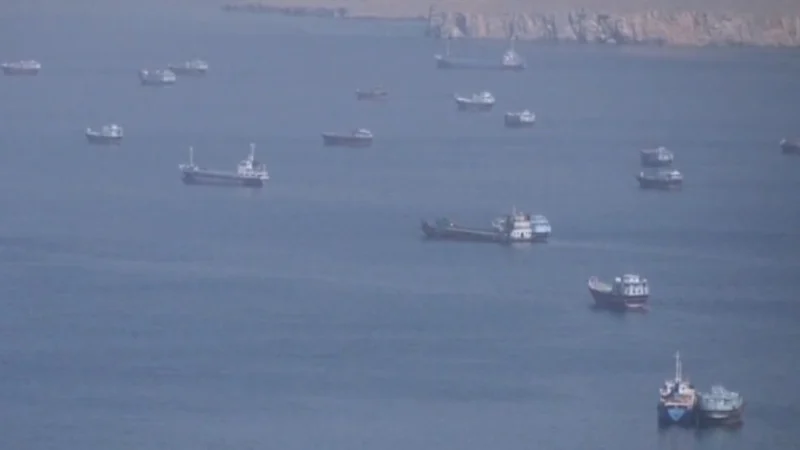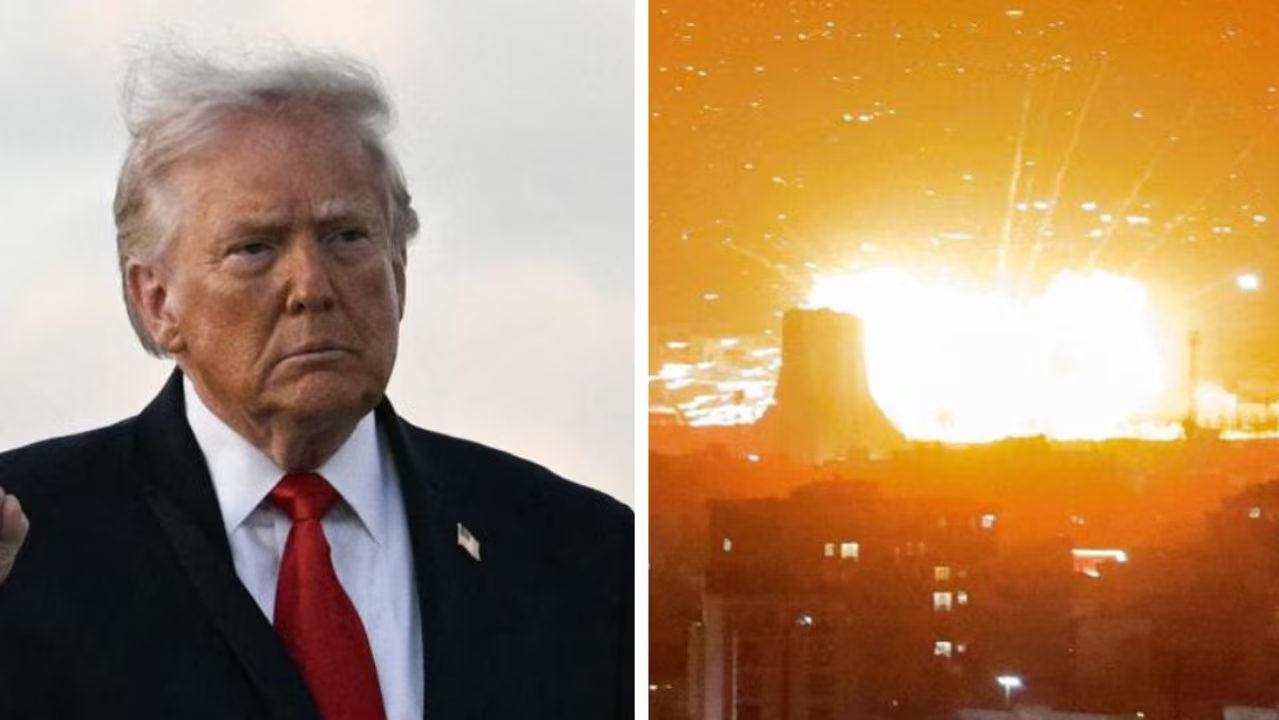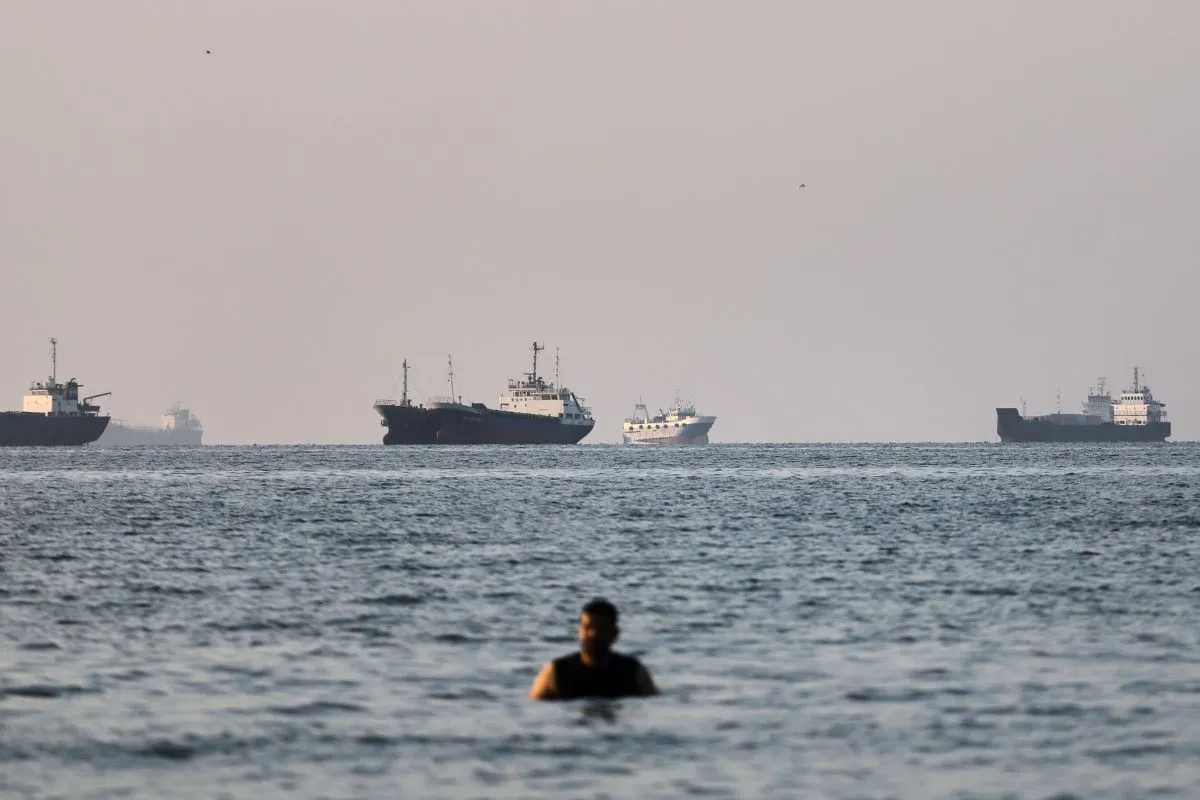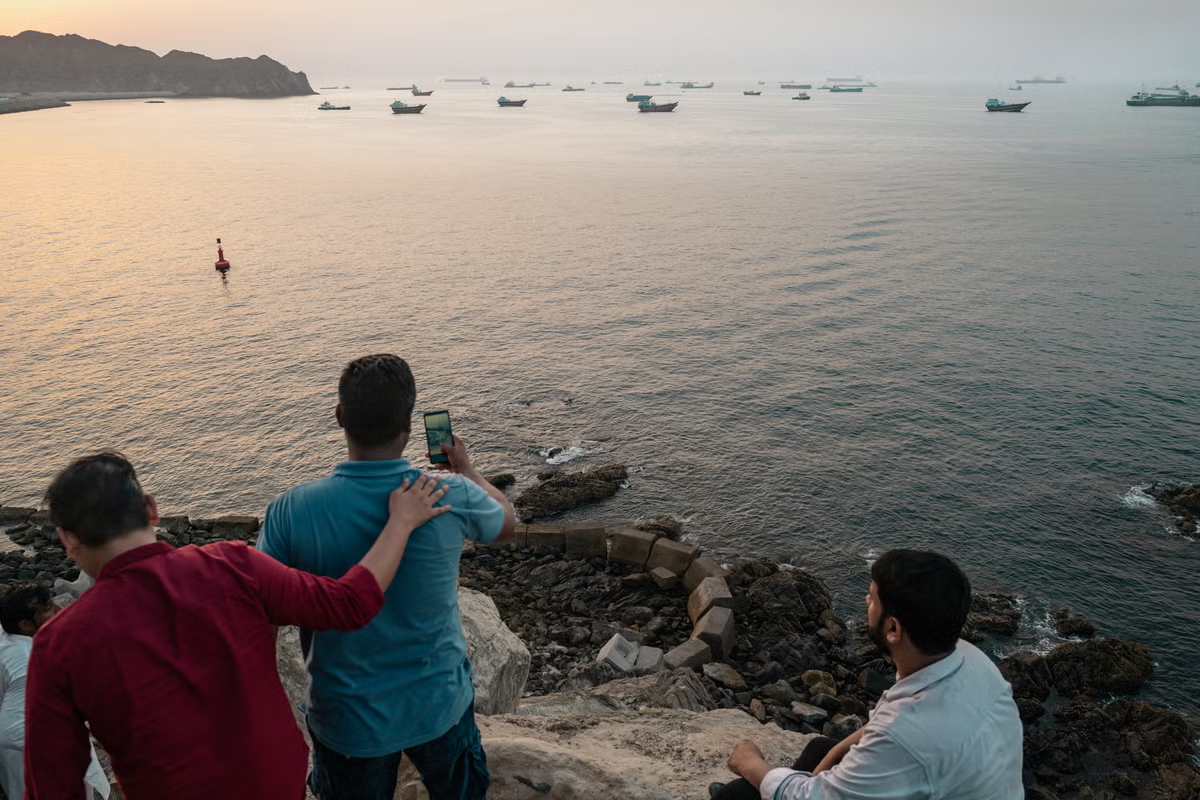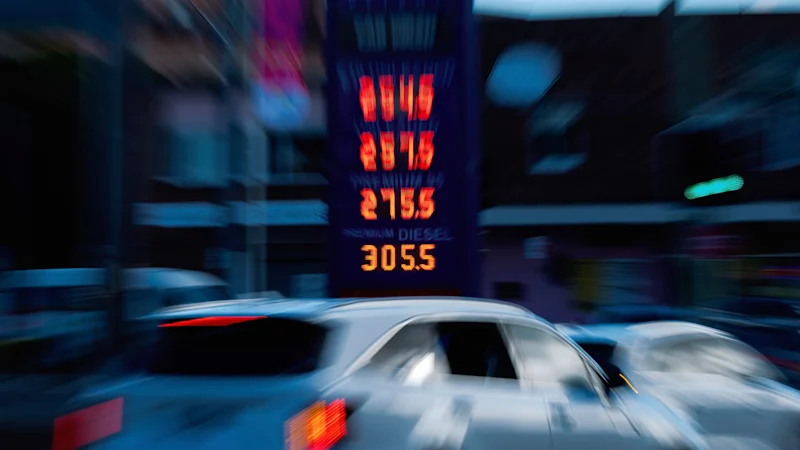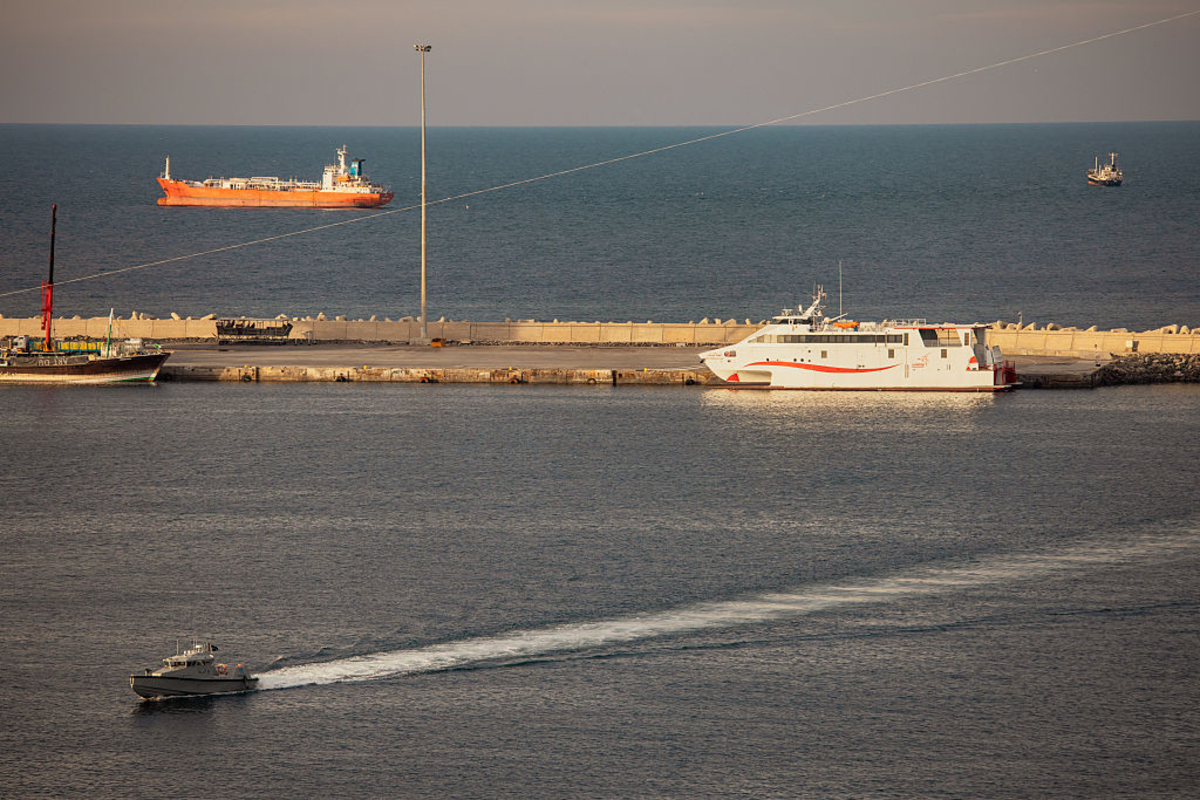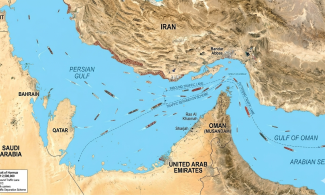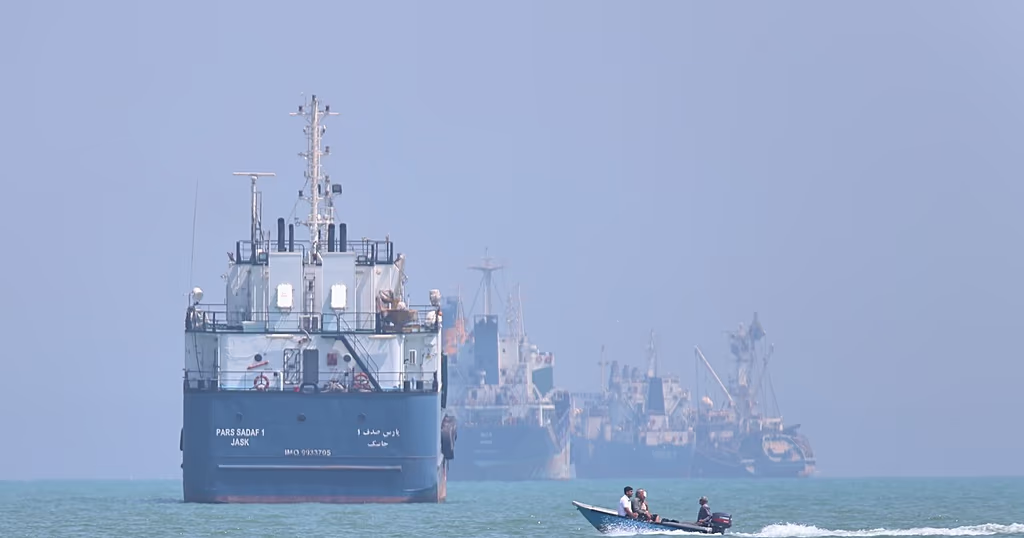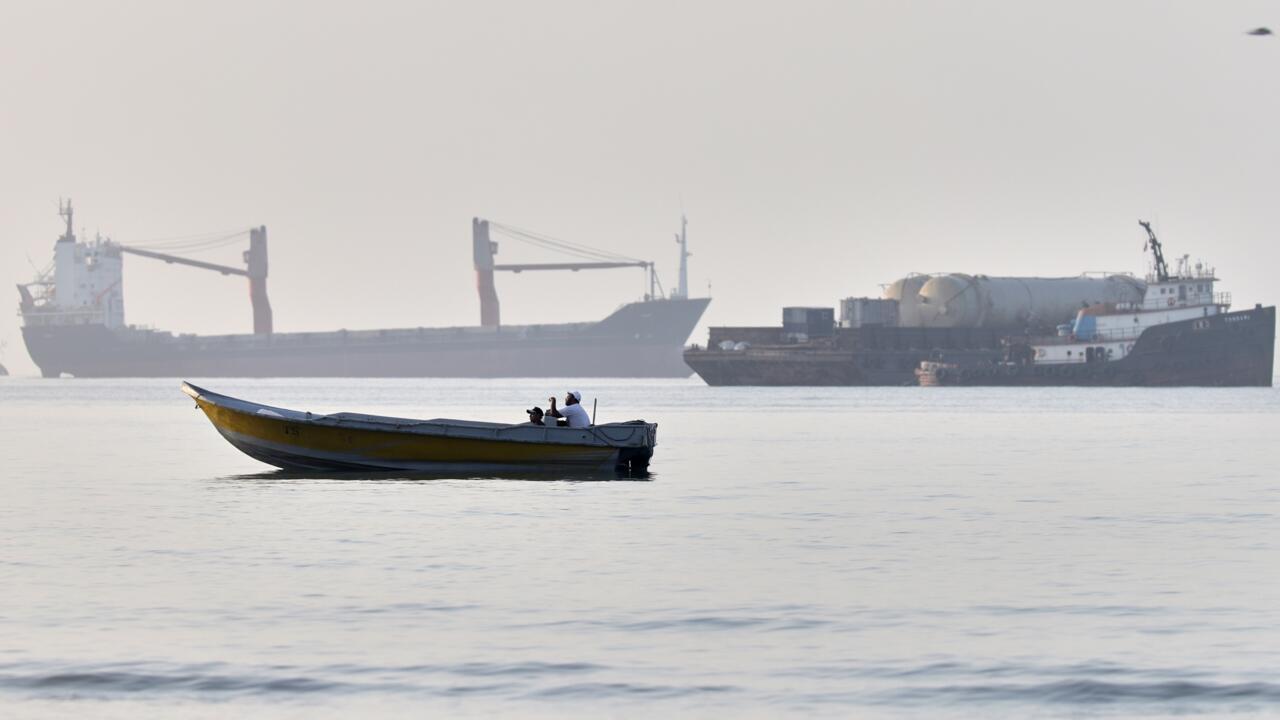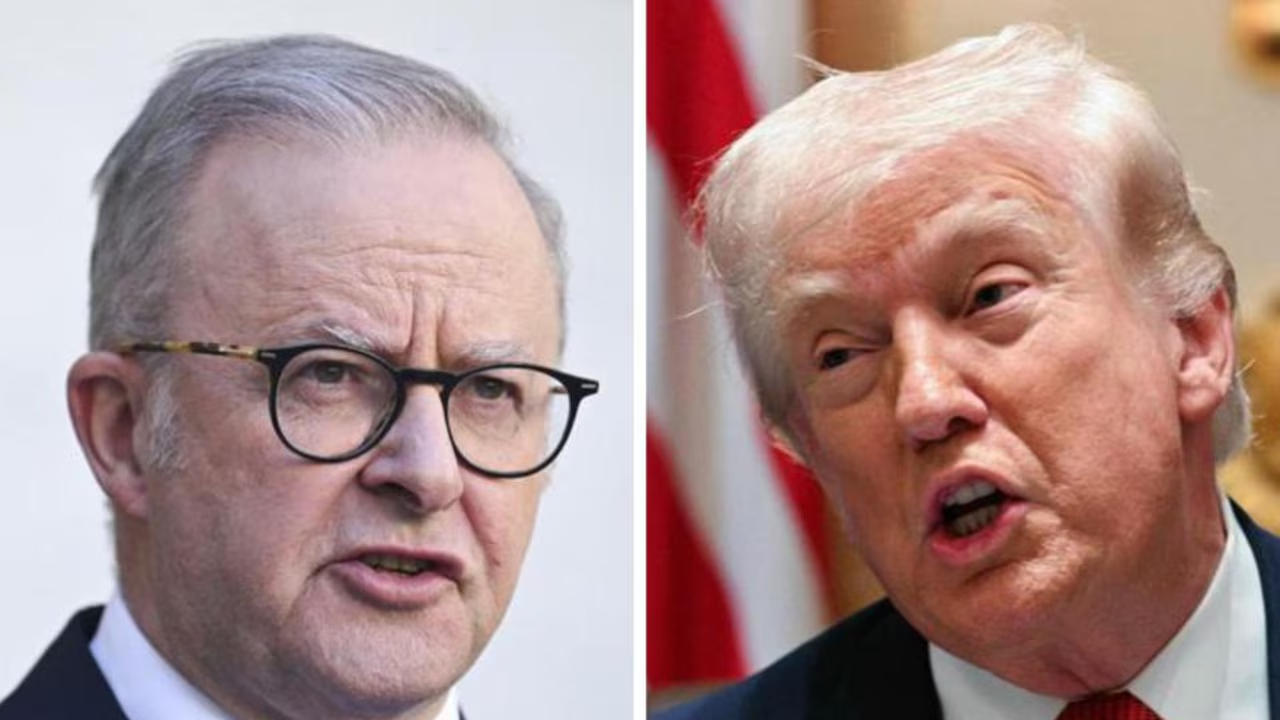
Anthony Albanese says Australia will “continue to monitor” the price of fuel after Iran declared the Strait of Hormuz was “completely closed” as the ceasefire between the United States, Israel, and the Islamic Republic appeared to breakdown. Iran’s state-aligned Mehr news agency reported on Thursday the Iranian Revolutionary Guard Corps had ordered the complete closure of the Hormuz Strait to all vessels, including oil tankers, after the United States struck multiple targets within Iran.The escalation is the latest in an increasingly fraught test of the April ceasefire between the United States, Israel, and Iran, which has teetered on the brink of collapse multiple times as Israel continued to strike Iran-backed Hezbollah in Lebanon, which Iran says is part of the deal.Asked about the recent escalation, Mr Albanese told reporters on Thursday the government was “deeply concerned”. “We have continued to call for a de-escalation because of the human impact that it will have on people in the Middle East, but also the global impact that it’s having on global inflation and on our economy here,” Mr Albanese said. “We’ll continue to examine the issues, including the issue of fuel price.”Pressed on the fuel excise, a cut to which Transport Minister Catherine King on Wednesday foreshadowed would come off by the end of June, Mr Albanese repeated the government would “continue to monitor those impacts”.Mr Albanese sought to allay the worst concerns about the fuel crisis, noting Australia had more fuel in its strategic reserve now then before the war began on February 28.“That comes in spite of the fact that the conservative leaders, one of the opposition leaders, Angus Taylor, said there would be restrictions on people’s access to fuel around Easter time and criticised us for engaging with our partners in Southeast Asia to ensure that those fuel and fertiliser supplies were available for Australians,” he said.Mr Albanese noted reforms that have allowed Export Finance Australia to underwrite spot market purchases of fuel and fertiliser. He said officials had also “engaged” with the Chinese ambassador a few days earlier, “confirming that we will be purchasing jet fuel from China, but also that fertiliser would be available there”.In a joint statement, Foreign Affairs Minister Penny Wong and her UK counterpart, Yvette Cooper, reiterated calls for a de-escalation. “Ministers condemned ongoing attacks by Iran on regional countries,” they said.“They called on Iran to comply with UN Security Council Resolution 2817 and reiterated that the Strait of Hormuz must be permanently reopened, and that navigational rights and freedoms are fundamental principles of international law, as reflected in the United Nations Convention on the Law of the Sea (UNCLOS).”The Ministers also reaffirmed support for a “strictly defensive” UK and France-led mission in the region, as well as Australia’s deployment of an E-7A Wedgetail reconnaissance plane in support of The Gulf. Asia, from which Australia relied heavily before the war for its refined fuels, is largely dependent on the Strait of Hormuz, through which about a ffith of the world’s crude transits. Australia has sought to expand its fuel imports since the war broke out, including from Argentina and the United States. More than 3000 people have been killed in Iran and Lebanon each since the United States’ and Israel’s surprise attack on Iran on February 28. Read related topics:Anthony Albanese
‘Closed’: Albo responds to Iran’s latest act
Anthony Albanese says Australia will “continue to monitor” the price of fuel after Iran declared the Strait of Hormuz was “completely closed” as the ceasefire between the United States, Israel, and the Islamic Republic appeared to breakdown.
547 words~2 min read