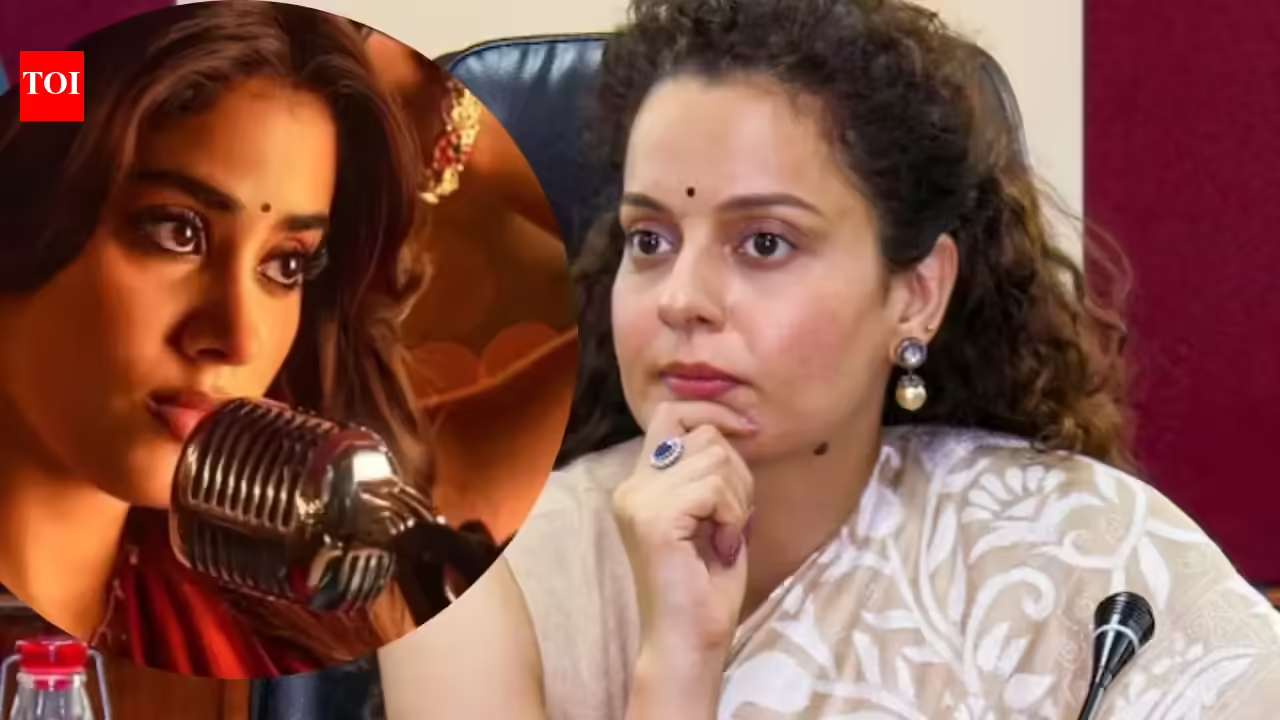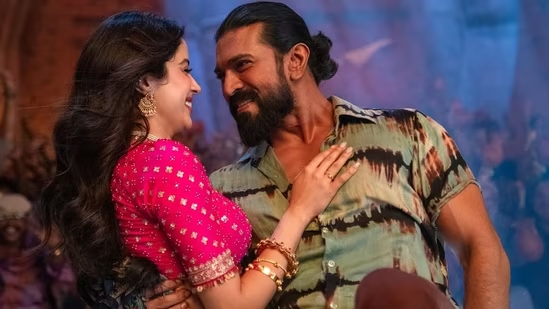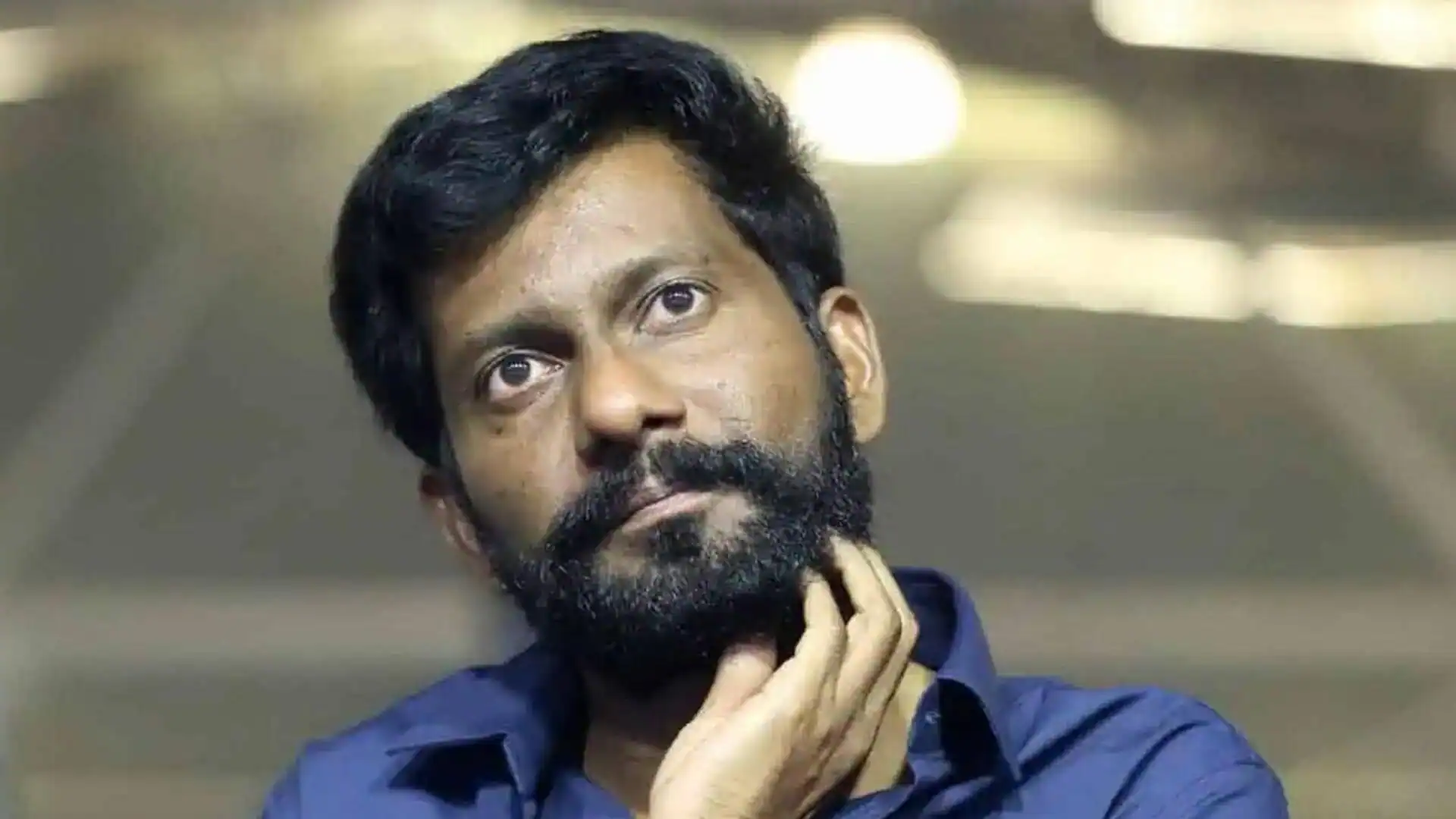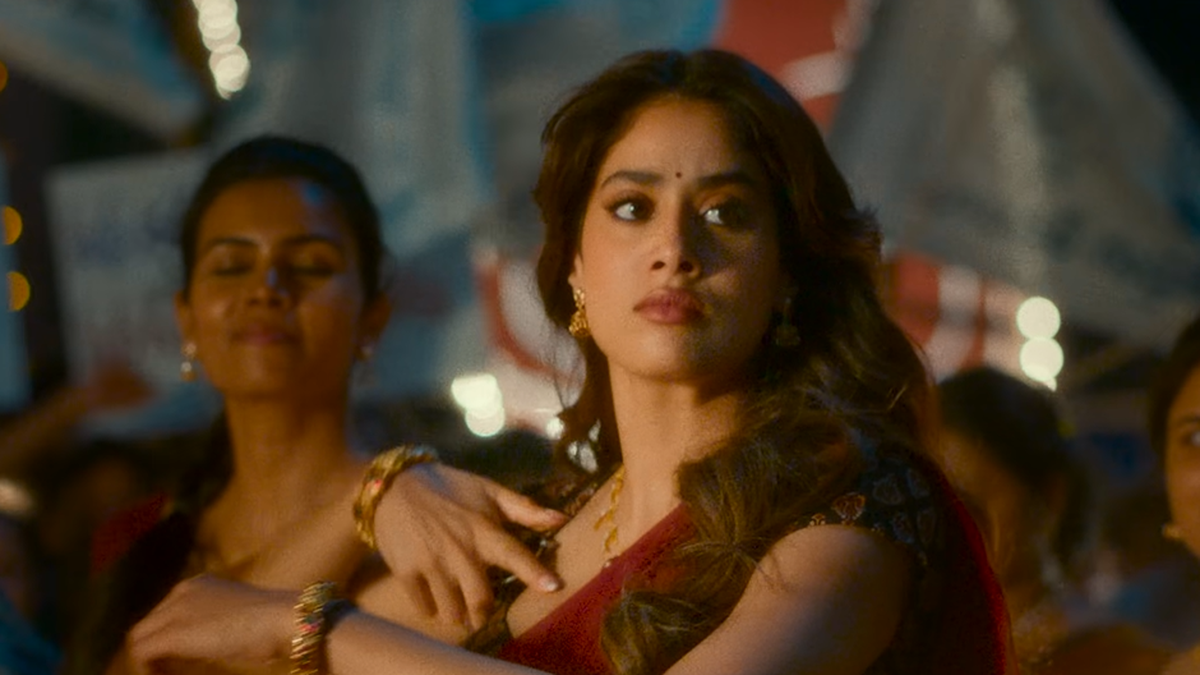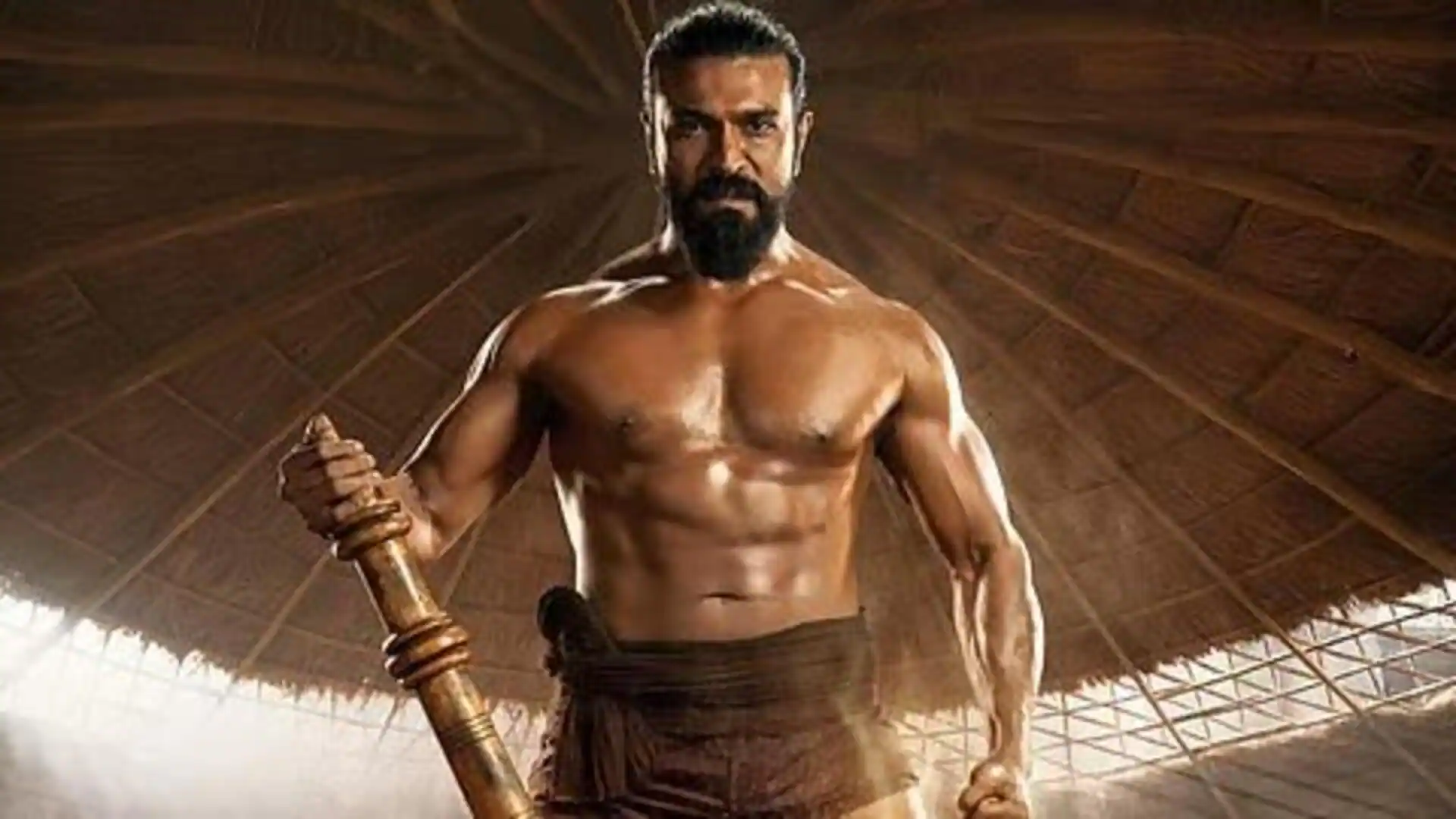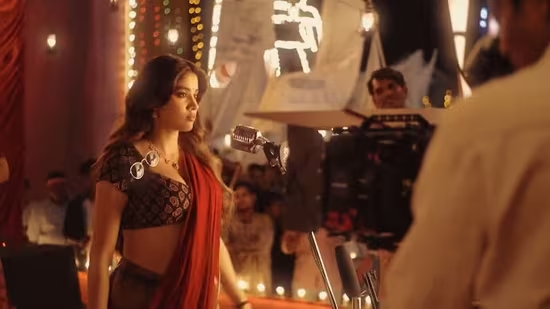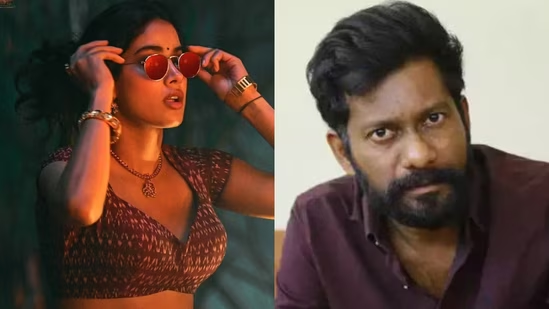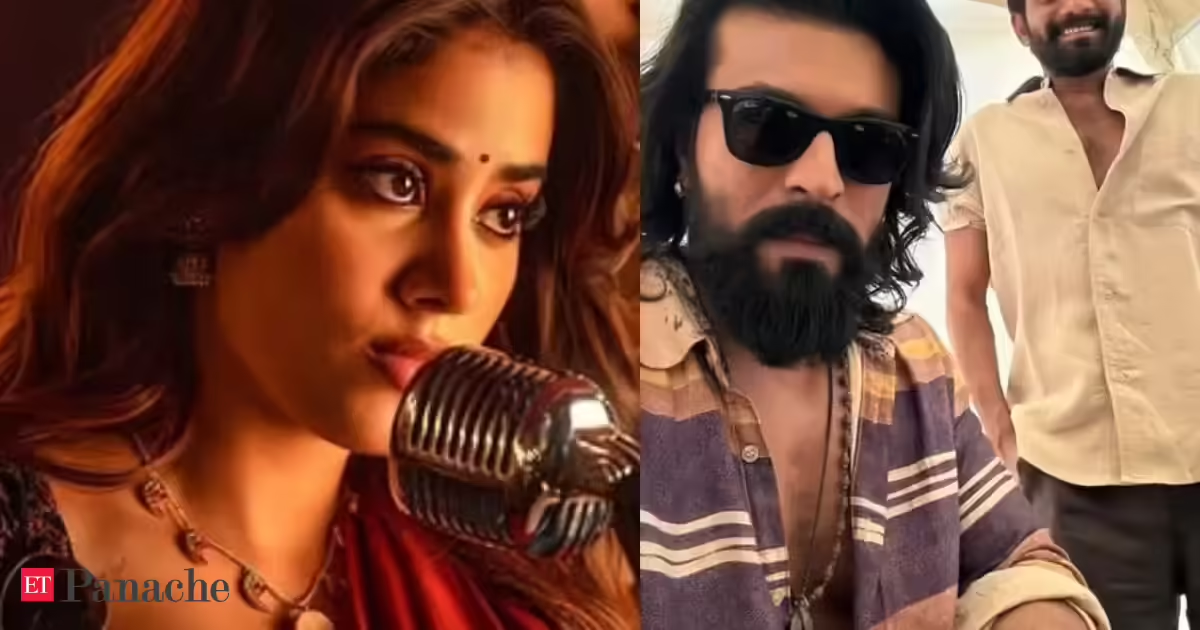
Ever since Peddi hit theatres, Janhvi Kapoor has been embroiled in a controversy that has sparked a nationwide debate. Starring alongside Ram Charan, the film was released on June 4 and is directed by Buchi Babu Sana. Many viewers criticised the way Janhvi's character, Achiyyamma, is portrayed in Peddi. They pointed to specific camera angles, close-up shots and romantic sequences that they felt objectified the character.Why Peddi landed in controversyThe debate began soon after the film's release, with viewers criticising how Achiyyamma was portrayed on screen. Many argued that the character lacked depth and was largely presented through romantic scenes and camera shots that focused on her appearance rather than her personality or story arc.Several social media users described the film's treatment of the heroine as outdated, saying mainstream cinema still struggles to move beyond the male gaze. The criticism quickly expanded into a larger conversation about how women are represented in commercial films and whether actresses should be held accountable for such portrayals.— jammypants4 (@jammypants4) Some of them also pointed out that "the romantic dynamic between Janhvi Kapoor and Ram Charan in #Peddi is one of the most disgusting and dated portrayals" they had seen. They criticised what they described as unnecessary focus on the actress' body and questioned the portrayal of consent in the romance. Others argued that Janhvi Kapoor was receiving "more blame for Peddi than the men who made it."You Might Also Like:At the same time, a section of viewers defended Janhvi, arguing that actors perform roles envisioned by filmmakers and should not be singled out for creative decisions made by directors and writers.Buchi Babu responds and removes scenesAs the criticism gained momentum online, director Buchi Babu Sana addressed the issue publicly. He said the intention behind the scenes was to depict a playful romance between the lead characters and that the team had not anticipated such a strong negative reaction.— BuchiBabuSana (@BuchiBabuSana) You Might Also Like:In a statement shared on social media, the filmmaker apologised to those who felt uncomfortable with the portrayal. He said neither he nor his team intended to disrespect or objectify women and acknowledged the concerns raised by audiences.The director also announced that certain portions of the film would be altered. Later, he revealed that some shots had come across differently than intended and admitted that a few scenes had become misleading. The makers subsequently trimmed or removed the portions that drew the strongest criticism.Celebrities weigh in on the debateThe controversy soon caught the attention of several film personalities, many of whom used the moment to discuss the broader issue of objectification in cinema.Veteran actor Jaya Bachchan recalled facing a similar situation during her career. Speaking about her experience, she told Deccan Chronicle, "Nobody ever dared to cross the line with me. I had only one unpleasant experience of being objectified by the director. I never worked with him again."Kareena Kapoor Khan also joined the conversation with the media portal. She stressed that sensuality and objectification should not be confused. The actress pointed out that many iconic performances in Indian cinema have been sensual without reducing women to mere visual attractions. She argued that the issue lies not in glamour but in how female characters are presented.Singer Sona Mohapatra was among the strongest critics of the film's portrayal. In a video posted on Instagram, she argued that mainstream films often place heroes at the centre while heroines are treated as decorative additions. She also criticised filmmaking techniques that, in her view, normalise toxic masculinity under the guise of romance.Nithya Menen, Jagapathi Babu and Dimple Hayathi's reactionsNational Award-winning actor Nithya Menen viewed the controversy as part of a much larger industry-wide problem. Speaking to Variety India, she said commercial pressures often encourage filmmakers to include elements that attract audiences, even when they reinforce problematic portrayals."I wonder if actors should actually have better boundaries and the person who’s performing the scene should be able to put their foot down and say they are not okay with being objectified,” she added. Menen also suggested that actors should feel empowered to establish clear boundaries regarding scenes they are uncomfortable performing. — DimpleHayathi (@DimpleHayathi) Meanwhile, Peddi actor Jagapathi Babu came out firmly in support of Janhvi. He argued that actors generally trust a director's vision and should not be blamed for creative choices made during filmmaking. According to him, criticism should be directed at the film rather than an individual performer.Actor Dimple Hayathi stated a similar sentiment. She urged people not to target actresses for the roles they are offered and instead examine the larger system that continues to create such characters. "I'm so glad that today, on this day, we are all speaking about how actresses' roles are being written and the instinctive response to blame the actress for doing what she was offered. Don't blame the actress; blame the system and makers who really think that's what sells. We actors, work within the opportunities we get, trying to make it big and hoping to work in bigger films and reach wider audiences," she wrote on X (formerly Twitter).A bigger conversation beyond PeddiWhile the controversy continues to divide opinion, it has also triggered a wider discussion about representation, consent and gender dynamics in mainstream cinema. The debate has raised questions about who bears responsibility when audiences find a portrayal problematic: the actor, the filmmaker, or the industry as a whole.Despite the backlash, Peddi has emerged as a major commercial success. Set in rural Andhra Pradesh in the 1980s, the Ram Charan-starrer has reportedly crossed over Rs 300 crore at the global box office. Yet beyond its financial performance, the film has become the centre of an important conversation about how women are written, filmed and perceived on screen in contemporary Indian cinema.
Janhvi Kapoor's Peddi row explained: Why the actress' scenes with Ram Charan sparked a nationwide debate? Director Buchi Babu's response and celeb reactions
Janhvi Kapoor's portrayal in the recently released film Peddi has triggered a nationwide debate on the "objectification" of women in commercial cinema. Critics pointed to specific scenes and camera work, while director Buchi Babu Sana apologised and removed controversial portions. Celebrities like Jaya Bachchan, Nithya Menen and Kareena Kapoor Khan weighed in, sparking a larger conversation about gender representation on screen. Read on!
957 words~4 min read