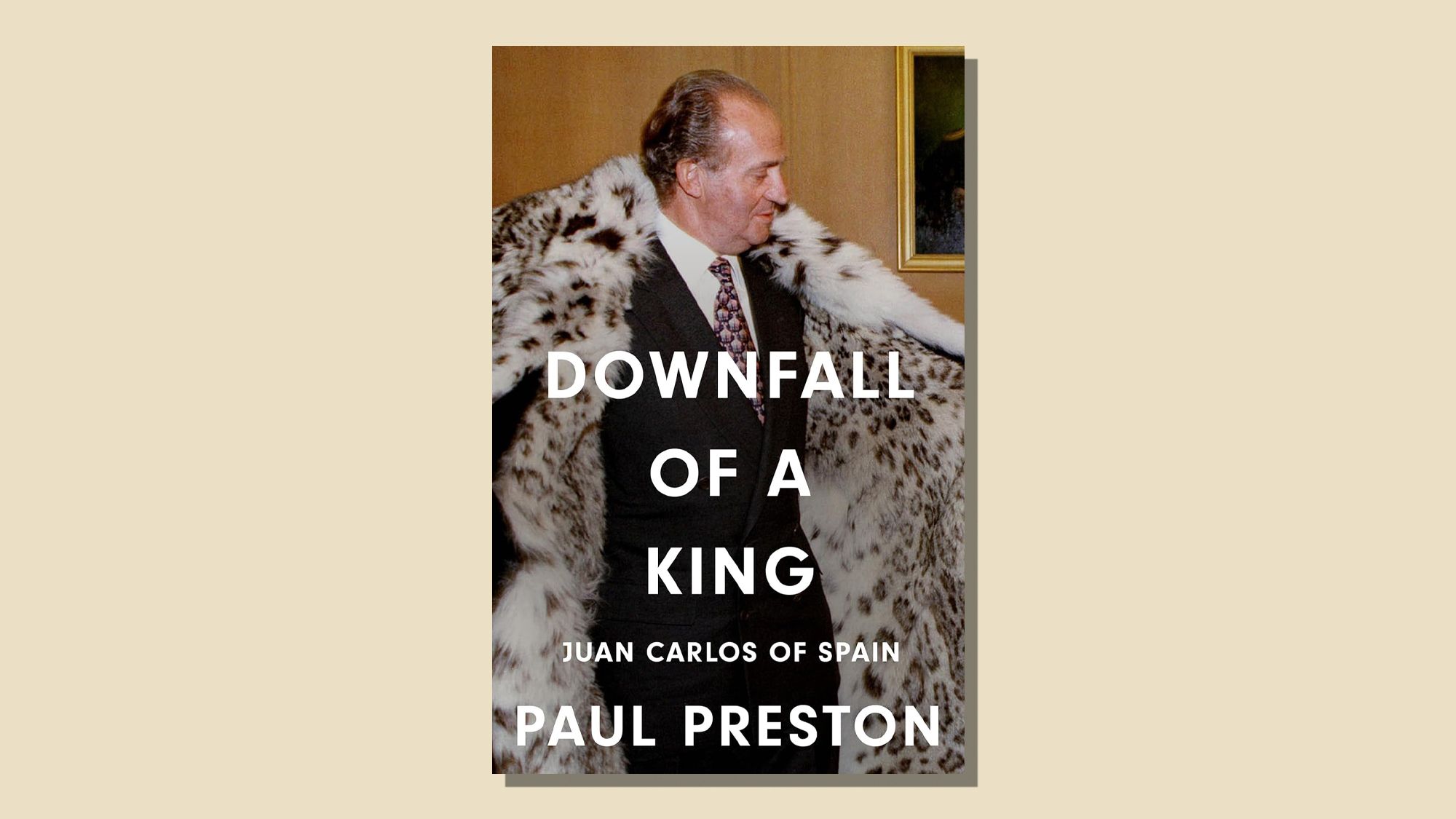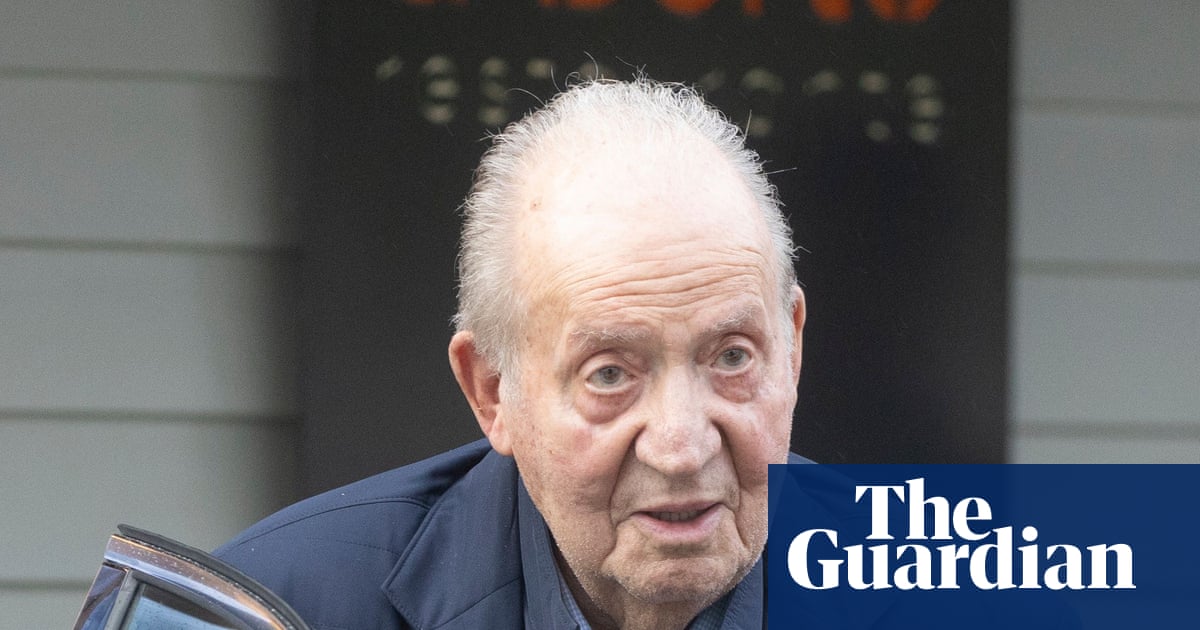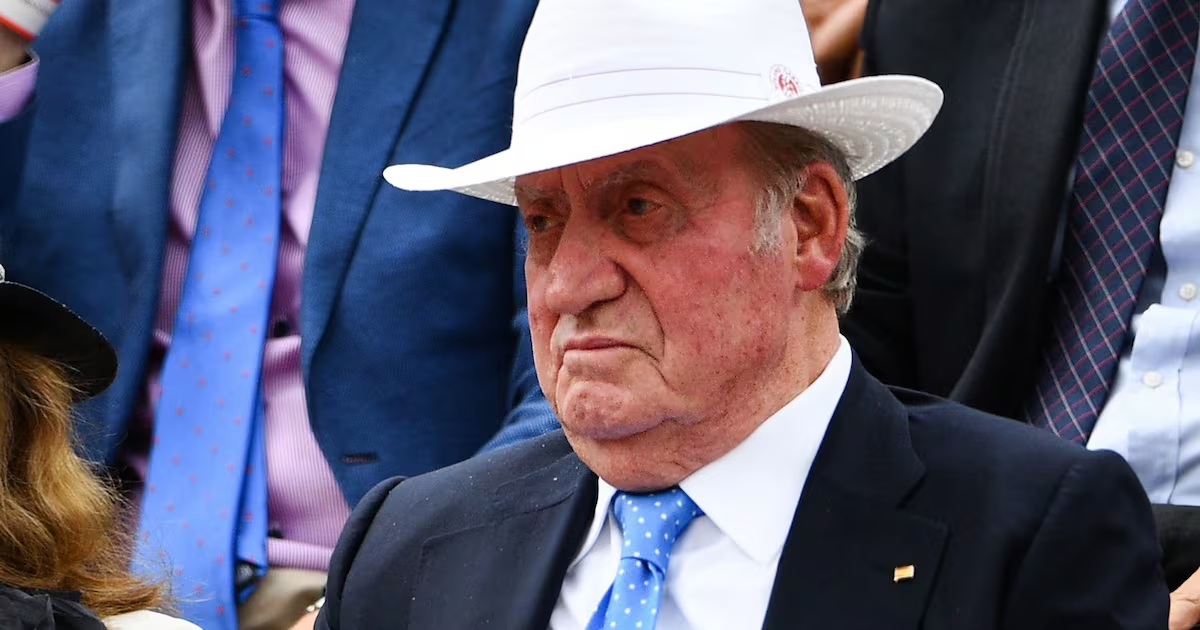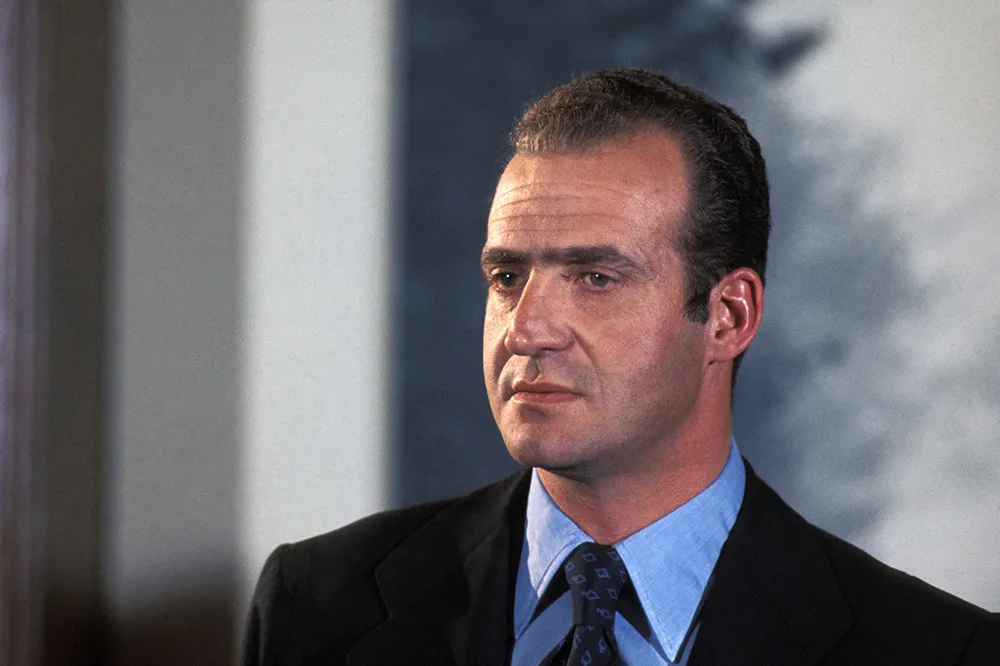
The life of Juan Carlos I, Spain’s 88-year-old former king, who reigned from 1975 until his abdication in 2014, falls into two parts: richly deserved triumph followed by richly deserved disgrace. Building on his 2004 biography, Juan Carlos: A People’s King, Paul Preston’s account of this extraordinary life is magisterial.
The son of Don Juan de Borbon, the exiled heir to the Spanish throne, Juan Carlos was born in Rome in 1938. With a view to the eventual restoration of an authoritarian monarchy, he was sent to Spain, aged ten, to be indoctrinated in General Franco’s political tenets. He also had to endure the dictator’s long lectures on the mistakes made by previous Spanish monarchs. Preston may exaggerate slightly in saying that the boy had effectively been ‘sold into slavery’, but he was certainly very lonely. ‘This child radiated affection, though they only ever spoke to him about duties and responsibilities,’ one of his teachers later recalled. ‘I am watched always,’ the young prince told his father.
Most popular
Belfast and the truth about ‘alien cultures’
Among several rivals, he eventually emerged as the favourite to be named successor upon Franco’s death, a position that heightened the acute tension of his daily life. Though he believed that the monarchy would manage to survive in a democratic Spain, he nevertheless had to manifest commitment at all times to the continuation of the dictatorship. His telephone was tapped and his servants were paid to report on his every move to Franco. For 20 years, he later remarked, he had to pretend to be an idiot.