To the London Stock Exchange (LSE) for a ‘scale-up capital’ circus in which 18 ambitious tech ventures had ten minutes each to pitch to potential investors: everything from hydrogen fuel-cell cars to affordable advertising design, ‘dark pool’ forex trading and AI-drive geopolitical forecasting. The sponsor was the Worshipful Company of Entrepreneurs, which ranks 112th in City livery precedence behind all manner of defunct medieval trades but, on this evidence, punches above its weight in promoting its modern cause.
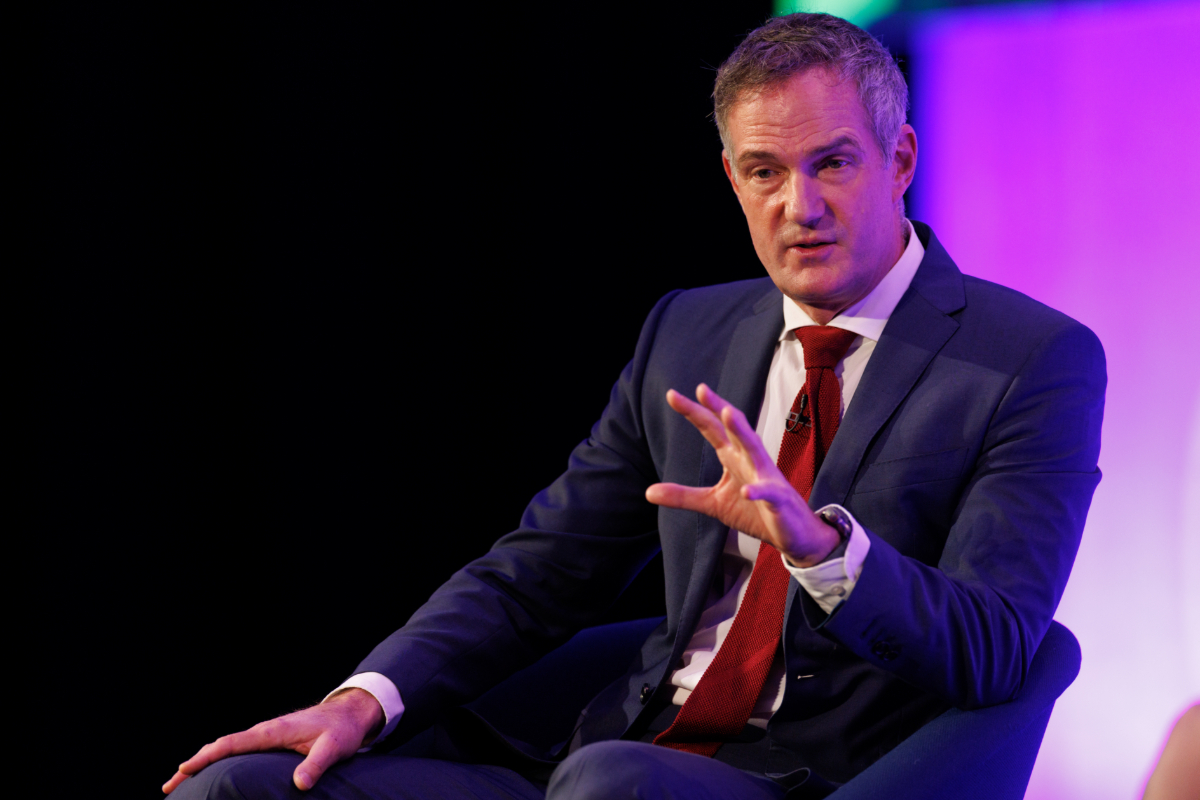
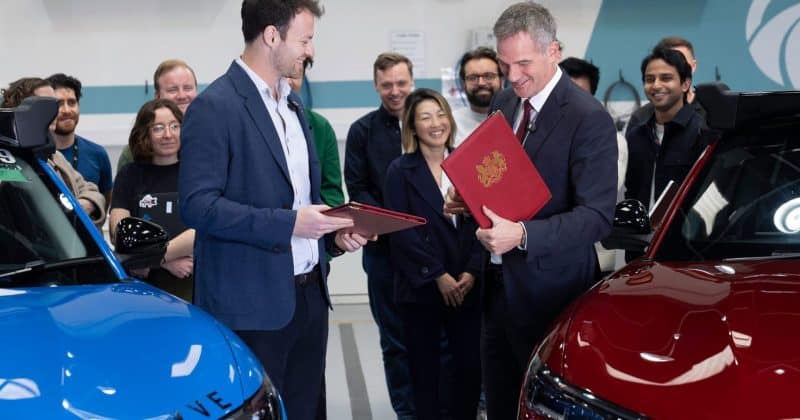
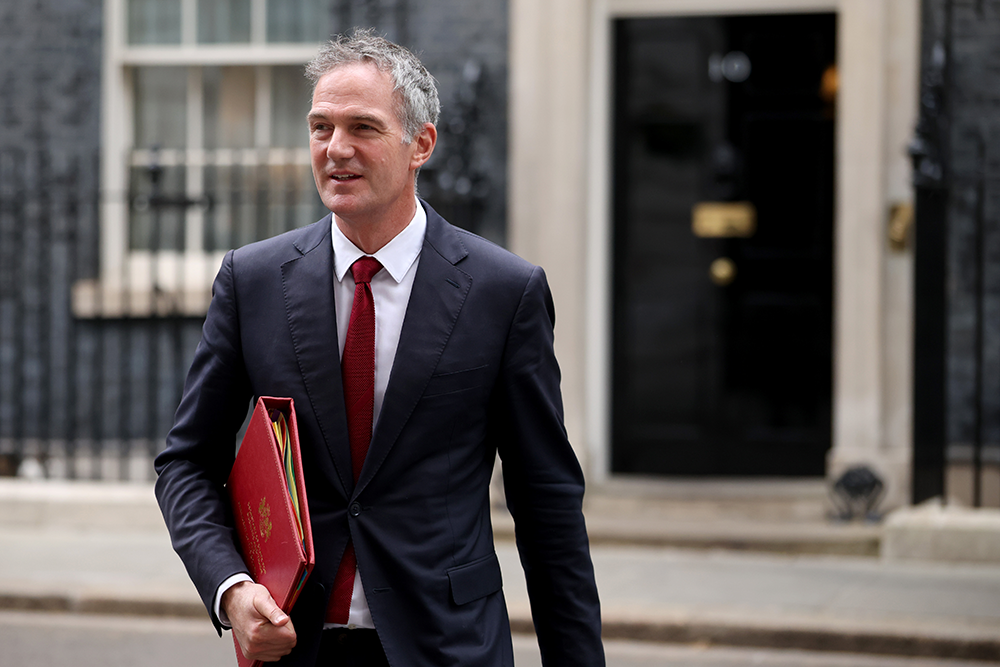
A dearth of risk capital for British innovators has driven far too many in recent years into the hands of foreign buyers. Business Secretary Peter Kyle provoked some astonishment this week by saying he wants to be ‘aggressively ambitious’ in taking stakes in such ventures with taxpayers’ money – an ambition no one could seriously think appropriate for a government of ministers with near-zero business experience and an innate lefties’ suspicion of entrepreneurship.
Most popular
Belfast and the truth about ‘alien cultures’
If Kyle had attended the scale-up event, he might have learned how the City itself is trying to address the capital gap. The LSE advertises its new ‘private securities market’, facilitating equity auctions for unlisted companies as part of ‘a broader effort to strengthen the funding continuum’. Advancing more slowly is a campaign launched at Mansion House in 2023 to push London’s institutional investors into backing high-growth British companies. But the Master Entrepreneur (and recent lord mayor) Alastair King offered a killer statistic to illuminate the hill that remains to be climbed. One dollar in every $200 held in US pension funds is invested in venture capital; the equivalent figure for UK pension funds is £1 in every £14,000.