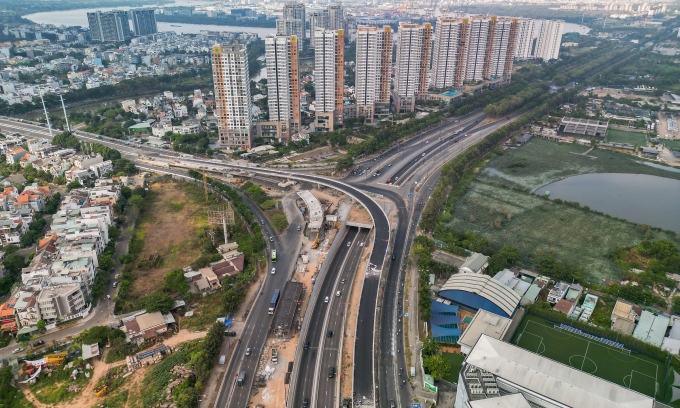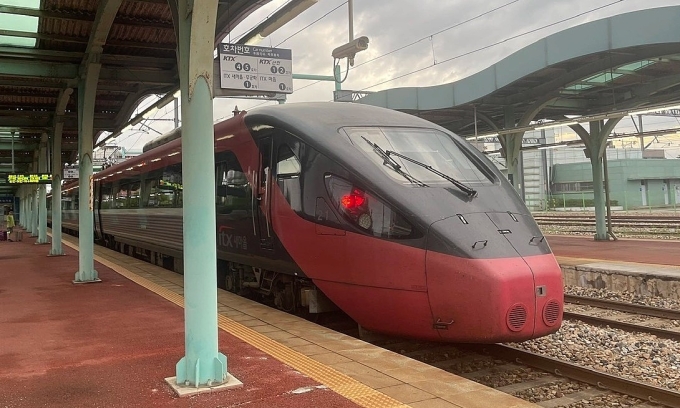
The My Thuan Project Management Board, which drew up the pre-feasibility study submitted to the Ministry of Construction, has proposed building the line entirely with public funds. It would begin at An Binh Station in HCMC's Di An Ward and end at Can Tho Station in Can Tho's Hung Phu Ward, running 175.2 km through HCMC, Tay Ninh, Dong Thap, Vinh Long and Can Tho.
Passenger trains would run at a design speed of 160 kph and freight at 120 kph, with 12 stations and three depots along the way. The first phase would be a single track at the 1,435-mm standard gauge, later upgraded to double track.
Can Tho is widely considered the capital of Vietnam's Mekong Delta, the country's rice bowl and the source of most of its seafood and fruit exports.
The delta has had no railway since the French colonial-era Saigon-My Tho line closed around 1958. Goods and people now move almost entirely over chronically congested roads and waterways to reach Ho Chi Minh City and its ports.
The board's study forecasts that the HCMC-Can Tho corridor will need to handle about 1.46 billion tons of freight and more than 326 million passenger trips a year by 2050, of which rail could carry roughly 23 million tons and 16 million trips annually.