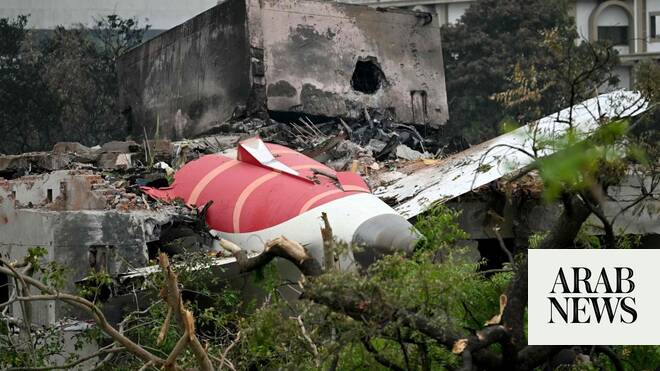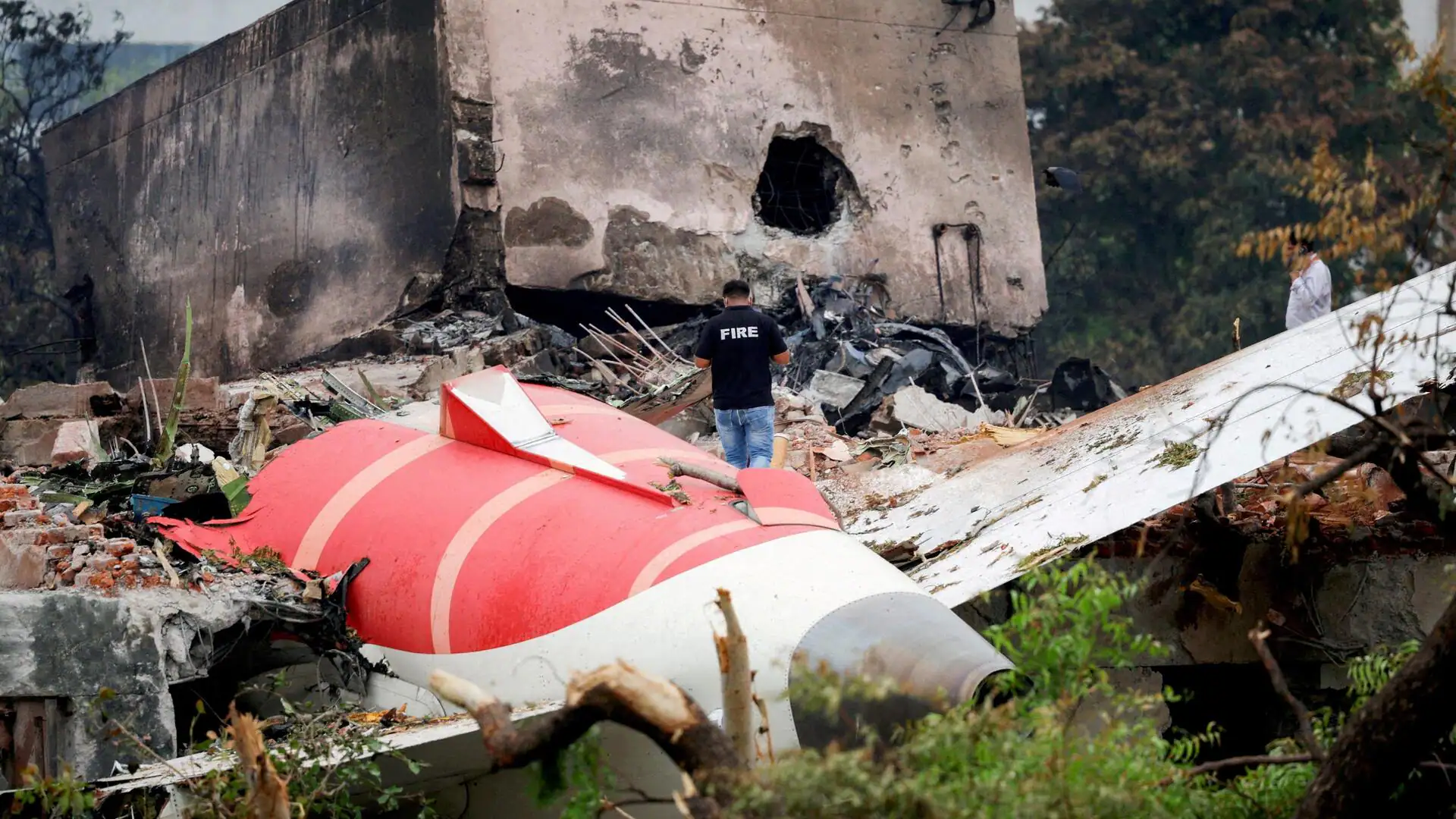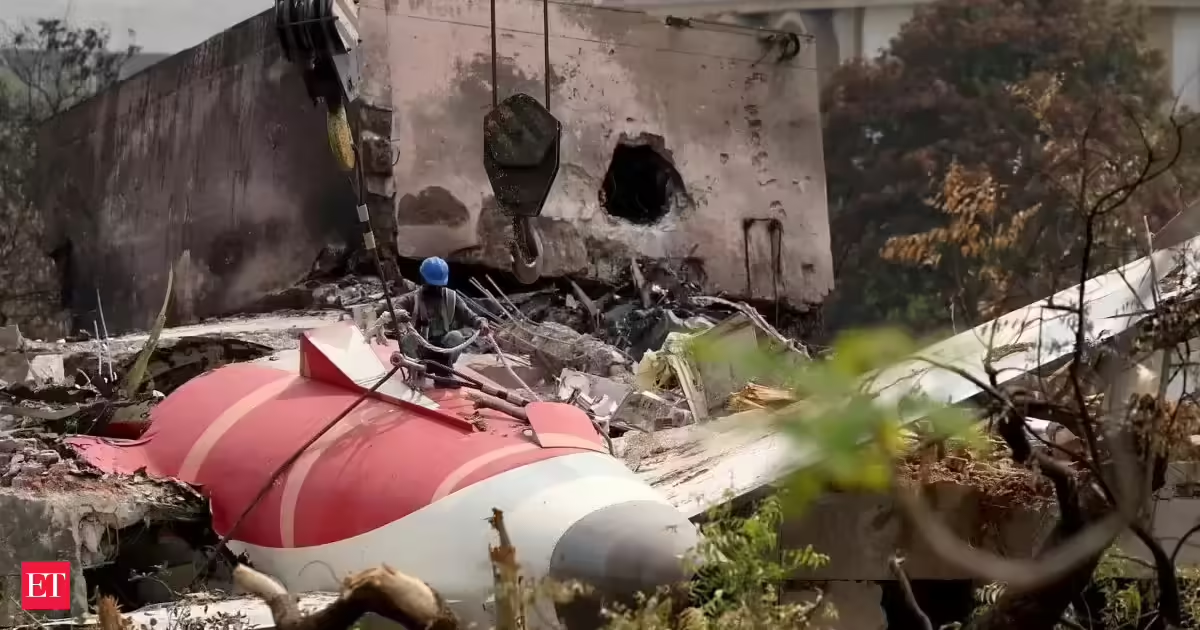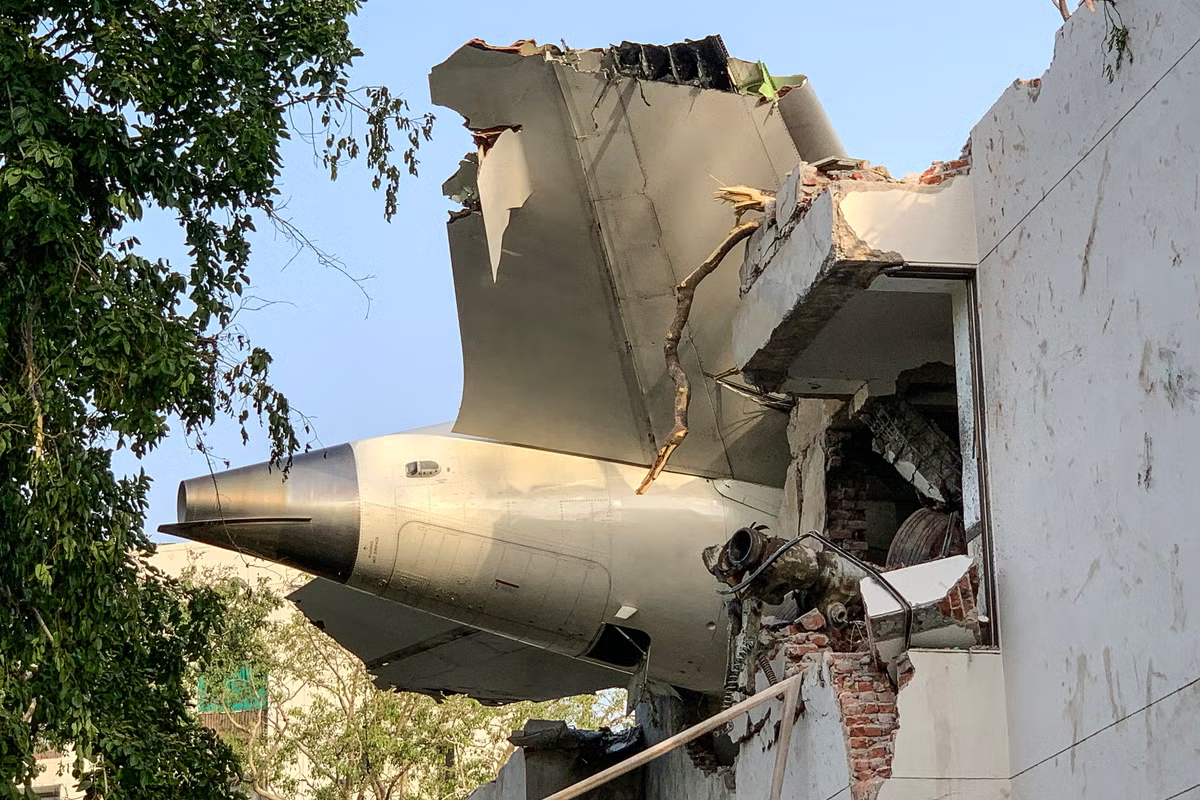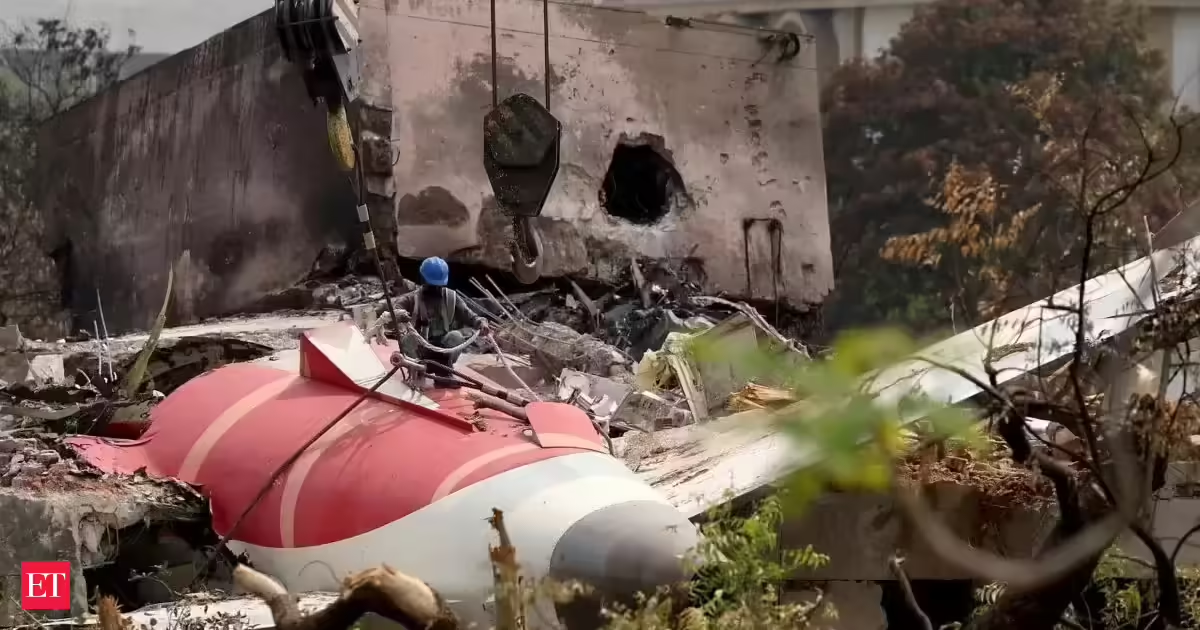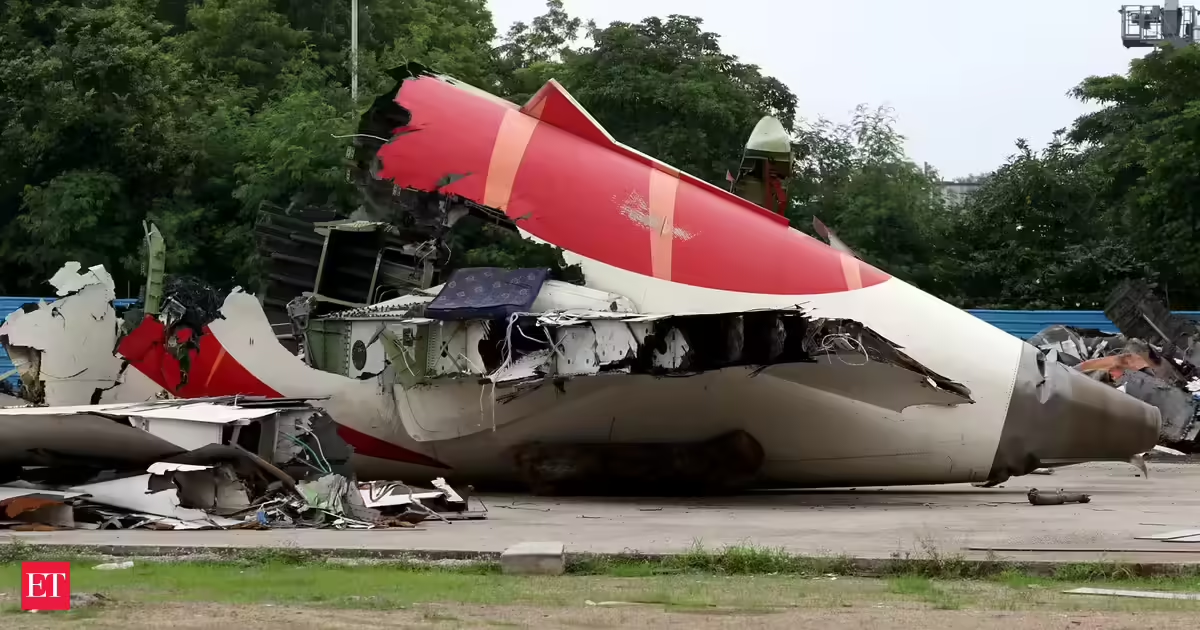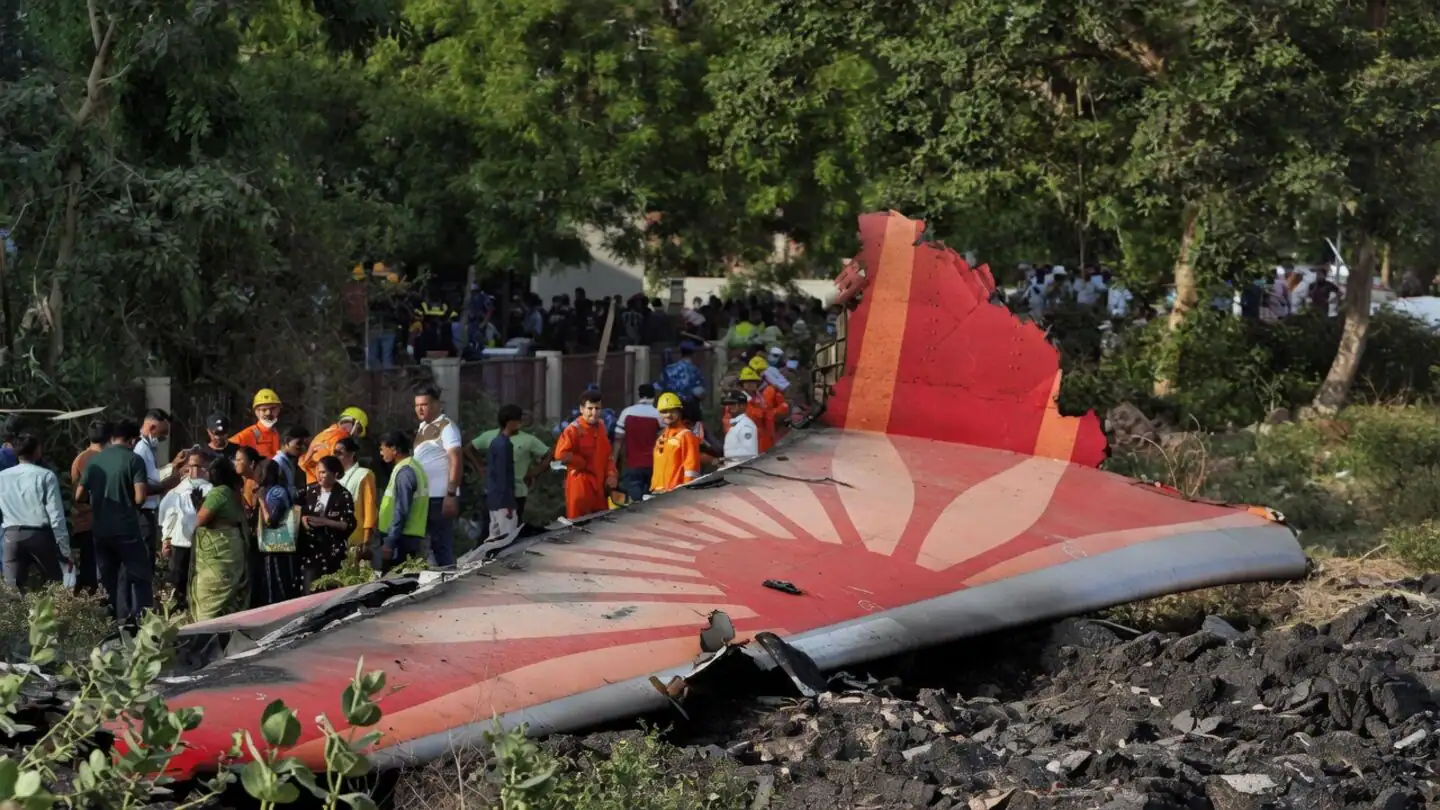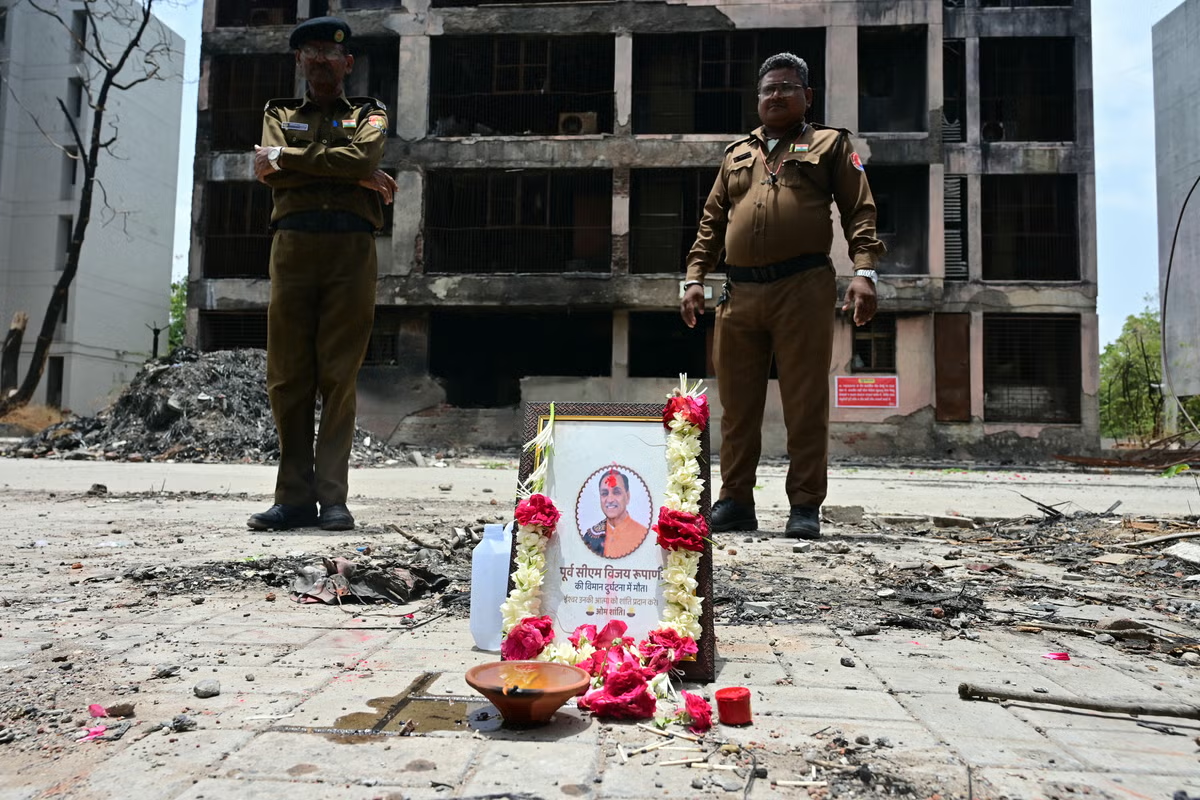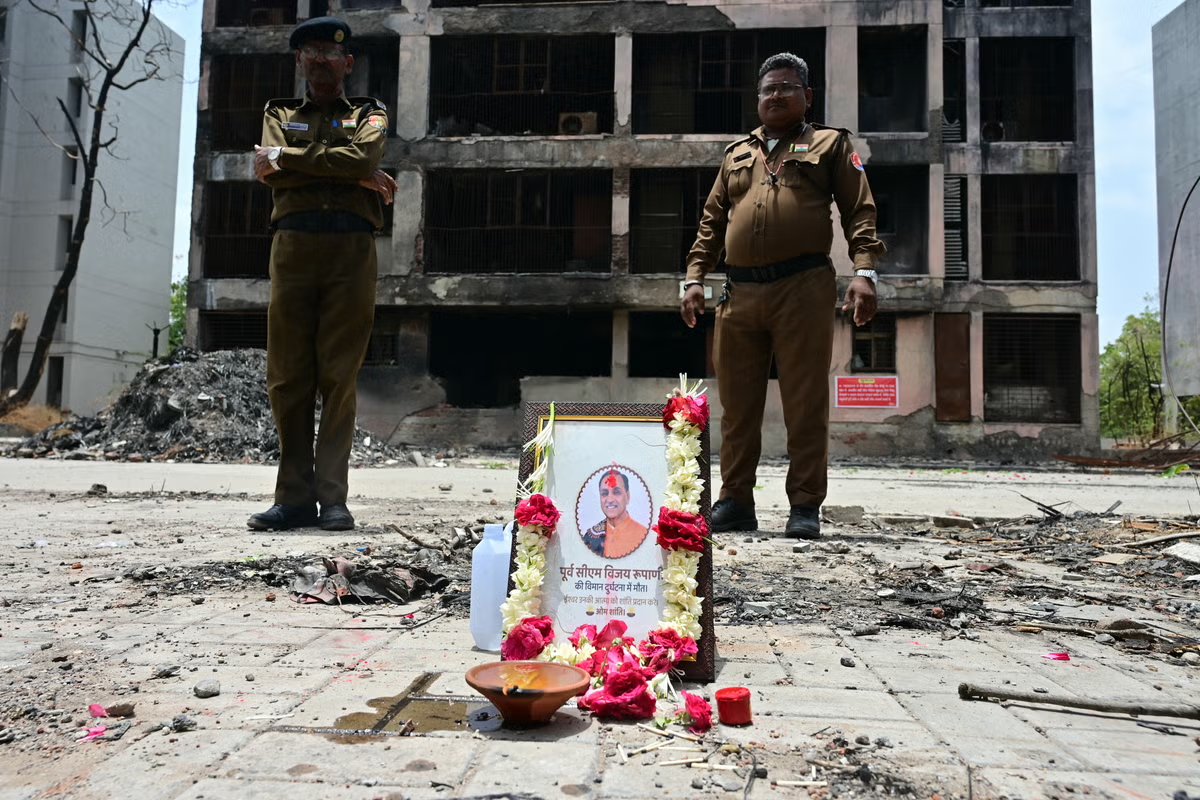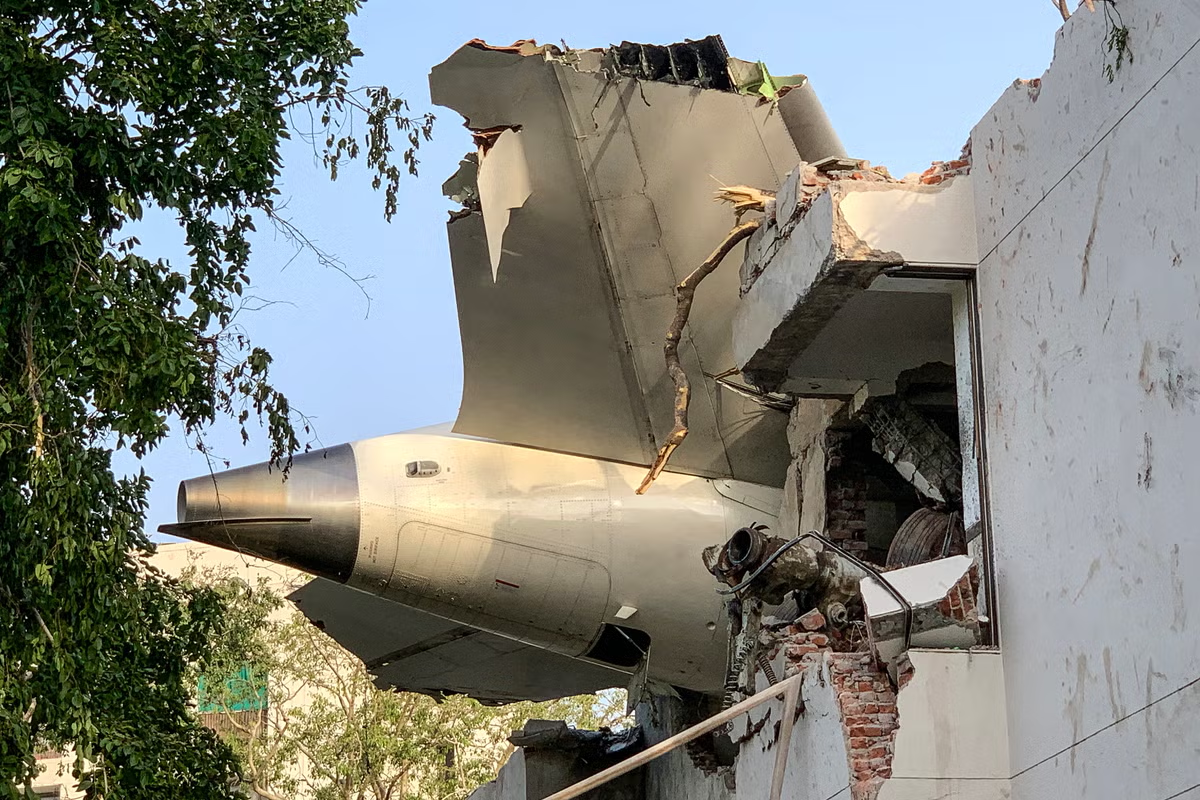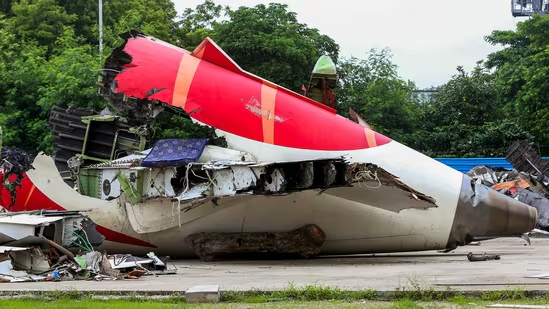
The Aircraft Accident Investigation Bureau (AAIB) is waiting on an engine analysis by GE Aerospace that has held up the final investigation report on the Air India AI-171 crash, with the probe body now expected to release an interim statement on the first anniversary of the disaster — fulfilling its obligation under international aviation conventions.Nearly a year has passed since the crash that killed 260 people, including 241 of the 242 on board. (PTI)Three officials familiar with the matter told HT the engines recovered from the crashed Boeing 787 have been sent to GE Aerospace’s facilities in Ohio for detailed examination, and the final report cannot be released before the analysis is completed.The officials said the engines — burnt and damaged but largely intact — were dispatched “sometime back,” without elaborating on the precise timing. The civil aviation ministry did not respond to requests for comment on when the engines were sent or when a response from GE Aerospace is expected.Alos Read: Air India: No pressure on AI-171 families for final settlement“The engines were shipped for further checks and analysis, which could take some time as they require specialised and detailed examination. The final investigation report cannot be released before the examination is completed,” one of the officials said.A year onNearly a year has passed since the crash that killed 260 people, including 241 of the 242 on board. Investigators are still working to establish why the aircraft went down 32 seconds after take-off, leaving some of the most critical questions surrounding India’s deadliest air disaster in nearly three decades unanswered. The Boeing 787 Dreamliner, operating as Air India flight AI-171 from Ahmedabad to London Gatwick, crashed into a buildings of a medical college and burst into flames.A second official said investigators had yet to receive any indication from GE Aerospace on when the analysis would conclude. “Most of the work on the final report has been completed, but the results of the engine examination are still awaited. At this stage, it is difficult to estimate when the report will be released,” the official said. A third official confirmed the investigation was nearing completion but that the pending technical assessment remained a crucial component of the final findings.Also Read: Clear cockpit audio, pilot's ‘almost certainly intentional’ act: In Air India crash, new claims via Italian news reportGE Aerospace declined to comment. “GE Aerospace declines to comment per Annex 13 rules governing active investigations and directs the reporter to AAIB/NTSB,” a spokesperson said.Boeing, responding to a query from HT, said it would defer all comment to the AAIB. “The investigation is being led by India’s AAIB and, consistent with the UN International Civil Aviation Organization protocol known as Annex 13, we will defer to the AAIB to provide information about the investigation,” a spokesperson said.Under Annex 13 of the International Civil Aviation Organization (ICAO), states are expected to release a final accident investigation report within a year of an accident. Where that is not possible, investigating authorities are required to publish annual status updates on the progress of the probe.Also Read: Gujarat govt to build medical college hostels damaged in AI-171 crash: MinisterSeveral reports have reports have stated the AAIB will not meet the final analysis threshold by Thursday, but none had pointed to the specific cause. On June 5, the the Free Press Journal reported that UK AAIB principal inspector Geraint Hebert, writing to bereaved families on May 27, said he had sought a publication timeline from AAIB India but received no date. Hebert, whose bureau is a party to the investigation after 52 British nationals died in the crash, noted that Annex 13 requires an interim statement if the final report cannot be published within 12 months.Earlier, on may 26, Reuters too reported a final report may take longer. Citing unnamed sources, the agency stated the interim report will be “more comprehensive” than the preliminary report and will examine possible primary causes and other contributing factors.Former AAIB director general Aurobindo Handa contextualised the delay, citing IATA data showing that only 57% of accidents between 2018 and 2023 have publicly available final investigation reports — a gap that, he said, “limits the industry’s ability to draw lessons from major safety events.” On the specific bottleneck of component analysis, Handa said: “When it comes to Defect Investigation Analysis of components, it is a highly technical job requiring a specific test bench and necessary infrastructure, and the completion of the Final Investigation report hugely depends on the respective OEM” — the original equipment manufacturer, in this case GE Aerospace.The AAIB released its preliminary report on July 12 last year. The 15-page document established that both fuel control switches had moved from “run” to “cutoff” shortly after take-off, starving both engines of fuel, but stopped short of identifying a definitive cause or explaining why the switches moved. Officials cited above told HT the interim statement, which is expected soon, will provide details of the investigative work carried out so far and outline the areas that remain under examination.The crash was the first fatal accident involving a Boeing 787 Dreamliner since the aircraft entered commercial service in 2011, and the first hull loss of the model globally. In its aftermath, Air India announced a temporary “safety pause” and undertook additional inspections of its Dreamliner fleet. The DGCA also ordered checks of the airline’s Boeing 787s, subsequently confirming the aircraft and associated maintenance systems were compliant with existing safety standards.
GE engine review delays final Air India crash report ahead of first anniversary
The Boeing 787 Dreamliner, operating as Air India flight AI-171 from Ahmedabad to London Gatwick, crashed into a buildings of a medical college. | India News
905 words~4 min read