José Eduardo Cardozo
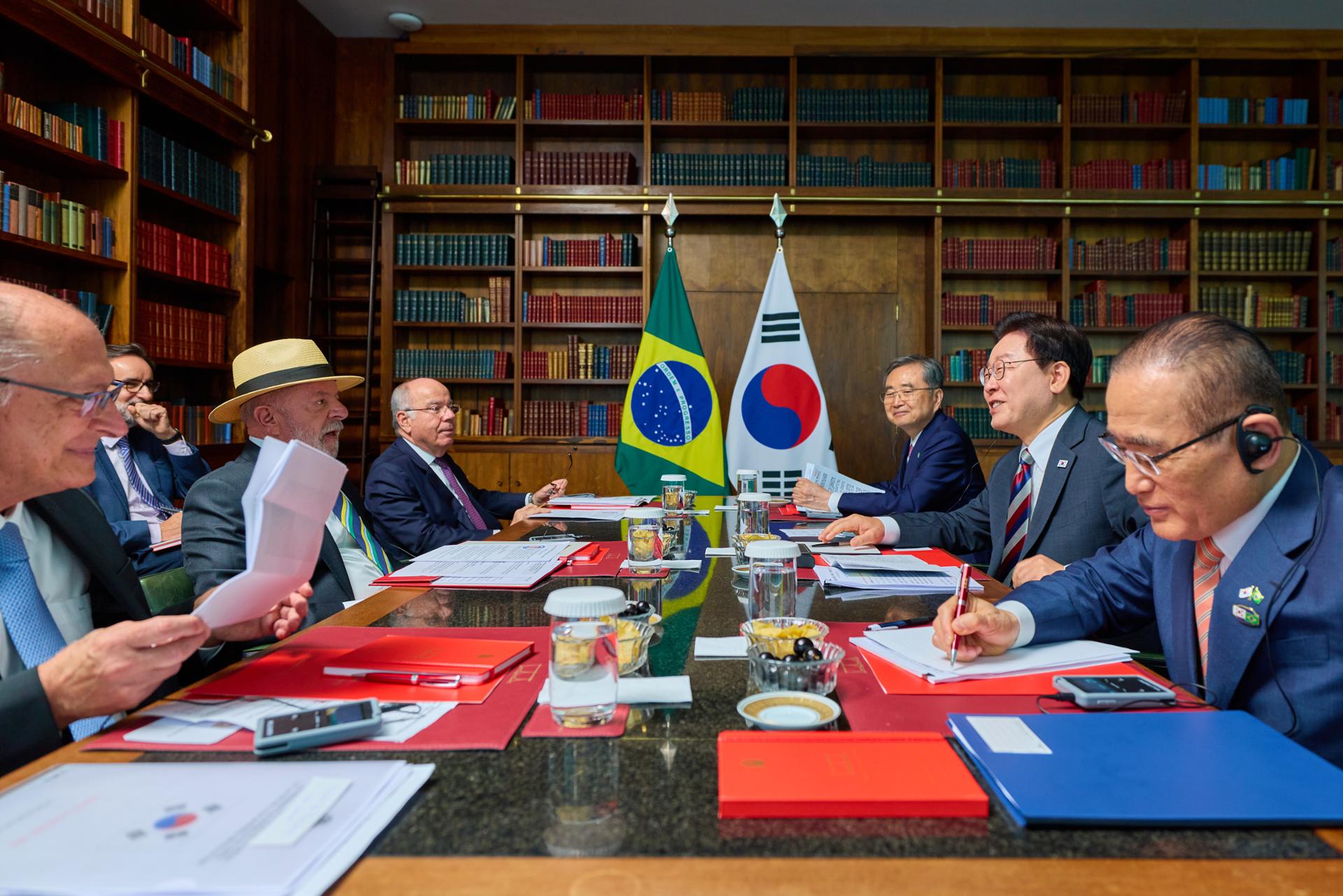
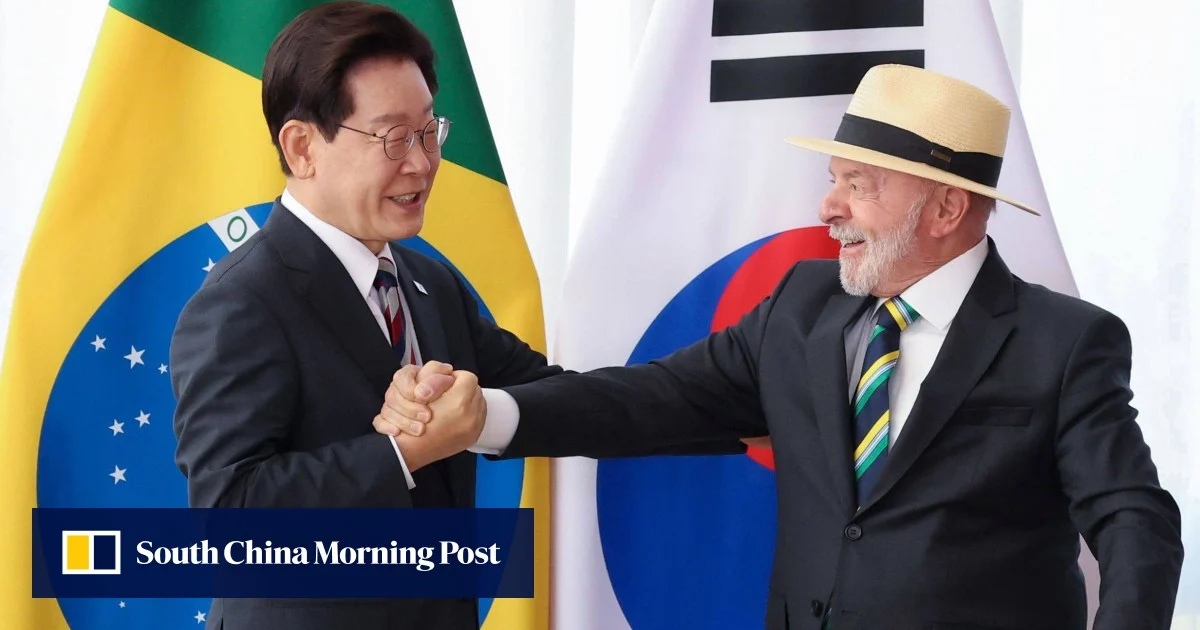
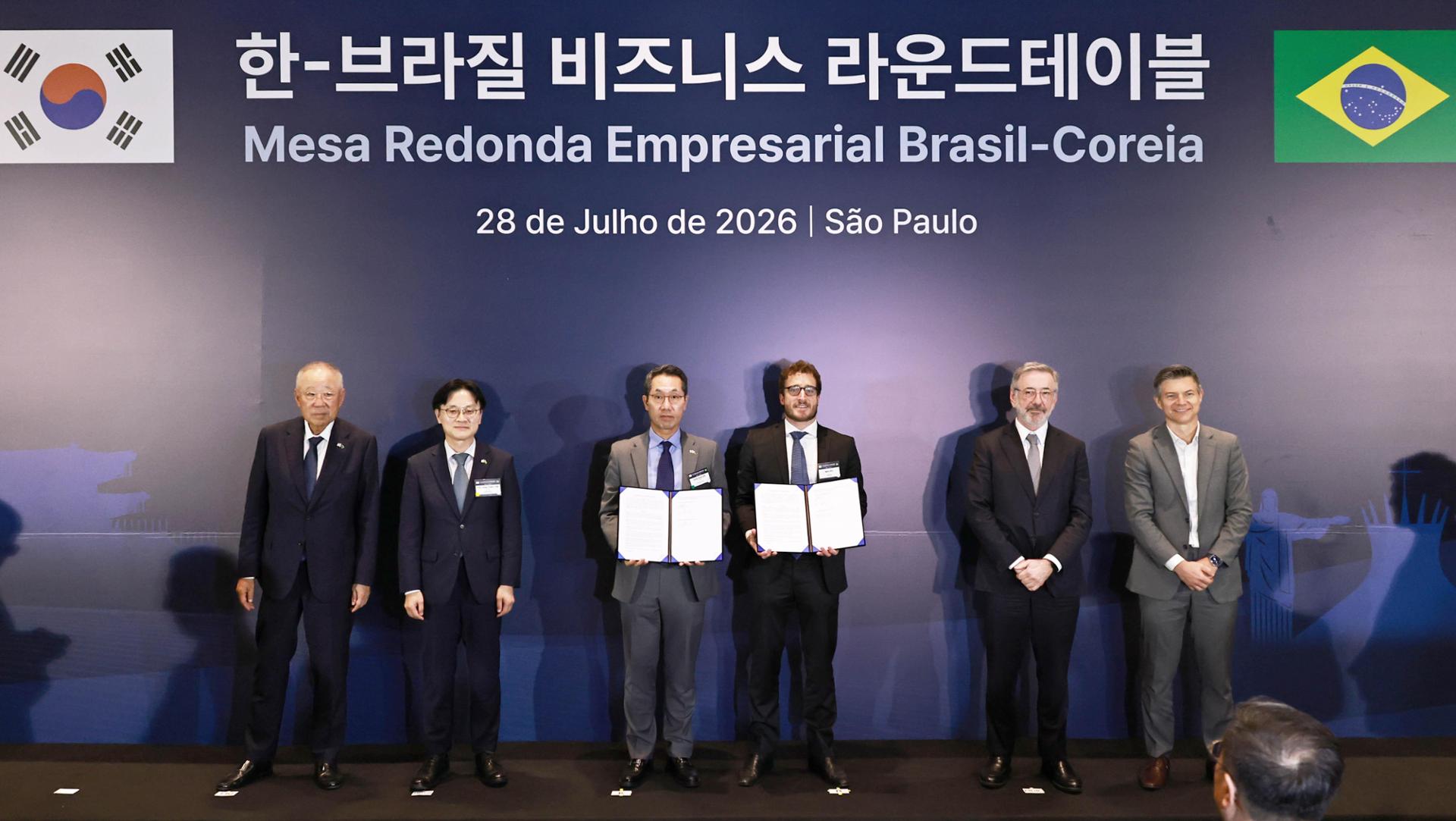
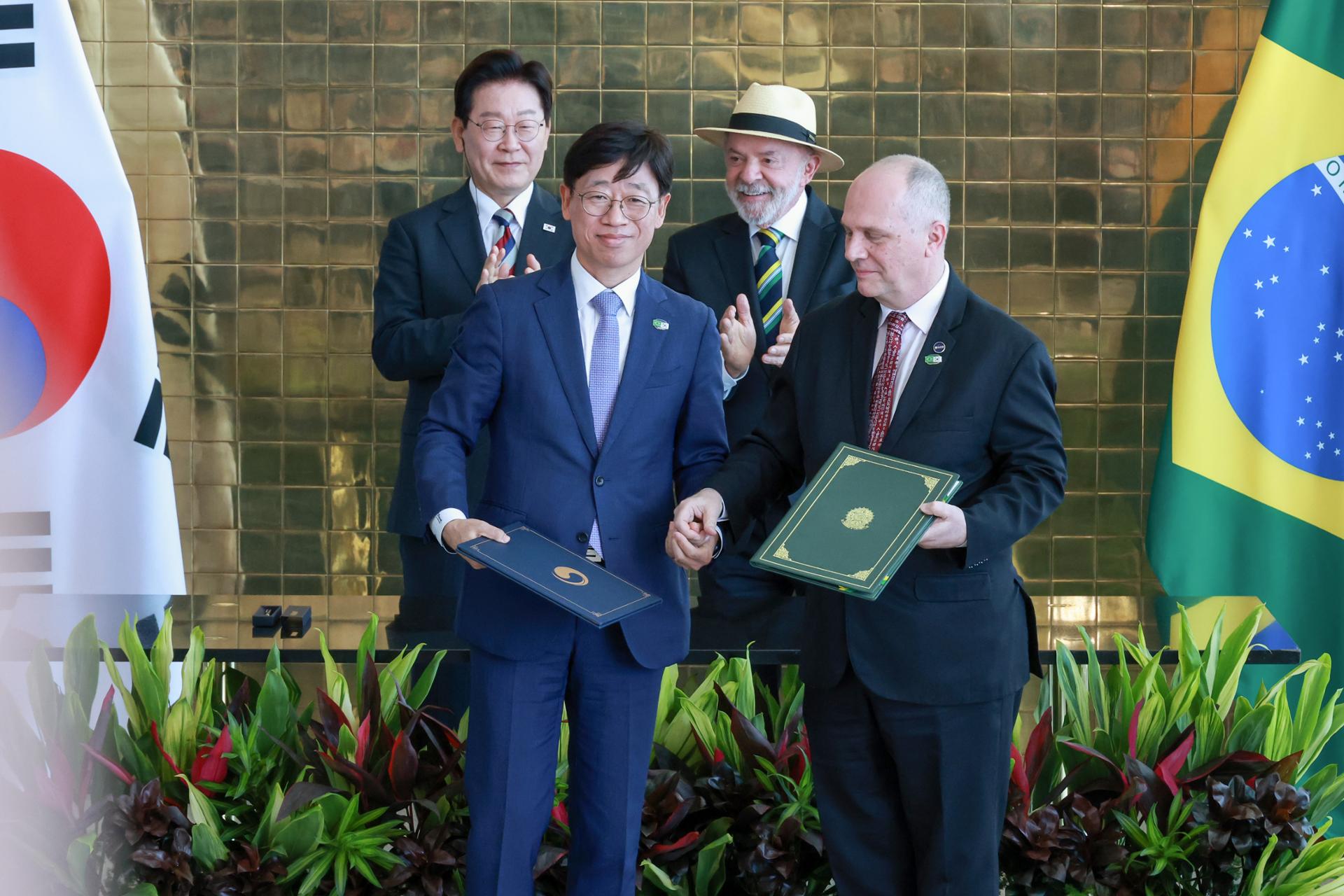
Brazil and South Korea maintain a relationship that extends far beyond economic interests. Since the establishment of diplomatic relations in 1959, the two countries have not only deepened their commercial ties but have also built a shared development agenda in areas such as technology, energy and culture. Earlier this year, they formally elevated their relationship to a Strategic Partnership, signing ten bilateral agreements and an Action Plan covering the period from 2026 to 2029.
The numbers speak for themselves. Bilateral trade between the two countries reached $11 billion in 2025, with balanced flows of $5.5 billion in each direction. South Korea is Brazil’s fourth-largest trading partner in Asia and its thirteenth-largest trading partner worldwide. Beyond economic ties, the relationship between these countries is reinforced by strong human and cultural connections. Brazil is home to the largest South Korean community in Latin America, with more than 50,000 people of Korean origin and descent. Furthermore, driven by the global expansion of Korean culture, known as Hallyu, Brazil has emerged as the world’s fifth-largest consumer of K-pop.
It is precisely because I believe in the continued development of relations between Brazil and South Korea that I am writing this article. My purpose is to draw attention to a serious matter: a Brazilian real 1 billion (approximately 250 billion Korean won) financial hole left in Brazil by POSCO, one of South Korea’s largest industrial conglomerates, with significant financial and social consequences. Unless it is properly resolved, this episode may generate effects that extend beyond the corporate sphere and undermine the trust that has historically supported relations between our two countries.