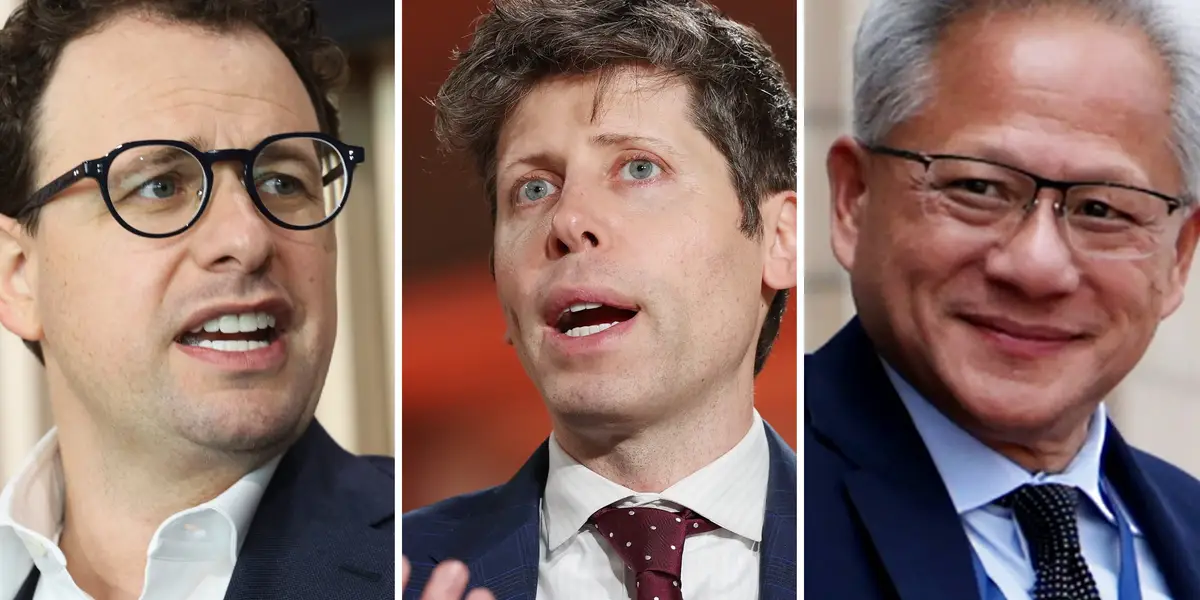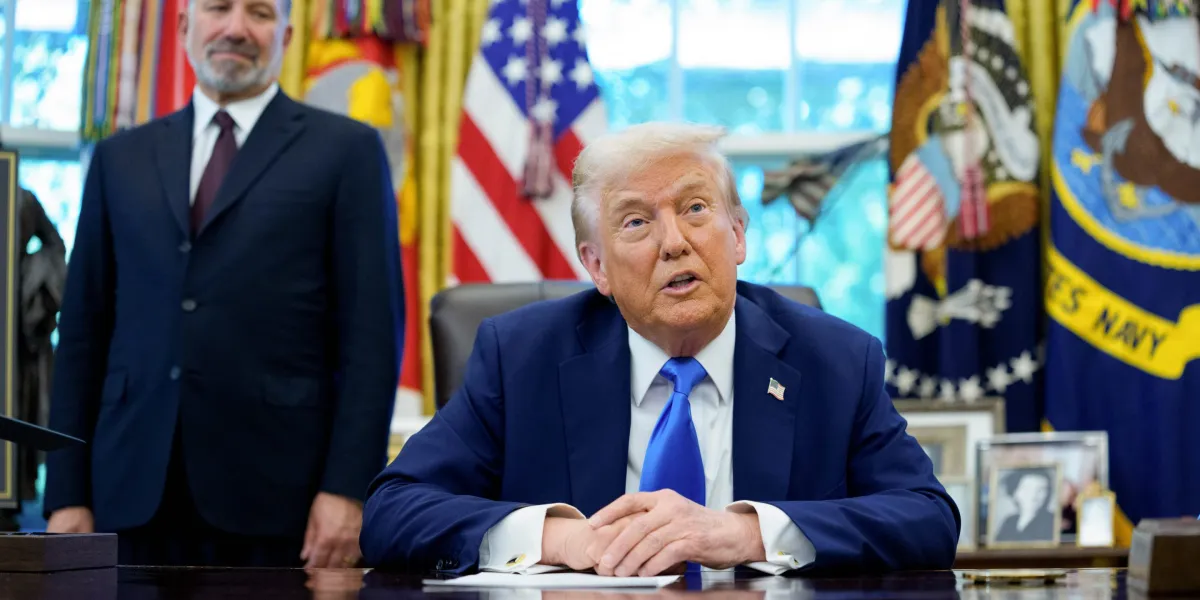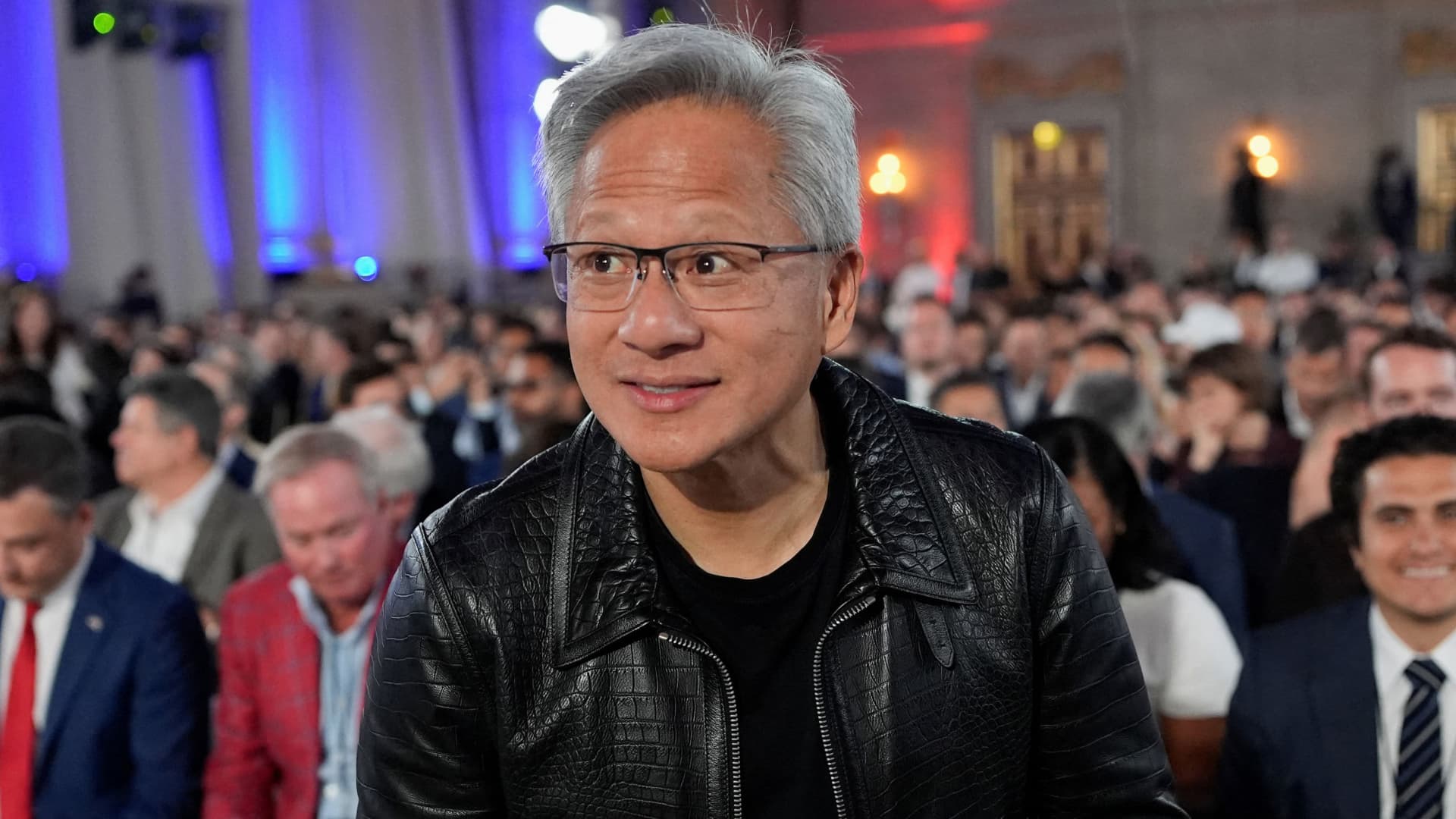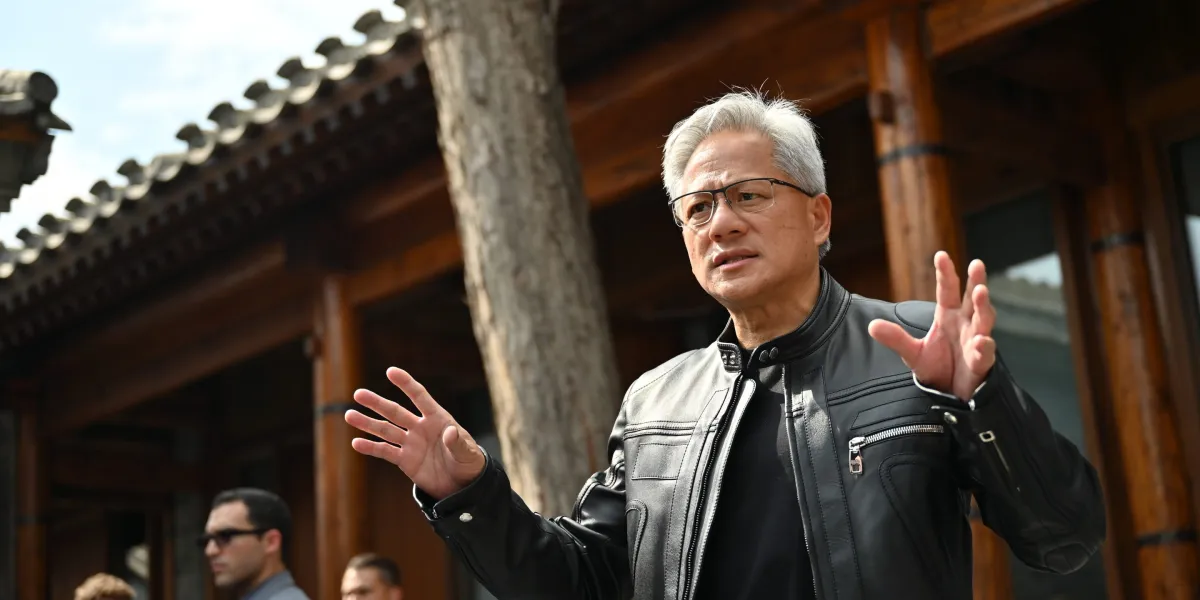
When President Donald Trump suddenly imposed a $100,000 fee on new H-1B visas last year, leading AI companies didn’t flinch. Nvidia CEO Jensen Huang told CNBC he was “glad to see President Trump making the moves he’s making,” and OpenAI CEO Sam Altman said aligning financial incentives around skilled immigration “seems good” to him.
Eight months later, the visa fee has split the tech industry in two. The frontier AI companies that publicly supported the move have sharply increased their foreign-worker filings, even at $100,000 a head—while the Big Tech giants with far larger workforces have pulled back. And on Monday, a federal judge struck the fee down entirely, calling it an unlawful tax.
Nvidia’s certified H-1B applications rose 19% in the first quarter of this year compared with the same period in 2025, according to a Fortune analysis. OpenAI’s more than tripled, and Anthropic went from roughly 10 to nearly 60.
Over the same stretch, Amazon—the country’s single largest H-1B sponsor—along with Google and Microsoft, posted steep declines, with smaller dips at Meta and Apple. The divergence comes down to math. For a company like Amazon, which sponsors H-1B workers by the thousands across its engineering and corporate ranks, a $100,000 surcharge on every new hire could be a budget-breaking line item. For an AI lab racing to hire a few hundred elite researchers while sitting on billions in fresh capital, it’s a rounding error. Nvidia’s roughly 765 certified applications, which include new, promoted, and transferring employees, look trivial against an R&D budget in the tens of billions, and are a small premium to pay in a talent war where a single researcher can move the needle.