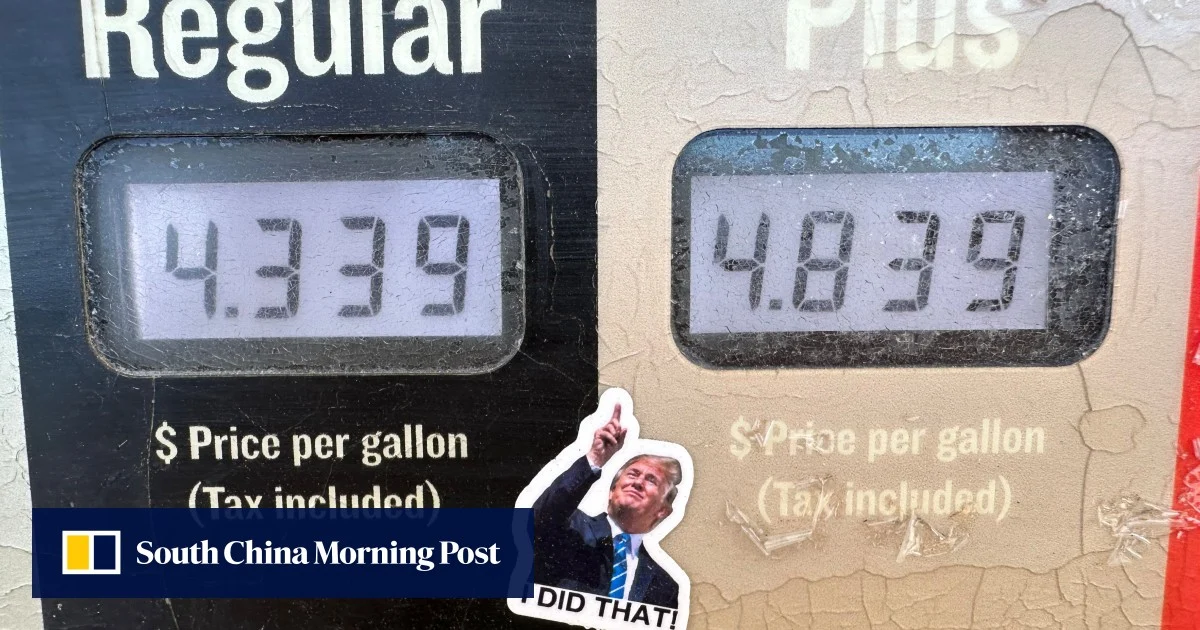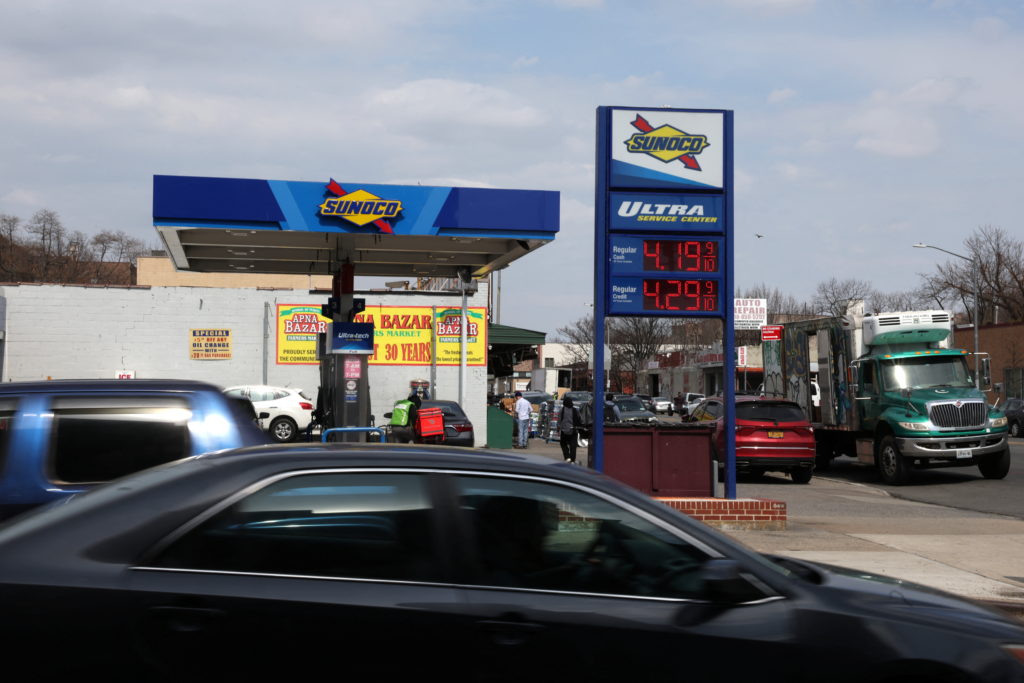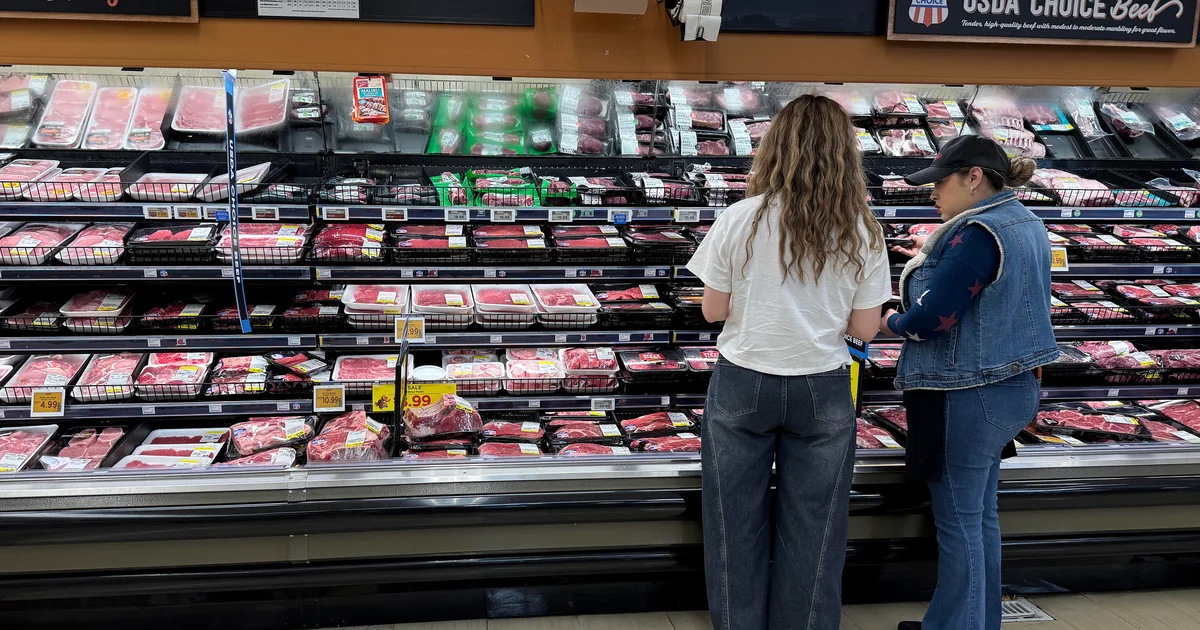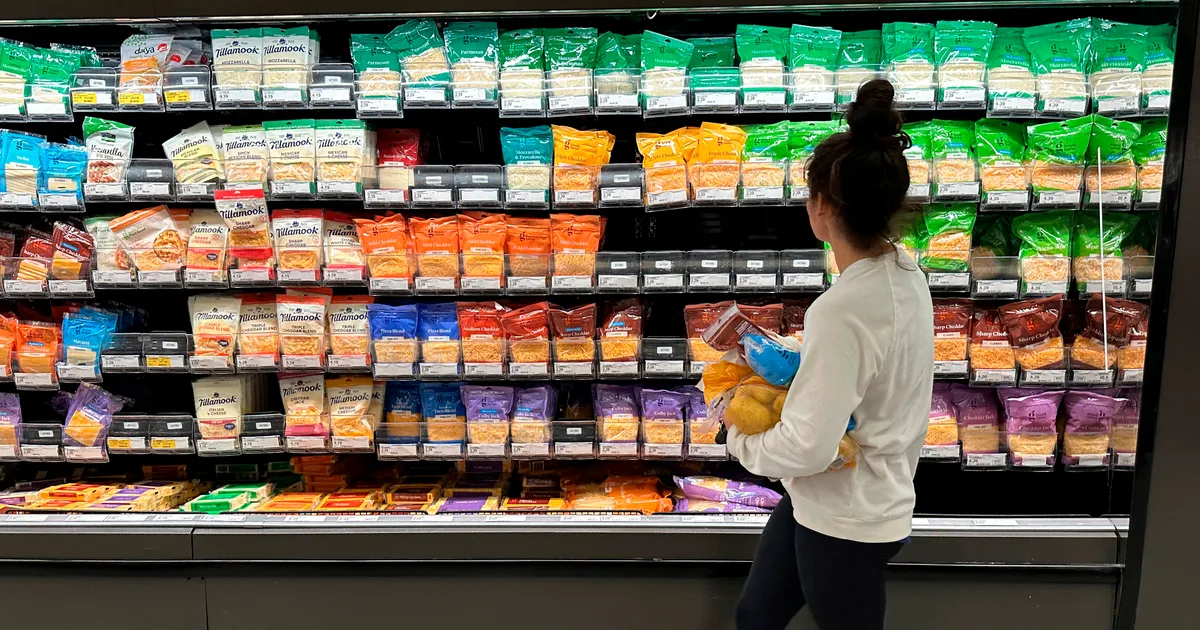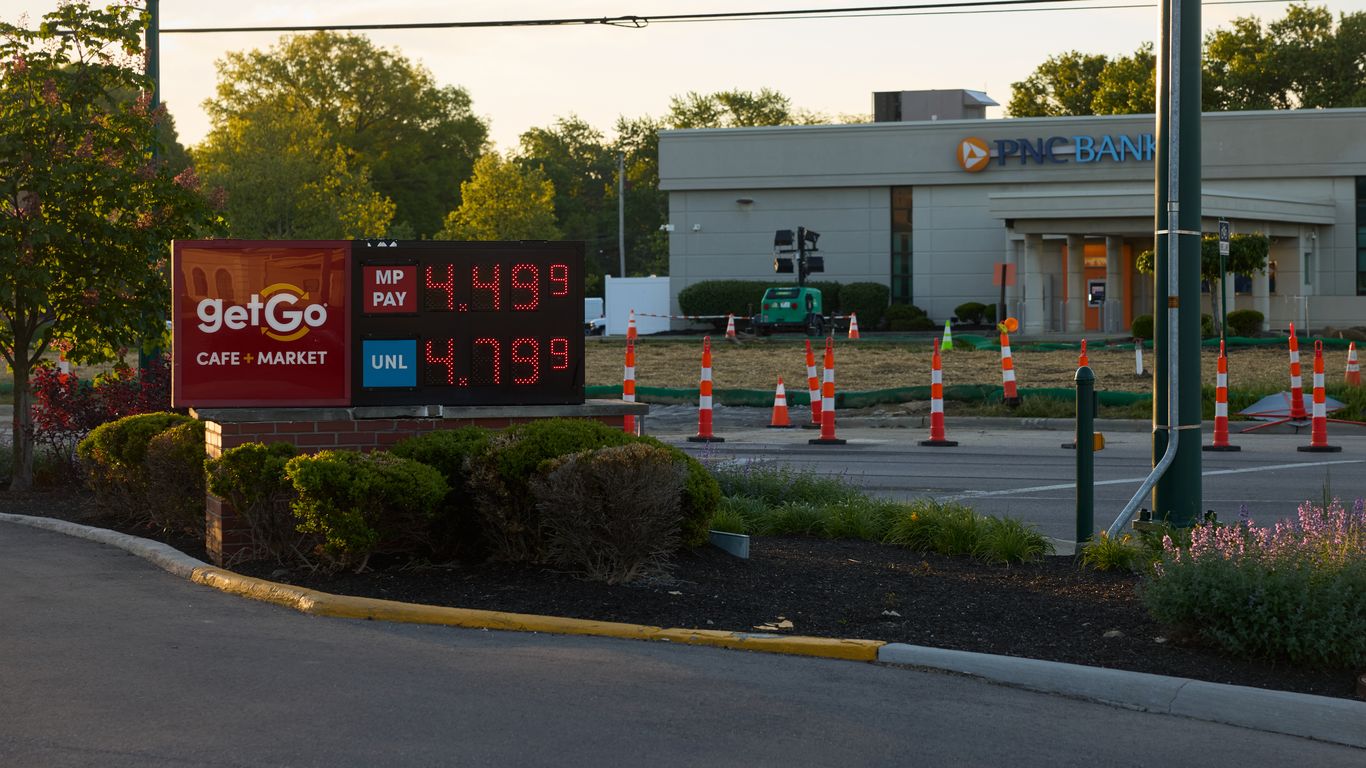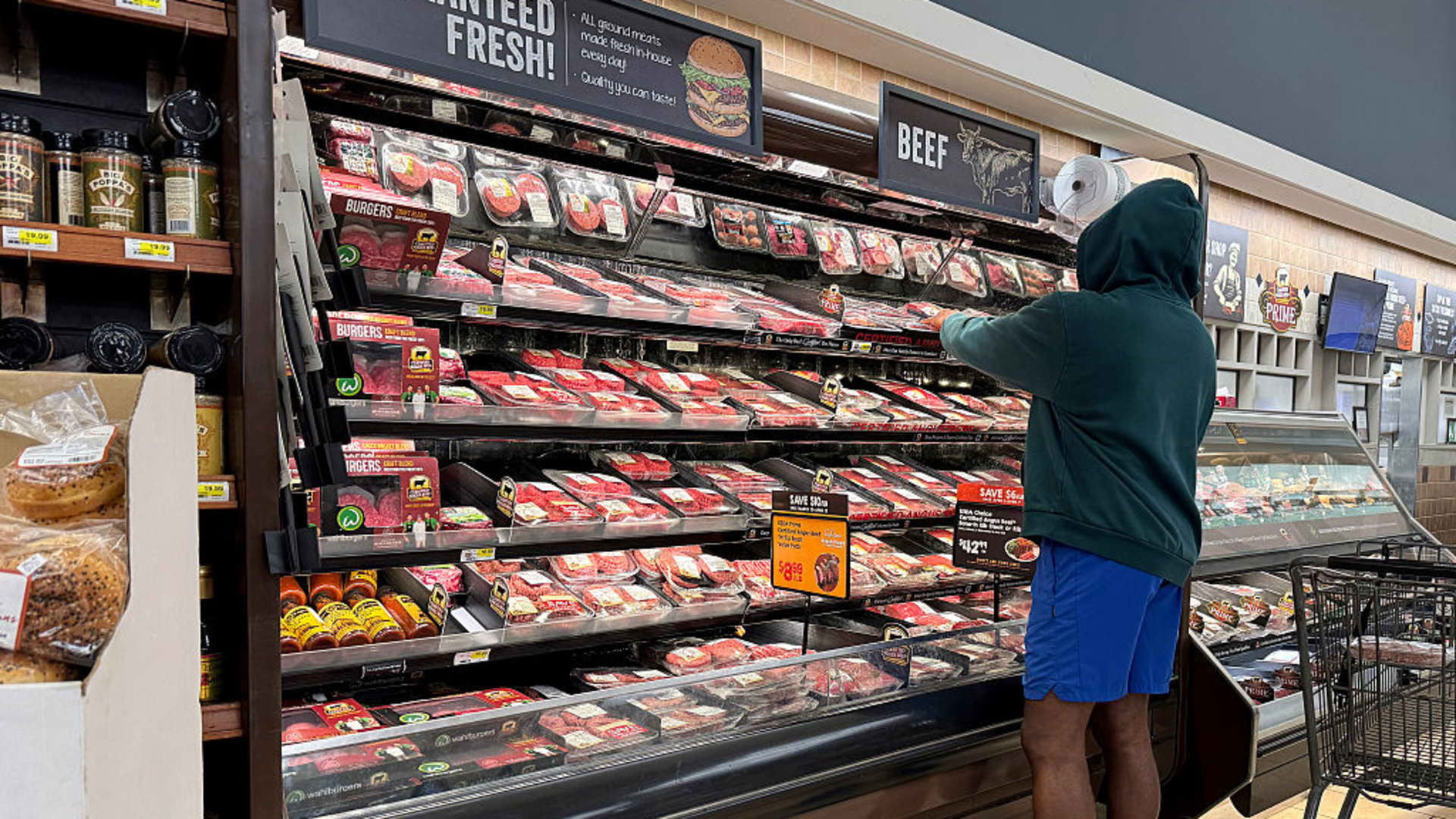
Consumer prices went up 4.2% in May, according to the Bureau of Labor Statistics’ consumer price index. That year-over-year inflation is driven largely by the ongoing war in the Middle East. Energy prices are up nearly 24% since last year. All of this is very bad news for who the CPI is all about: consumers.“Consumer pockets have limited ability to stretch,” said Yelena Shulyatyeva, a senior U.S. economist at The Conference Board.As energy prices push inflation higher than wage increases, she said, “that means negative implications for consumer spending going forward.” If the Strait of Hormuz stays closed and the world drains its oil inventories further, energy prices could spike even higher. There’s a risk that what’s happening with energy prices could shape consumers' inflation expectations, said Christiane Baumeister, a macroeconomist at the University of Notre Dame.“They have been seen once again, month after month, since the outbreak of the war, prices rising, right? And they might just start expecting further and further increases, and that means inflation expectations might become unanchored,” she said.That’s a risk for the Federal Reserve. And even though core inflation — which strips out food and energy — is still below 3%, Baumeister suspects that measure could move up.“The inflation process is a staggered process,” she said. “Some companies might have taken a wait and see approach before passing costs on to consumers, but I think that that might still happen.”Olu Sonola, U.S. head of economic research at Fitch Ratings, cautioned not to underestimate the cumulative impact that the energy squeeze and the price shock is having — especially in this K-shaped economy.“Pre-war, on an annualized basis, the consumer spent about $400 billion on energy goods. Now it's running at about $600 billion,” he said.Even if inflation today is driven by energy shocks, it’s still more of a concern than just a few months ago, said Jason Schenker, president of Prestige Economics.He thinks that means a shift away from where monetary policy was headed. “The likelihood of a cut is very small, and the increasing probability of rate hikes means not only are consumers under pressure, but now higher interest rates often have an impact of slowing business investment.” He called it the worst of both worlds. Too grim? Read our glass half-empty take: There might actually be good inflation news in May CPI report
Inflation spikes as Iran war stokes energy costs, according to May CPI
The consumer price index rose 4.2% in May, driven largely by energy costs that are up about 24% year over year.
390 words~2 min read