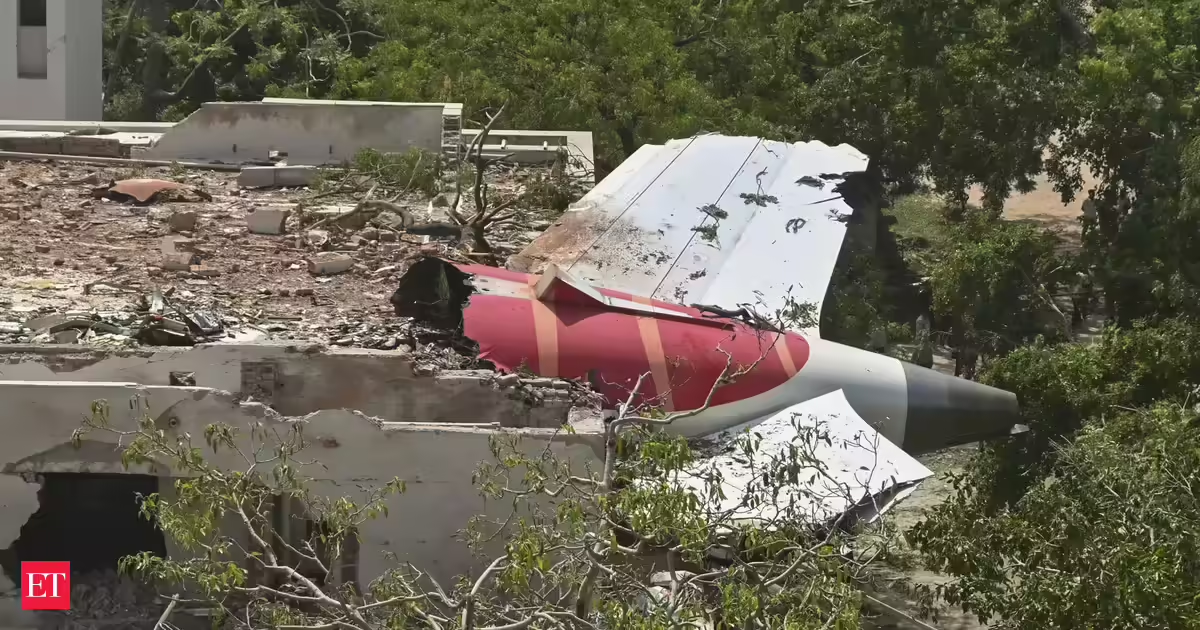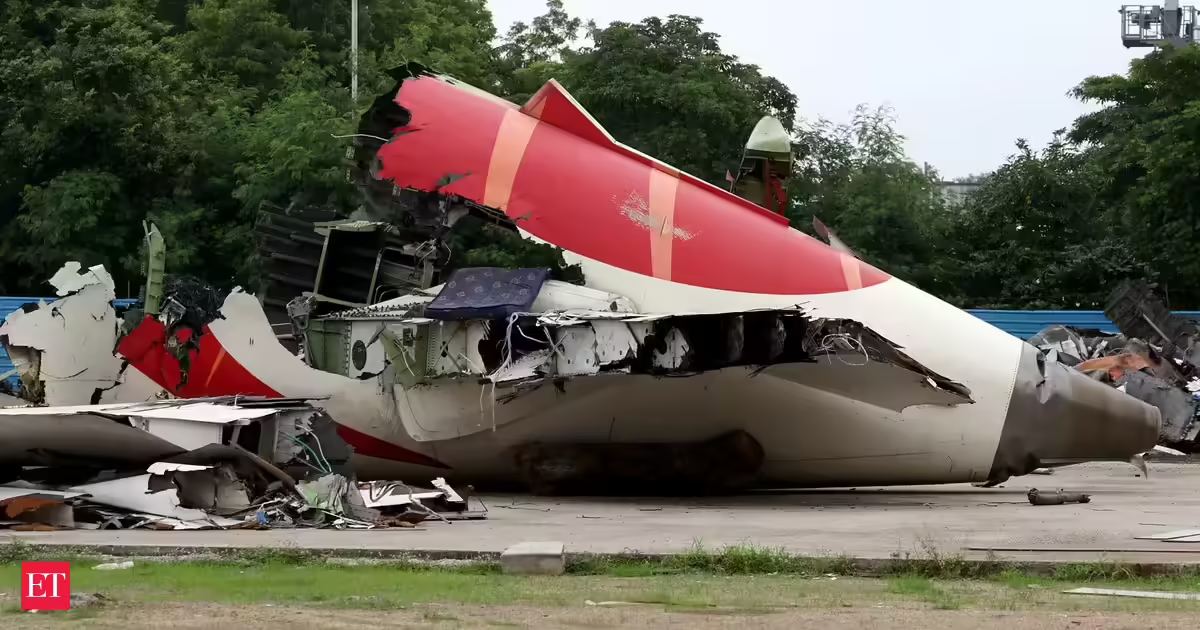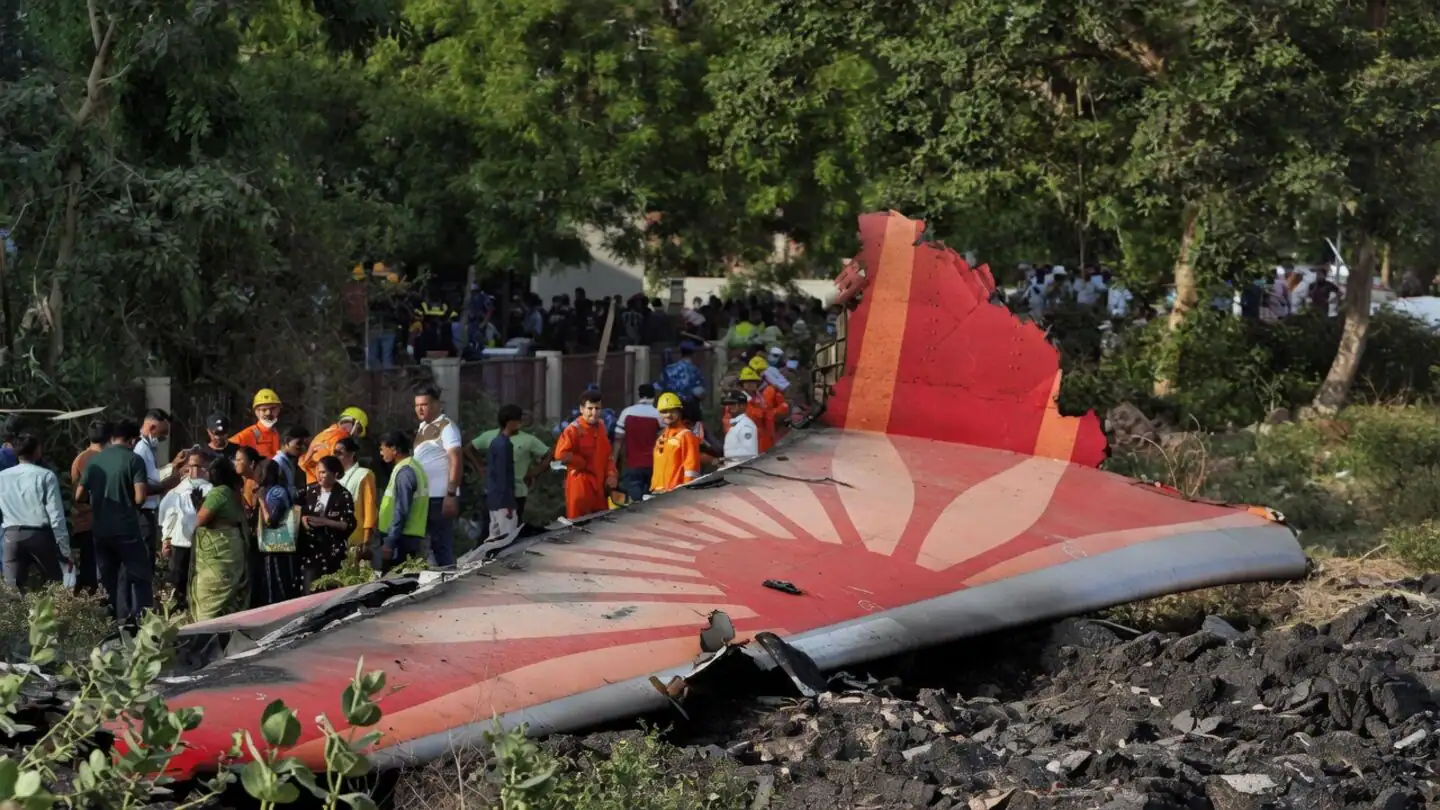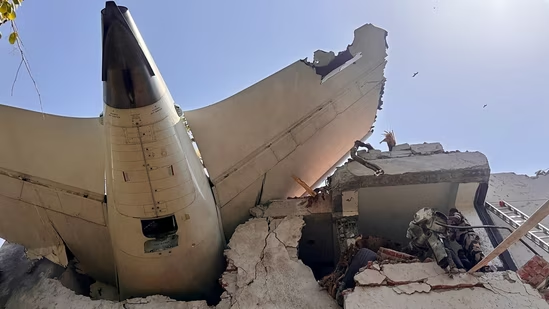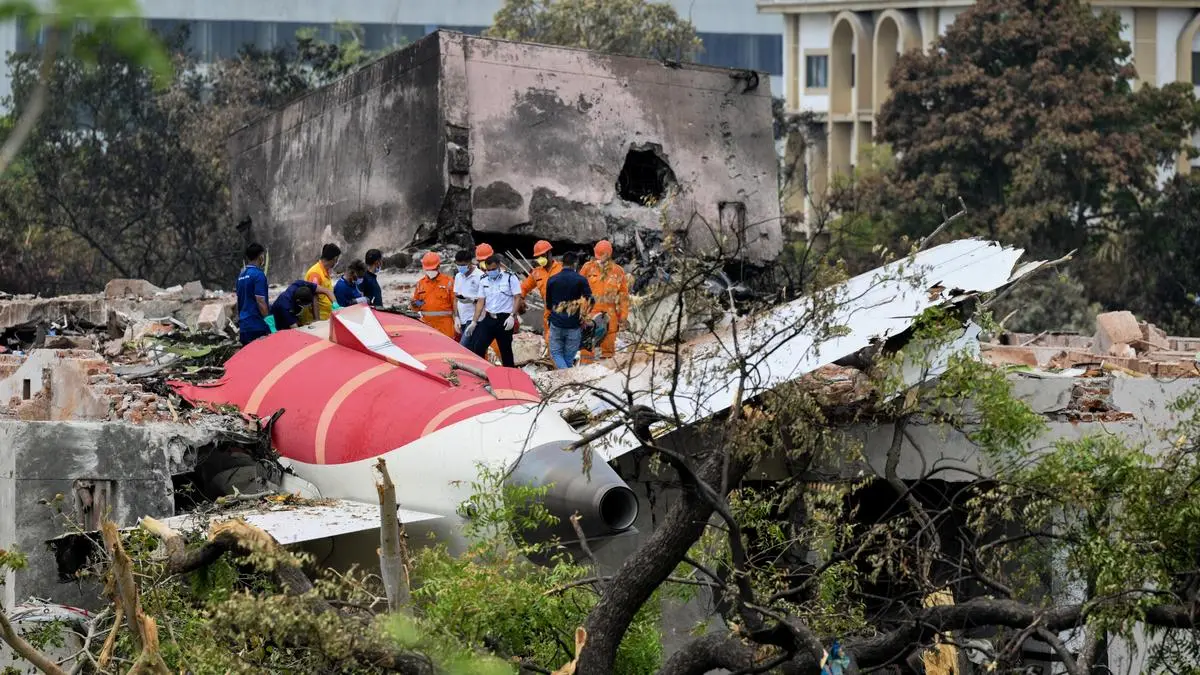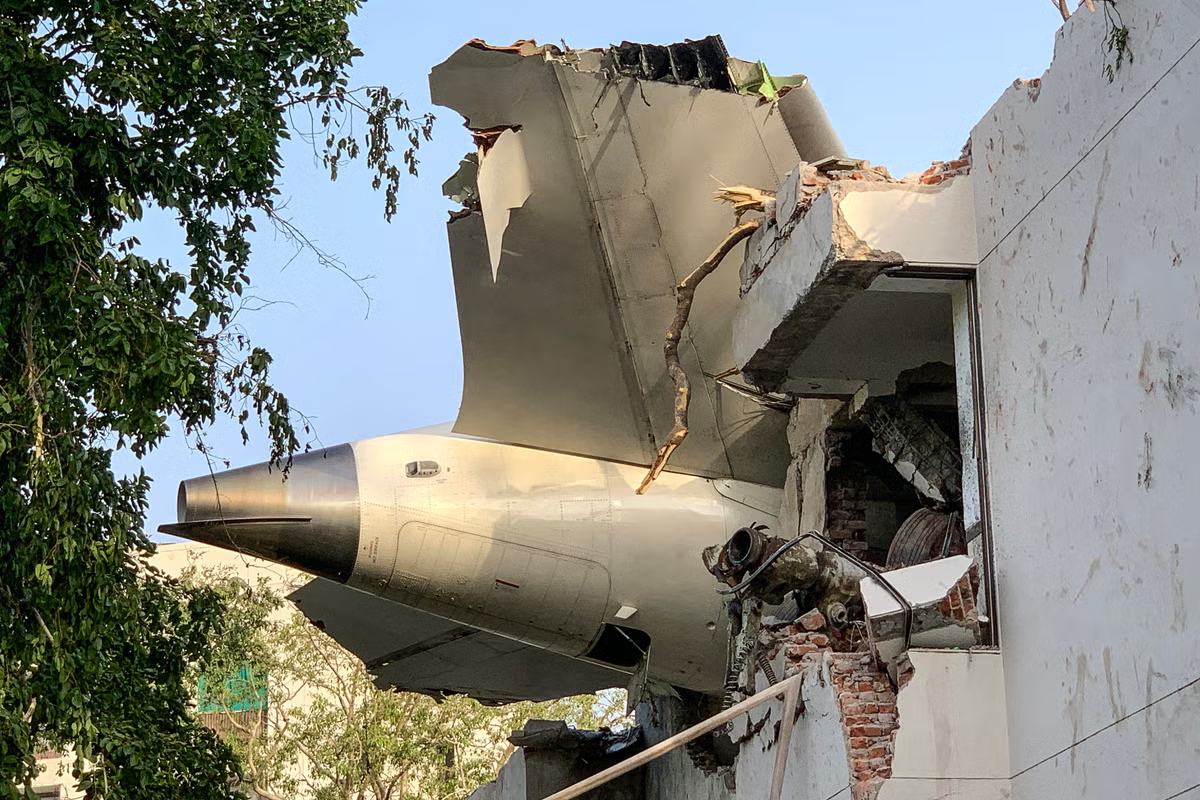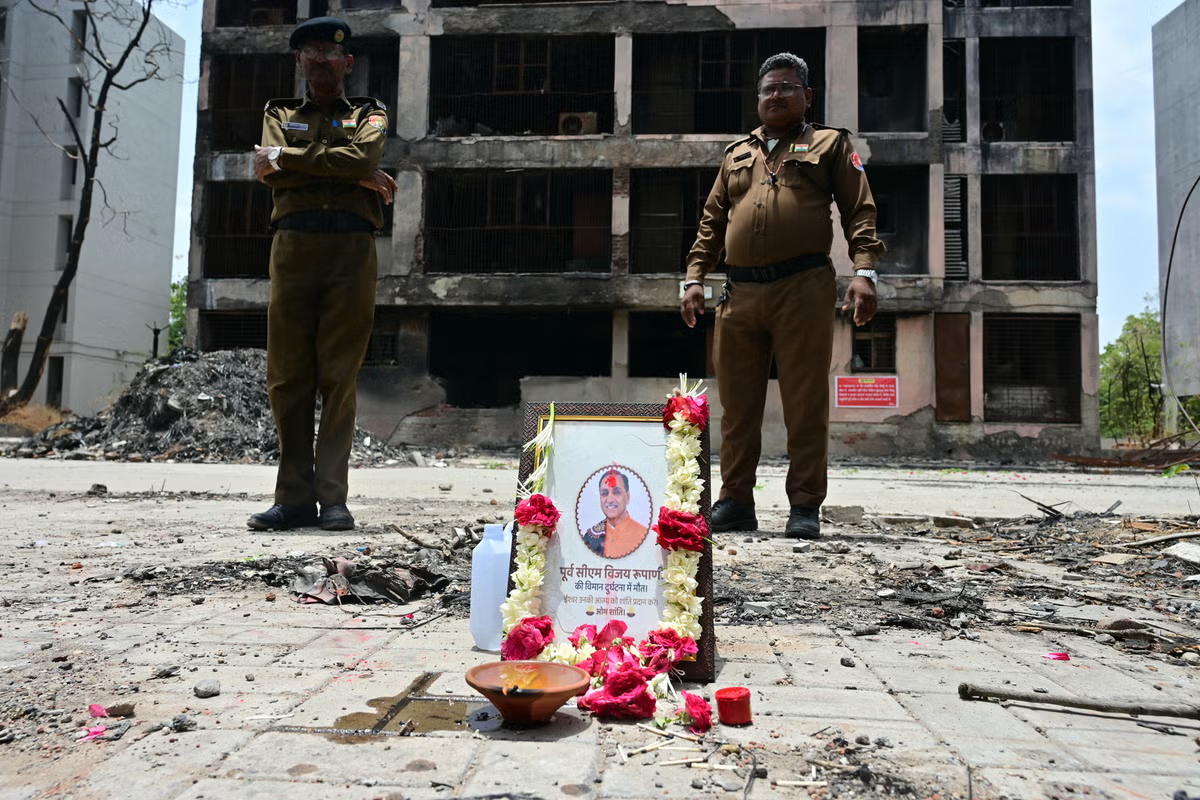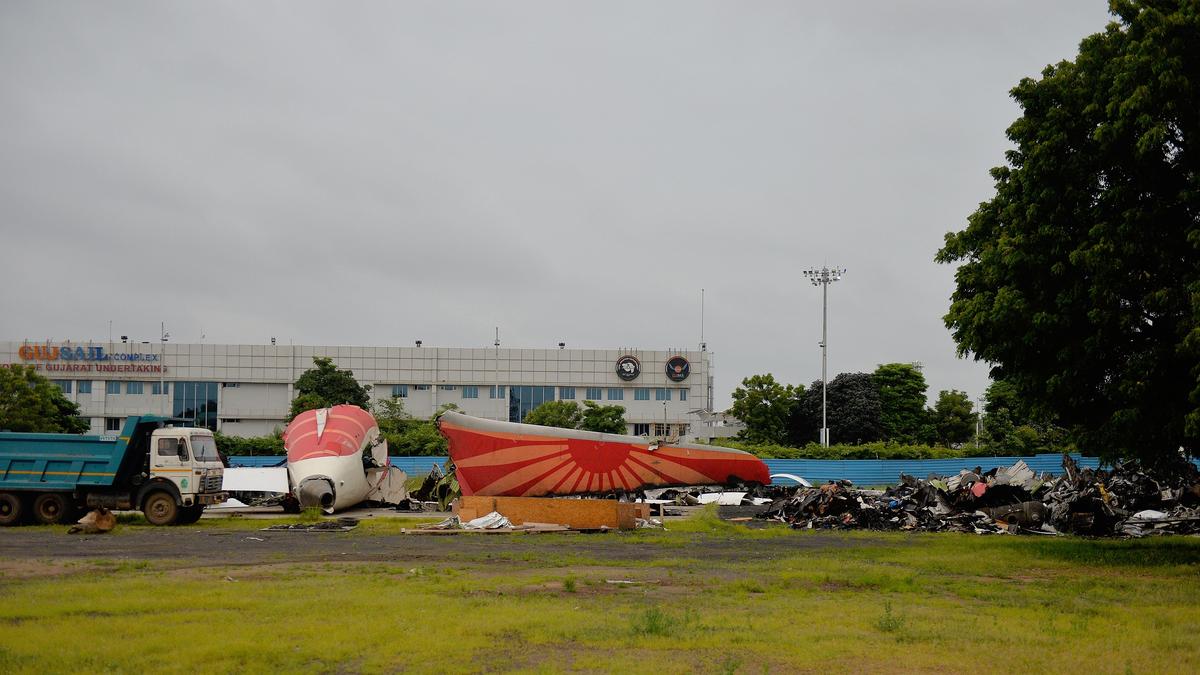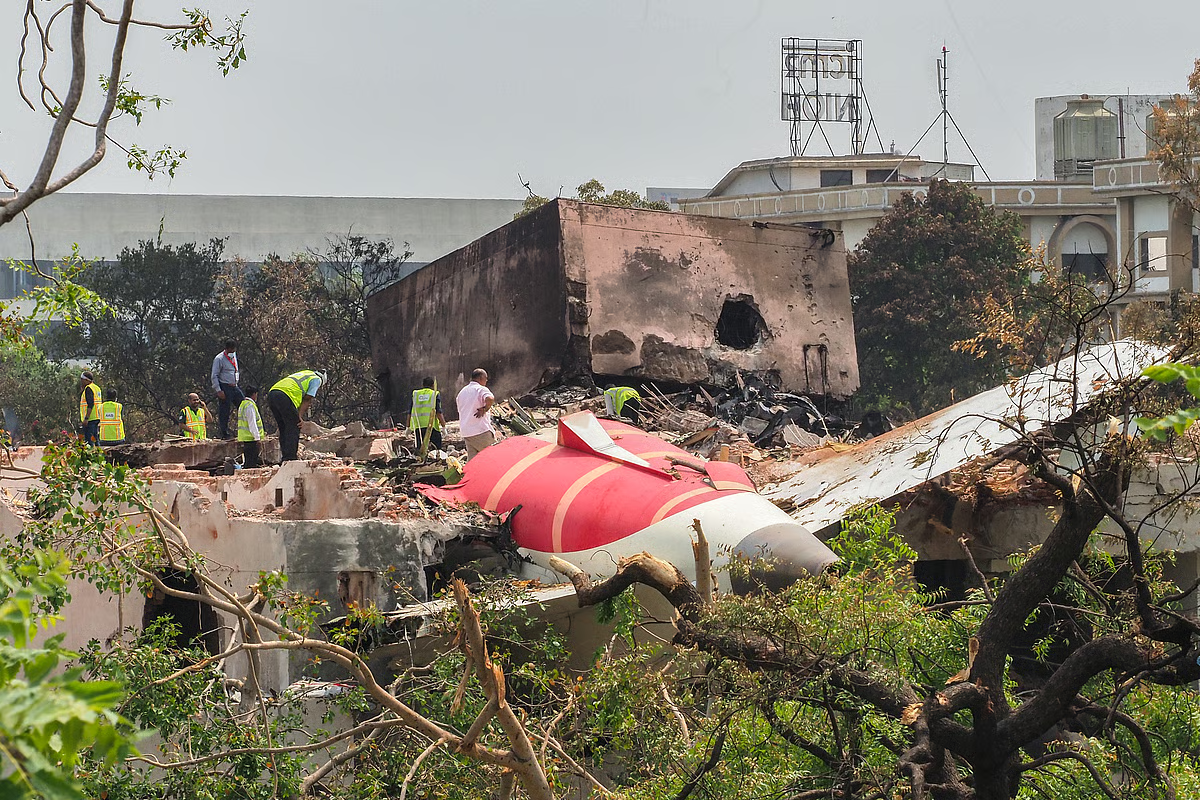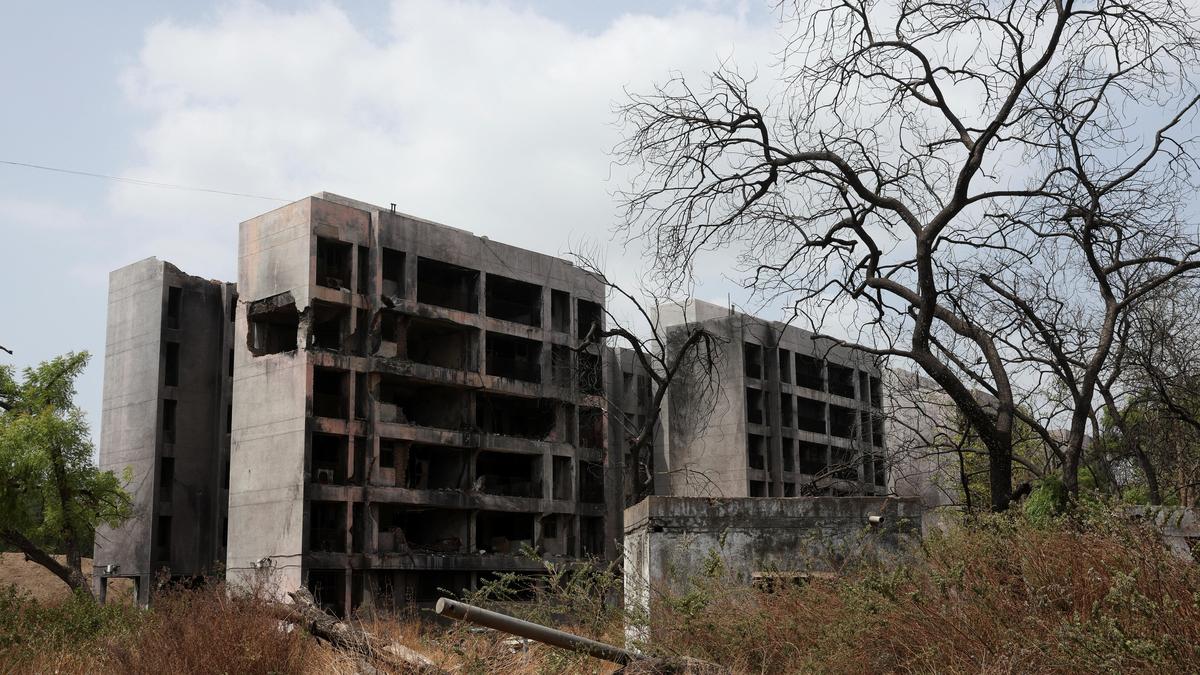
A year since the tragic crash of Air India flight AI 171 that cost 260 lives on June 12, 2025, the Ministry of Civil Aviation (MoCA), Government of India, and its Air Accident Investigation Bureau, have strayed from their promised “transparent and factual” path. The only piece of information that is available to us is the Preliminary Report that was published in July 2025. The cryptic report has hidden pointers that are worth highlighting, in the absence of any final report.The flood of false narratives spread by some sections of mainstream media and social media compel this writer to highlight issues. The usual tendency of the MoCA and the Directorate General of Civil Aviation (DGCA) to conceal the truth and place the blame on the pilot has, in this case, taken a different turn. Instead, there is a defence of the captain and playing possum in the face of claims by some pilots’ associations and “aviation illiterates” — as a former National Transportation Safety Board (NTSB) investigator has described them in a YouTube video — that the crash resulted from failures on the part of the airline and the aircraft manufacturer.Media narratives versus factsThe first clear indication appears on pages 12-13 of the preliminary report which says: “The forward EAFR [Enhanced Airborne Flight Recorder] was located on 16 June 2025 from the wreckage debris beside the Building F.” The forward EAFR records both the digital flight data and voice data from cockpit area mike. It is therefore evident that the AAIB has listened to the cockpit voice recorder (CVR) recording and alerted the MoCA, which in turn informed the Ministry of Home Affairs (MHA). On the same day, June 16, citing intelligence inputs and a perceived threat, the MHA reportedly ordered X-category commando protection for the head of the AAIB. He continues to enjoy this protection at taxpayers’ expense, even as the travelling public and the families of the crash victims remain in the dark.Certain narratives in the media and social media have been on the report of the fuel control switches (FCS) having transitioned from run to cutoff and then cut-off to run after several seconds delay.The use of the word “transitioning” in the report is being bandied about as evidence of American influence on the report. What is being forgotten is the fact that the FCS is a spring loaded switch that has to be lifted off the run slot, moved over the gate and dropped into the cut-off slot. The same action is required for moving the switch from cutoff to run. These switches cannot be moved by a software error or a power failure. The only CVR statement in the report mentions this: “one of the pilots is heard asking the other why did he cutoff. The other pilot responded that he did not do so.” The rest of the CVR recordings were apparently shared with the MoCA and the MHA for the threat perception.The Government of India knew the facts on June 16, 2025 and is still dragging its feet to provide closure to the affected families who are experiencing mental agony.A red herringThe latest angle that is occupying centre stage is the Ram Air Turbine (RAT). Calculations about when the RAT deployed in flight and how this was due to a major wiring fault are being used by interested parties to digress from the key issue of who moved the FCS to cut off the engines. Page 14 of the report says that the “RAT hydraulic pump began supplying hydraulic pressure at about 08:08:47 UTC”, which is a clear indication the RAT was deployed five seconds earlier, around 08:08:42 UTC.The report mentions that once the aircraft achieved the maximum recorded airspeed of 180 knots at about 08:08:42 UTC, immediately thereafter, the Engine 1 and Engine 2 FCS moved from run to cutoff position one after another with a time gap of one second.When both engines were cut off, two things would have happened immediately. The entire instrument panel in front of the copilot would have gone blank and the power supply to the rear EAFR shut. The rear EAFR becomes a lame duck and whatever data the investigators retrieve will only be what is recorded prior to that time. The actual backup of critical data would have been lost had the forward EAFR data not been recovered.The Boeing 787 Manual lists four conditions that result in the automatic deployment of RAT to provide backup. It also mentions that the RAT can be deployed manually by pressing the RAM Air Turbine switch on the hydraulic panel. This will be recorded both on the EAFR as well as the sound recorded on the CVR. The clear reason why RAT deployed before the engines were cut off will be evident on both the EAFR and CVR recordings.Under normal circumstances, when a major emergency takes place on take-off, the Captain must take over the controls and the copilot reverts to pilot monitoring duty even if he was the Pilot flying. The CVR will clearly indicate if that action took place. The EAFR apparently records the flight controls of the copilot side moving during the entire event. In the case of flight AI-171, the delay in moving the FCS for the no. 1 and no. 2 engines, at 08:08:52 and 08:08:56, respectively, can be explained by the circumstances confronting the poor co-pilot: a blank screen, no guidance, both engines without power, and the task of controlling the aircraft with his right hand while attempting to restart the engines with his left hand.For his low experience on the aircraft type and performing a manoeuvre which is never given for copilots during training, First Officer Clive Kunder did a remarkable job in steering the crippled aircraft away from crowded areas where more lives would have been lost on ground.Closure requires the truthThere were two pilots on board. The FCS were deliberately moved to cut off the engines. Only one of them could have done it and not a software error or a power system error. If the AAIB could have deciphered the CVR data to alert the MoCA and the MHA as early as June 16, 2025, fishing for excuses to deviate from the facts will only damage the credibility of the Indian aviation system.The United States NTSB and the Air Accidents Investigation Branch of the United Kingdom have far more experience in deciphering the EAFR/Digital Flight Data Recorder and CVR data than the Indian AAIB or the DGCA. One hopes that the authorities in India do not drag their feet and face the humiliation of the NTSB releasing its own findings, as it did in the SilkAir (1997) and China Eastern (2022) fatal crashes, which ultimately established “Deliberate Human Intervention”.The families of First Officer Kunder and all those who perished in the crash on June 12, 2025, deserve closure to their mental agony.Captain A. (Mohan) Ranganathan is a former airline instructor pilot and aviation safety adviser. He is also a former member of the Civil Aviation Safety Advisory Council (CASAC), India
The forgotten copilot of Air India flight 171
The Preliminary Report into the crash of AI 171 has hidden pointers that are worth highlighting in the absence of any final report so far
1,171 words~5 min read