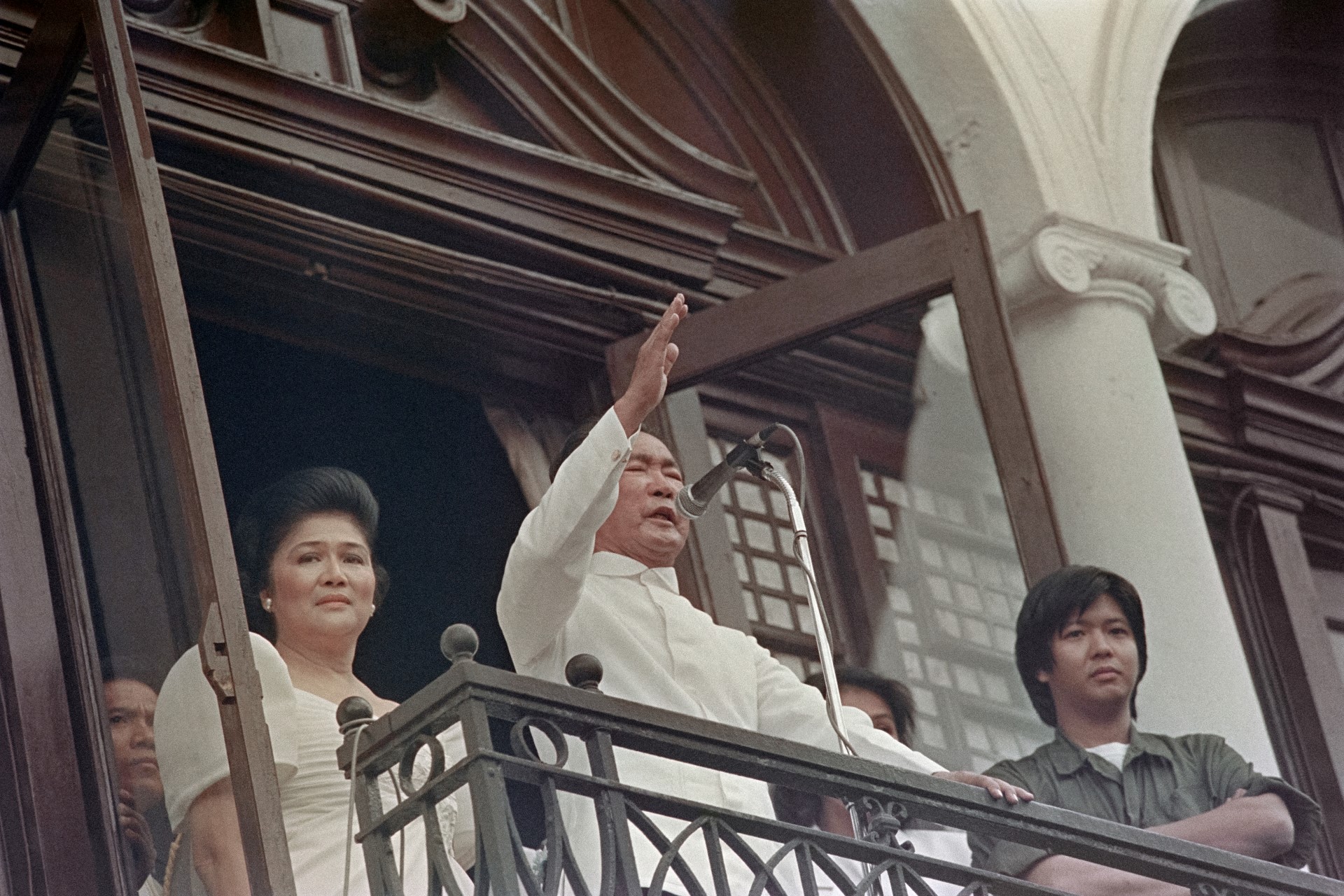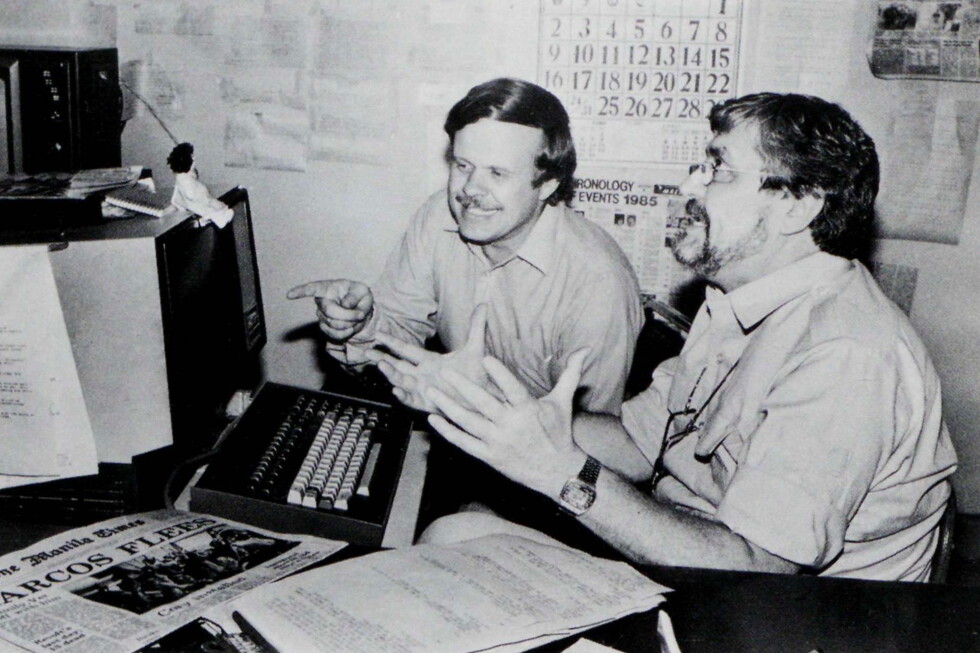
David Briscoe, a journalist for The Associated Press who chronicled the collapse of dictatorship and the rebirth of democracy during a dramatic period of upheaval in the Philippines, has died, his family said. He was 82.Briscoe died Sunday at an assisted living facility in Kapolei, Hawaii, said his wife, Leonor Briscoe. He was diagnosed in April with amyloidosis, a disorder in which protein buildup can lead to organ damage.In a career spanning decades and continents, Briscoe brought a reporter’s curiosity to his native Utah, to Washington and to Hawaii. But it was his perch in Manila that put him at the center of his biggest story.Taking the helm as bureau chief in 1980, Briscoe charted the waning years of Ferdinand Marcos’ authoritarian regime and the turmoil unleashed by the assassination of opposition leader Benigno Aquino Jr. He and his staff fanned out across the country in chartered planes, rented jeeps and, at least once, a horse-drawn cart. They covered a relentless stretch of investigations, hearings and a presidential campaign so improbable it seemed scripted, with a reluctant widow thrust by tragedy to the forefront of a democratic movement.
That thrilling conclusion, with Corazon Aquino ascending to the presidency and Marcos dramatically driven into exile, would stay with Briscoe forever. He recalled searing images “of nuns kneeling in front of military tanks” and “soldiers and civilians crying in each other’s arms.”“I expect to witness or cover no greater event in my life,” he wrote in AP World, an in-house magazine, in 1986, recounting his coverage of the upheaval.