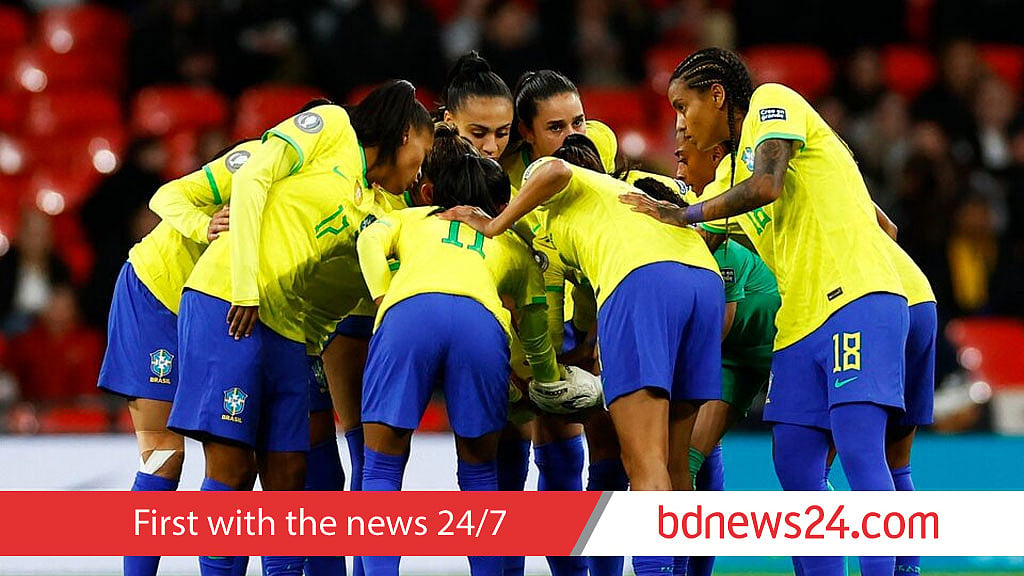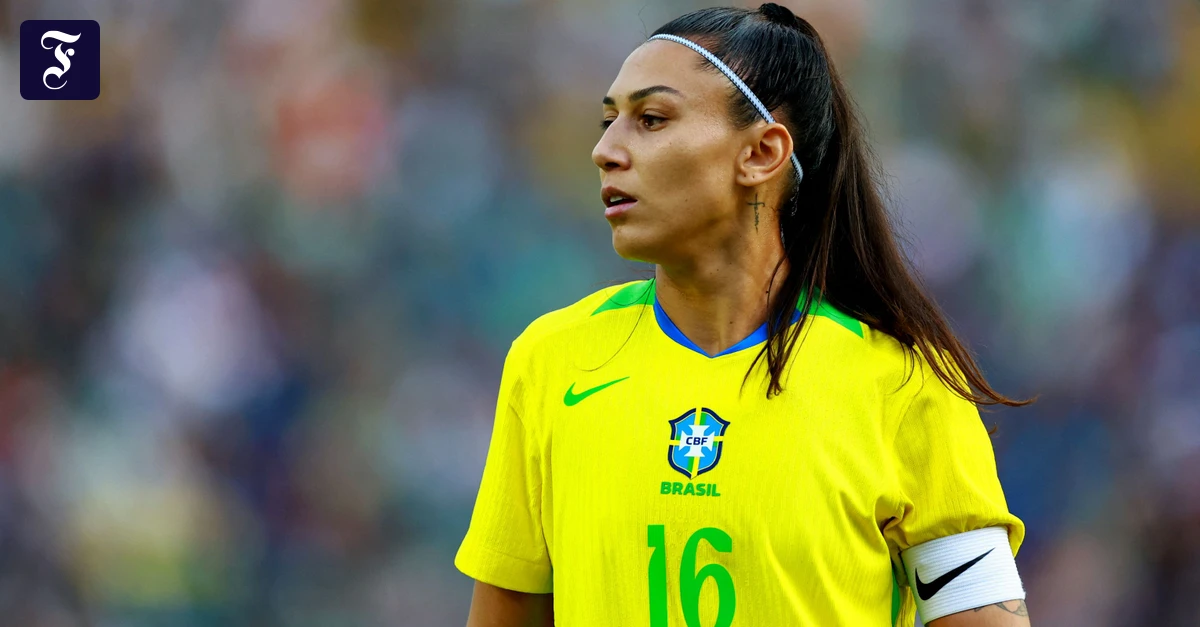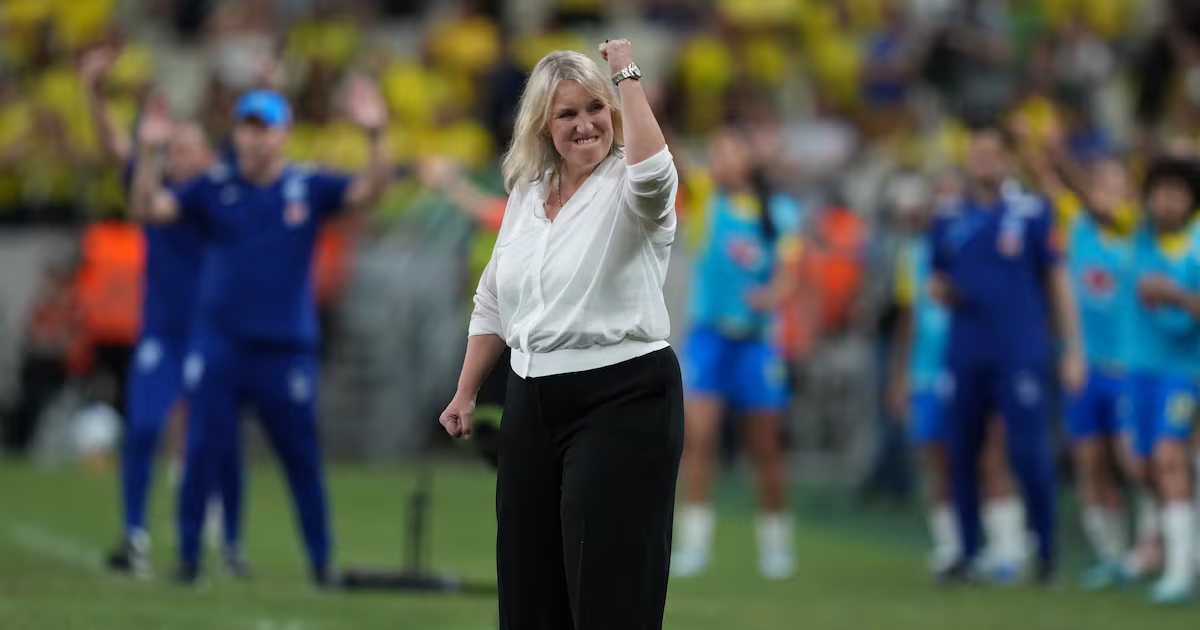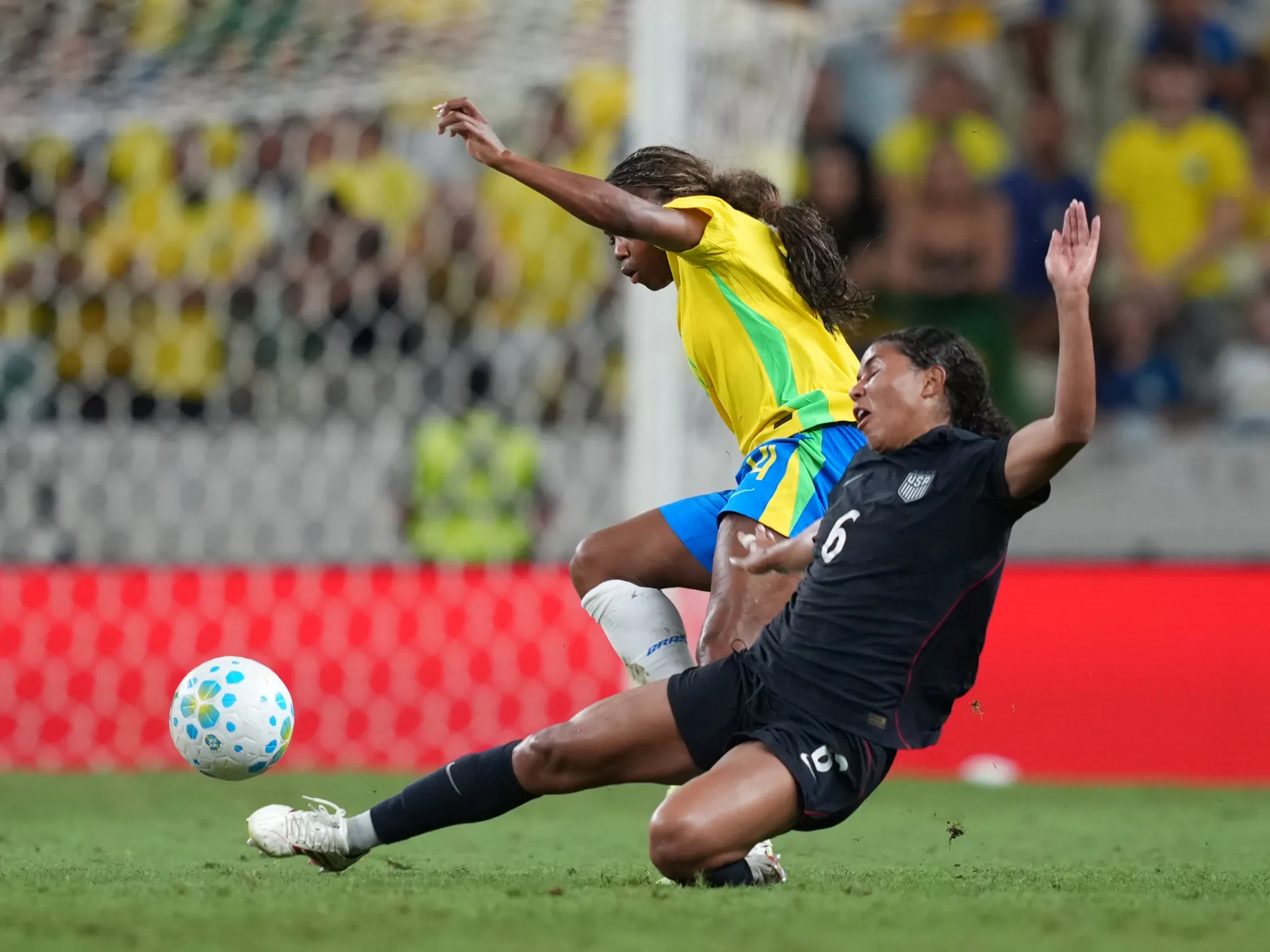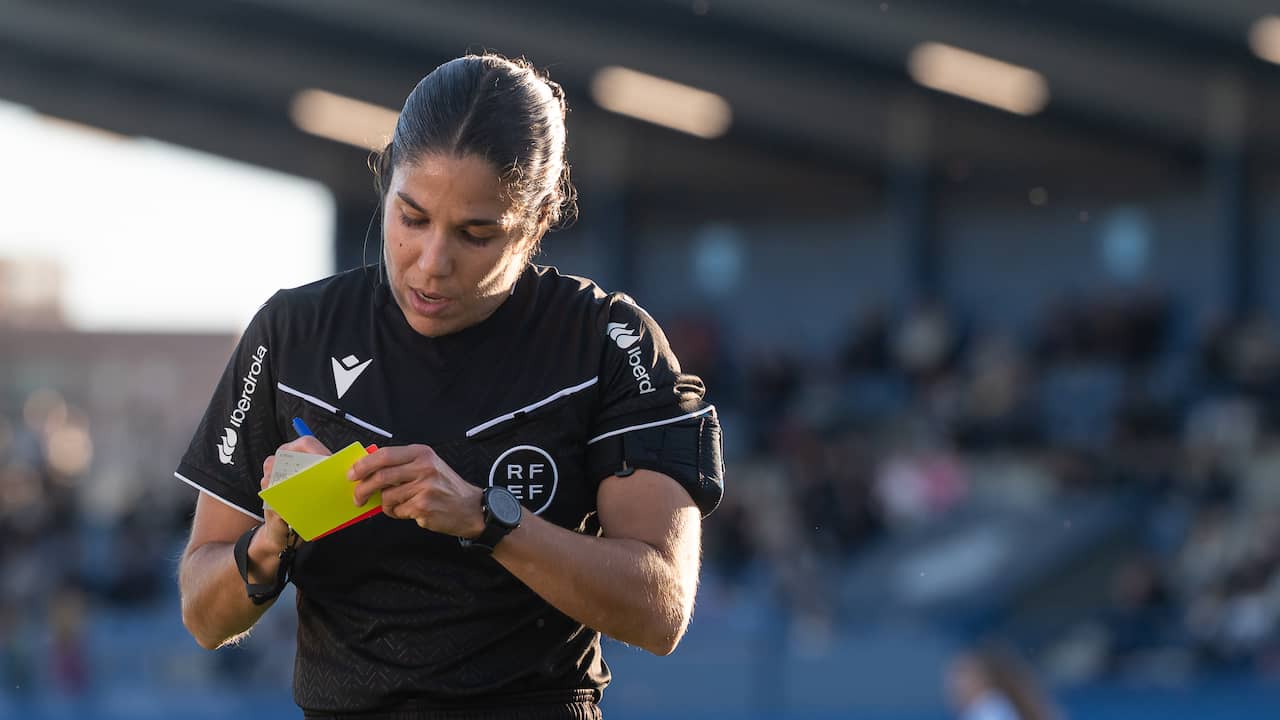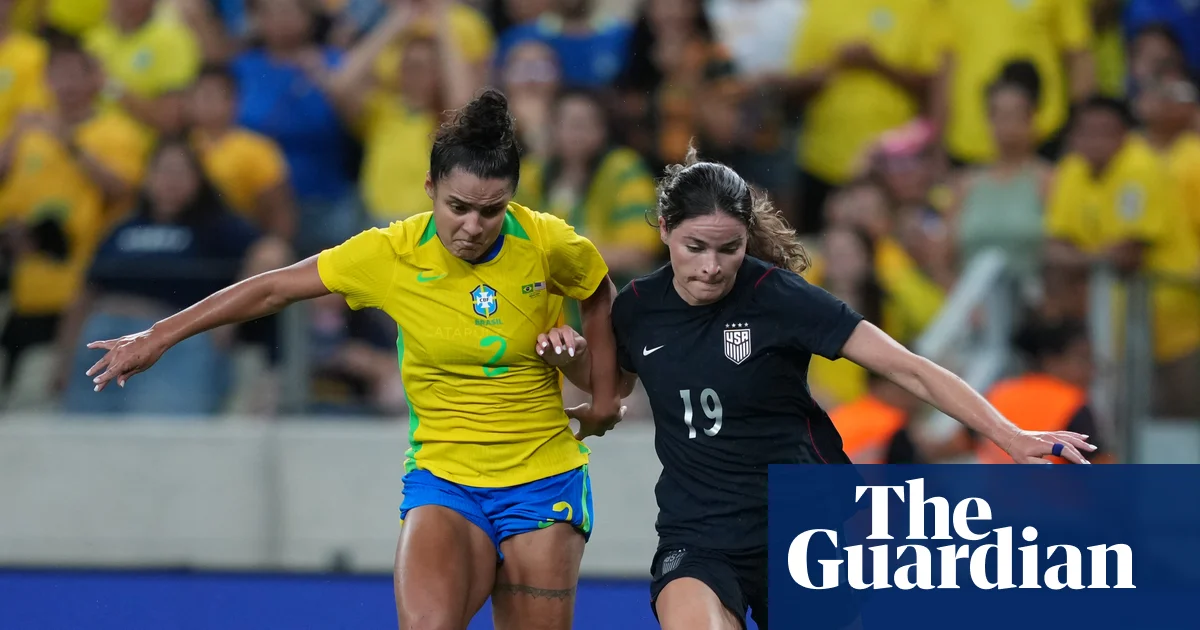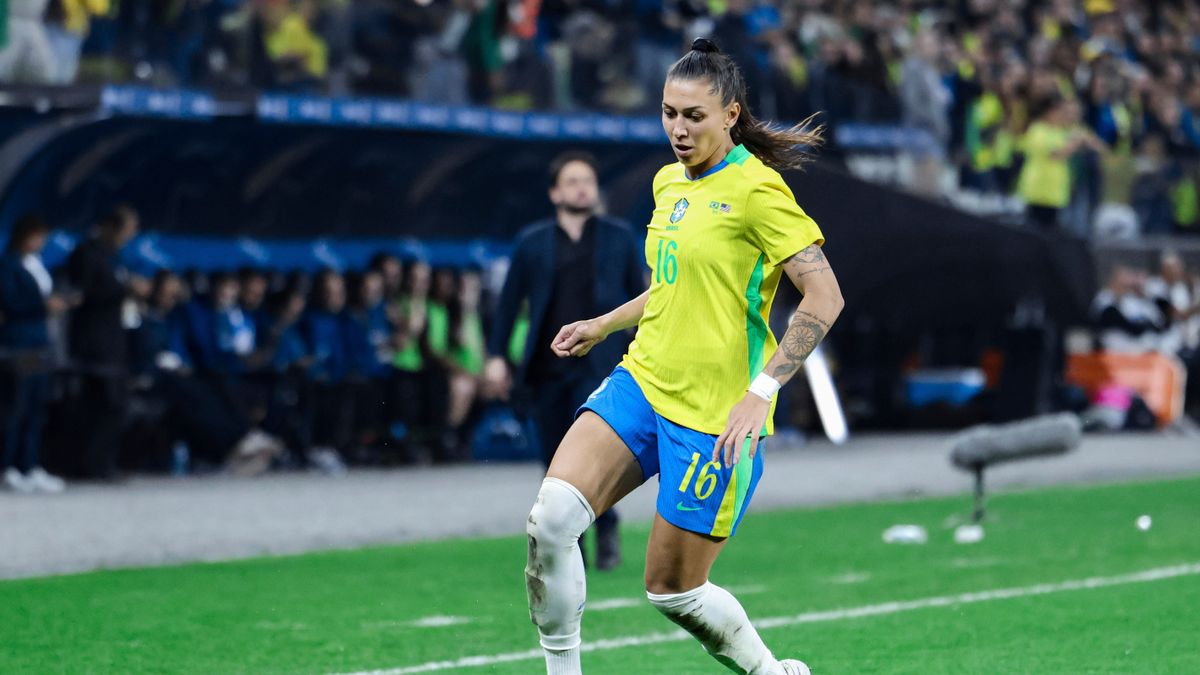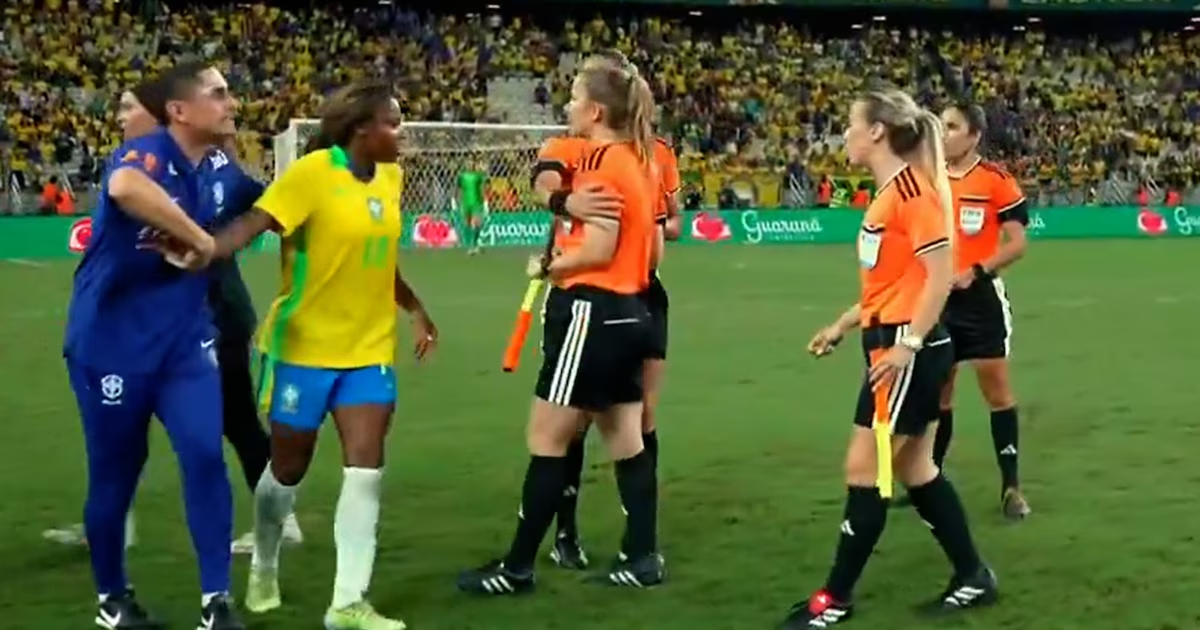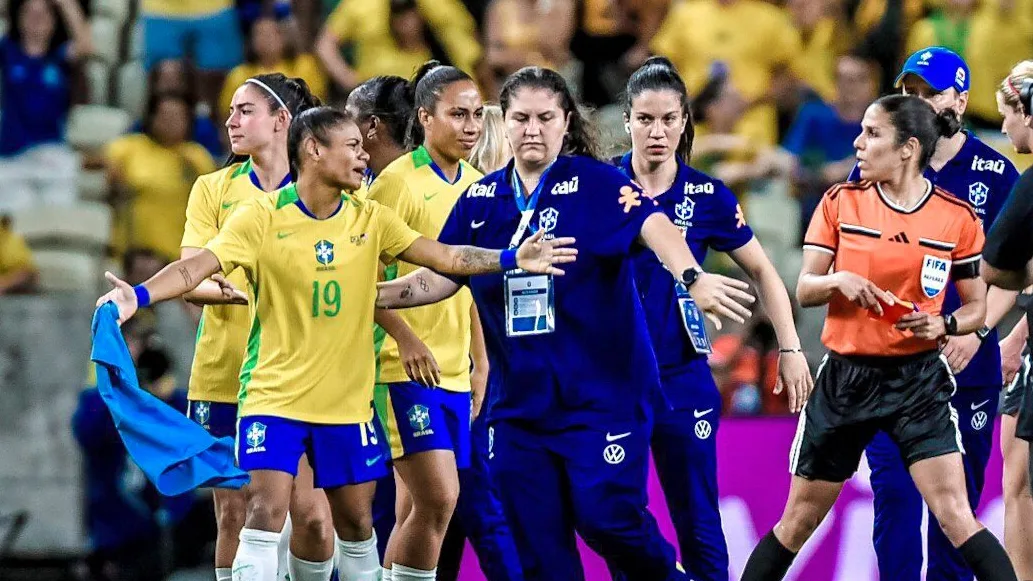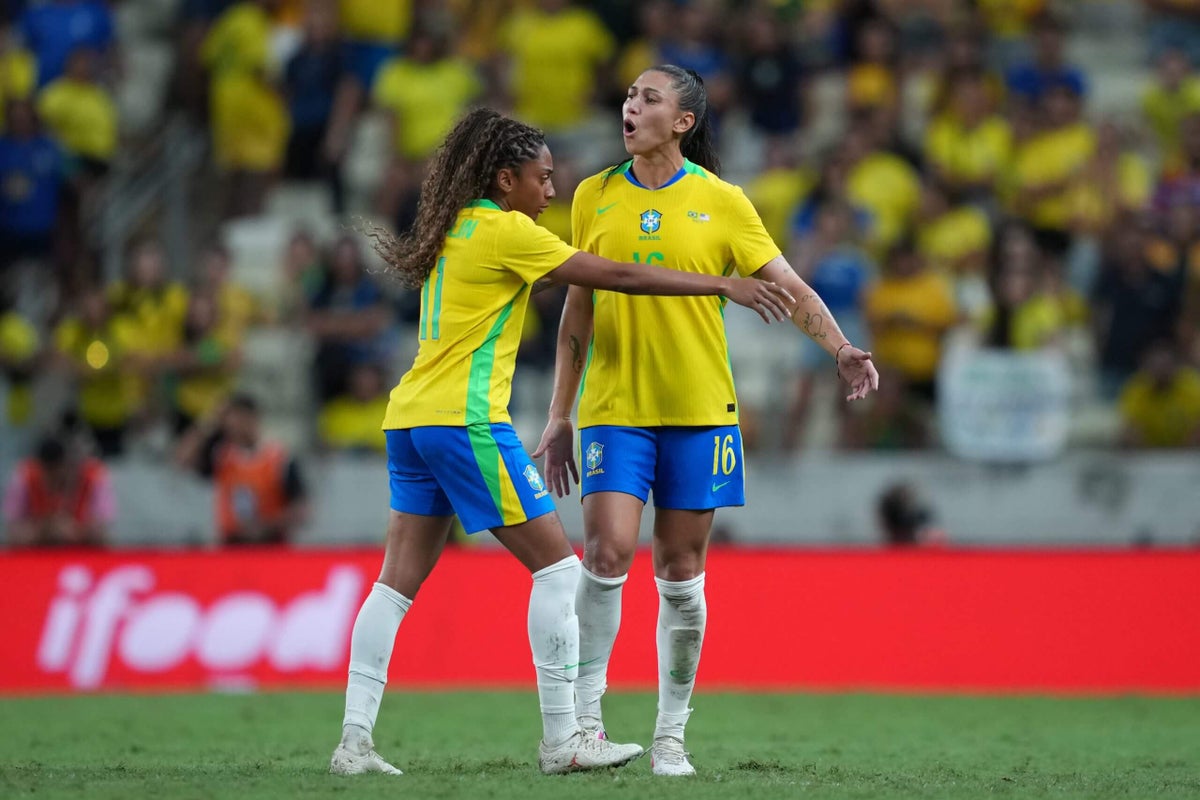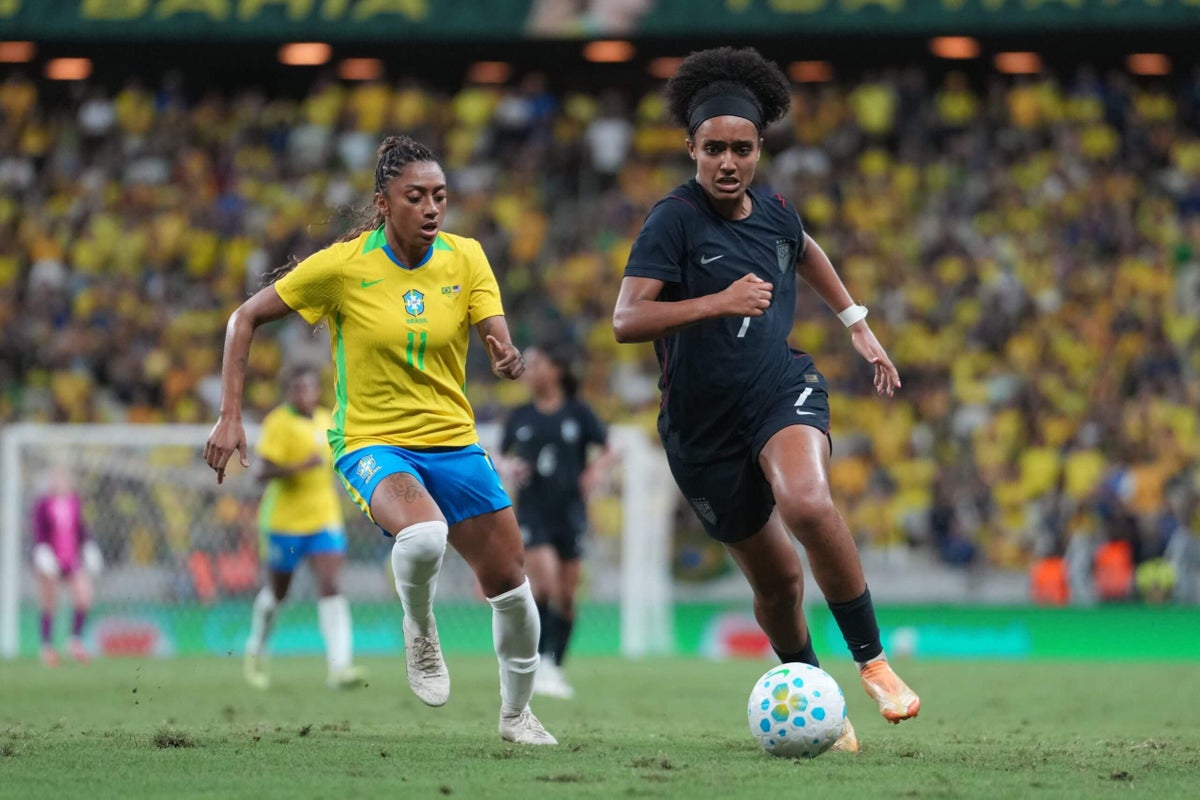
“She wanted to be the main figure of the match!”Marta did not hold back as she walked off the field Tuesday night, criticizing the officiating after a chaotic and ill-tempered 1-0 loss to the United States.“A crowd like that came to watch the game, for her to pull a farce like that,” Marta told reporters. “This kind of refereeing can’t happen, especially in a Brazil-U.S. match.”The frustration stood in stark contrast to the atmosphere that greeted the teams at Fortaleza’s Arena Castelão. A record 55,744 fans packed the stadium, creating a sea of yellow beneath the humid northeastern Brazilian sky. Before kickoff, supporters unveiled a choreographed message across the stands: Jogaremos Juntos — “We will play together.”Three days after Brazil’s historic victory over the United States in São Paulo, the mood was quintessentially Brazilian: joyful, festive and full of hope. With Arena Castelão set to host matches at next year’s FIFA Women’s World Cup, the crowd offered a glimpse of the atmosphere Brazil hopes to showcase when the tournament arrives in 2027.But what unfolded over the next 90 minutes was anything but. The match quickly became a physical and increasingly contentious affair, with Spanish referee Paola Cebollada López taking the spotlight as cards piled up and tensions escalated on both the field and the sideline.Marta was not the only player who spoke up. “This isn’t what we wanted,” Angelina said on TV Globo’s cameras post match. “It may sound cliché, but honestly, what happened here today was f—ing shameful. The referee has no idea what’s going on out there on the field. VAR apparently did not work, they don’t check anything. One of our players gets stepped on and nobody reviews it. Then there’s a challenge/push, and suddenly she wants to start sending our players off. It’s really difficult.” The 26-year-old midfielder who plays for Orlando Pride was also critical of the USWNT players.“It’s a huge lack of respect, both from the refereeing and from some of their players as well. They talk and talk and talk, but when it comes down to it, when there are no cameras around, they’re the ones talking all kinds of trash on the field too.”The situation on the field escalated within the first 20 minutes of the match. Rose Lavelle was booked early for a professional foul that halted a promising Brazilian attack. Five minutes later, Brazil’s winger Gio Garbelini also received a yellow card. The game’s physicality took a more serious turn around the half-hour mark when Brazil forward Dudinha collided with U.S. center back Emily Sonnett and had to be stretchered off with an apparent injury. She was replaced by Bia Zaneratto, who would later become one of four Brazilian players sent off during a chaotic finish.The tension extended beyond the players. Early in the match, Lopez instructed Brazil coach Arthur Elias to change his navy-colored coaching attire, ruling that it was too similar to the United States’ jerseys. When Elias returned wearing a white training bib, he conspicuously flashed it toward the referee in apparent protest. Lopez responded immediately, booking him for dissent.Brazil coach Arthur Elias clashed with the referee. (Brad Smith / USSF / Getty Images)“What I experienced down there was, for me, the match in which I was most disrespected by an officiating crew in my entire life, especially by the assistant referee who was right next to me and by the referee herself,” Elias told reporters post match. He also criticized the officiating crew’s communication, claiming the Brazilian fourth official was repeatedly ignored by the Spanish referees. He said the issue occurred in both matches against the U.S., adding that assistant coaches Rejane and Débora experienced similar treatment when attempting to communicate with the officials.The decisive moment arrived in the 63rd minute when Sophia Wilson’s long-range effort took a deflection off defender Isabela and looped over goalkeeper Lorena. Officially ruled an own goal, it gave the United States a 1-0 lead and sparked a dramatic unraveling for Brazil.Tensions between Elias and the officiating crew continued to escalate throughout the second half. In the 77th minute, the Brazil manager received a second yellow card and was ejected after kicking the ball away in protest. By the end of the night, Brazil’s players and staff had accumulated eight red cards. Kerolin and Ludmila were both dismissed after the final whistle for dissent, capping one of the most ill-tempered matches of Elias’ tenure.“I was not the only one who was disrespected,” he said. “The players were disrespected, the Brazilian national team was disrespected. I believe that affected the outcome of the match.” Elias also referred to Lopez’s actions as “xenophobia.” While he was critical of the referees, he congratulated the US side for the win. “The United States came, played a great match, and has a coach who prepared the team to handle this atmosphere,” he added.Jun 10, 2026Connections: Sports EditionSpot the pattern. Connect the termsFind the hidden link between sports terms
Brazil outraged after red cards in USWNT defeat: ‘The players were disrespected’
A chaotic and ill-tempered game Tuesday night saw Brazil received eight red cards.
822 words~4 min read