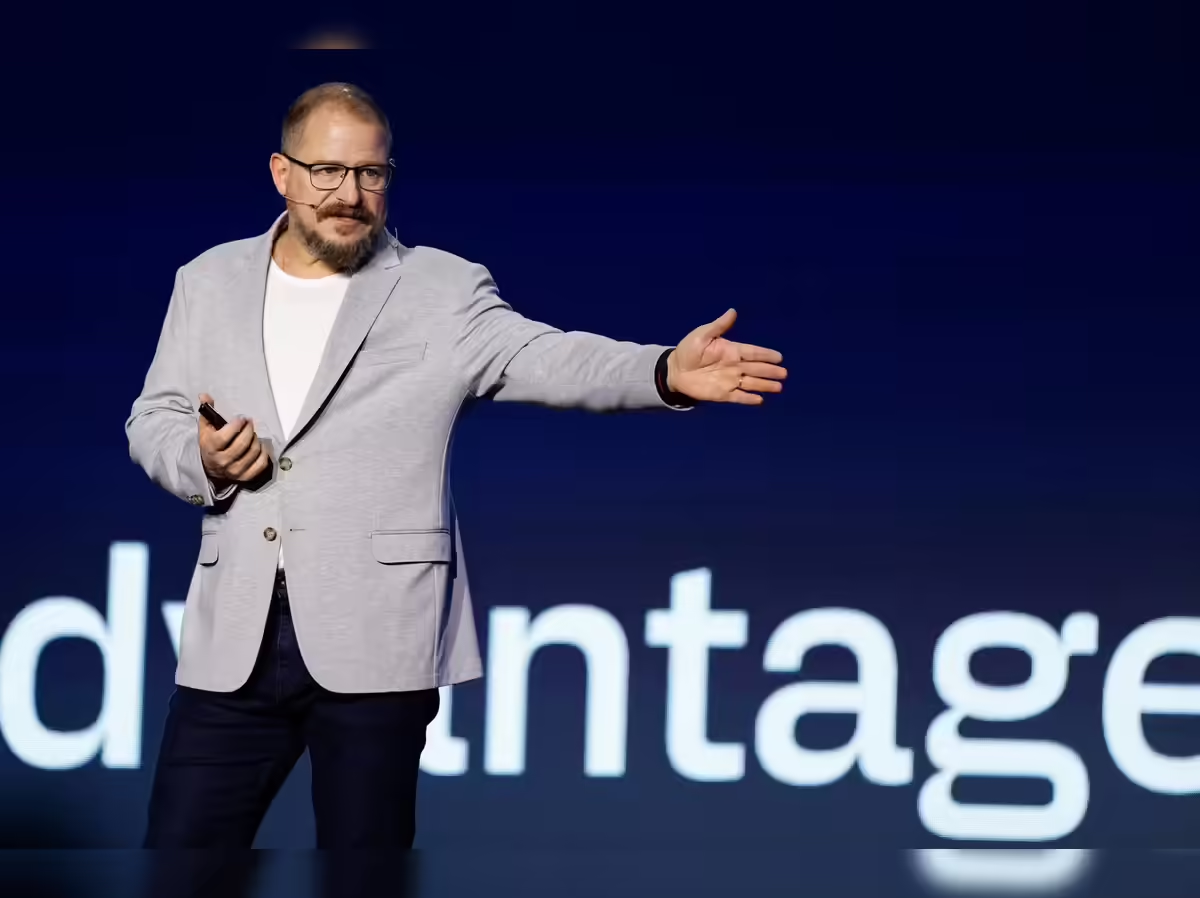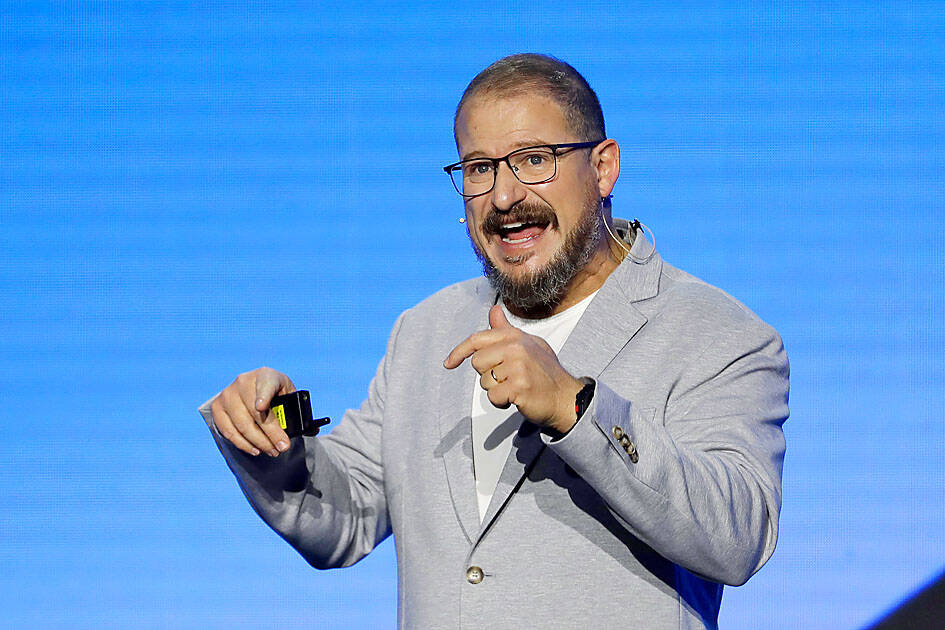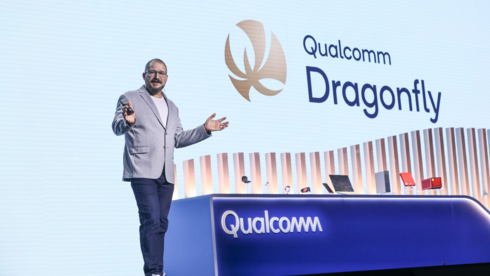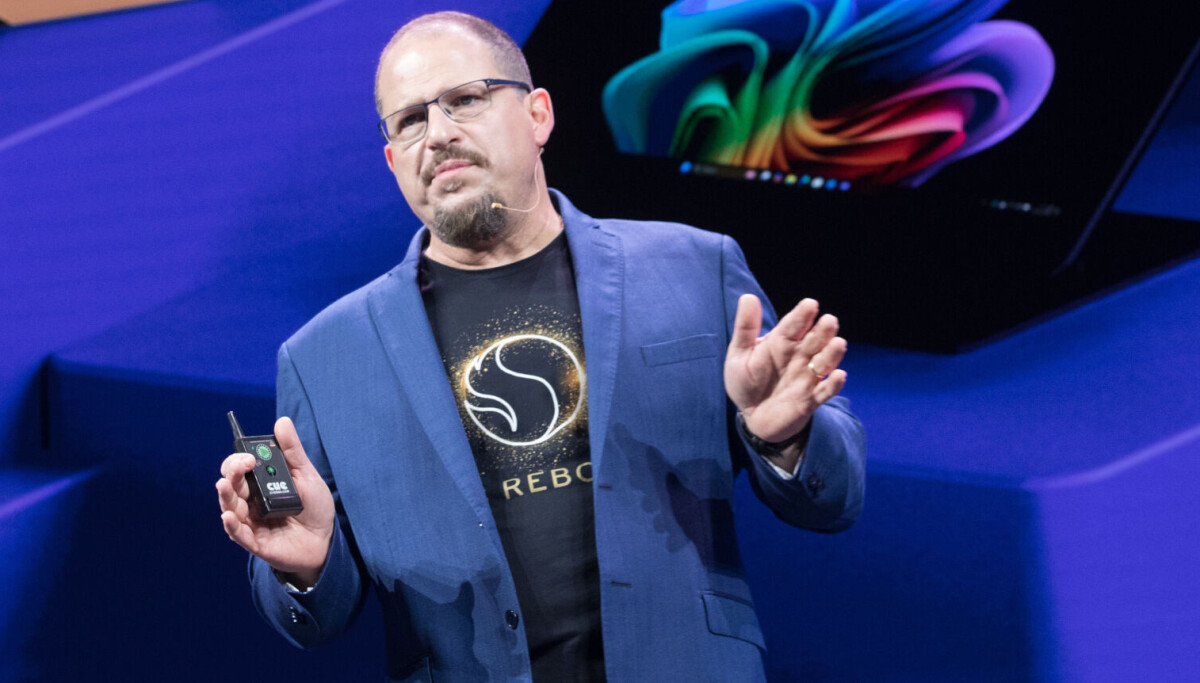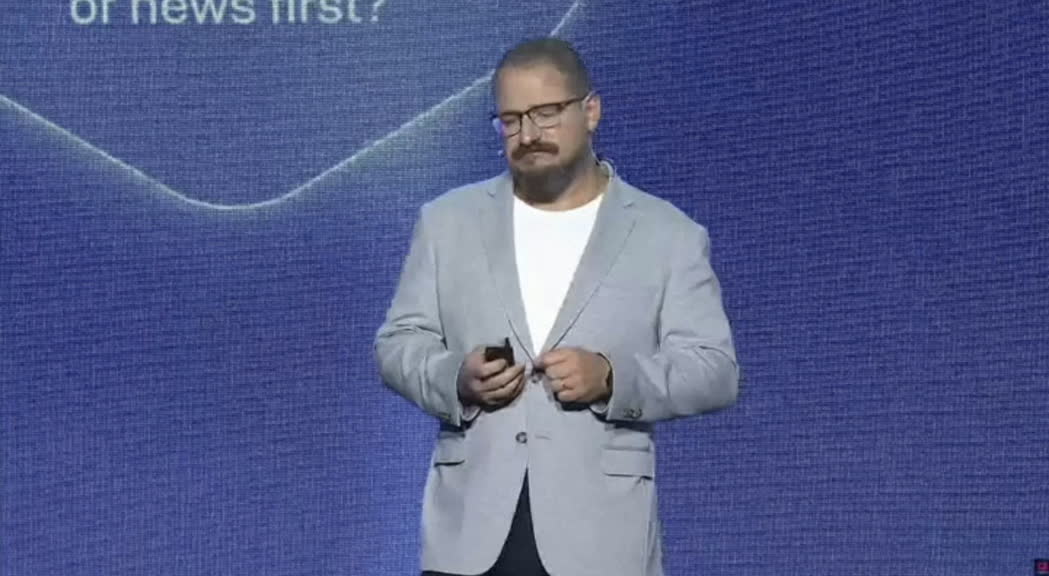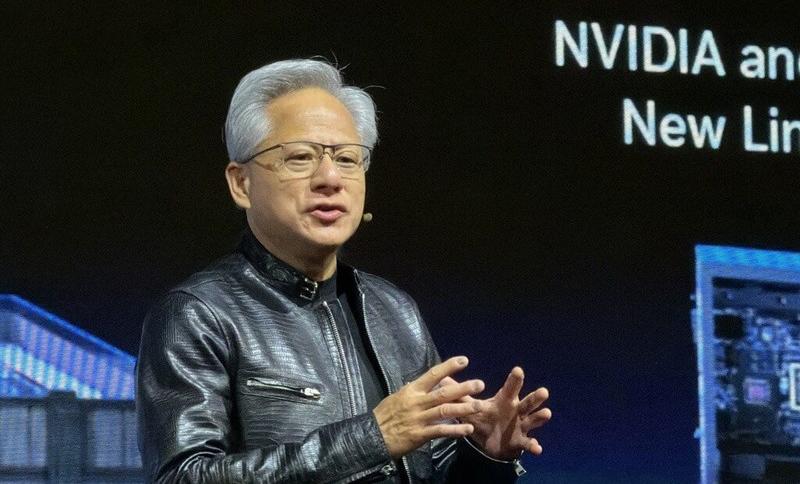
Delivering his inaugural keynote address Monday at the five-day event, Cristiano R. Amon, President and CEO of Qualcomm, a leading US-based semiconductor and telecommunications equipment company, said the “era of agentic AI has officially arrived”, and that people will increasingly come to depend on AI agents at home and workplace to filter information, handle daily chores, get personal updates and plan their activities.Jensen Huang, the founder and CEO of US-headquartered NVIDIA, one of the world’s most valuable tech companies, introduced Vera Rubin, a multi-rack pod-scale system built to process agentic AI at scale.NVIDIA Vera Rubin tray on display at a “meet the press” event on the sideline of Taiwan’s annual tech show COMPUTEX in Taipei, Taiwan June 2, 2026. REUTERS/Ann Wang
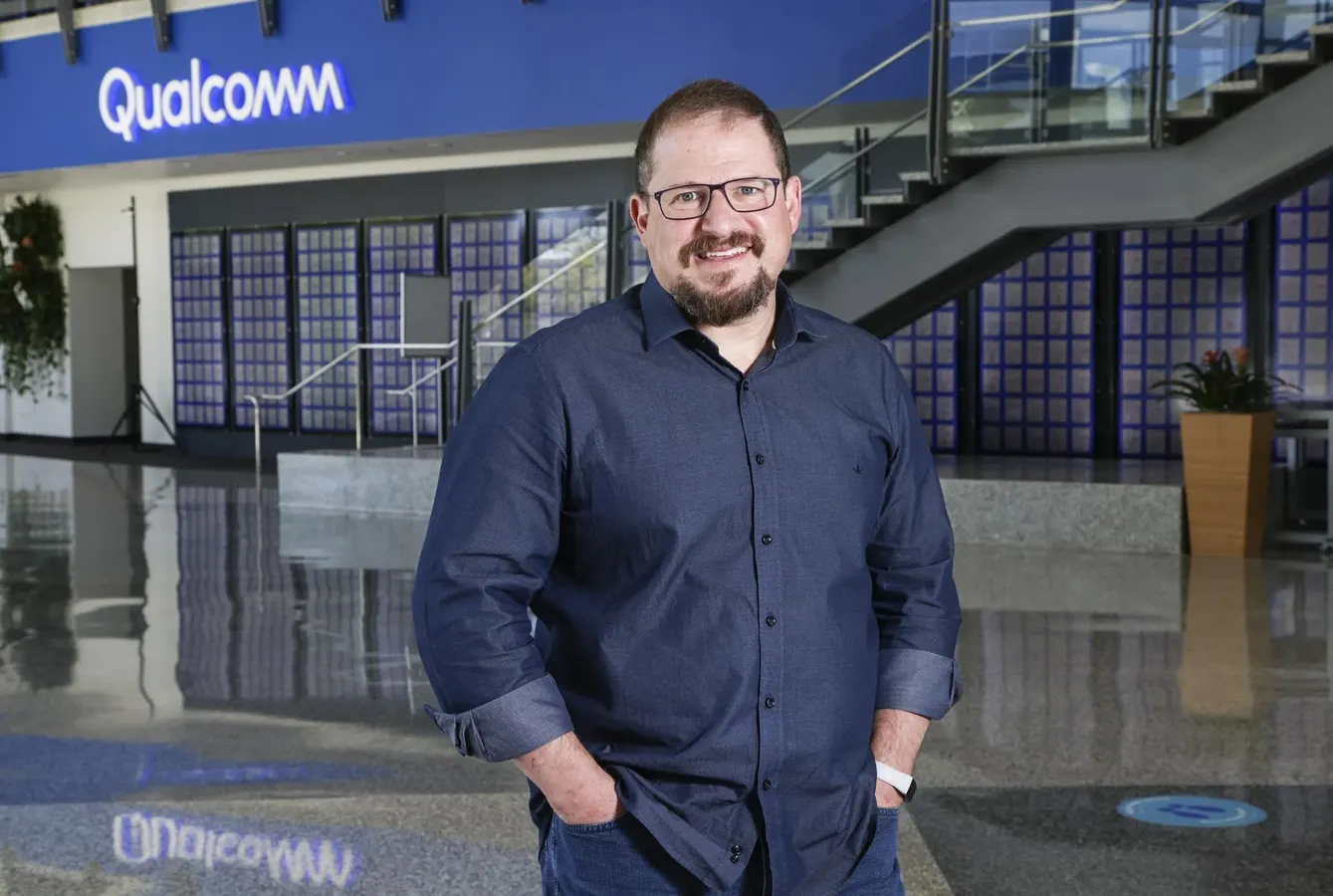
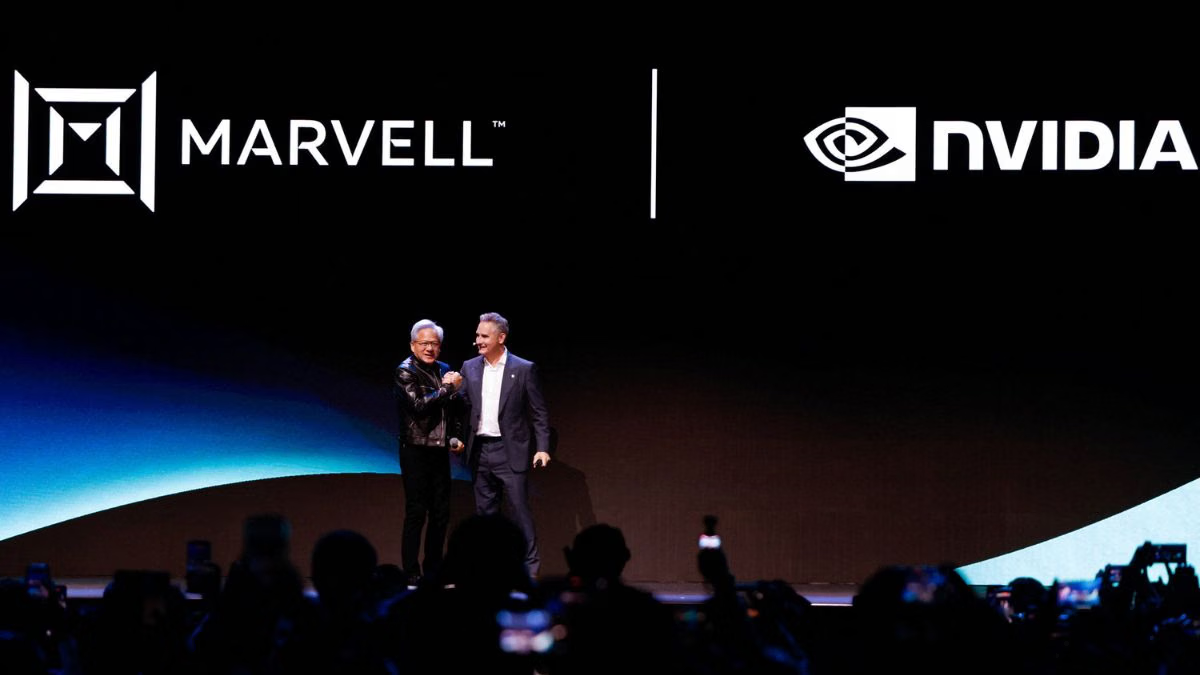
Speaking alongside Matt Murphy, CEO of US chipmaker Marvell Technology at COMPUTEX Tuesday, Huang said that agentic AI will fuel demand for AI hardware.“It’s the reason why your (Marvell Technology) and my (NVIDIA) demand are going through the roof,” Huang said jokingly. “And the computing pattern that makes it possible is called agents. These agents have a particular computing pattern that is disaggregated and distributed.”The Qualcomm CEO explained more elaborately how agentic AI will change the way we work.“At home, you can have agents that are going to basically update everyone about your activity in your schedule; all the things you need to do at work will be with you… all the projects that you need to do, what are the tasks that you need to do, it flags the decision, and it is going to be working with you,” Amon said in his address at the Nangang Exhibition Centre. “And in your personal life, it will give you information that is relevant to you, all the updates that you need, work in your schedule.”The Qualcomm CEO added that 2026 is going to be the year of “agents”.“Everything is going to be a little different. It is going to feel more autonomous. It is going to feel more personal and it is going to feel really like a companion.”Agentic AI, according to Amon, is going to change the human-computer interface and, as a consequence, will change the architecture of all our personal computing devices.“It is going to get to an incredible amount of scale that has evolved from simply answering prompts in work as a tool that augments how we as humans work with our computers into something that can take action on their own,” he said.With agentic AI, your mobile phone will not be at the centre of your digital life, the CEO said. “Those agents become the centre of your digital experience. It is not about an extension of the phone. The digital ecosystem is no longer at the phone itself and ioS and the applications… Those devices become endpoints for agents and agents are not trapped or attached to a single ecosystem.”Cristiano R. Amon, President & CEO of Qualcomm | Moushumi Das Gupta | ThePrint