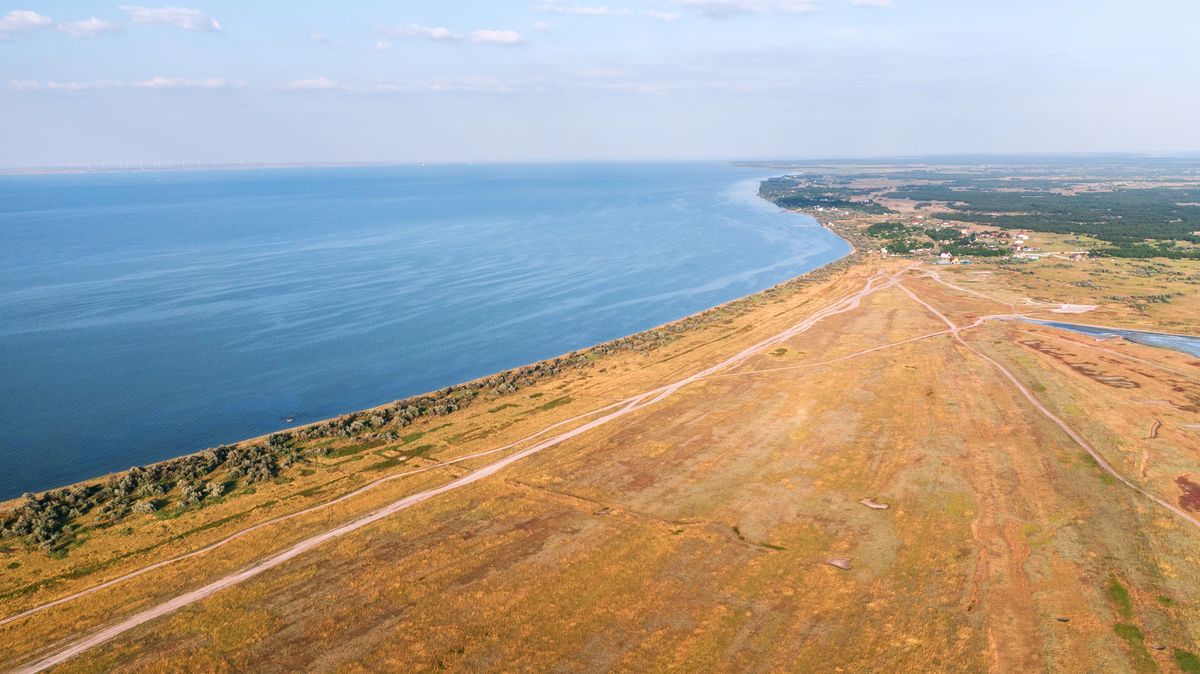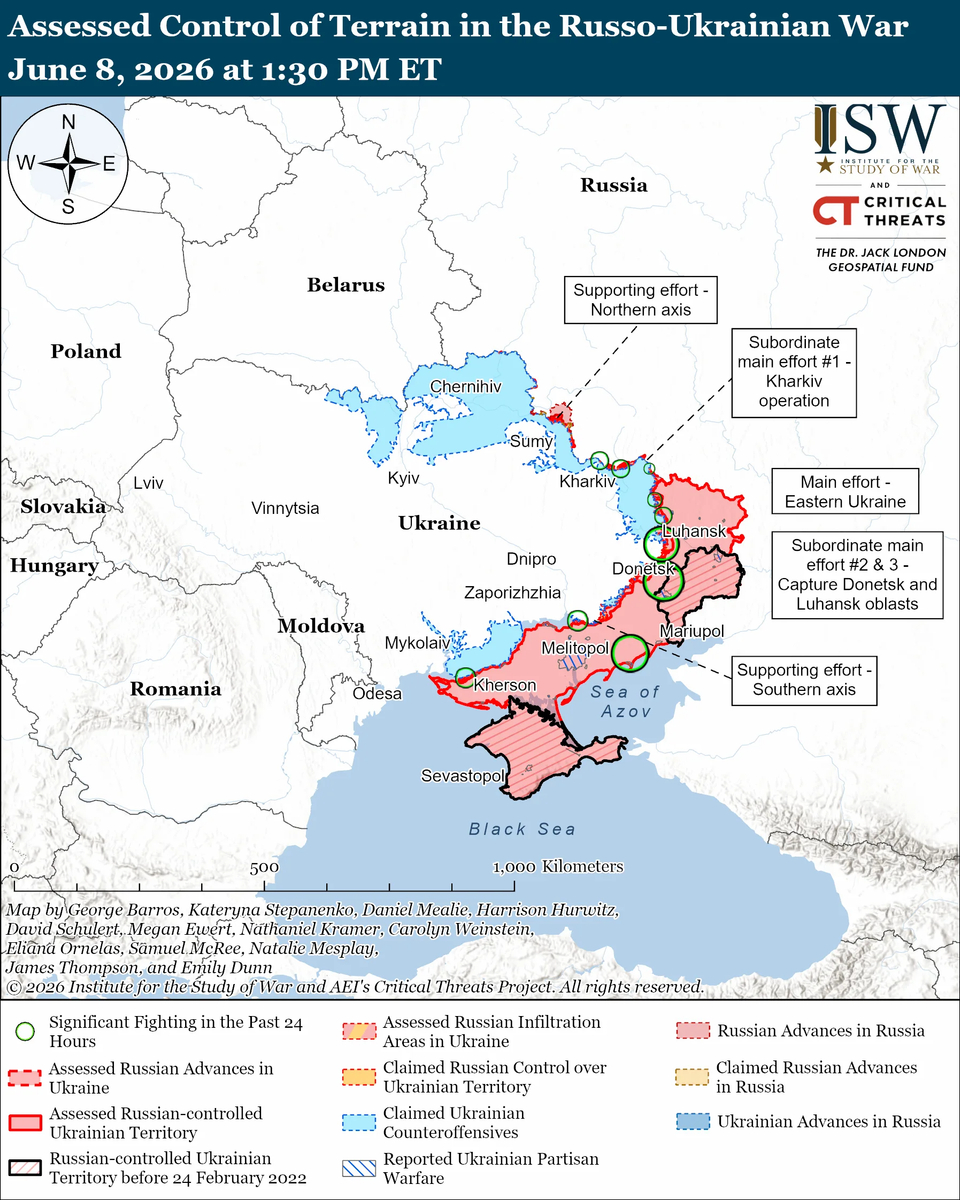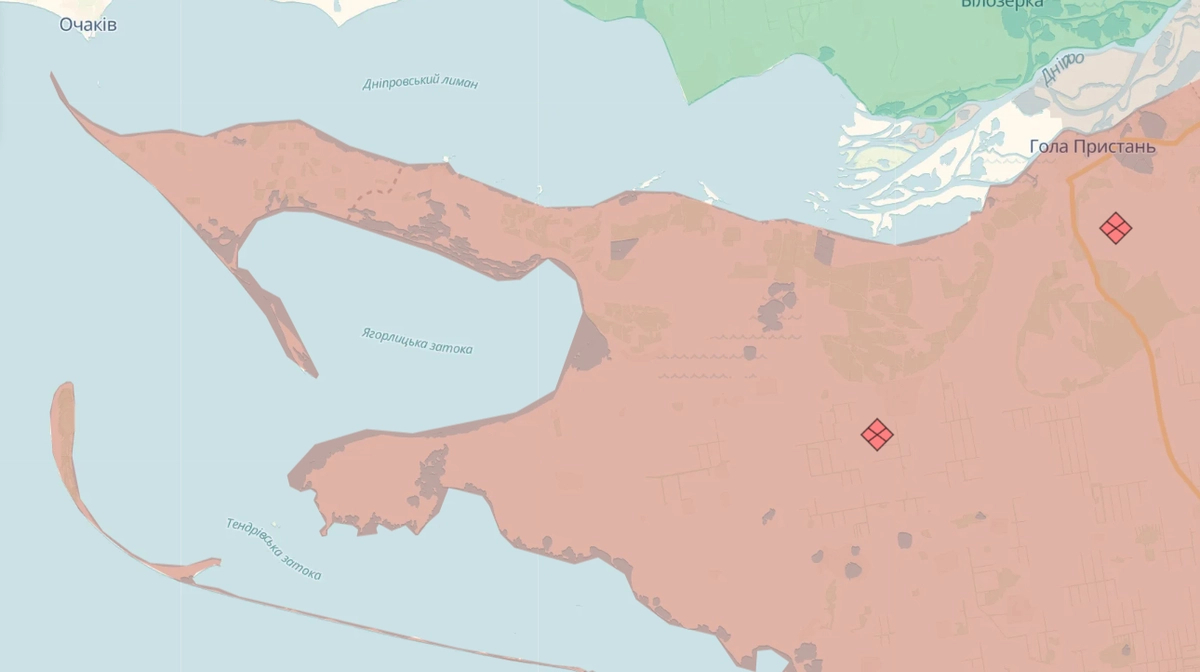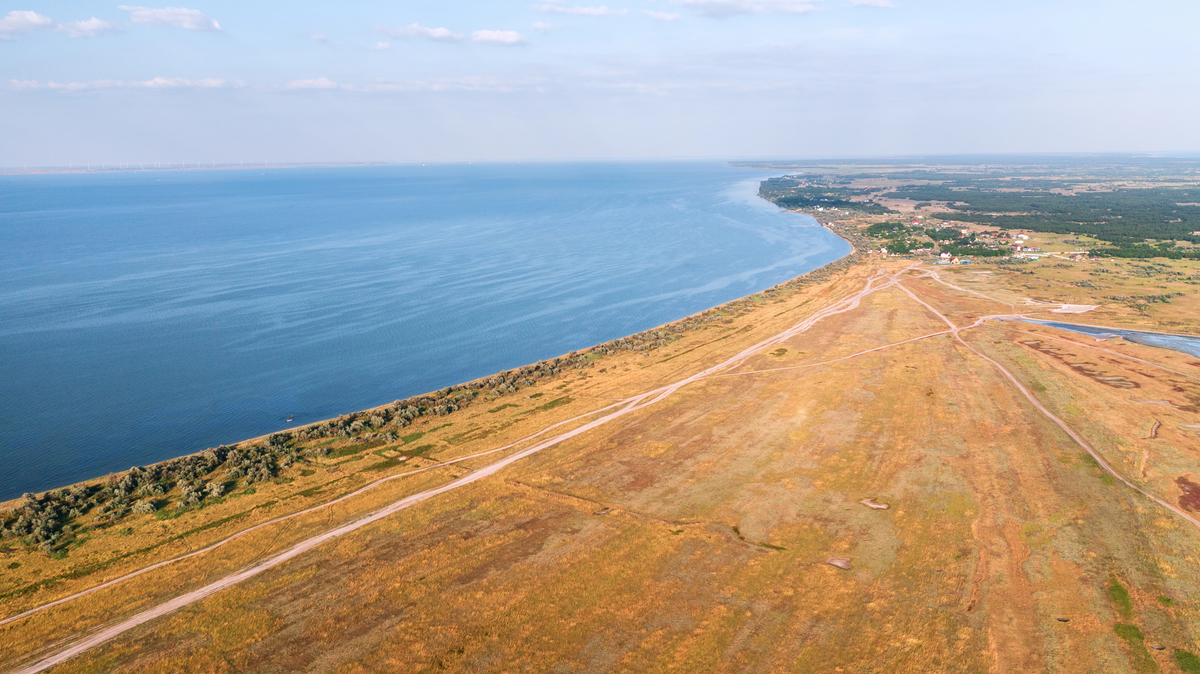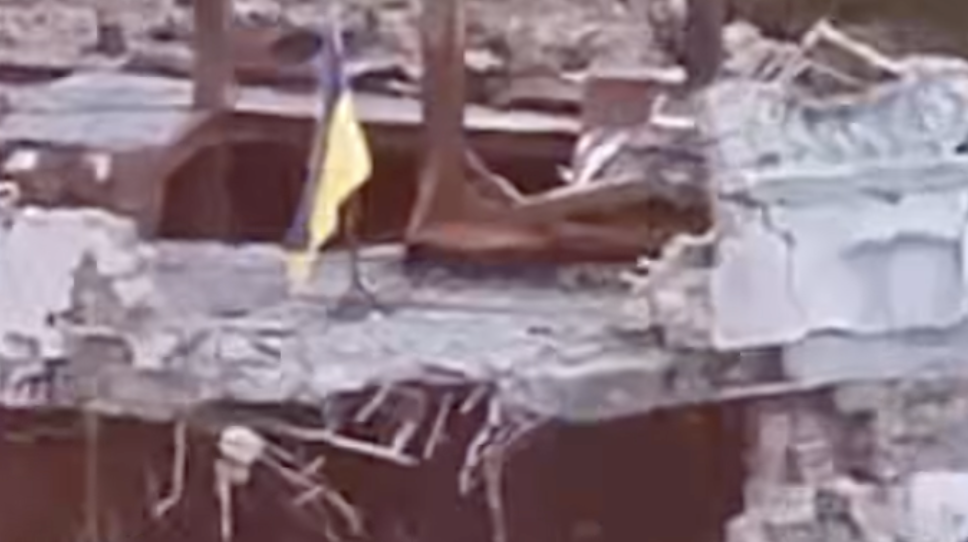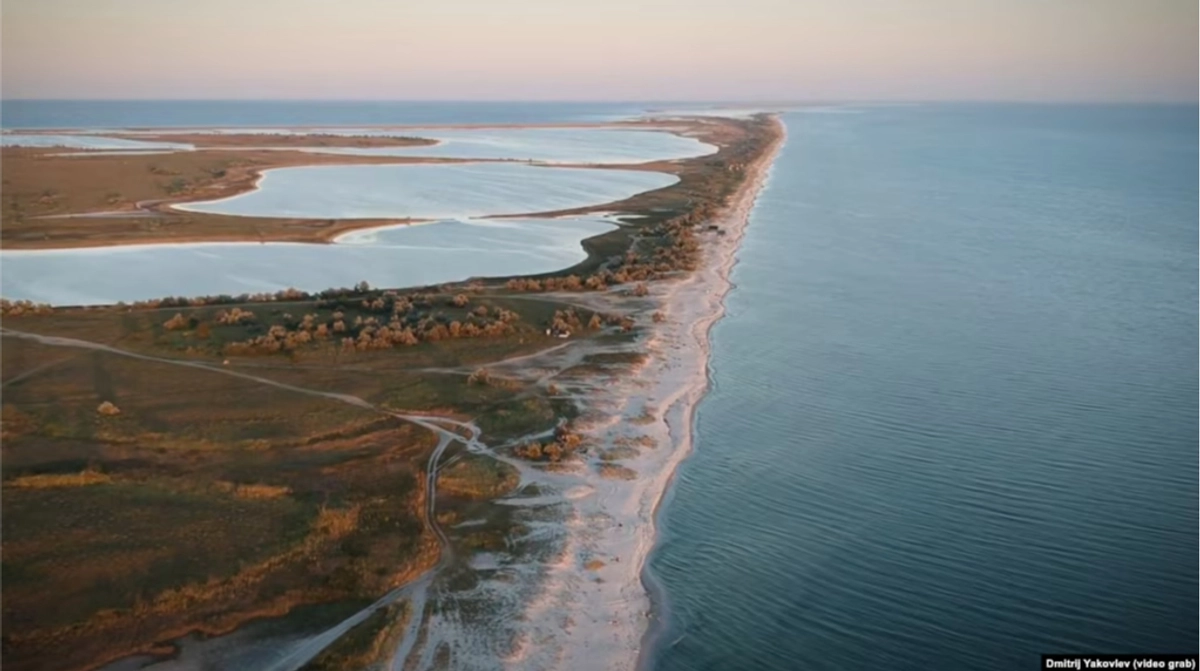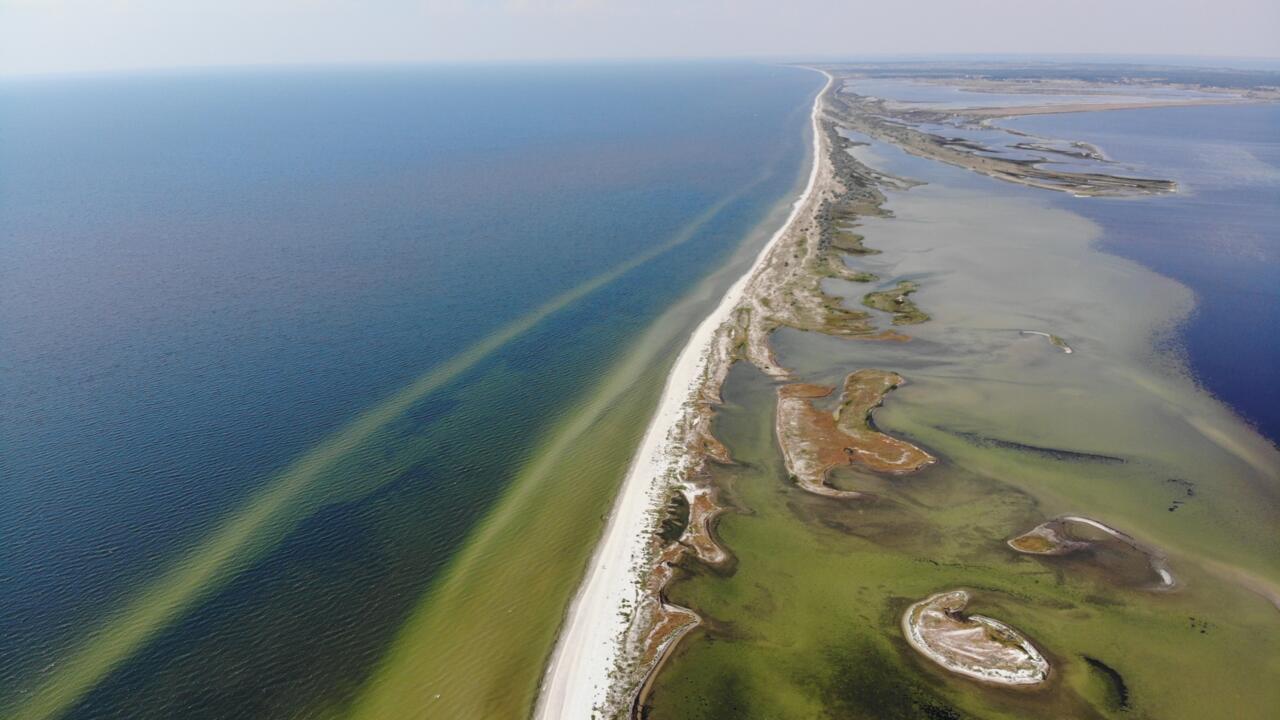
On June 8, two days before Russia would have celebrated its four-year anniversary of the capture of the Kinburn Spit – Moscow’s westernmost military position in Ukraine – a member of the Crimea-based Ukrainian partisan group Atesh had astonishing news to report: Russian troops seemed to have abandoned the disputed land strip between the Dnipro-Bug estuary and the Black Sea, located on the tip of the Kinburn Peninsula, northwest of Crimea. The main reason, the agent reported, was that their supplies had been “completely disrupted” by Ukrainian drone strikes. Vital deliveries of ammunition, fuel and food had come to a total standstill, said the agent, who was cited by the Institute for the Study of War (ISW) and Ukrainian media outlets, and most members of Russia’s 337th VDV Regiment had been redeployed elsewhere. A relic of Russia’s initial plans for Odesa Russia has not confirmed the reported loss of the 10-kilometre-long sandbar, which at its base measures around 4 kilometres in width, and at its peak, some 100 metres. Yet in 2022, after Russia launched its full-scale invasion of Ukraine, the Kinburn Spit became a strategic priority for Kyiv because it lies at the mouth of the Dnipro River – between the Dnipro-Bug estuary and the Black Sea, south of Kherson – and controls access to the key port of Mykolaiv and nearby Ochakiv, while allowing artillery and missile attacks on Ukraine’s southern coast.
Has Russia given up on Kinburn Spit, its westernmost foothold in Ukraine?
At the start of the war in Ukraine, the Russian capture of Kinburn Spit – a narrow piece of land that holds the key to several Ukrainian ports – was hailed as one of Moscow’s most significant victories…
1,025 words~5 min read