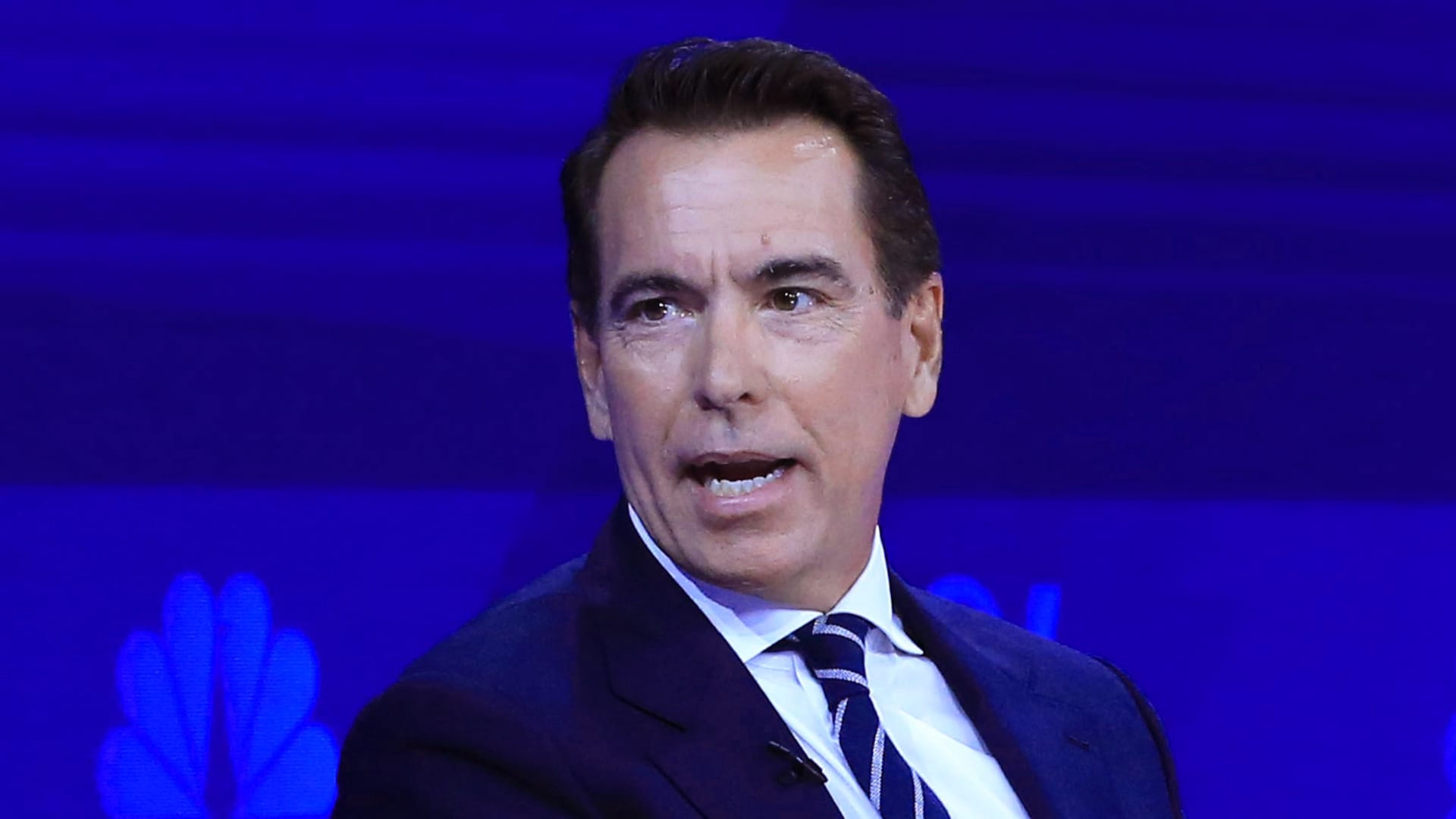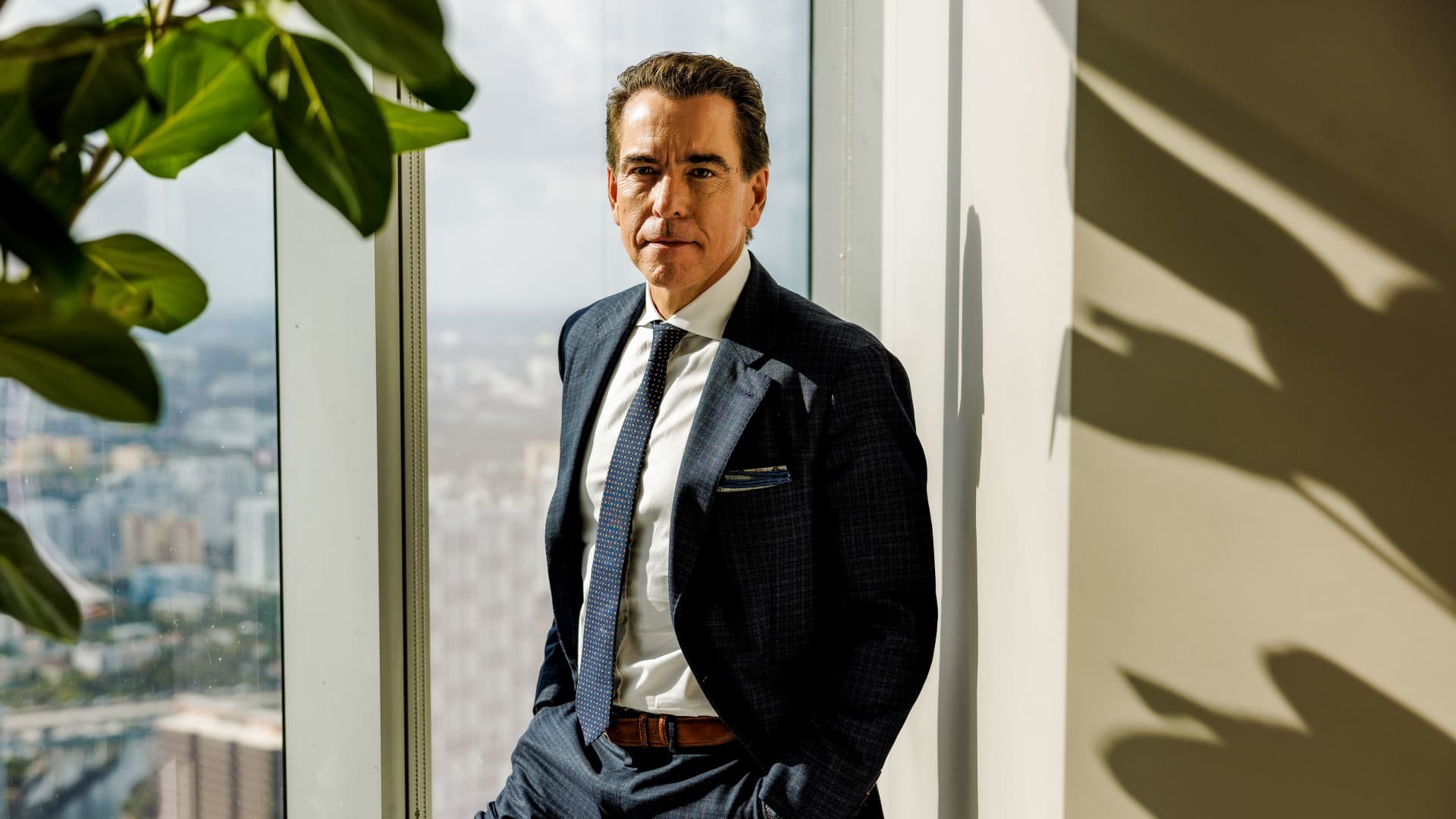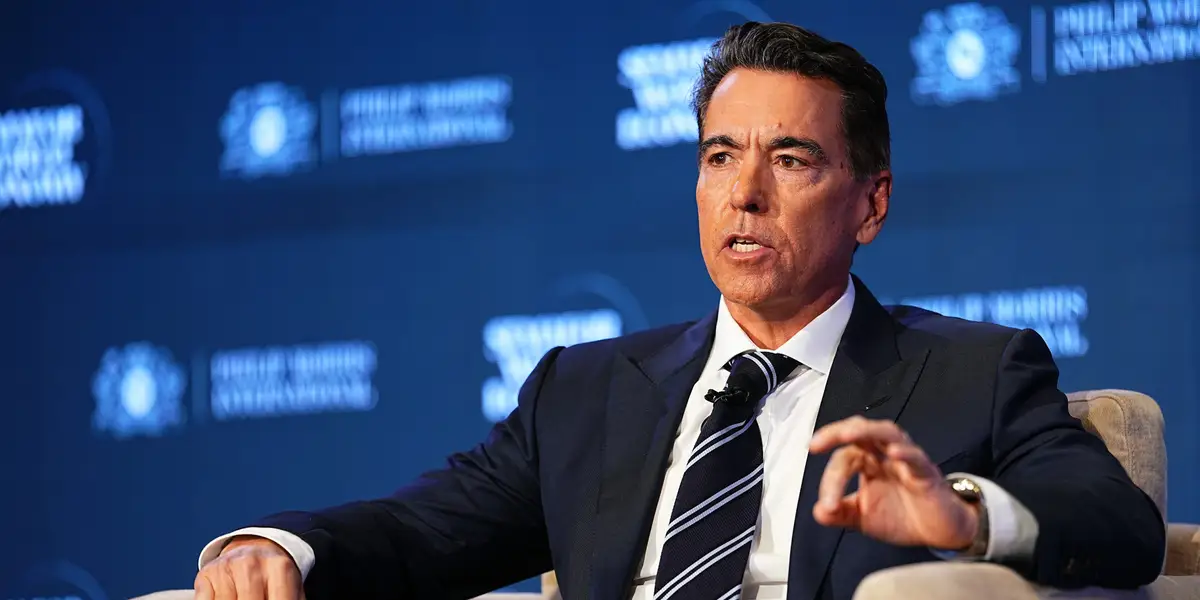
Orlando Bravo said he has to hire more junior employees for the first time in his career.
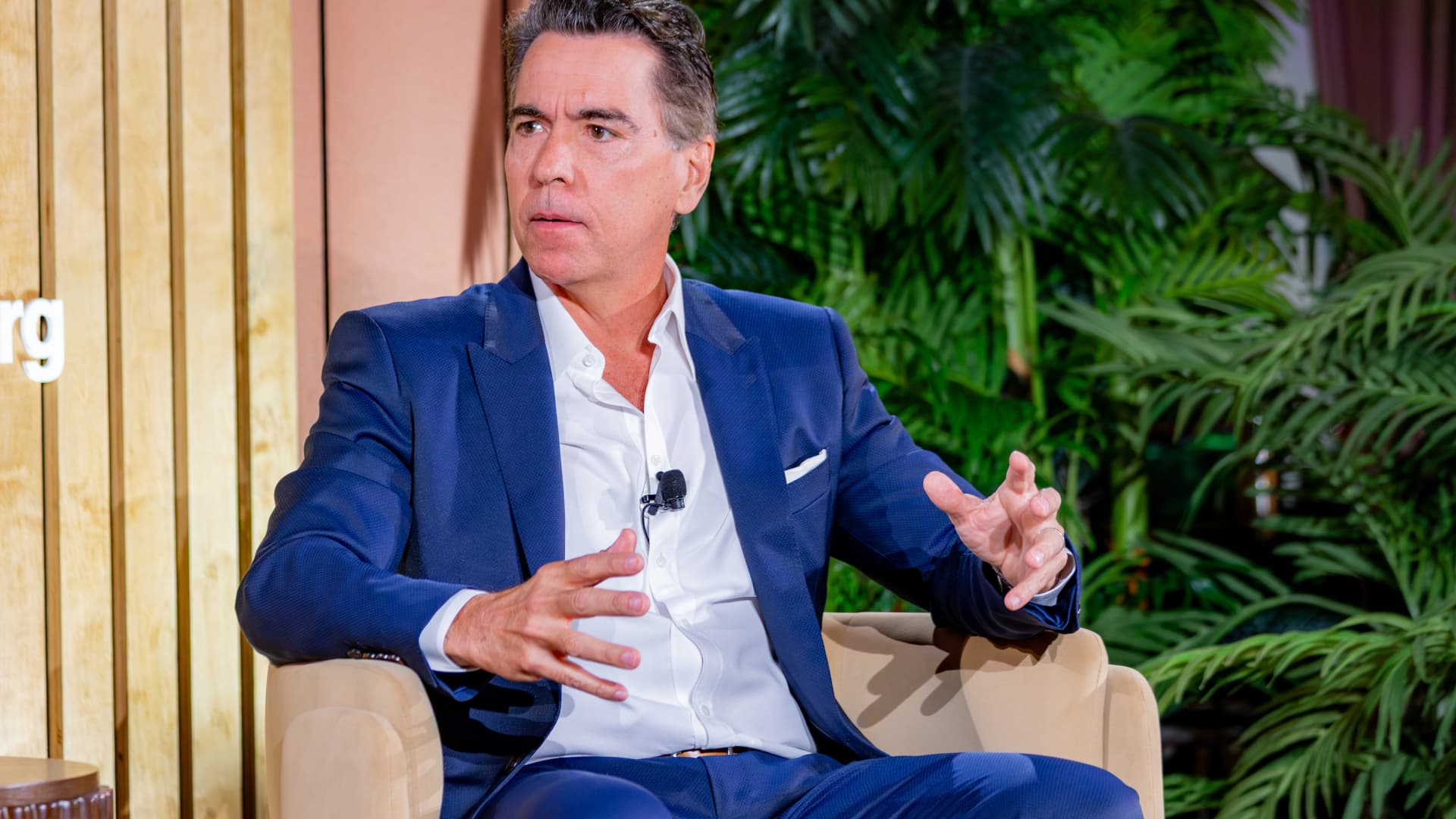
AI might mean the end of the frantic 2 a.m. email from the boss.Orlando Bravo, the billionaire founder of software-focused private equity firm Thoma Bravo, said that AI is changing how much he relies on junior associates to perform the rote tasks that have historically kept them glued to their computers into the early hours."I bother them a lot less, because at midnight I can do something really quickly with AI, instead of calling them to do it in the middle of the night, which improves their life anyway, which is what they want," Bravo told CNBC at a conference in Berlin on Tuesday.Questions about the brutal entry-level hours on Wall Street have persisted for decades, with some employees reporting weeks exceeding 100 hours. AI tools can handle many of the time-consuming tasks that juniors on Wall Street have typically been responsible for, such as building models or pitch decks.That prospect has fueled fears that AI could reduce demand for junior employees. Still, Wall Street executives have largely framed the technology as a productivity tool rather than a replacement effort.Bravo said that associates can now focus more on higher-order thinking and investing, and that AI will generally allow young employees to "mature" faster. Employers across industries are offering entry-level employees the chance to work on bigger, more advanced projects, creating both opportunity and a steeper learning curve. He rejected the notion that the technology will automate associates out of a job, saying that the opposite is true at his firm, which employs around 220 people. He said he feels the need to hire more people for the first time in his three-decade career in private equity."If you define the role of an associate as just doing a spreadsheet, you don't need that, but our associates are now calling on companies a lot more, they're developing relationships with CEOs, and we need a lot more of them," he said.