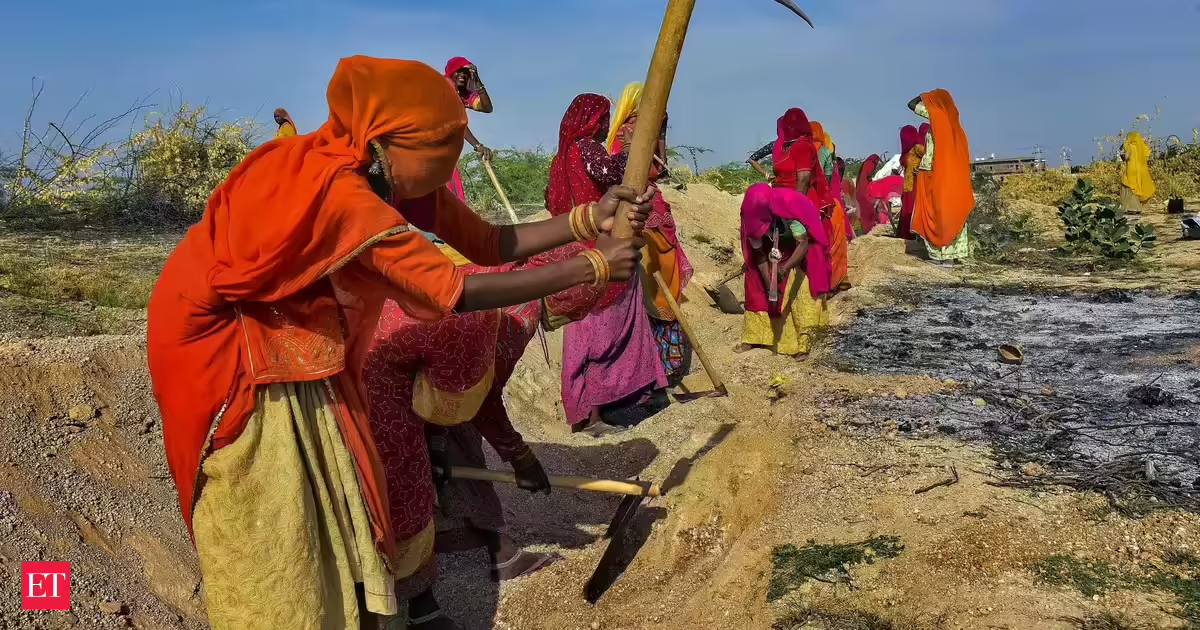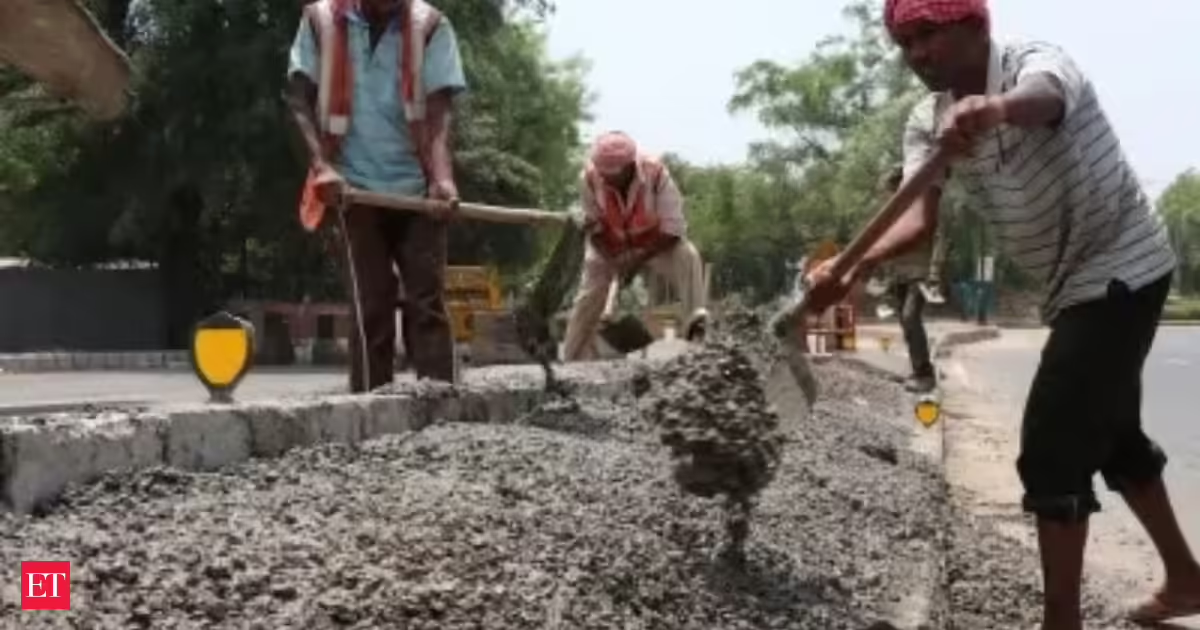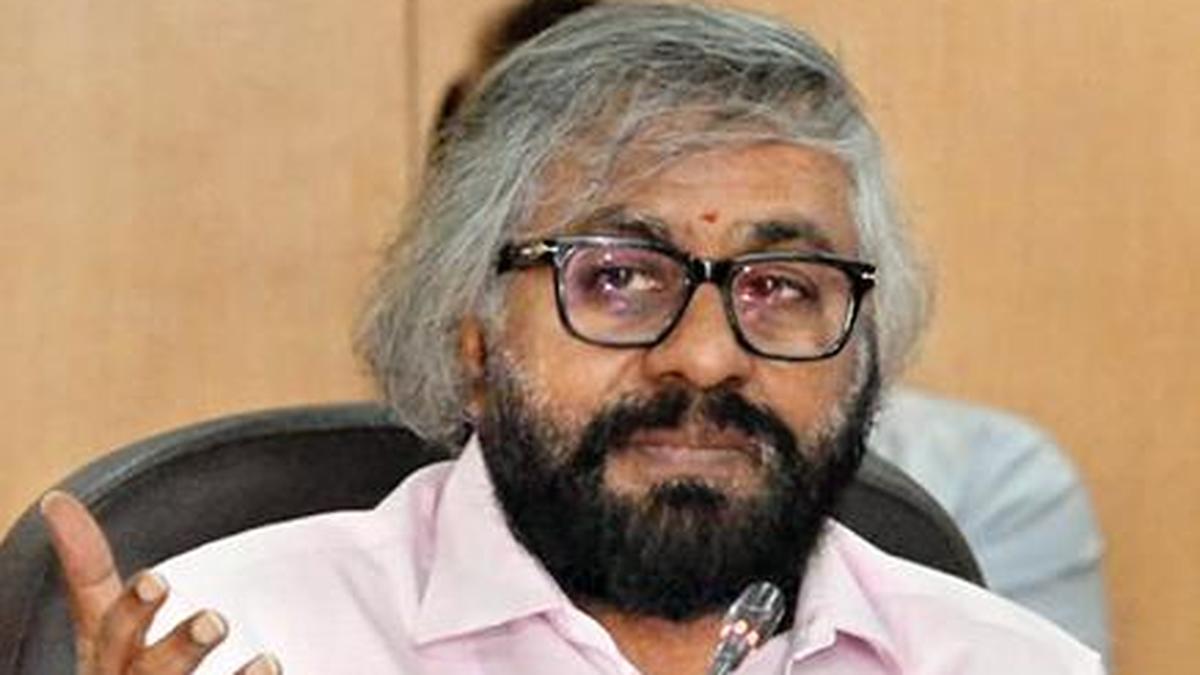
With the Viksit Bharat - Guarantee for Rozgar and Ajeevika Mission (Gramin) Act (VB-G RAM G), 2025, set to roll out nationwide from July 1, the Karnataka government is preparing to raise concerns over the 60:40 fund-sharing model, minimum wages, the proposed 60-day pause window, and what it sees as inadequate powers being granted to States under the draft rules. Minimum wagesMinister for Rural Development and Panchayat Raj (RDPR) Eshwar Khandre told The Hindu that Karnataka had recently notified a revision in minimum wages by an average of 60%. He said the State would urge the Union government to take the revised rates into account while fixing wages for workers under the new scheme. The Minister added that the Union government had informed the State that a Central Wage Board would deliberate on the issue and that a meeting would be convened to determine the wage rates.Funding patternThe Minister said that State would further demand the Union government to reconsider the funding pattern and adopt an 80:20 model, with States contributing 20% of the funds. “The 60:40 funding model, which requires States to bear 40% of the expenditure, puts an excessive burden on them at a time when they are already under considerable fiscal stress,” Mr. Khandre said. Karnataka is among the four States, along with Mizoram, Telangana, and Jharkhand, which is yet to submit the procedural details sought by the Centre. On June 9, Union Rural Development Minister Shivraj Singh Chouhan released the interim budget for the new Act, with a total allocation of ₹95,692.31 crore. Karnataka has been allocated ₹5,709.9 crore.Karnataka’s expenseMr. Khandre pointed out that under the proposed funding arrangement, Karnataka would be required to contribute close to ₹3,800 crore towards the scheme. “This will require a separate budgetary allocation, which has not been made so far. The matter will also be discussed with Chief Minister D.K. Shivakumar to request a separate allocation,” he said, acknowledging that the given funds are not sufficient and that extra burden in case of demands would again be pushed on to the State.The State will also object to the proposed 60-day pause window during which all VB-G RAM G works would be suspended, as envisaged in the draft rules.“Since 2006, when MGNREGA was implemented, work has been available throughout the year. Why should there be a pause now?” the Minister asked. He argued that it runs contrary to the objective of providing continuous livelihood support. “Workers need employment throughout the year. Any provision that risks distress migration must be reconsidered,” he said. Greater autonomyThe Minister further argued that while the draft rules suggest that works under the new programme would be taken up based on “national” priorities identified by the Union government, Karnataka would seek greater autonomy in deciding the nature of works undertaken within the State.“Several works that were previously permitted may no longer be available, while others will be prioritised based on what the Union government describes as national priorities. We will recommend that apart from national priority works, States be given greater authority to decide the works that best suit local needs,” he said. “In the interest and welfare of workers, we will go ahead with the implementation as directed by the Union government, but we will strongly place our demands.” Published - June 10, 2026 09:49 pm IST
VB-G RAM G: State to push for revised minimum wages, seek 80:20 funding model
Karnataka seeks revised minimum wages and an 80:20 funding model under the upcoming VB-G RAM G scheme.
551 words~3 min read