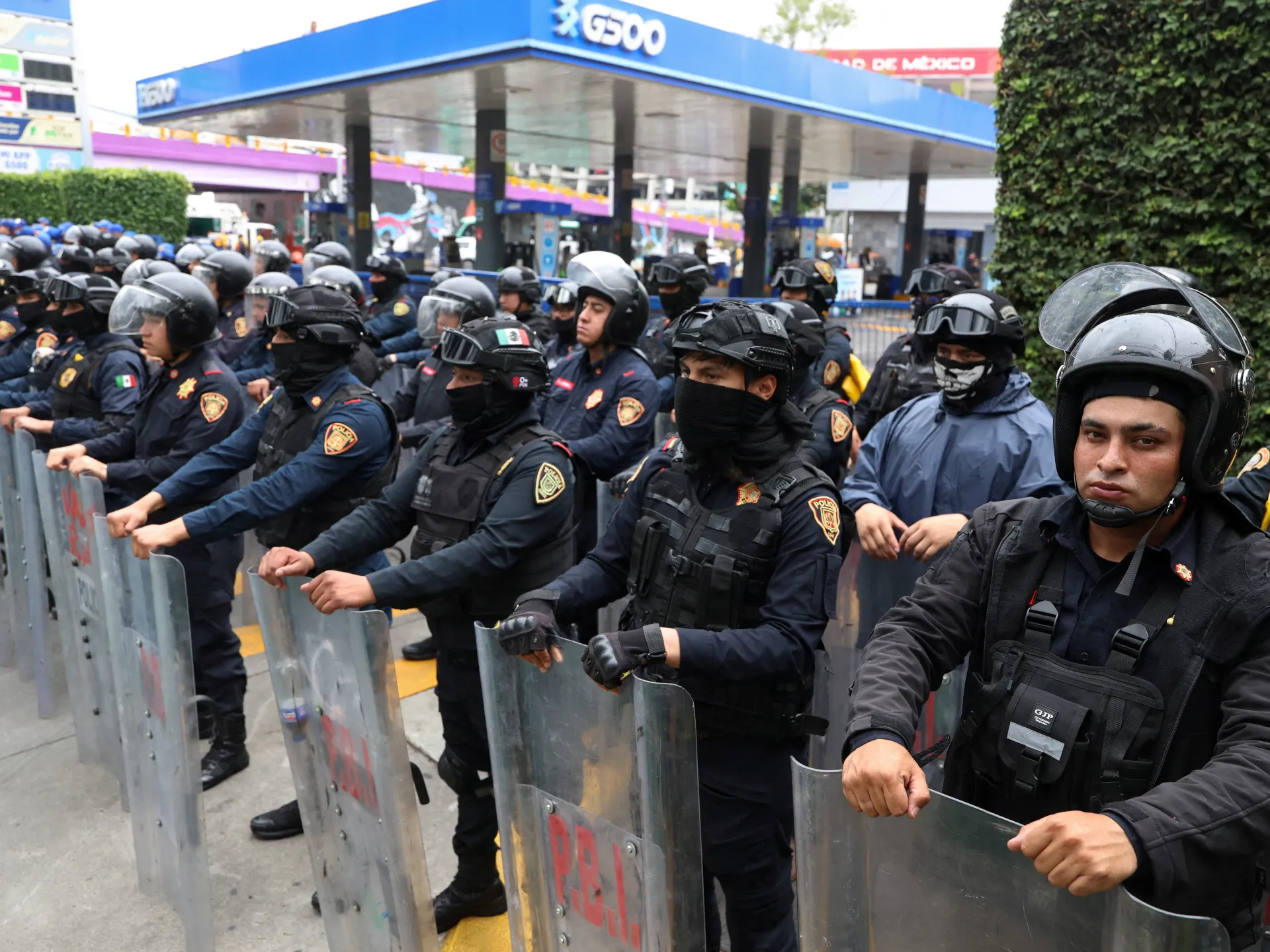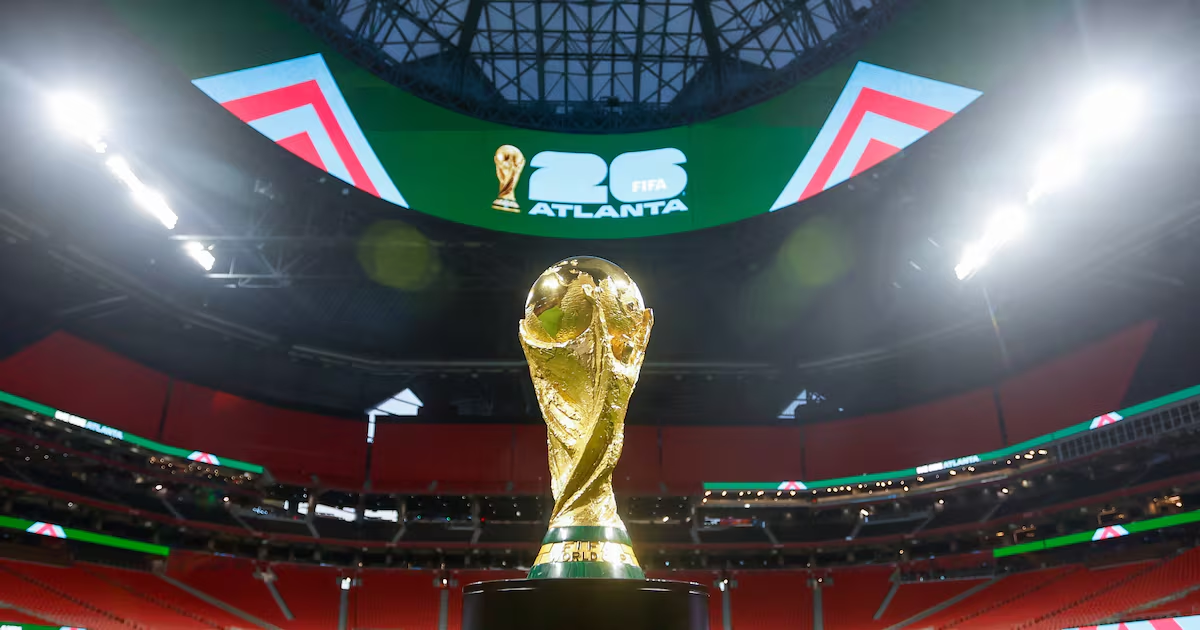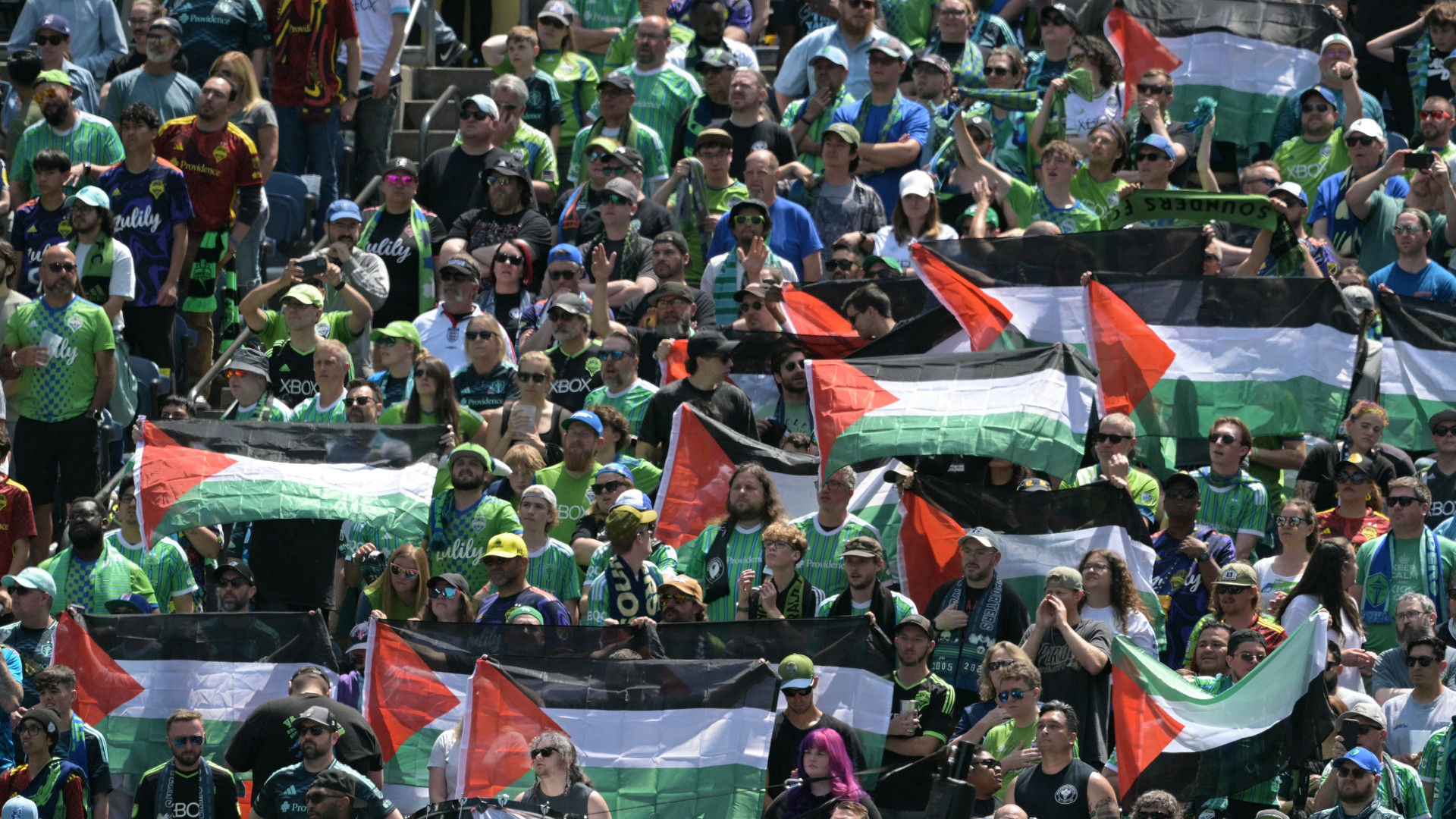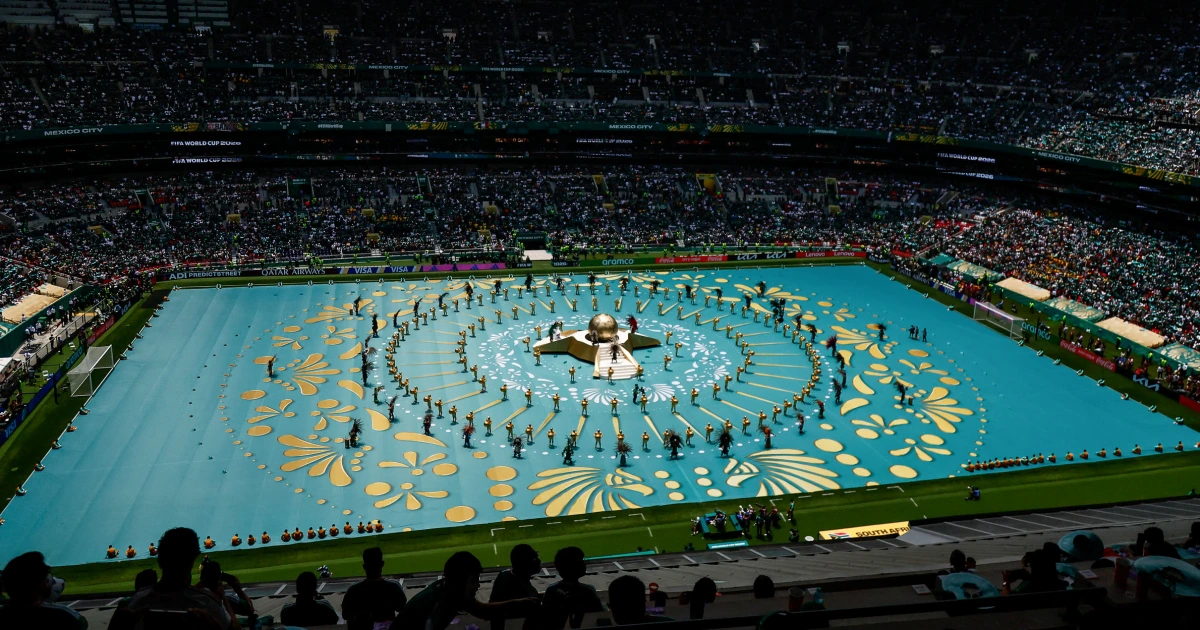
This week, a record 48 countries will kick off the world’s biggest-ever World Cup, co-hosted by Canada, Mexico, and the United States. But what should be a festival of sport is being overshadowed by controversies over immigration, travel woes, ticket prices, and the fact that the United States is at war with another participant, Iran.
On the latest episode of FP Live, I spoke with Mehreen Khan, a sports and economics journalist at the Times in the United Kingdom. Subscribers can watch the full discussion on the video box atop this page or download the free FP Live podcast. What follows here is a lightly edited and condensed transcript.
Ravi Agrawal: So, let’s start with this. What makes this year’s tournament exceptional?
Mehreen Khan: There are lots of things that make it exceptional. It’s the biggest World Cup ever, expanded from 32 to 48 teams. That means we’re getting record numbers of games—over a hundred matches. It means it’s longer; the World Cup will run from June 11 to July 19 and is going to occupy most of people’s summers. It’s happening across three countries for the first time ever. We’ve had shared hosts, but we’ve never had three countries (of course, they are contiguous; it’s one continent). There are various things that are being experimented for the first time, including new pricing systems that are making fans very unhappy about how expensive it is. It might be the hottest World Cup on record, and being in some parts of the United States at this time of the year is going to be incredibly prohibitive for athletes. So there are lots and lots of firsts.