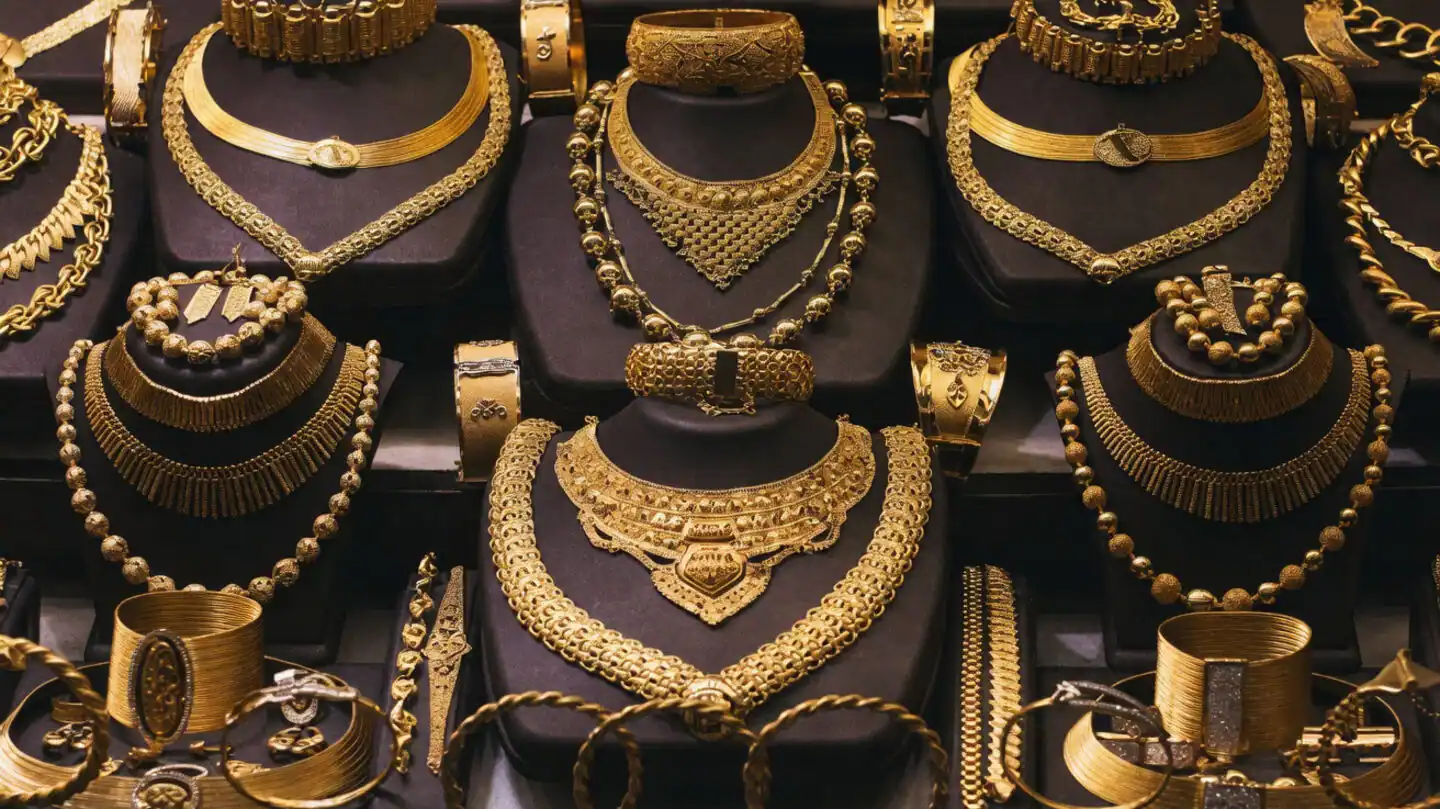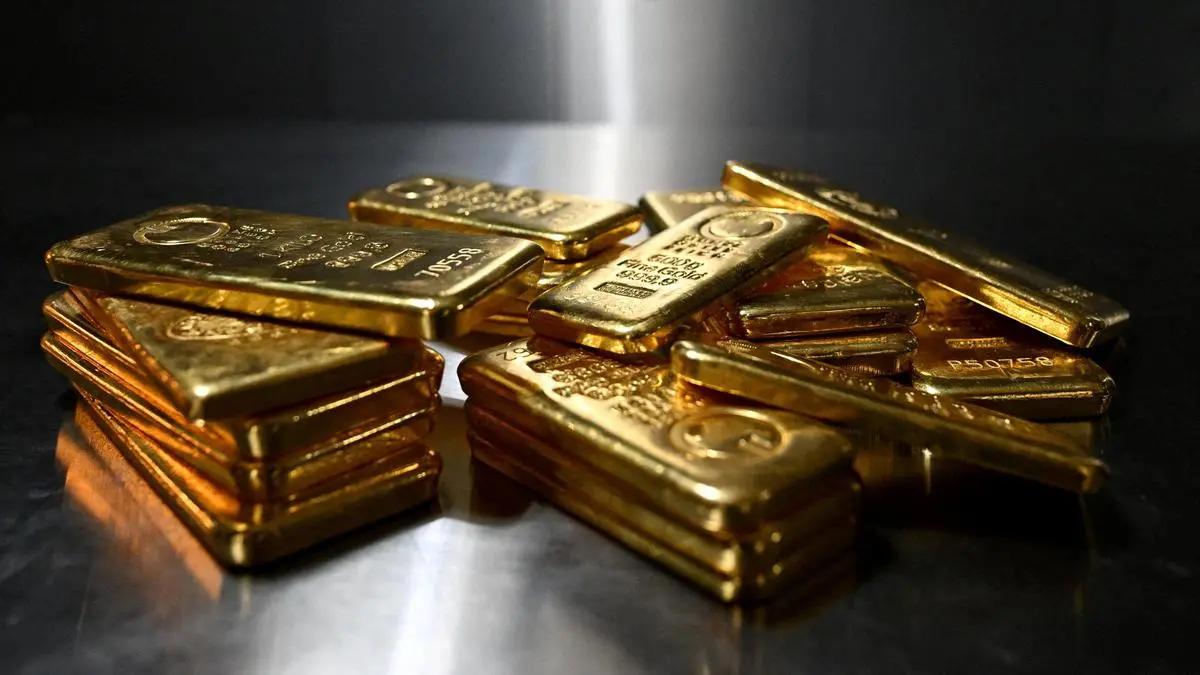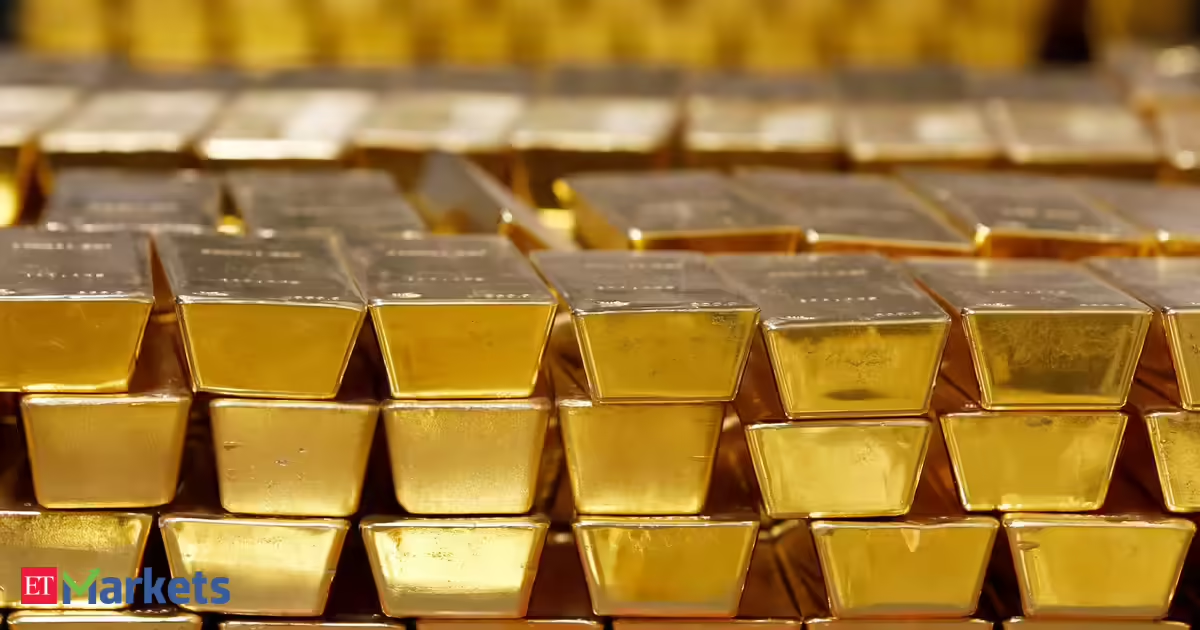
Gold prices fell by 1.51% or Rs 2,283 to Rs 1,48,484 per 10 grams on the Multi Commodity Exchange (MCX) on Tuesday while silver rates dropped 1.37% or 3,272 to Rs 2,35,256 per kg as tensions in Middle East rose after Washington launched attack against Tehran in retaliation to the attack on the US Army Apache helicopter near the Strait of Hormuz.Jewellers said that if this price fall continues, consumers will slowly start returning to the market for wedding purchases that begins from the second half of June and will continue till mid-August.This is the biggest drop in gold and silver prices since May 13, when the government increased the import duty on gold and silver from 6% to 15%. On Wednesday, gold was trading at Rs 1.48 lakh per 10 g – a drop of 7.5% from the earlier peak of Rs 1.6 lakh per 10 gm in Mumbai on May 13. In the same period, silver declined from a high of 2.87 lakh per kg to Rs 2.36 lakh per kg, a sharp decline of 18%.Gold and silver are consolidating near key support levels as markets digest a fragile Israel-Iran ceasefire alongside mounting concerns over inflation and the prospect of further interest rate hikes, said Renisha Chainani, Head of Research at Augmont Gold.The price fall in both the precious metals are happening at a time, when the Adhik Maas, an inauspicious month in Hindu calendar, is coming to an end. June 15 is the last date of Adhik Maas after which consumers start buying gold.“Also, the summer wedding period starts from June 16 onwards and will continue till August 15. It is expected that many will book gold for the upcoming festive season as prices are at the lower level now,” said Surendra Mehta, national secretary of India Bullion & Jewellers Association.Apart from Adhik Maas, seasonal factors including monsoon further dampen discretionary spending during this period.“Post June 15, with the wedding season resuming, demand from Tier 2 and Tier 3 cities is expected to improve moderately. Wedding-led purchases, strong cultural affinity toward gold, and increasing acceptance of lighter-weight and affordable jewellery formats are expected to support this recovery,” said Vikas Kataria, promoter of publicly traded jewellery firm D P Abhushan.Nearly 60% of India’s annual gold demand of 800-850 tonnes come from rural India. In rural India, 22-carat jewellery continues to dominate traditional and wedding-related purchases, particularly among customers who view jewellery as both adornment and investment.At the same time, 18 and 14-carat jewellery-particularly studded jewellery are witnessing strong growth among younger consumers driven by affordability, contemporary designs, and daily-wear fashion preferences. Rising gold prices are also encouraging customers to shift toward lighter-weight and lower-carat options.
Gold price crash may revive wedding demand as buying season nears
Gold and silver prices witnessed a sharp correction from recent highs, raising hopes of stronger jewellery demand. Industry experts expect wedding and festive purchases to improve after Adhik Maas ends, with lower prices encouraging buyers across urban and rural markets.
447 words~2 min read