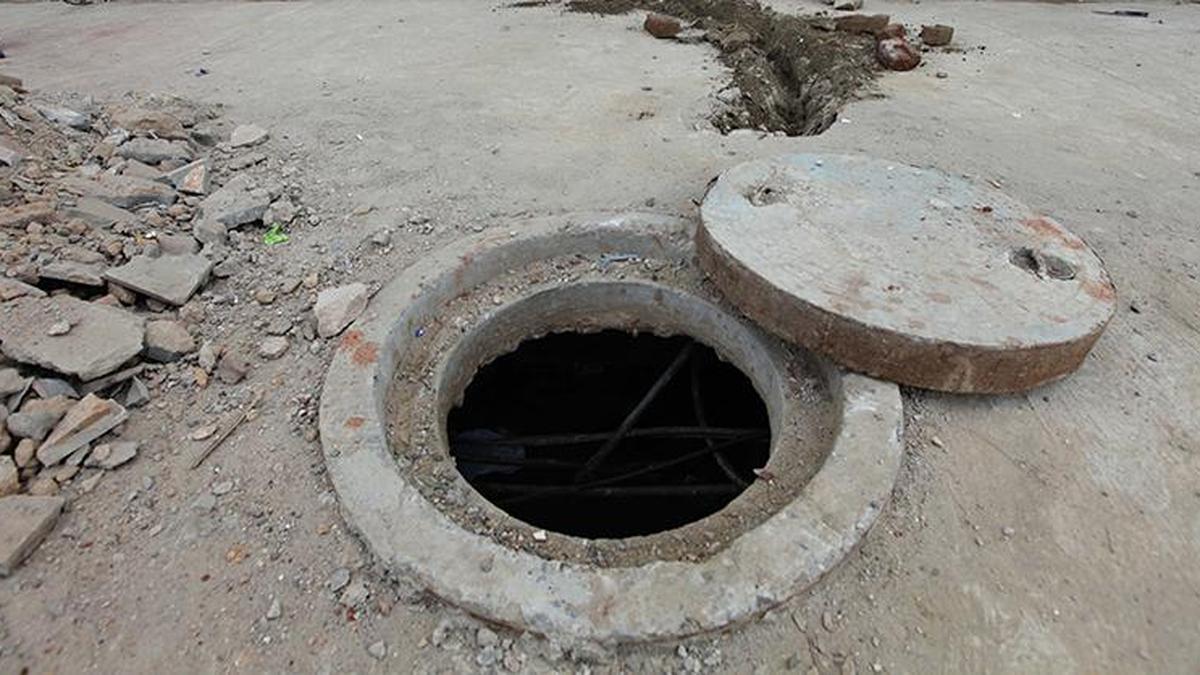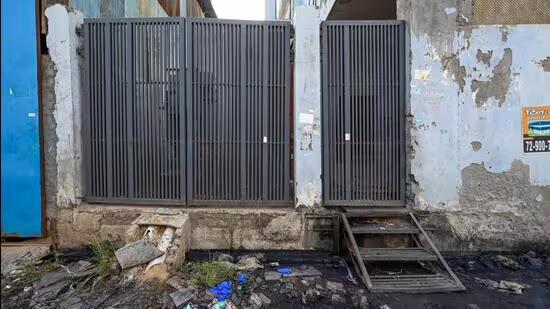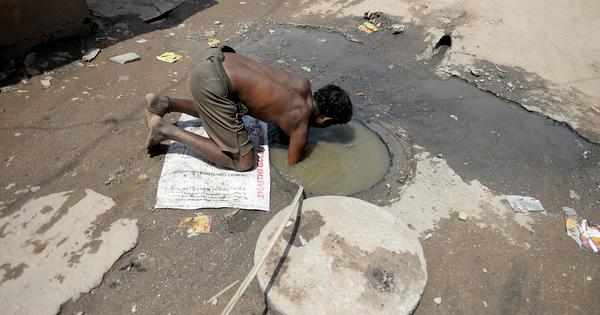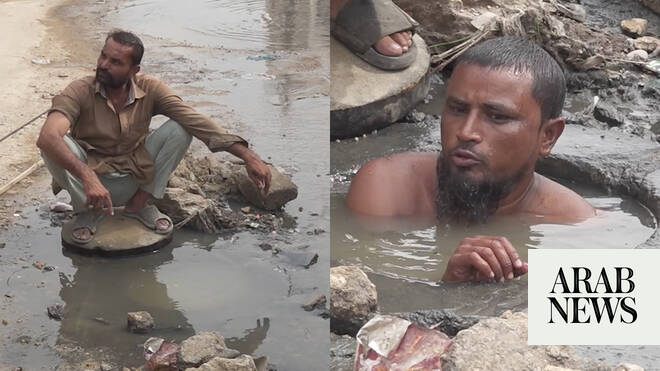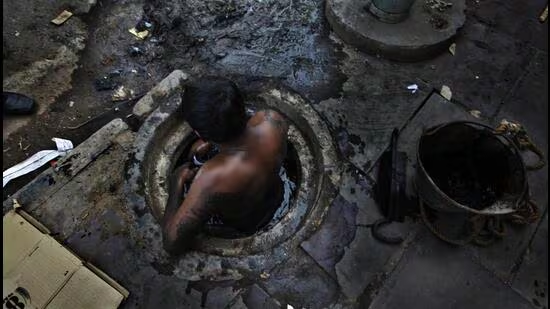
Some lives are less equal than others, as we are reminded every day. The deaths of two sanitation workers at a sewage treatment plant in Faridabad on Tuesday highlight one of the country’s most enduring and repeated failures. According to police, the men lost consciousness after inhaling poisonous gases while entering a sludge tank and drowned. Just days earlier, another worker died while cleaning a sewer line in Uttar Pradesh. Such is the complacence around this issue that headlines do not seem to affect anyone anymore, only to be replaced by the next avoidable tragedy.he Prohibition of Employment as Manual Scavengers and their Rehabilitation Act, 2013, was meant to permanently put an end to the practice. But the numbers tell a different story. (HT Archive)What makes such loss of lives particularly disturbing, apart from apathy, is that they continue despite clear laws prohibiting manual scavenging and hazardous sewer cleaning. The Prohibition of Employment as Manual Scavengers and their Rehabilitation Act, 2013, was meant to permanently put an end to the practice. But the numbers tell a different story. At least 859 sanitation workers have died while cleaning sewers and septic tanks between 2014 and 2025, according to a Lok Sabha reply by the Union government on March 17. That averages around six deaths every month.Perhaps the most dangerous trend in all of this is the familiar pattern that emerges after every such incident. Municipal agencies — responsible for maintaining sewage infrastructure — rarely undertake the work themselves. Instead, they outsource the work through layers of contractors and sub-contractors. At the end of such a chain are some of the country’s most vulnerable workers, often employed informally, lacking training, legal protections, insurance, even basic safety equipment. Gas detectors, oxygen supplies, harnesses and protective gear are either absent or treated as dispensable costs. When deaths occur, responsibility is conveniently pushed to the lowest contractor on the job who then gets booked for negligence.The Faridabad deaths should prompt more than yet another round of compensation announcements, blame-game and police cases. Officials must be held directly accountable for safety violations by contractors working on their behalf. Mechanised cleaning must be made mandatory . No country can claim to be modern while standing on the backs of invisible workers risking their lives in sewers. These tragedies are the predictable consequence of a system that continues to treat some lives as not merely unequal but expendable.
Accountability down the sewers
No country can claim to be modern while standing on the backs of invisible workers risking their lives in sewers
400 words~2 min read