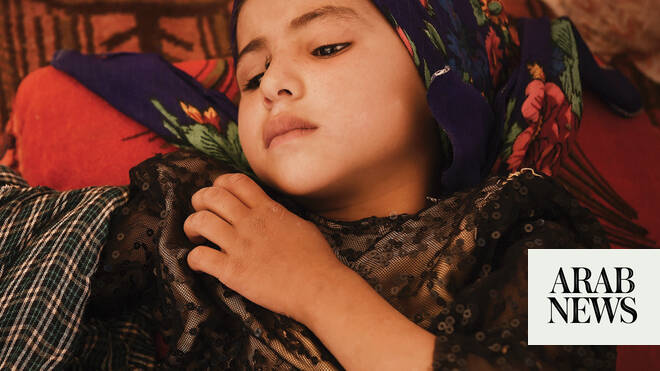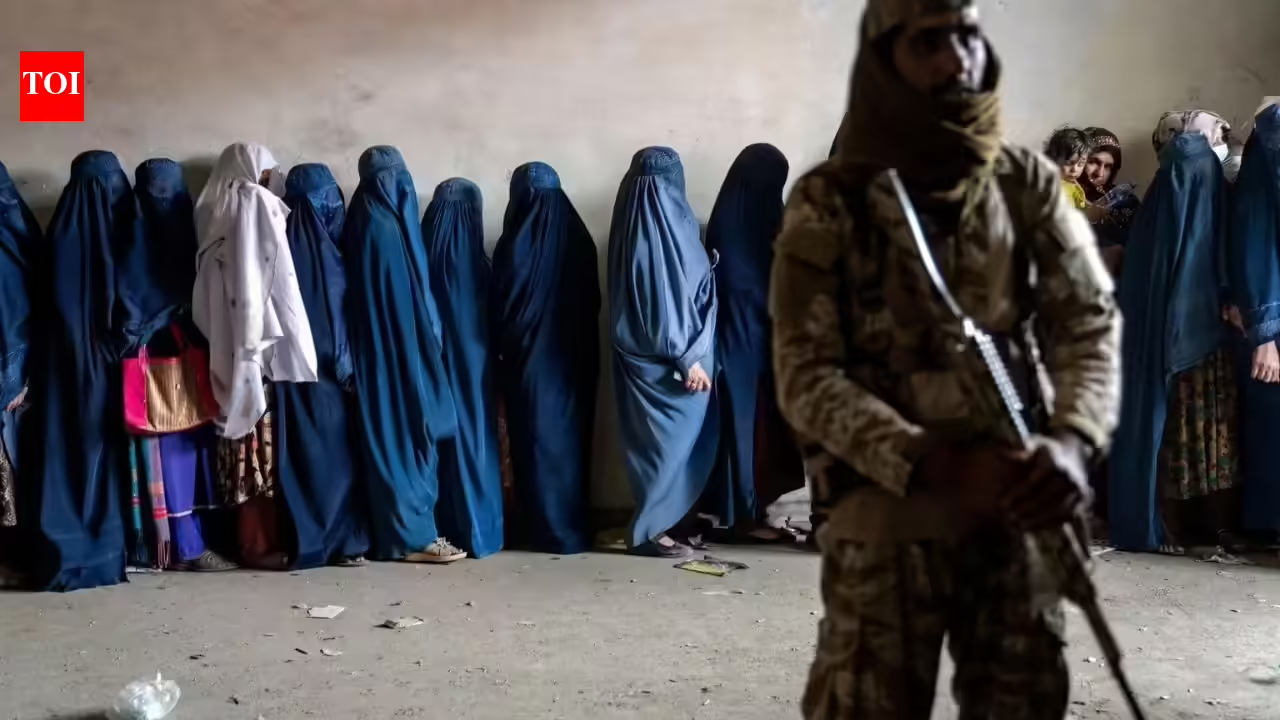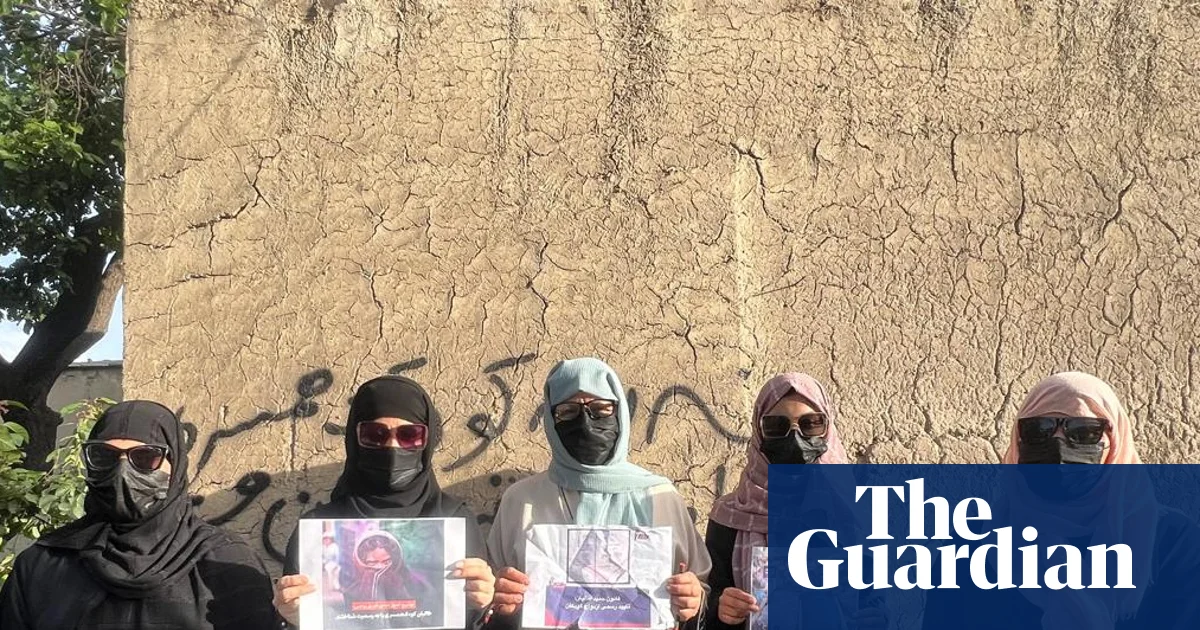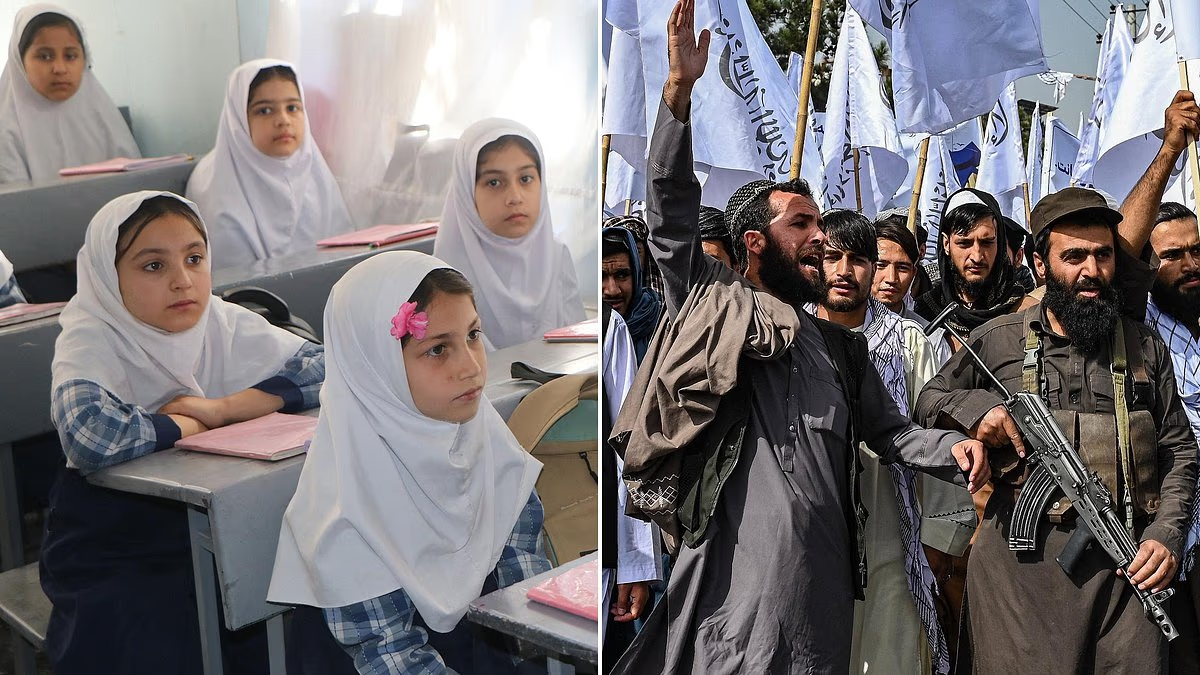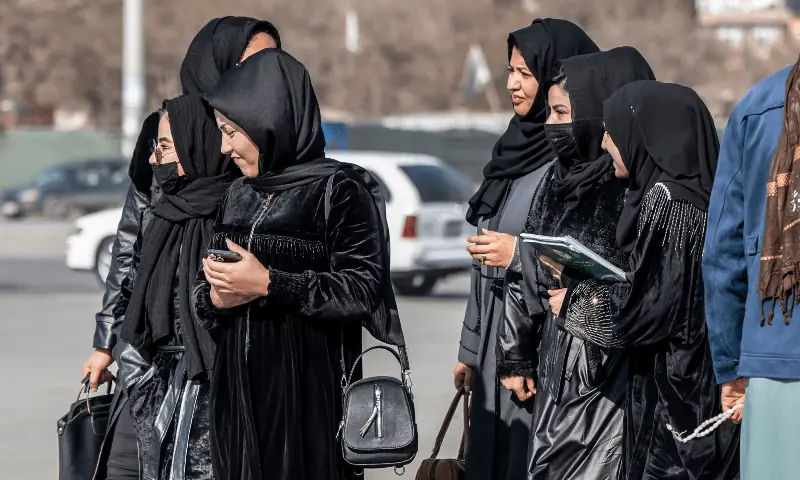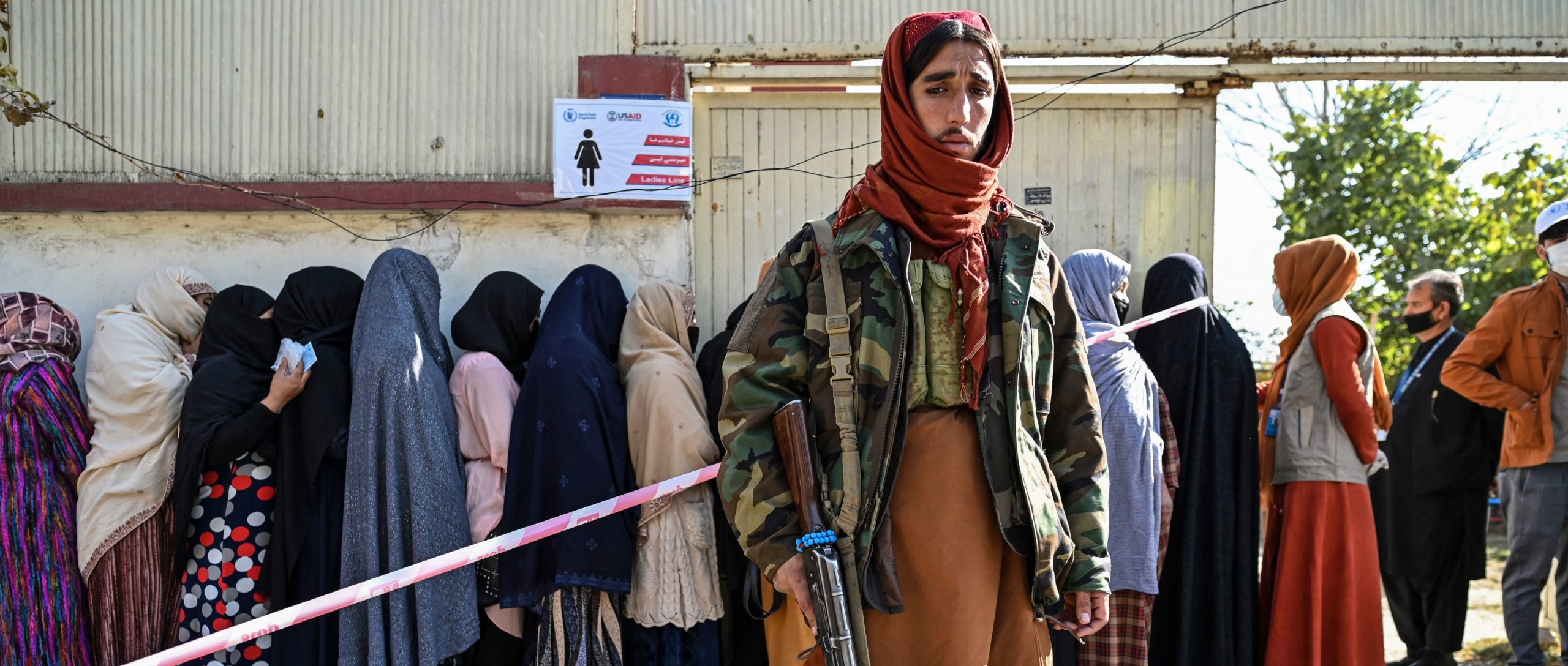
A new decree from the Taliban enabling child marriage is the latest salvo in an ongoing assault on the rights of women and girls in Afghanistan, Amnesty International said in a new legal analysis.
The Decree No. 18 “Code on Judicial Separation of Spouses”, published by the Taliban in an official gazette on 14 May 2026, codifies the circumstances under which women and girls may seek separation from marriages. It includes provisions that uphold marriages arranged during childhood and restrict women’s and girls’ ability to challenge or leave such unions.
“This code further compounds the already dismal situation for the rights of women and girls in Afghanistan. It effectively strips them of all autonomy by eliminating any notion of consent, granting male relatives control over marital arrangements, and providing minimal avenues to challenge forced unions. Its provisions collectively institutionalize and normalize child marriage,” said Isabelle Lassee, Amnesty International’s Deputy Regional Director for South Asia.
Prior to the publication of this code, there was no single codified Taliban law specifically governing spouse separation. Marital disputes and separation were instead handled through a combination of Taliban religious decrees, interpretations of Hanafi jurisprudence (from Shariah), and informal or highly discretionary court practices controlled by Taliban judges.