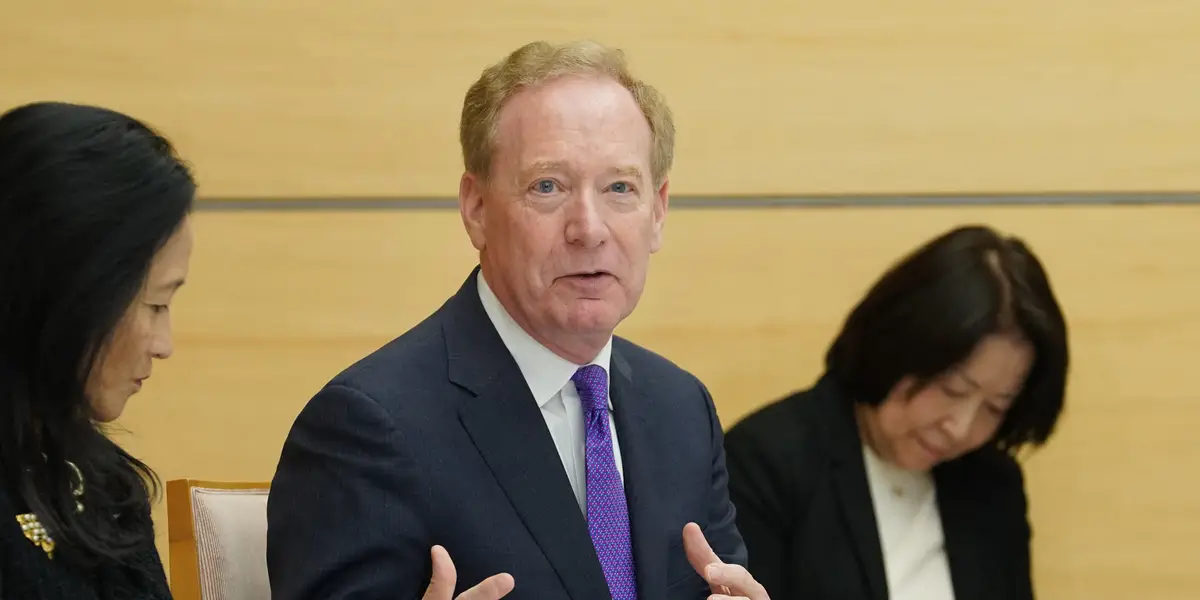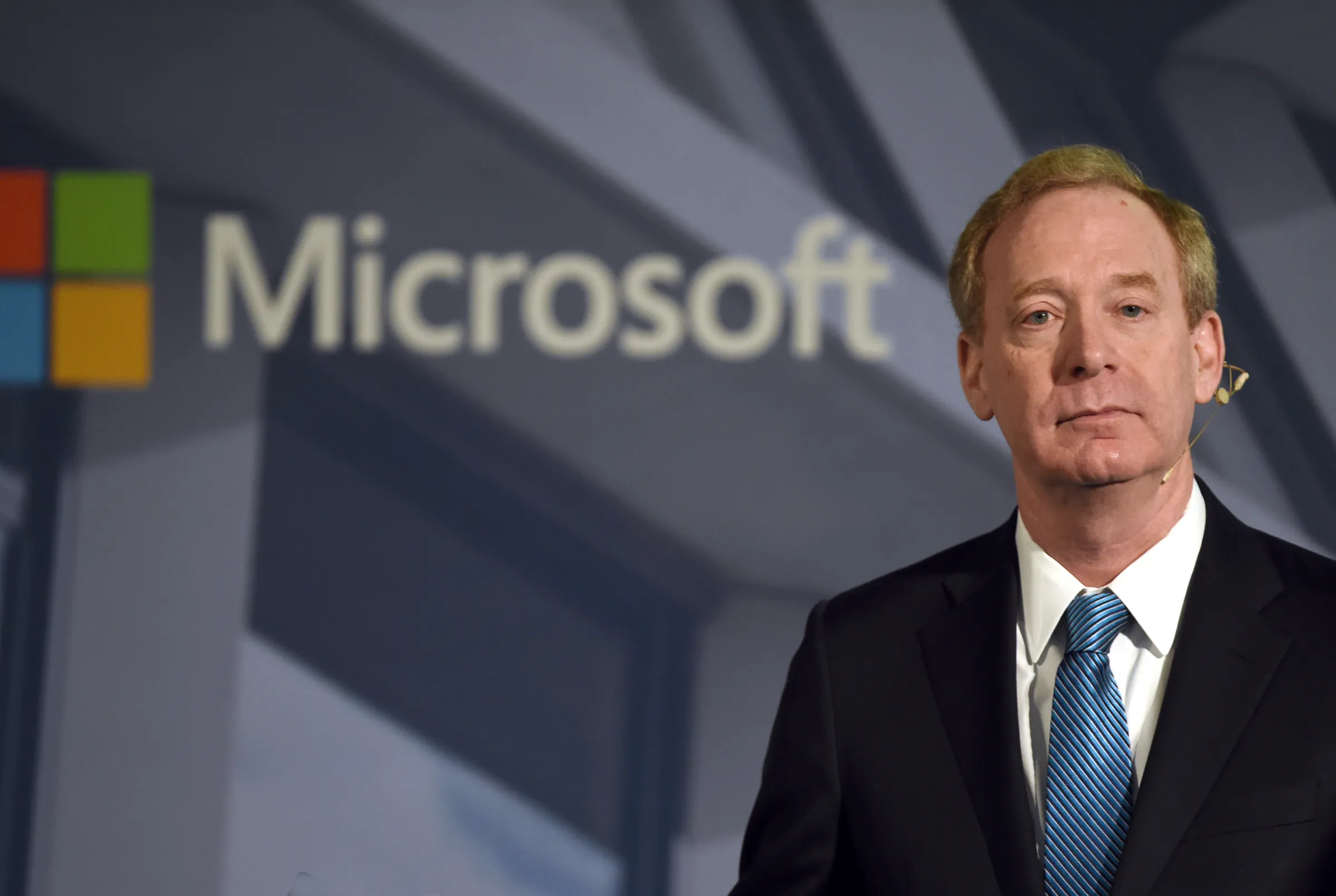
Skip to Content News Archives Economy Energy Oil & Gas Renewables Electric Vehicles Mining Commodities Agriculture Real Estate Mortgages Mortgage Rates Finance Banking Insurance Fintech Cryptocurrency Work Wealth Smart Money Wealth Management Investor Personal Finance Family Finance Retirement Taxes High Net Worth FP Comment Executive Women Puzzmo Newsletters Financial Times Business Essentials More Innovation Information Technology FP500 Podcasts Small Business Lives Told Tails Told Shopping Financial Post Store Obituaries Place a Notice Advertising Advertising With Us Advertising Solutions Postmedia Ad Manager Sponsorship Requests Classifieds Place a Classifieds ad Working Profile Settings My Subscriptions Saved Articles My Offers Newsletters Customer Service FAQ News Economy Energy Mining Real Estate Finance Work Wealth Investor FP Comment Executive Women Puzzmo Newsletters Financial Times Business Essentials HomeInformation TechnologyNewsMicrosoft has an answer to anti-AI boos from the Class of 2026Brad Smith’s blog is part of an emerging shift at Microsoft, a company that has been weaving AI into most of its productsAuthor of the article: You can save this article by registering for free here. Or sign-in if you have an account.In the roughly 3,100-word essay, Microsoft president Brad Smith argued that AI needs to be deployed to enhance, not replace, humans. Photo by Paul Devlin/Getty ImagesIn recent weeks, the Class of 2026 has made its displeasure with AI abundantly clear, loudly booing speakers touting the technology during commencement speeches.Subscribe now to read the latest news in your city and across Canada.Exclusive articles from Barbara Shecter, Joe O'Connor, Gabriel Friedman, and others.Daily content from Financial Times, the world's leading global business publication.Unlimited online access to read articles from Financial Post, National Post and 15 news sites across Canada with one account.National Post ePaper, an electronic replica of the print edition to view on any device, share and comment on.Daily puzzles, including the New York Times Crossword.Subscribe now to read the latest news in your city and across Canada.Exclusive articles from Barbara Shecter, Joe O'Connor, Gabriel Friedman and others.Daily content from Financial Times, the world's leading global business publication.Unlimited online access to read articles from Financial Post, National Post and 15 news sites across Canada with one account.National Post ePaper, an electronic replica of the print edition to view on any device, share and comment on.Daily puzzles, including the New York Times Crossword.Create an account or sign in to continue with your reading experience.Access articles from across Canada with one account.Share your thoughts and join the conversation in the comments.Enjoy additional articles per month.Get email updates from your favourite authors.Create an account or sign in to continue with your reading experience.Access articles from across Canada with one accountShare your thoughts and join the conversation in the commentsEnjoy additional articles per monthGet email updates from your favourite authorsSign In or Create an AccountorMicrosoft Corp. President Brad Smith was paying attention.“I think this is a moment where the industry needs to rise to the occasion and show that it can address the questions that people have in a serious and credible way,” he said in an interview.Smith elaborated on his thinking in a blog post published on Wednesday that was sparked by a recent visit to Princeton University, his alma mater. While there, he learned that graduating seniors had rejected a design for ceremonial jackets because they suspected they’d been created with the help of artificial intelligence.Breaking business news, incisive views, must-reads and market signals. Weekdays by 9 a.m.By signing up you consent to receive the above newsletter from Postmedia Network Inc.A welcome email is on its way. If you don't see it, please check your junk folder.The next issue of Posthaste will soon be in your inbox.We encountered an issue signing you up. Please try againIn the roughly 3,100-word essay, Smith argued that AI needs to be deployed to enhance, not replace, humans. He also tried to temper some of the more dire predictions for immediate job upheaval, saying that it will likely take longer than the industry’s biggest boosters say for practical AI use to spread through the economy.When its impact does arrive, history shows people will adapt and use the technology to push their own limits. “The good news is that human ambition is irrepressible,” he wrote.Smith’s blog is part of an emerging vibe shift at Microsoft, a company that has been weaving AI into most of its software products and plans to lavish some $190 billion this year on capital spending, much of it for data centres and other infrastructure.Earlier this year, Mustafa Suleyman, Microsoft’s AI model development chief, told the Financial Times that most white-collar tasks would be automated within 18 months. More recently, Suleyman walked that back, saying that he was referring only to AI’s ability to perform individual tasks.“That I think is going to free you up to do the more human-like and the more judgment parts of your work,” he said in an interview with The Verge.Smith and Microsoft remain bullish on AI overall.“It is a boom,” he said, adding that the technology will boost productivity growth and “bring real solutions to the world’s problems.”Still, the will-AI-kill-jobs debate isn’t going away, and sometimes it’s safer to avoid the topic altogether.When Microsoft chief financial officer Amy Hood gave a commencement address last month at her alma mater, Duke University, she didn’t mention AI once. No one booed. Join the Conversation This website uses cookies to personalize your content (including ads), and allows us to analyze our traffic. Read more about cookies here. By continuing to use our site, you agree to our Terms of Use and Privacy Policy.
Microsoft has an answer to anti-AI boos from the Class of 2026
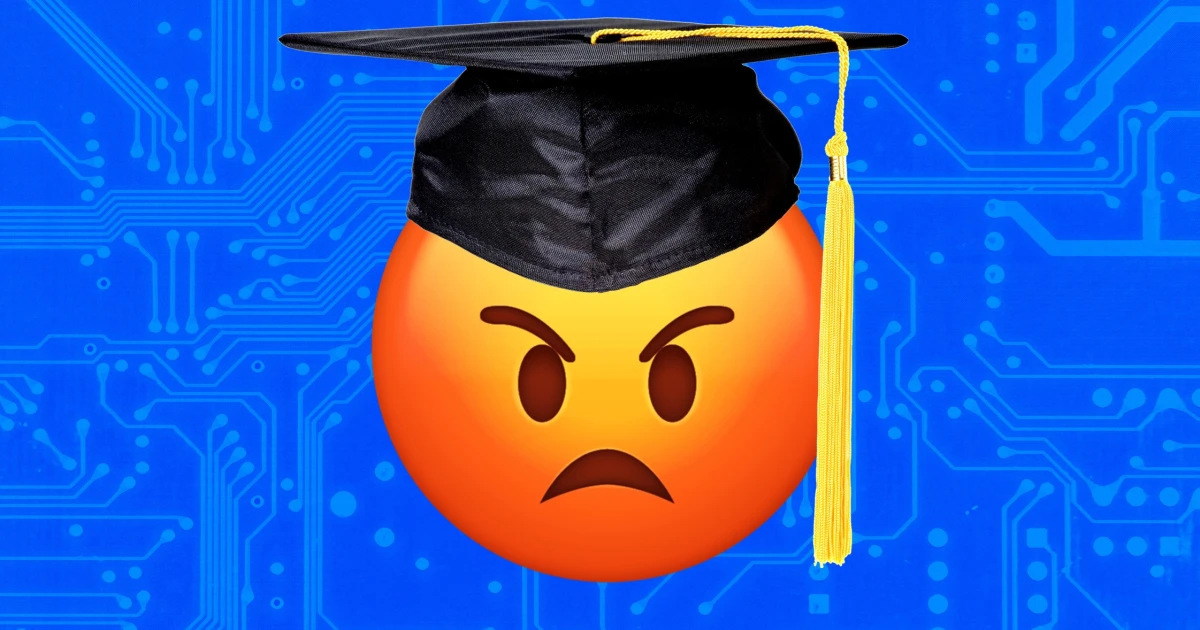
The Class of 2026 has made its displeasure with AI abundantly clear, booing speakers touting the tech during commencement speeches. Read now
916 words~4 min read